


 SHARE:

[Editor’s note: This is the second story in a five-part series on the decline of local news in BC’s northeast and the small-town journalists working to reverse it.]
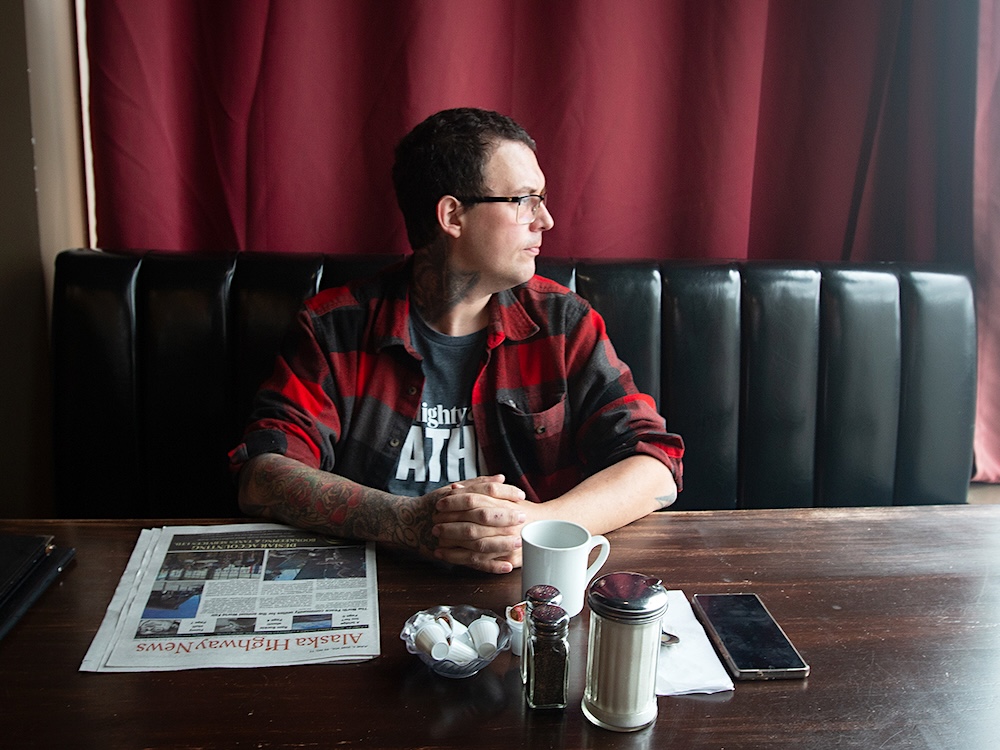
Todd Buck sits at a diner in Fort St. John and leafs through the Alaska Highway News. The newspaper exhales as he turns the page and uses his palm to press the newsprint flat against the table.
Buck grew up close to his grandmother on a farm outside Prince George and remembers her home filled with “boxes and boxes” of newspapers.
“My grandmother read the paper my whole childhood,” he says.
His grandmother, Elva, was raised in Fort St. John, a city of 20,000 people more than 400 kilometres northeast of Prince George. After she left in the 1970s, she continued to carry with her a piece of the Peace region — a subscription to the local newspaper.
“She would get the Alaska Highway News shipped down every week. They showed up in a box. We’d have them over the freezer, the tables, like, everywhere,” Buck says. “It was her one connection to the community that raised her.”
Newspapers tell the story of a place. They include birth and death notices. Weddings and graduations. Job postings and sporting events. Court hearings and council meetings. In its early days in the mid-1900s, the Alaska Highway News reported fine-grained details about the community, such as who was in hospital with what ailment or who had been ticketed for minor traffic infractions.
In recent decades, British Columbia’s small-town newspapers increasingly shifted to regional and even national or international news, as publications were bought by large media conglomerates that cut newsrooms and syndicated articles across multiple publications, watering down local coverage.
Many have ceased publishing altogether, and over the past decade all six of northeast B.C.’s long-running newspapers have closed.
In a region that was once covered by dozens of reporters, one local journalist estimates there are now fewer than 10. The decline has earned the region the title of “news desert,” or a place without consistent access to reliable news reporting.
It’s a label many here reject. They point to the local journalists, many let go from full-time positions when their outlets closed, who continue publishing on Substack, YouTube channels and email newsletters. Some, like Buck, are keeping print media alive.
A decade ago, Buck moved to Fort St. John to work in the oilpatch. But he wanted a job that was more fulfilling and allowed him to be home with his family at night. He turned to his love of writing and, in 2022, took a reporting job at the Alaska Highway News.
When the outlet closed one year later, he bought it.
Ma Murray’s legacy
The Alaska Highway News was started in 1944 by Margaret and George Murray.
The couple met in 1912 when George hired Margaret as a bookkeeper at the short-lived Greater Vancouver Chinook newspaper. They would go on to launch newspapers in the Lower Mainland and Lillooet before turning to the Peace region, which they saw as the “final frontier,” says Heather Sjoblom, the curator of the Fort St. John North Peace Museum.
The Alaska Highway had recently been completed, and the Murrays believed the region had untapped potential for resource extraction and agriculture. The Alaska Highway News published its first issue on March 16, 1944, and became an extension of their advocacy. The Murrays billed their paper as “the only newspaper in the world that gives a tinker’s damn about the North Peace.”
“They were huge drivers of getting people to come to Fort St. John and promoting this area,” Sjoblom says.
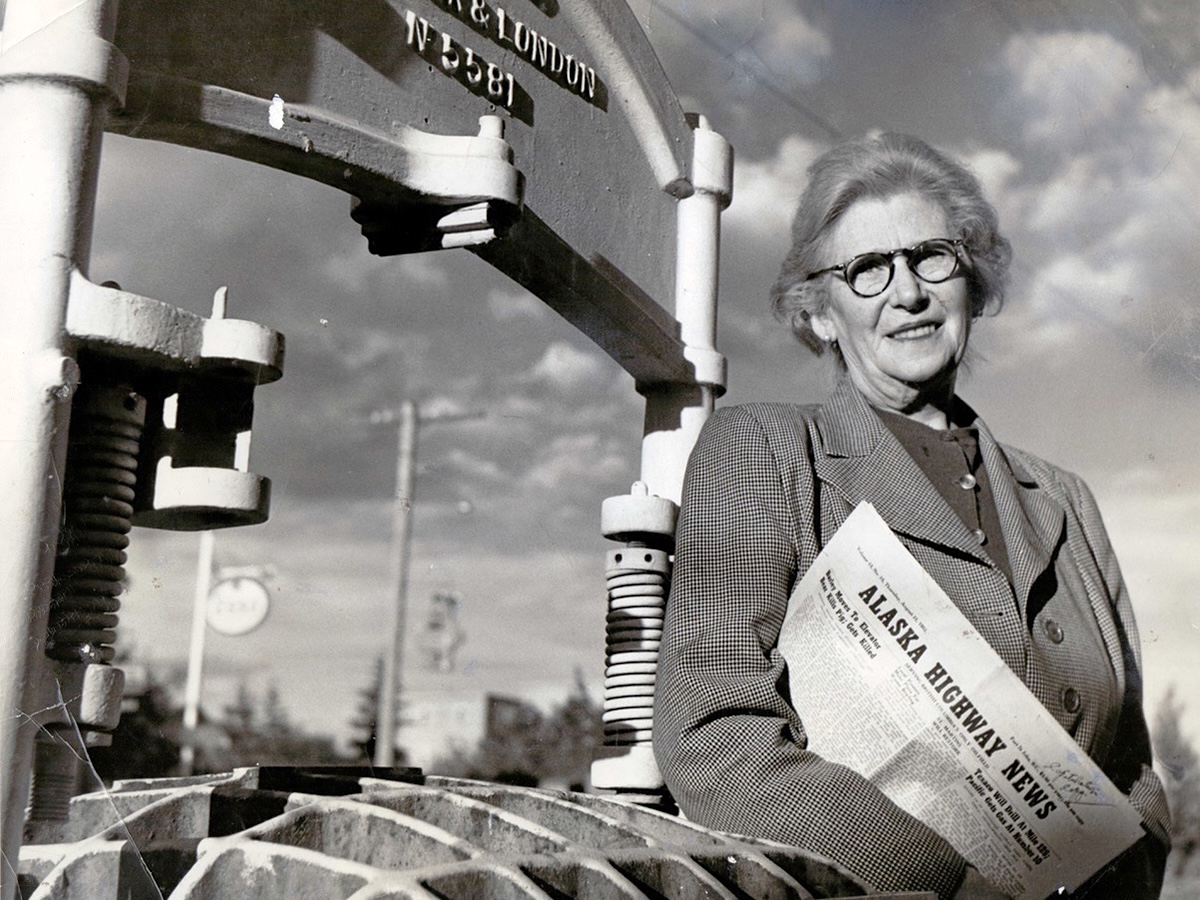
Although George and “Ma,” as she was widely known, spent just 15 years in the northeast, the couple — and particularly Ma — had an outsized impact. Ma had a Grade 3 education and cared little for grammar or punctuation. She was known for infusing her papers with character and grit, signing off fiery editorials with “and that’s fer damshur!”
The Murrays “aimed to make their publication so good that the local business people and their suppliers in the city couldn’t help but support it,” the couple’s daughter, Georgina Keddell, wrote in her biography The Newspapering Murrays. When locals struggled to cover their subscription bills, Ma would accept a chicken or suggest their child restock the firewood pile as payment.
“Half the town loved her and half hated her. But the balance was tipped on the love side, for she made them laugh,” Keddell wrote.
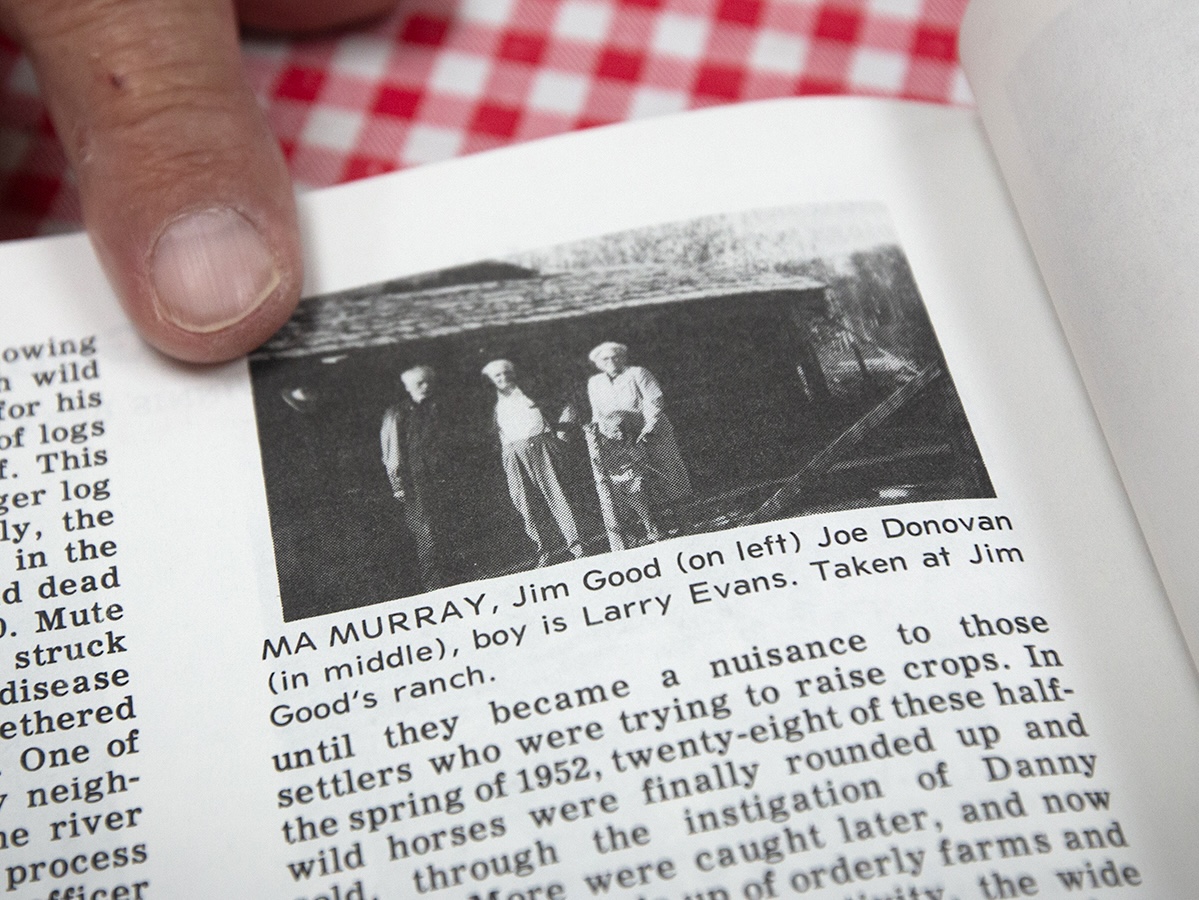
Fort St. John resident Larry Evans remembers Ma as “sometimes loud and crusty.” But she was also kind.
Evans was just a kid when his parents met the Murrays. His father worked in the oilfields, and Ma, wanting the inside scoop on development plans, arrived to talk to local “tool pushers.” She brought with her a couple of bottles of rye.
Every Wednesday, Evans and his friend Kenny would deliver papers. Once, Ma unexpectedly handed the boys each a five-dollar bill. “She had a good heart,” Evans says.
Ma Murray would later head 400 kilometres north to launch the Fort Nelson News, before returning to Lillooet, where she continued to edit the Bridge River-Lillooet News until her death in 1982. She received the Order of Canada “for her contribution to journalism and her spirited and outspoken interpretation of life in the interior of British Columbia.”
British Columbia’s community newspaper association also named its annual awards competition after Murray. Over the last 40 years, hundreds of local journalists have been handed “Ma Murray Awards” recognizing their work.
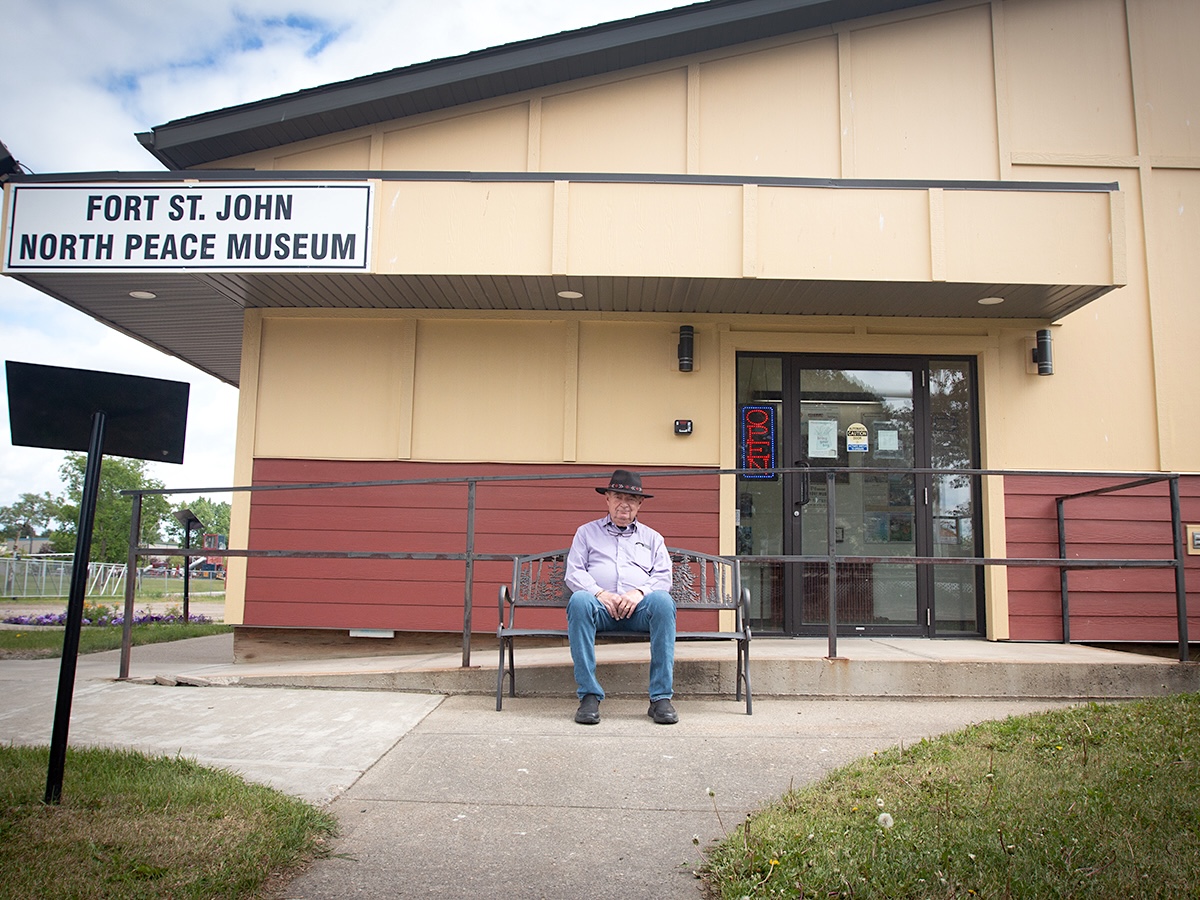
While the Alaska Highway News may have been Fort St. John’s original — and most colourful — newspaper, it wasn’t the first in the region.
Community news in northeast B.C. dates back nearly a century to the founding of the Peace River Block News in 1930. It’s a dizzying history of acquisitions and amalgamations. Outlets were purchased, merged and deconsolidated. Publication shifted from weekly to daily and then back to weekly.
Nicole Palfy was around for much of it. She began working at the Dawson Creek Mirror in 1997, when the paper was owned by local couple Bud and Muriel Powell. She remained in the community news business for decades.
“They said, ‘We’re not offering you a job. We’re offering you a career,’” Palfry remembers. “That sold me.”
The Mirror began in 1980, several years after media mogul Conrad Black’s fledgling newspaper empire, Sterling Newspapers, bought the Peace River Block News and the Alaska Highway News. Sterling’s parent company, Hollinger Inc., would become the world’s third-largest English-language newspaper chain. It continued buying small northeast B.C. outlets, including the Mirror in 2001. Hollinger later consolidated the Mirror with the Peace River Block News.
(Black, a convicted felon, is not to be confused with B.C. businessman David Black, who ran the Black Press community newspaper chain until 2024, when he retired and the company entered creditor protection. Conrad Black left Hollinger in 2005 and was later pardoned in 2019 by U.S. President Donald Trump.)
In 2006, Hollinger sold “substantially all” of its remaining Canadian news outlets, including the Alaska Highway News and Dawson Creek Mirror, to Vancouver-based Glacier Ventures International Corp., which would become Glacier Media. Hollinger declared bankruptcy the following year.
Despite the sale, the Black family continued to own two small Canadian newspapers — both in northeast B.C.
“We were the last newspaper owned by Conrad Black,” former Chetwynd Echo editor Naomi Larsen says. “It was us and Mackenzie.”
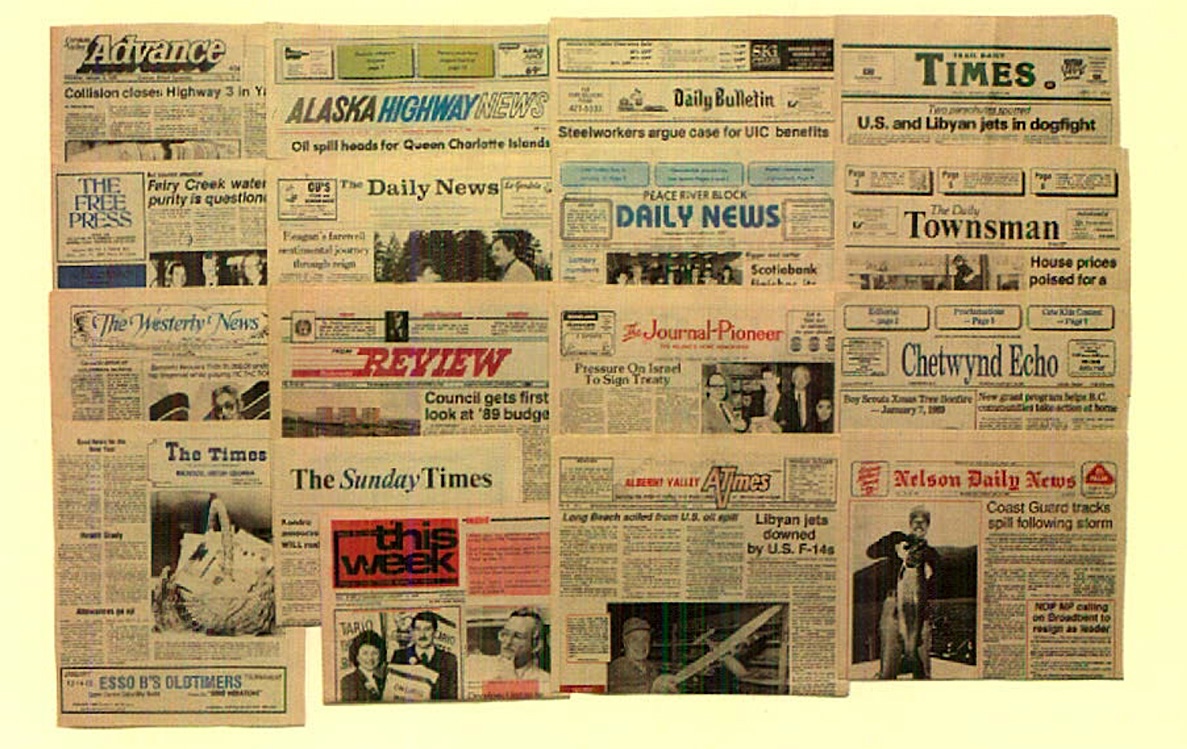
In 2011, Glacier Media sued the Mackenzie Times and its parent company, Great Thunder Holdings, over unpaid printing and advertising bills. The court documents listed Great Thunder’s mailing address as 26 Park Lane Circle — the same address as Conrad Black’s Toronto-area mansion, which he sold for $14 million in 2016.
A year earlier, Larsen had travelled to Toronto to meet with Black’s sister-in-law, June Black, and plead with her to keep the papers running. But the paper’s days remained numbered and the Echo, which had been publishing for 60 years, published its last edition in January 2016.
“We showed up one morning, and they’re like, ‘Close her up,’” Larsen says. “We did everything we possibly could to keep the paper going.”
Larsen shouldered the cost to print one final issue to say goodbye to the community. She says she couldn’t access the bank accounts to pay the children who delivered the newspapers. So Larsen paid that bill, too.
The Mackenzie Times closed shortly after.
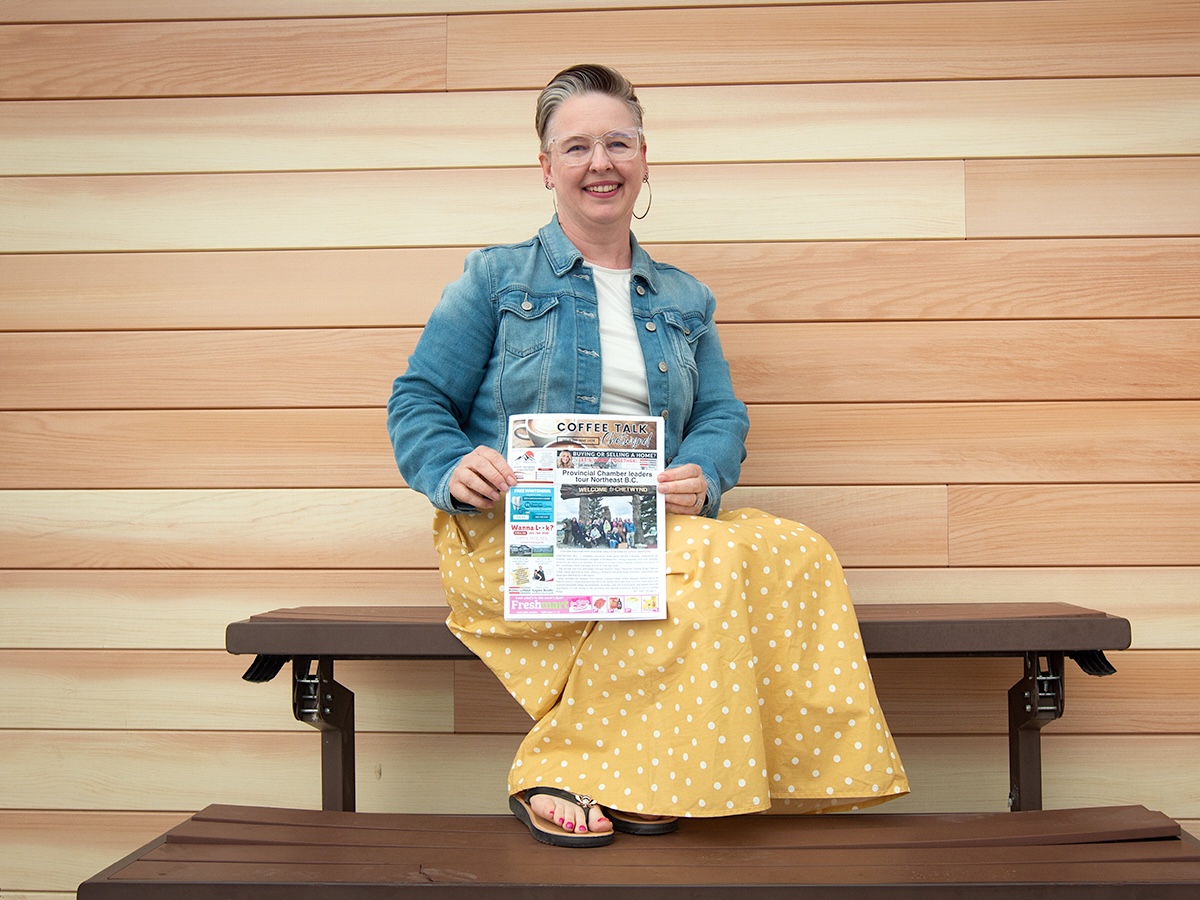
The closures had an enduring impact. Today, there is no one consistently covering things like council or court, says Larsen, who now runs the local chamber of commerce and publishes a weekly print newsletter. She sees stories in Chetwynd going unreported “every day.”
“I covered everything — from court to police to spaghetti dinners to talent shows to chainsaw carving events,” she says. “Now there’s literally no written history of everything that goes on.”
The same year the Echo and the Times closed, the two regional dailies, the Alaska Highway News and the Dawson Creek Mirror, reverted to weeklies for the first time in decades. Glacier closed its press in Dawson Creek and began printing its northern B.C. papers across the border in St. Albert, Alberta, where it owns a stake in regional newspaper chain Great West Media.
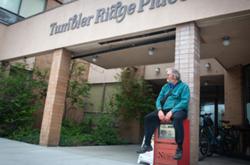
In early 2017, the independently owned Tumbler Ridge News also closed. By the end of 2023, the last of the region’s long-running newspapers — the Mirror, the Alaska Highway News and the Fort Nelson News — would also be gone.
The day the news died
When Glacier senior vice-president Peter Kvarnstrom flew north from Vancouver in October 2023 to deliver the news that the Alaska Highway News and the Dawson Creek Mirror were closing, few were surprised.
In the preceding years, the two newspapers had seen a gradual reduction in editorial staff. Kvarnstrom says he had tried to find someone to take over the papers, but when nobody stepped forward, he “pulled the trigger,” he says.
The abruptness caught everyone off guard.
“We were done the next day,” says Palfry, who was preparing what would be the Mirror’s final edition for press. “I was gone before the paper came out.”
In Fort St. John, the closures came as a blow to Buck. He had three children at home and had left a lucrative career in the oilpatch. “This is where I was putting my heart and soul,” he says. “It was just a dark time.”
Buck waited, hoping someone would step in and keep the newspaper going. He toyed with the idea of taking it over himself.
That Christmas, when his nine-year-old asked Santa to help his dad start a business, Buck took it as a sign. After the holidays, he called Kvarnstrom and asked to buy the Alaska Highway News name and masthead. He would put the last of his savings into resurrecting the newspaper.
“I wanted the Alaska Highway News. The old one. The one that I remember reading as a kid,” he says. He took inspiration from other independent local publications like Tumbler RidgeLines, which replaced Tumbler Ridge News, and This Week in Dawson Creek, which had been launched by former Mirror editor Rob Brown.
Buck also took inspiration from the newspaper’s founder.
“Ma Murray was the most inspirational for me. She also didn’t have the most conventional journey to journalism,” he says. “We need to make sure we’re telling the truth in these stories, but there’s room for a little bit of colour in there. There’s room for a little bit of flavour.”
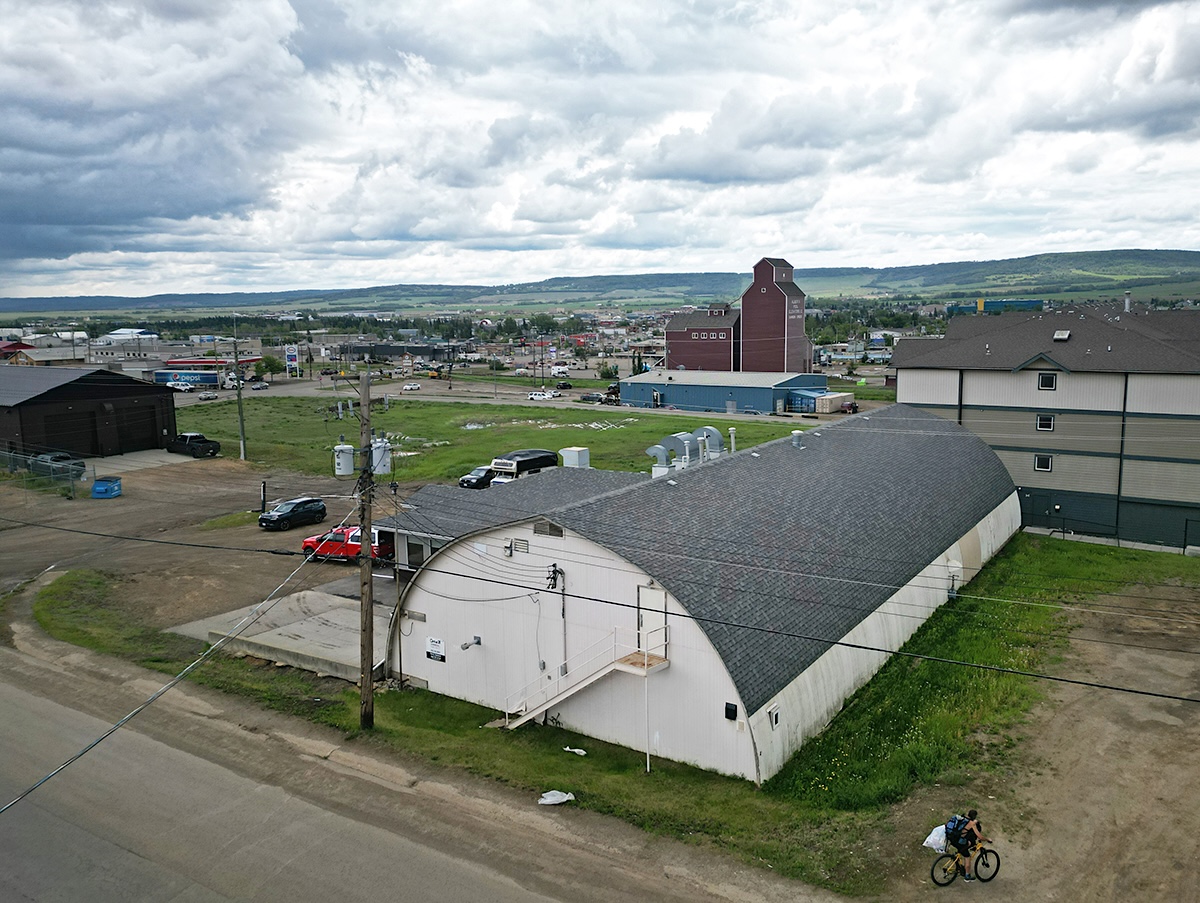
Others are also working to fill the void.
In 2023, Tania Finch, a freelance writer who previously edited a free weekly called the Northerner, launched a Substack newsletter, the Broken Typewriter, in which she regularly reports on council meetings in Fort St. John and surrounding municipalities.
The online news outlet Energeticcity.ca has also increased its newsroom staff over the past decade. The independent Fort St. John publication employs four reporters and shares content with its companion radio station, Moose FM.
Owner-publisher Adam Reaburn says more coverage is needed.
“When I moved here, we had three weekly newspapers, a daily newspaper, the other radio station, a TV station, our radio station — we’d actually have scrums,” he says, referring to an impromptu interview where multiple reporters gather around a politician to ask questions.
“I still see big gaps.”
Last year, CBC announced it would expand into underserved regions like northeast B.C.
The expansion, which focused on Western Canada, brought a two-person newsroom to Fort St. John, where CBC hired two former Alaska Highway News staff — editor Matt Preprost and reporter Tom Summer. The team is “almost too good to be true,” CBC British Columbia senior managing director Alison Broddle says about finding reporters with roots in the community.
Creating a record for the community
About a month after the Alaska Highway News closed in 2023, its website began redirecting to Glacier’s Prince George newspaper, the Citizen. Decades of digital journalism were lost. Fortunately, work was already underway to archive hard copies of the paper.
Several years earlier, the North Peace Museum, with funding from the local regional district, had begun working with Preprost, then the editor, to digitize Alaska Highway News issues dating back to the 1940s. The scanning took thousands of hours, “but it’s so worth it,” Sjoblom says. “That doesn’t get recorded anywhere else.”
Three years after it was given new life, the Alaska Highway News continues to add to the public record.
Keeping the newspaper alive has its challenges. Buck says he loses money on some issues. But the business is growing. Last year, circulation increased from 2,000 to 4,000 papers, which are published every two weeks. This fall, he plans to expand the paper from eight to 12 pages, adding Finch’s local government reporting and contributions from Brown in Dawson Creek.
When Buck resurrected the paper, he traded a windowless office in the old newspaper building in downtown Fort St. John for being out in the community. He can often be found writing in coffee shops or covering community events. He says he wants to fill his newspaper with content that’s “hyperlocal,” featuring the artists, athletes and youth that make the northern city vibrant.
“It’s a paper for the community,” he says. “It belongs to the community. I know they say I own it, but it doesn’t feel like I own it. I have the honour of writing it.”
This is the second story in a five-part series produced through the support of the Government House Foundation and Jack Webster Foundation through the Lieutenant Governor’s BC Journalism Fellowship. The funders did not provide any editorial direction. 
Read more: Media






Tyee Commenting Guidelines
Please note that email notifications for replies are not currently working due to a software issue which may be resolved in a future update.
Comments that violate guidelines risk being deleted, and violations may result in a temporary or permanent user ban. Maintain the spirit of good conversation to stay in the discussion and be patient with moderators. Comments are reviewed regularly but not in real time.
Do:
Do not: