


 SHARE:

In October, Prime Minister Mark Carney said the southern route his government selected for the Pacific Link pipeline “avoids highly sensitive ecosystems,” promising to uphold Canada’s high standards while fast tracking the project.
But a mapping analysis and a scientific study released this week undermine Carney’s claims, showing that the proposed pipeline route will in fact pass through critical habitat for endangered species and key freshwater ecosystems, including fish-bearing streams.
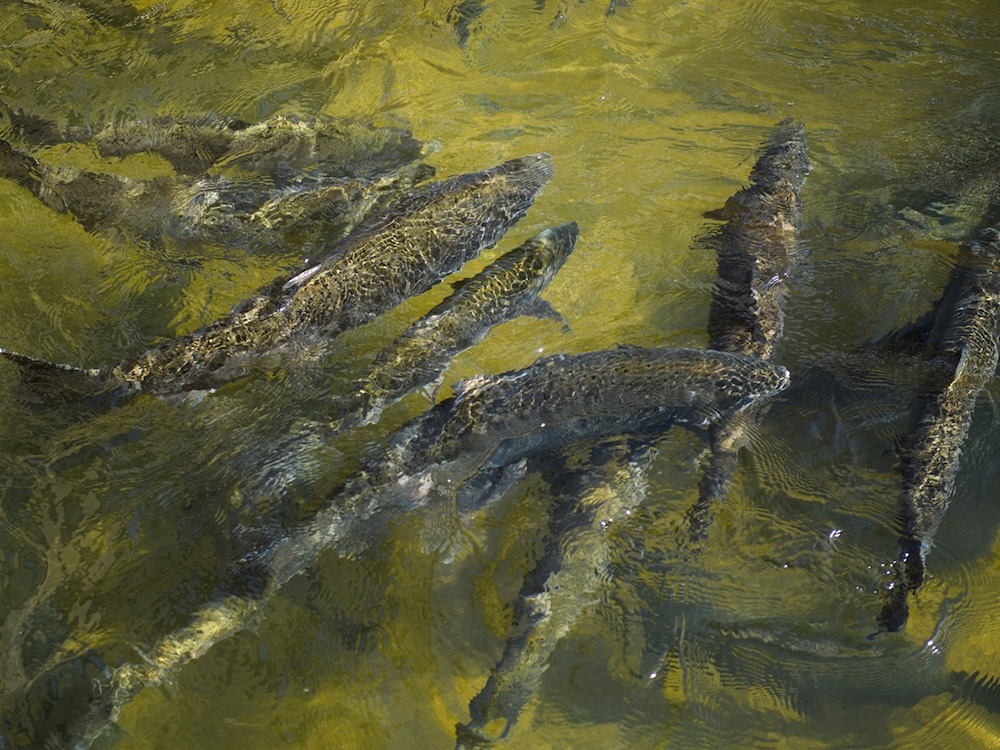
The mapping analysis, published by the Wilderness Committee, reveals the pipeline will cross 14 protected areas, threaten critical habitat for 11 endangered species, and impact 76 salmon streams, including 10 streams with chinook salmon, the largest food source for endangered southern resident killer whales.
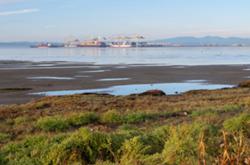
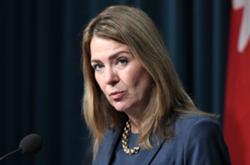
Lucero González, the committee’s conservation and policy campaigner, told The Tyee that the Carney government has failed to inform the public about “the true environmental impacts” of the project, which also includes construction of a supertanker terminal at Roberts Bank, a globally important ecosystem and critical stop on the Pacific Flyway for migrating birds.
“The only option is to do that work ourselves,” she said. “We are going to have to take on the work of government agencies.”
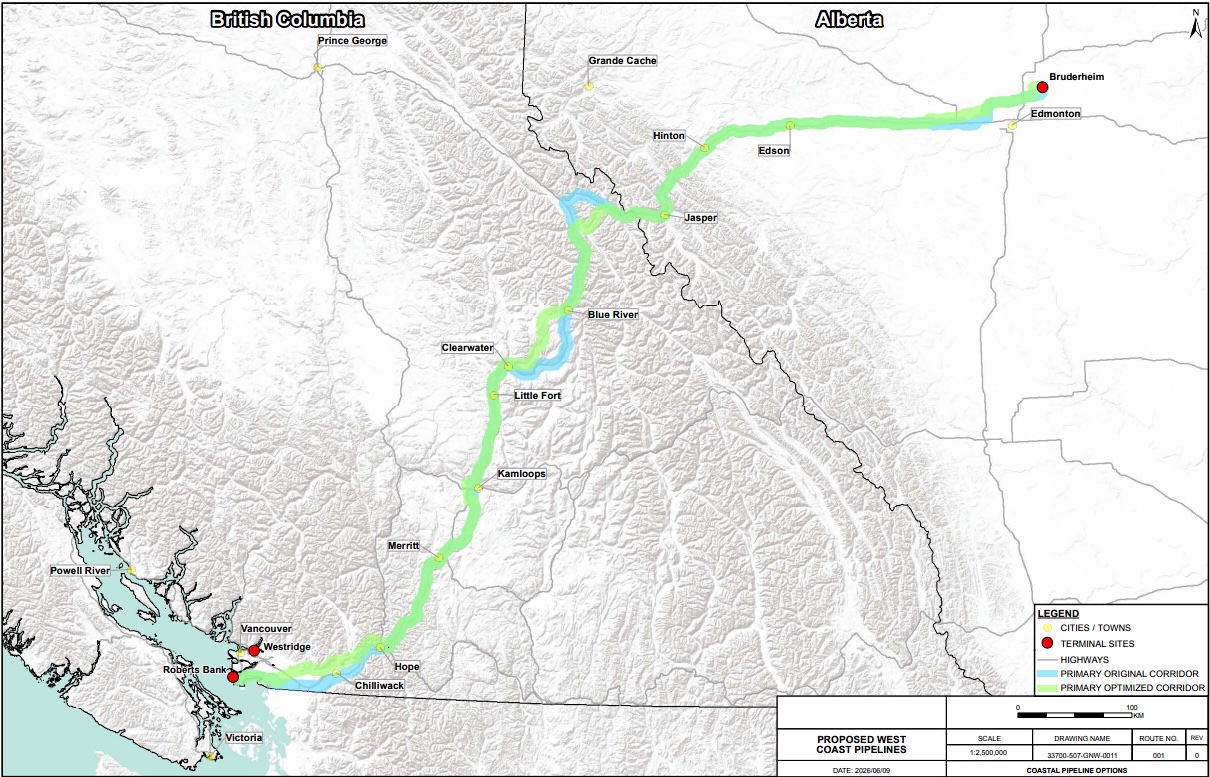
Using publicly available information, the Wilderness Committee produced four maps showing where the proposed pipeline route will cross parks and protected areas, salmon streams, and critical habitat for endangered species. The committee also modelled oil spill and wildfire risks on two additional maps.
Even if the new pipeline follows the Trans Mountain pipeline route, González said it will still disturb highly sensitive ecosystems.
She said the Wilderness Committee is especially concerned about the pipeline’s proposed 286-kilometre deviation from the Trans Mountain pipeline route. That deviation passes through the Fraser Valley, ending at the Fraser River estuary, “one of Canada’s most biodiverse places.”
“We truly don’t know how this is going to be built without encroaching into protected areas, into farmland,” she said.
Mélany Gauvin, media relations spokesperson for the Privy Council Office, the operations and advisory hub for Carney and his cabinet, told The Tyee that the pipeline will still receive a review as part of the expedited approval process.
That will include public hearings, which will review and assess “technical, environmental, social, cultural, health, safety, and security elements of the project, as well as potential adverse effects on the rights of Indigenous Peoples,” she said.
Additional study shows ‘potential habitat conflicts’ with endangered species
The Wilderness Committee’s analysis follows a new scientific study showing 163 endangered or threatened species face “potential habitat conflicts” with the pipeline and 17 other proposed major projects in Canada.
The critical habitat of 45 federally listed species — habitat scientists deem essential for the species’ recovery and survival — falls within these major project footprints, including habitat for white sturgeon, woodland caribou, and whitebark pine.
The study, led by researchers at the University of British Columbia and the University of Victoria, concluded that the new oil pipeline, now called the Pacific Link project, is “particularly problematic.”
Researchers found that the project’s footprint overlaps with 110 species either threatened with extinction or endangered, including southern resident killer whales, northern spotted owls, and marbled murrelets.
The study’s lead author, Miao Li, told The Tyee that further habitat loss could have irreversible consequences for at-risk species with restricted ranges, such as the Pacific water shrew, Oregon spotted frog, and coastal giant salamander.
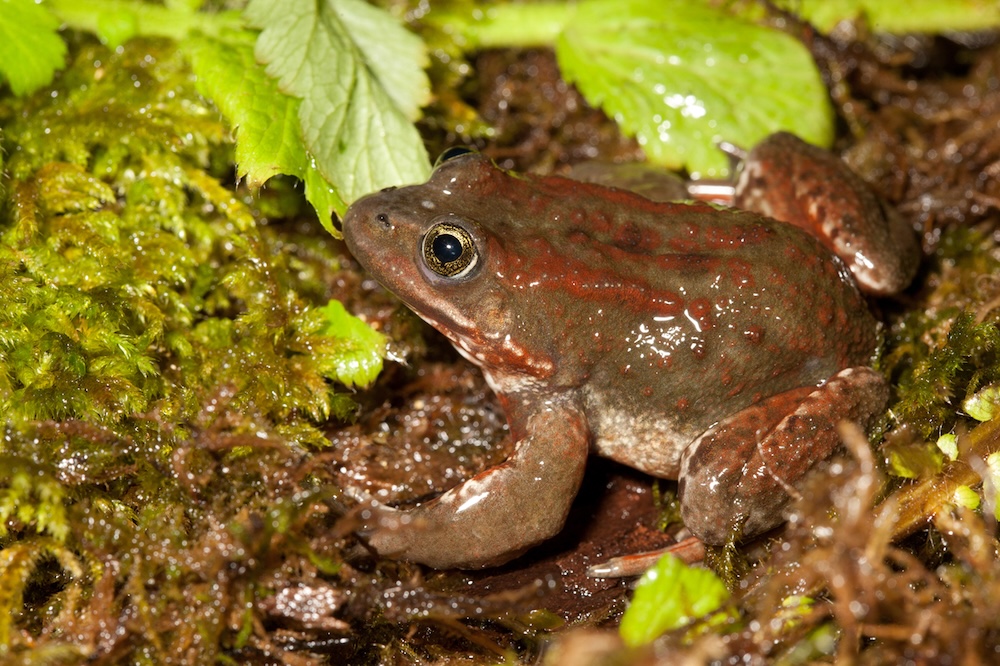
She said it’s “quite concerning” that the proposed pipeline route overlaps with the mapped Canadian ranges of these species.
“What may seem like a very small area on a map could represent a substantial part of the remaining habitat of an endangered species,” Li said.
Further habitat loss, degradation or fragmentation could leave the shrew, frog, and salamander with “very few suitable places to live,” making their recovery and survival even more difficult, she said.
The pipeline would also overlap with ‘freshwater ecosystem’ hotspots
Li and her colleagues also found 72 per cent of major project footprints “disproportionately” overlap hotspots for at least one of three ecosystem services: freshwater provision, carbon storage, and nature-based recreation.
The Pacific Link pipeline would traverse “a large area of freshwater ecosystem service hotspots and a lot of nature-based recreation hotspots,” Li noted.
“I think we need to recognize how much we depend on nature in our daily lives,” she said.
Li said fast-tracked approvals for the pipeline and other major projects could cause irreversible biodiversity loss, especially for wildlife with incomplete protections. Some species have been scientifically assessed as threatened or endangered but are not legally listed under Canada’s Species at Risk Act.
Many species along the pipeline project route, such as southern resident killer whales, face multiple threats, and further development could add to those pressures, Li said.
The researchers are particularly concerned about Bill C-39, also called the Build Canada Strong Act, saying it could undermine Canada’s conservation commitments.
These commitments include the Carney government’s 2026 nature strategy, A Force of Nature, which emphasizes the importance of developing infrastructure that works with nature rather than against it.
Scientists and conservationists are calling on the Carney government to amend Bill C-39, which would expand fast-tracked approvals from individual projects to entire regions and significantly weaken Canada’s environmental safeguards.
Li said the bill could lead to important ecological risks being overlooked, potentially threatening the survival and recovery of vulnerable species.
“We can change our development plans and our policies, but extinction is irreversible,” Li said.
Finding ways to accelerate development while facing the twin environmental challenges of climate change and biodiversity loss is not just a Canadian issue, but a global challenge, she pointed out.
“The question is, ‘How can we meet our economic needs without further damaging the natural systems we depend on?’”
Faster project approvals should come from better planning and coordination, not from weaker environmental protections, she noted.
“I hope Canada can show the world how economic development and biodiversity conservation can go hand in hand. After all, protecting nature is itself a matter of national interest.”
Projected areas the pipeline will cross
The Wilderness Committee’s analysis found the proposed pipeline route will cross five major projected areas, including Jasper National Park in Alberta and Mount Robson Park and the Lac du Bois Grasslands protected area in B.C.
It will also cross eight smaller protected areas. They include the Campbell Heights Biodiversity Preserve in Surrey, near a recently designated key biodiversity area for endangered Salish suckers, North Thompson River provincial park, close to Clearwater B.C., and the Lower Mainland’s Boundary Bay wildlife management area for migrating and over-wintering birds.
González said protected areas are supposed to “ensure there is an area free of disturbance for endangered species.”
Supertankers carrying oil from the pipeline will also transit the Tang.ɢ̲wan — ḥačxʷiqak — Tsig̱is Marine Protected Area off the west coast of Vancouver Island, described by the federal government as “home to remarkably abundant and diverse marine wildlife.”
“There is nothing protecting marine ‘protected areas’ from the dangers of an oil spill,” González said, adding that the public may never know the “true danger” of oil spills because the Carney government exempted the Pacific Link project from a standard environmental assessment.
The Pacific Link pipeline will cross 208 significant streams in Alberta, including seven Athabasca River tributaries with at-risk rainbow trout populations, and 384 streams in B.C., including the 76 salmon streams, according to the Wilderness Committee’s analysis.
B.C.’s Pacific salmon populations have been in steep decline for decades, González noted.
“Some runs are in danger of disappearing from B.C. forever, and these streams are essential for the recovery of wild Pacific salmon,” she said. “This pipeline will threaten those critical streams, including streams that are essential for chinook salmon, which are the main prey for southern resident orcas.”
The federal and Alberta governments each have a 45 per cent stake in the Pacific Link pipeline project, while Pembina Pipeline Corporation currently holds a 10 per cent interest. The project will cost an estimated $35 billion to $44 billion to build.
The pipeline is one of two projects the Carney government has designated as “projects of national interest.” The designation means the pipeline is already pre-approved and federal permits will be streamlined. Carney said conditions will be finalized by next September, “clearing the way to get shovels in the ground.”
Instead of receiving a substantial environmental review under Canada’s Impact Assessment Act, the Pacific Link project will be reviewed by the Canada Energy Regulator.
Gauvin of the Privy Council Office said the public hearings about the pipeline will offer a “transparent forum” for Indigenous communities and others, including landowners and the public, to provide feedback on “the conditions that may be applied to the project.”
In response to additional questions from The Tyee, Privy Council Office media relations spokesperson Pierre Cuguen said the “potential” hearing process “could include opportunities for in-person participation.”
He added that details about specific locations and dates will be communicated publicly “in due course.” 
Read more: Environment






Tyee Commenting Guidelines
Please note that email notifications for replies are not currently working due to a software issue which may be resolved in a future update.
Comments that violate guidelines risk being deleted, and violations may result in a temporary or permanent user ban. Maintain the spirit of good conversation to stay in the discussion and be patient with moderators. Comments are reviewed regularly but not in real time.
Do:
Do not: