


 SHARE:
Fire Lake lies 75 kilometres north of Metro Vancouver, near Garibaldi Park. The lake is long and narrow, like a cigar, and framed by a forest with 1,000-year-old yellow cedars and Douglas firs mantled with mosses and lichens.
Five years ago, the B.C. government earmarked the Fire Lake forest as a priority old-growth logging deferral area.
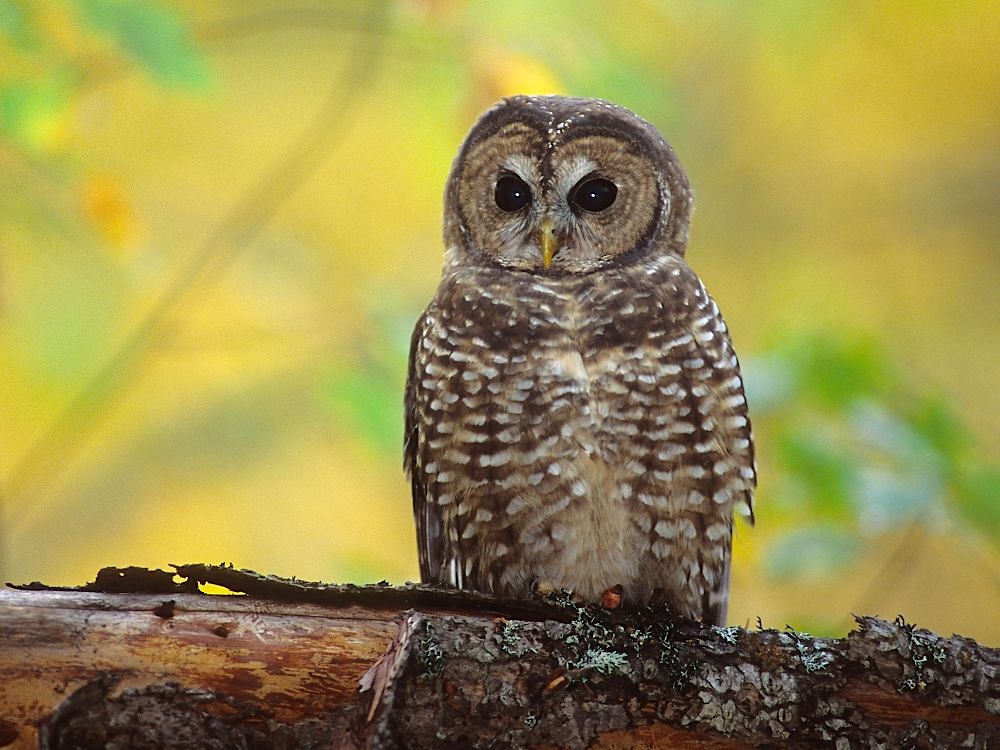
Part of the forest sits in a wildlife habitat area that the government set aside for the endangered northern spotted owl, a raptor distinguished by its chocolate-brown feathers with white spots and dependence on old-growth woods.
The forest is also federally designated critical habitat for spotted owls — habitat that scientists say is essential for the owl’s recovery and survival in Canada.
And at Fire Lake’s northern tip sits a B.C. recreation reserve that was created for public use in 1953.
But none of these designations carried any weight last fall when BC Timber Sales, a government agency, auctioned off about 70 hectares of the forest on the west and north shores of Fire Lake for clearcut logging.
Joe Foy, the protected areas campaigner for the non-profit group Wilderness Committee, drove along freshly bulldozed roads to shoot photos and video of the forest and document recent logging.
He and a colleague found “a remarkable old-growth forest,” tumbling streams and waterfalls and postcard vistas of the snow-splattered Coast Mountains in Garibaldi Park.
They also found that four out of 10 logging areas BC Timber Sales auctioned to a private logging company were already clear cut, while a fifth was partially logged.
The other five areas around Fire Lake slated for logging, including in the wildlife habitat area, were still intact.
Foy said it’s shocking that the B.C. government is targeting a priority old-growth deferral area, wildlife habitat area, recreation reserve and critical spotted owl habitat.
“The province is logging their own wildlife habitat area for spotted owls,” he said, calling the situation “an emergency.”
“It’s really maddening, but they’re getting away with it.”
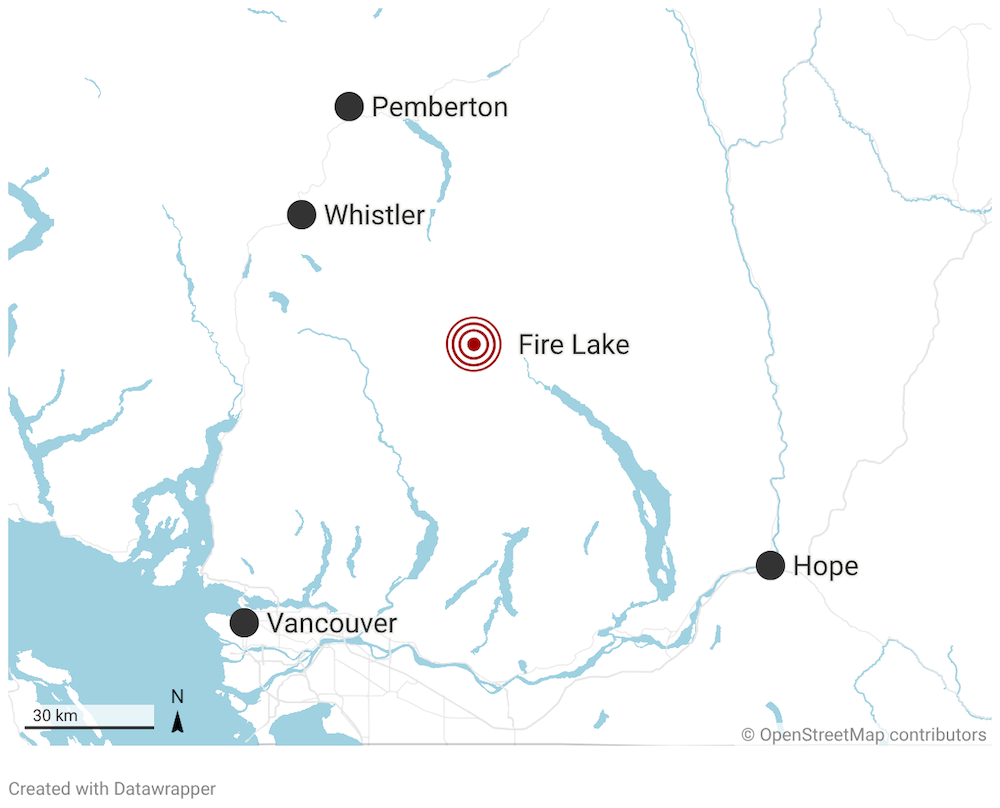
When Foy and his colleague combed through B.C. government websites and maps, they discovered the forest around Fire Lake is far from the only federally designated critical habitat for spotted owls that Premier David Eby’s government has slated for logging.
They found the government has issued permits to log 2,350 hectares of the spotted owl’s critical habitat in southwest B.C. since 2023 — the same year that Ottawa released proposed critical habitat maps as part of an effort to recover owl populations. The total area is about the size of six Stanley Parks.
“As soon as that habitat was identified, B.C. rushed in and started logging,” Foy said.
Fire Lake’s forest was home to spotted owls
Spotted owls recently went extinct in Canada’s wild, following decades of industrial logging in old-growth forests in southwest B.C., where the owl nested.
As spotted owl populations dwindled over the years, the owl faced a new threat.
Barred owls, a larger, more aggressive owl that competes with the spotted owl for food and territory, hopscotched across the continent — helped by changes to the landscape caused by humans — and flourished in B.C.
Canada’s last wild spotted owl, a female, nested in the Spuzzum Valley near the Fraser Canyon. She disappeared in 2023 and was presumed dead.
Thousands of spotted owls still live in Washington state, Oregon and northern California, where they are listed as threatened with extinction under the U.S. Endangered Species Act that President Donald Trump is in the process of dismantling.
Both the B.C. and federal governments have repeatedly said they are committed to recovering the spotted owl.
To that end, about 40 spotted owls live at a government-funded captive breeding centre in the Lower Mainland, where spotted owl eggs are hatched in incubators and newborn owlets are fed pieces of rat with tweezers.
The B.C. government says it will recover spotted owls by shooting and relocating barred owls from former spotted owl territories such as the Spuzzum Valley, releasing captive-born owls and protecting critical habitat.
But Foy and others question how the spotted owl can ever be recovered if the B.C. government continues to sanction the destruction of federally mapped critical habitat.
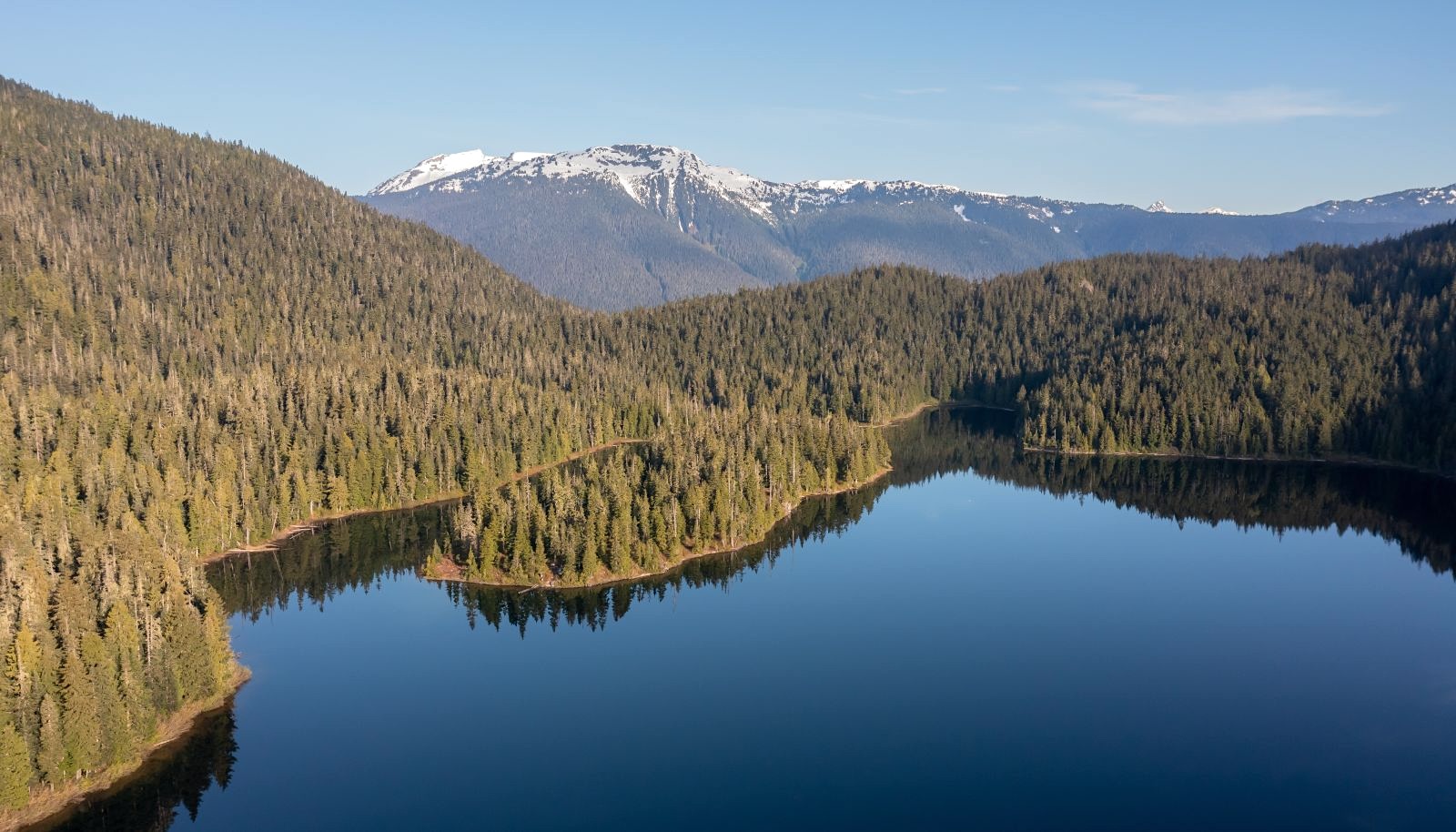
Jared Hobbs, a species-at-risk biologist and former adviser to the Canadian spotted owl recovery team, told The Tyee that the forest around Fire Lake provides ideal habitat for spotted owls.
Hobbs said the forest has large, old trees with deformities and snags where the owls can nest and a multi-layered canopy, with tall, widely spaced trees, for spotted owls to forage.
The pack rats hunted by spotted owls feed on the branch tips of shrubs and small trees such as maples that are part of lush understoreys in old forests.
Hobbs said he’s disappointed and frustrated that the forest, where his research team detected a female spotted owl in 2004, is being logged.
“Why would you condone these activities in habitat mapped by experts, under federal law?” he asked, referring to the critical habitat mapping that is mandated by Canada’s Species at Risk Act.
Hobbs said the mapping amounts to “nothing more than a pretty polygon on a map” if B.C. continues to log it “at a rapid pace.”
B.C.’s Ministry of Forests did not directly answer questions from The Tyee asking why it sanctioned logging in an old-growth forest at high risk of biodiversity loss and in federally designated critical habitat for the spotted owl.
Instead, the Forests Ministry told The Tyee that all cutblocks undergo detailed expert assessments. The ministry said it developed the Fire Lake cutblocks “in partnership with First Nations.”
The government is “working with First Nations towards stewardship that both conserves our important forests and builds a sustainable forest economy,” the ministry said.
The ministry confirmed the Fire Lake logging overlaps with what it calls a “managed future habitat area” for spotted owls. (The area is listed on the government’s website as a wildlife habitat area where logging is permitted.)
The owl’s habitat area is primarily available for timber harvesting opportunities, the ministry said, “while retaining structural attributes to maintain options to become future spotted owl habitat.”
The ministry said those structural attributes include keeping at least 40 out of 80 of the largest-diameter trees.
BC has no endangered species legislation
The Fire Lake logging points to larger issues that are contributing to the unprecedented loss of nature in B.C., at a time when the World Economic Forum lists biodiversity loss and ecosystem collapse as the second-biggest risk the world faces in the next 10 years.
Despite repeated promises to safeguard old-growth forests at the highest risk of biodiversity loss, the B.C. government is quietly removing forests from old-growth deferral areas around the province and approving logging.
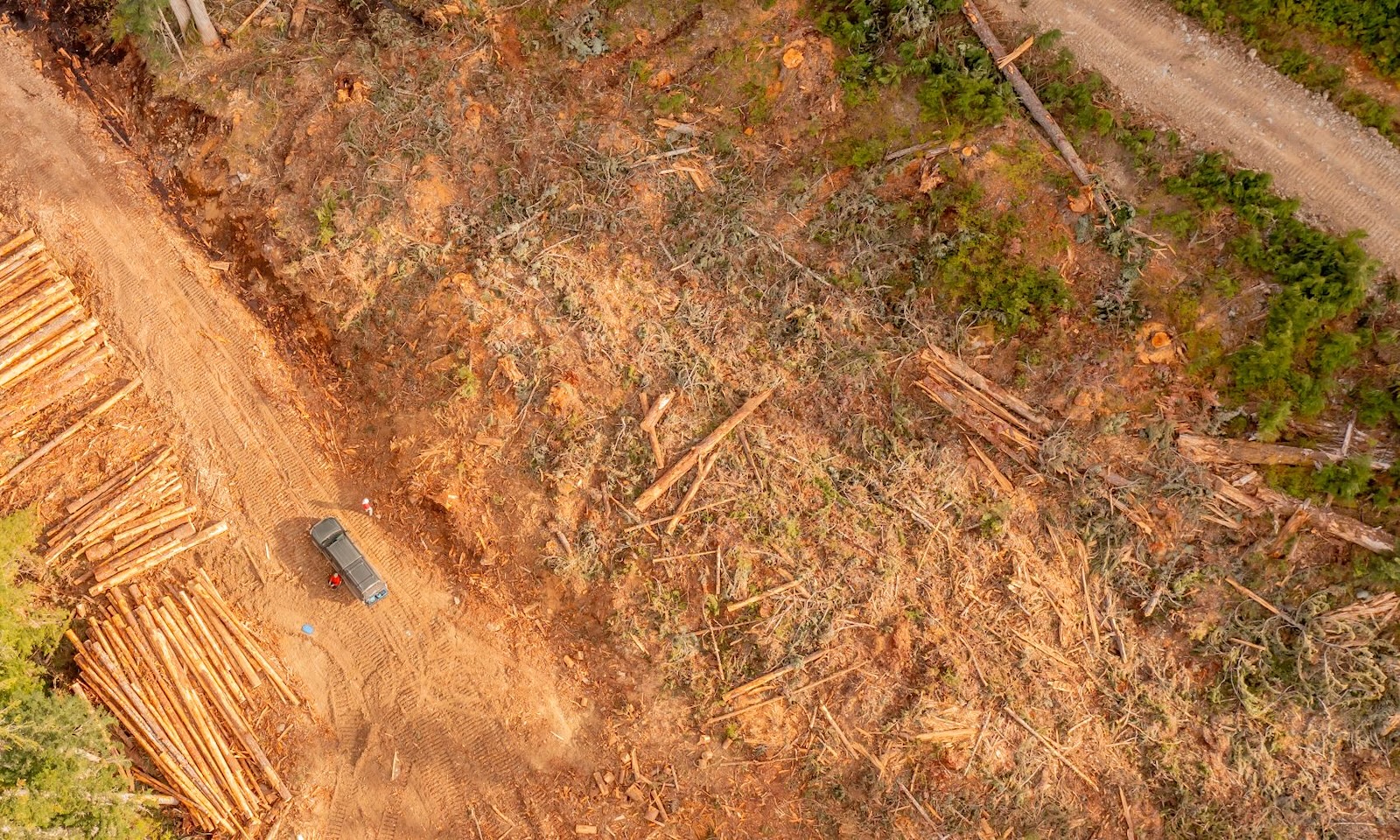
As it sanctions new old-growth logging, the B.C. government continues to ignore federal critical habitat designations for the spotted owl and other struggling species that rely on old forests for food and shelter, including mountain caribou.
“This is not a one-species problem,” Hobbs said. “It’s a systemic problem.”
Yet it doesn’t appear that Mark Carney’s government, eager to garner provincial support for “nation-building projects” such as a new pipeline to the West Coast, will be coming to the rescue of spotted owls or any other listed species in B.C.
In May, Carney proposed to allow major projects to proceed even if they result in wildlife extinctions.
Carney aims to give federal cabinet the power to exempt certain projects from the “jeopardy test” — a safeguard in Canada’s Species at Risk Act that prohibits Ottawa from authorizing projects or actions that would harm listed species and their critical habitats if it would imperil their survival.
About 600 species, including spotted owls, are currently listed under the act.
Keean Nembhard, press secretary for Julie Dabrusin, federal minister of the environment, climate change and nature, told The Tyee that the federal government is “committed to the protection and recovery of Canada’s species at risk.”
Ottawa “works collaboratively with provinces and territories to advance conservation and recovery actions,” Nembhard said.
But Nembhard was also clear that B.C. holds responsibility for managing lands and wildlife on provincial lands, which host the vast majority of spotted owl critical habitat.
Canada’s Species at Risk Act automatically applies only to federal land — about one per cent of B.C., including national parks and military bases.
The BC NDP promised to enact stand-alone legislation to protect at-risk species on provincial land, but it didn’t follow through.
‘Species are literally disappearing’
As the Wilderness Committee sounds the alarm about Fire Lake logging, the B.C. government’s experimental release of captive spotted owls has suffered numerous setbacks.
The first release took place in 2022, when three male owls born at the breeding centre were outfitted with radio telemetry and GPS tags attached to tiny harnesses and released near the Fraser Canyon.
Two died and the third, which was found injured, was returned to the breeding centre.
An additional nine owls were released from 2023 to 2025, according to a B.C. government report. Six died and one was returned to the breeding facility. It’s not known if the remaining two owls survived last winter.
Two owls released in 2024 died from starvation and predation, while two released in 2025 perished due to “failure to thrive” and a collision with a train, the report says.
Foy questioned how “partial protections” and wildlife habitat areas where logging is permitted will help spotted owls recover, calling them “about as good as a partially built bridge.”
“You could try to use a partially built bridge, but you’re going to end up in the drink.”
He said he’s hiked through some areas the B.C. government claims it has set aside for spotted owls.
He described those areas as “mostly clear cut with little tufts of trees left on them” and “a death trap for spotted owls,” which require forest cover for foraging and shelter from predators and for juveniles to move safely to new territories.
The B.C. government claims it is safeguarding species at risk of extinction, Foy said, but “species are literally disappearing as they talk.” ![[Tyee]](/design-article.thetyee.ca/ui/img/yellowblob.png)
Read more: Environment











Tyee Commenting Guidelines
Please note that email notifications for replies are not currently working due to a software issue which may be resolved in a future update.
Comments that violate guidelines risk being deleted, and violations may result in a temporary or permanent user ban. Maintain the spirit of good conversation to stay in the discussion and be patient with moderators. Comments are reviewed regularly but not in real time.
Do:
Do not: