


 SHARE:
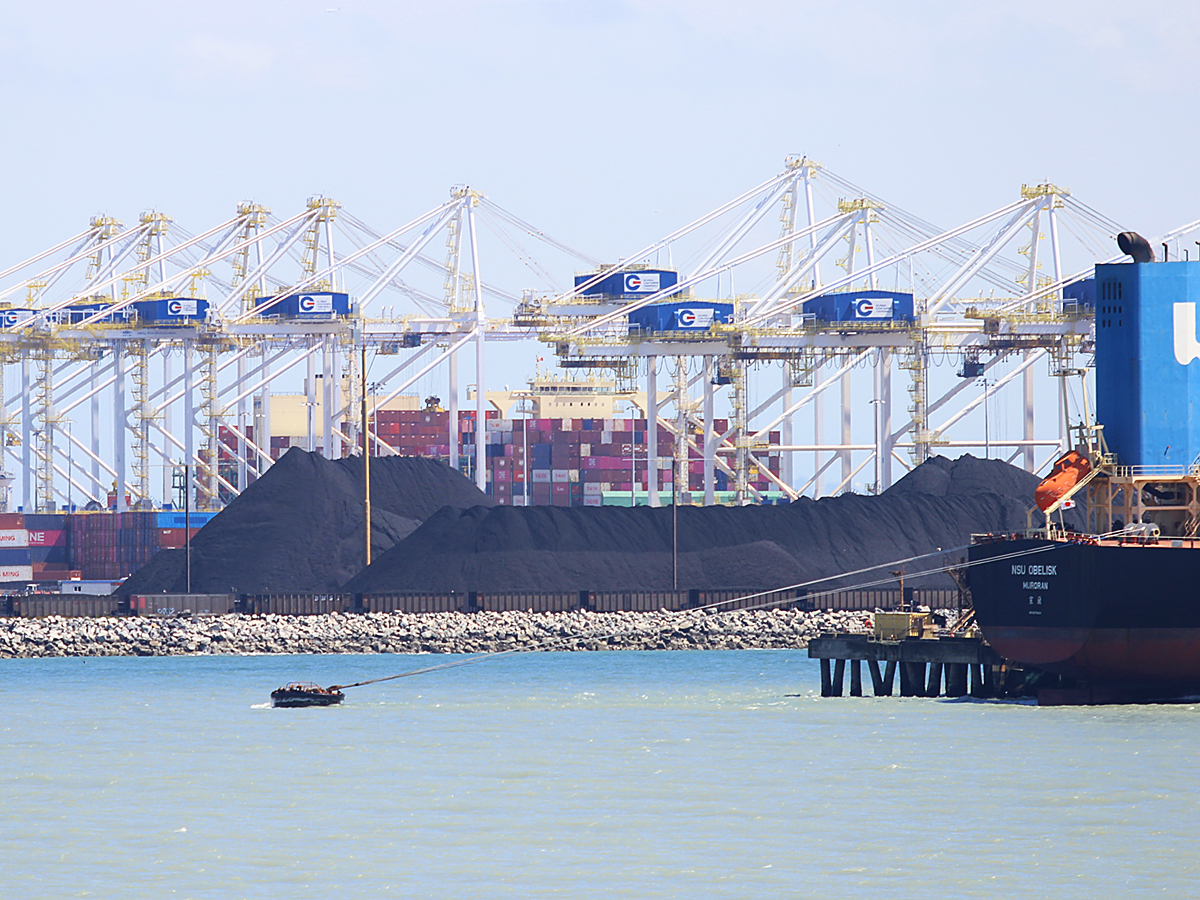
The state of Washington is urging the Mark Carney government not to fast-track the new West Coast oil pipeline, saying shared waters are “too valuable” to expedite a project that could lead to a catastrophic oil spill and harm ecosystems and the maritime economy.
In a Sept. 18 letter to the government, Casey Sixkiller, director of the state’s Department of Ecology, wrote that the proposed pipeline would double the volume of crude oil exported through the Salish Sea.
“Not only would this increase the risk of an oil spill exponentially, but the spill response resources available on both sides of the border are not sized for the risks” posed by larger oil tankers travelling more frequently, Sixkiller wrote in the letter to Dominic LeBlanc, minister for Canada-U.S. trade, intergovernmental affairs, internal trade and One Canadian Economy.
The Tyee received a copy of the letter, which is not public, from a source who requested anonymity because they were not authorized to share it.
The Tyee sent requests for comment to LeBlanc, Canada’s Privy Council Office and Washington’s Department of Ecology but did not hear back by press time. If and when we receive comment, we will update this story.
The Privy Council, headed by LeBlanc, is the secretariat for Carney and his cabinet.
Ottawa is expected to decide this week if the new pipeline will be designated a project of national interest, with streamlined approvals overseen by Canada’s Major Projects Office and an accelerated timeline. The Carney government has already removed pipelines from environmental impact assessments under Canada’s Impact Assessment Act.
Sixkiller, whose department is the lead agency in Washington state for oil spill prevention and response, wrote that an oil spill from a very large crude carrier could be up to eight times larger than the 1989 Exxon Valdez spill in Alaska and impose “catastrophic environmental and economic consequences for our state.”
Just one major oil spill would jeopardize livelihoods on both sides of the border, “pose irreversible harm to the ecosystems we have worked hard to protect” and threaten tribal treaty-protected resources in the United States, he told LeBlanc.
The proposed pipeline would move one million barrels of crude oil a day from Roberts Bank, close to the Washington border, and allow a very large crude carrier to load every two days, Sixkiller wrote, noting tankers of this size are “unprecedented in the Salish Sea.”
The vessels would cross through Washington waters in the Strait of Juan de Fuca, Haro Strait and Boundary Pass, and along a shared border that is “home to some of the most unique temperate rainforests and island ecosystems on the planet,” Sixkiller wrote.
The area is one of the narrowest and most challenging sections of the Salish Sea to navigate, Sixkiller wrote, and the effects of an oil spill would be exacerbated by strong currents.
He told LeBlanc that the state of Washington is also concerned that a terminal capable of loading very large crude carriers could encourage ship-to-ship transfers from smaller tankers onto the carriers, “which would introduce an additional spill pathway.”
Additional time is required to understand the oil risks of the project and to plan spill risk reduction and preparedness measures if it is approved, Sixkiller wrote.
The new West Coast oil pipeline was announced in early July by Prime Minister Carney and Alberta Premier Danielle Smith, who said the project would help Canada become an energy superpower.
Carney referred the pipeline to Canada’s Major Projects Office, which began the process to list it as a project of national interest. Such a designation means the project would undergo a fast-tracked environmental review in less than a year.
Sixkiller wrote that his department is especially concerned about endangered southern resident killer whales, which live in U.S. and Canadian waters.
Vessel noise that interferes with the whales’ echolocation and foraging, along with the “ever-present risk of a strike or a spill,” are among the most significant threats to their survival, he noted.
Increasing large-vessel traffic through the whales’ core critical habitat in Haro Strait and Boundary Pass, at a time when governments on both sides of the border are investing heavily in their recovery, “risks undoing years of binational conservation work,” Sixkiller wrote.
He also told LeBlanc that multiple tribes in the United States rely heavily on cultural, subsistence and commercial resources provided by the Salish Sea.
Washington tribes, including the Tulalip Tribes, hold treaty-protected fishing areas stretching from Neah Bay to Point Roberts, and the state shares their concern that increased vessel traffic and spill risk could affect access to those areas and resources, he wrote, adding that “the impact of an oil spill knows no boundaries.”
The Tyee sent a request for comment to the Tulalip Tribes but did not hear back by press time.
In Washington alone, recreation and tourism tied to Puget Sound generates about US$5 billion in gross domestic product annually, while the marine industry — including fishing fleets, ports and seafood processors — generates about US$46 billion a year. The shellfish industry contributes approximately US$180 million annually and supports thousands of direct and indirect jobs, the letter noted. ![[Tyee]](/design-article.thetyee.ca/ui/img/yellowblob.png)
Read more: Energy, Environment






Tyee Commenting Guidelines
Please note that email notifications for replies are not currently working due to a software issue which may be resolved in a future update.
Comments that violate guidelines risk being deleted, and violations may result in a temporary or permanent user ban. Maintain the spirit of good conversation to stay in the discussion and be patient with moderators. Comments are reviewed regularly but not in real time.
Do:
Do not: