


 SHARE:
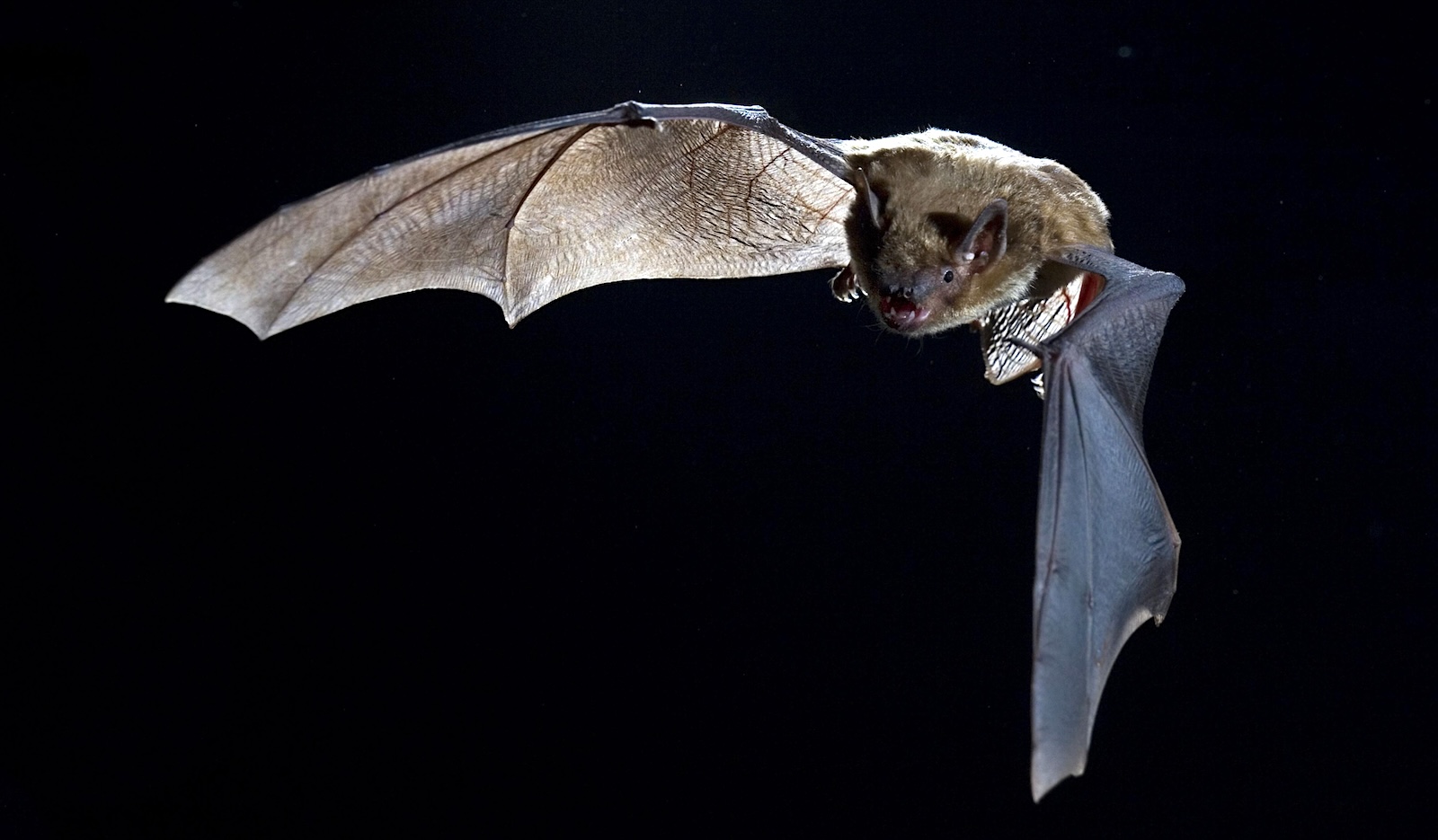
British Columbia has seen a spike in potential human rabies exposures in 2026, with 1,598 potential exposures compared with 931 potential exposures in 2025, according to the BC Centre for Disease Control, or BCCDC.
A potential human rabies exposure means there’s a risk that a person has been exposed to rabies, so they receive treatment to prevent the disease from developing. This number may capture people who were exposed to animals who did not carry the disease but were given treatment just to be safe.
A person is considered to have rabies once they start showing symptoms. Once this happens there is no treatment. The disease is nearly always fatal, with a few very rare exceptions.
Over the last 104 years there have been only 28 human rabies cases in Canada, the BCCDC said. Two of them were in B.C. Rabies deaths are much higher in countries with higher incidences of dog bites, in particular in poorer, more rural communities that don’t have adequate access to post-exposure treatment.
The United States is also reporting an increase in potential human rabies exposures this year, but not an increase in rabies cases.
It’s not clear if the increase in potential exposures is because more people are coming into contact with potentially infected animals or if there’s more public awareness about the importance of seeking medical attention after potential exposure, the BCCDC said in an emailed statement.
The number of rabies cases in bats does not appear to be increasing, so “there is no reason to believe there is an increased risk of rabies infection” in B.C. or elsewhere in Canada, the BCCDC said.
In B.C. any physical contact with a bat is considered an exposure because one in 200 bats can carry rabies. If the bat is captured, is tested and is negative, it is no longer considered an exposure.
Bats are the only wild animal in B.C. that carries the disease and is not killed by it. In the Prairies, skunks can carry rabies. In Eastern Canada, racoons and foxes also carry the disease, and in parts of the United States opossums can live with the disease, Heather James, a small-animal veterinarian in Prince George and a board member of the Society of BC Veterinarians, told The Tyee.
Symptoms can take three to eight weeks to develop after exposure. Once symptoms start, the disease is always fatal in humans and pets, James said.
But medical intervention can prevent the disease from developing.
After a potential exposure, the wound or area of contact should immediately be washed with soap and water for at least 15 minutes, according to HealthLink BC.
Next, a person should seek immediate care from a health-care provider, who will assess and decide if the person needs rabies immune globulin and/or the rabies vaccine.
If administered early, these measures almost always prevent a person from developing rabies.
The BCCDC recommends that bat researchers, veterinarians and other people who may come in contact with the virus get the rabies pre-exposure vaccine.
In B.C. there are no provincial rabies vaccine mandates, the BCCDC said.
Some employers may, however, require vaccines as part of occupational health and safety policies.
In Ontario and parts of the United States, rabies vaccines are mandatory for pets, James said. In B.C., many veterinary hospitals, boarding facilities and groomers will also require pets to be vaccinated to protect staff, she added.
Public awareness about rabies is high right now because of a CBC article published this summer about an 11-year-old boy in Ontario who died from rabies in 2024, the BCCDC said.
There are no other trends in bat and animal populations that would help explain the increase in potential rabies exposures, it added.
Rabies vaccines for pets
The American Animal Hospital Association recommends that all pets, regardless of whether they are indoor or outdoor pets, be vaccinated against rabies, James said. This protects pets if a bat ever gets in the home, or if a cat or dog comes home with a bat in its mouth.
When a pet comes home with a bat, it’s recommended to take the bat to a veterinarian so it can be tested for rabies. Over the summer this process identified two bats, brought home by cats, that had rabies in Courtenay and Campbell River, said Leanne Kelly, a registered veterinary technologist at Van Isle Veterinary Hospital.
The cats were given post-exposure treatment and did not develop rabies, but the cases have created a spike in pet owners wanting to vaccinate their pets against the disease, Kelly said.
Many pet owners will vaccinate their pets but skip the rabies vaccine because they don’t think it’s necessary, she said. She estimates that over the summer her clinic saw a 20 per cent increase in pet owners asking for their pets to be vaccinated and a 20 per cent increase in pet owners calling to ask if the rabies vaccine is available.
“I think it’s going to continue to go up as people get more and more aware that the rabies risk is real,” she said.
While people occasionally post misinformation about pet vaccines on social media, veterinarians and vet techs in Prince George, Courtenay and Kelowna told The Tyee they rarely meet pet owners who are outright hostile to them or refuse all vaccines for their pets.
Most people are just “conflicted” and overwhelmed by all of the information, and misinformation, on the internet, James said.
Pet owners will say they’re worried the antigen in the vaccine can cause an allergic reaction in their pet, she said. But that’s misrepresenting the situation a little.
An antigen is any substance that can be recognized by an immune system. Antigens are in everything, including cheeseburgers, vaccines and toothpaste. An immune system decides to react or not react every time it is exposed to an antigen, and it is exposed to thousands of antigens every day.
There’s only one antigen in a rabies vaccine for the body to potentially react to, which is a fraction of the number of antigens in a cheeseburger, James added.
James and Kelly said breeders seem to be a source of pet vaccine misinformation, telling new pet owners what vaccines they should and shouldn’t give their pets.
However, pet owners are generally open to talk with veterinarians about their concerns, and the majority of them fully vaccinate their pets.
Marco Veenis, a veterinarian at Okanagan Veterinary Hospital who has been practising since 1988, said he’s seen vaccine hesitancy growing over the last decade. He said this is likely due to the rise of social media and online misinformation.
Patients will say they don’t believe in vaccines, but when you ask them why, they don’t have an answer, he said.
Vets will recommend vaccines based on a pet’s lifestyle, for example if they go to a dog park or travel internationally, Veenis said, but ultimately it’s up to the pet owner to decide what shots their pet gets.
“It’s not my job to tell them what to do. It’s my job to make sure they can make a properly informed decision,” he added.
James said it’s recommended that puppies and kittens be vaccinated for rabies when they are as young as three months old, again at one year and then every three years. The vaccine costs about $30. With a vet fee and other charges, for example the cost of other vaccines, a visit may cost between $125 and $200.
James has seen rabies in cats and dogs, and in horses and cattle when she worked in Saskatchewan.
“Sometimes they can’t swallow or walk,” she said. “It’s just really scary.”
If an unvaccinated pet is potentially exposed to rabies, a vet will follow BCCDC guidelines to determine if the pet can be given a post-exposure vaccine, if they need to quarantine the pet or if they must euthanize it. Pet owners and people who came in contact with the pet will also have to be assessed by a health-care provider.
The province’s rabies protocols are ultimately designed to keep humans safe.
“We don’t want to lose our cats or dogs,” she said, “but at the end of the day it’s a different kind of tragic when a human dies of rabies.”
Another vaccine-preventable illness that’s becoming more common is leptospirosis, a bacterial disease that causes kidney and liver failure. Leptospirosis tends to have more serious consequences for dogs than it has for cats. The disease is not as common in cats.
Leptospirosis is transmitted through wildlife or rat urine. The American Animal Hospital Association recently declared the vaccine for leptospirosis to be a “core” vaccine for dogs because of its increasing prevalence, James said. No leptospirosis vaccine is currently available for cats. Outdoor cats are more likely to contract leptospirosis than indoor cats, according to the U.S. Centers for Disease Control and Prevention.
Leptospirosis can transfer to humans, where it can also cause kidney and liver failure. ![[Tyee]](/design-article.thetyee.ca/ui/img/yellowblob.png)
Read more: Health, Environment










Tyee Commenting Guidelines
Please note that email notifications for replies are not currently working due to a software issue which may be resolved in a future update.
Comments that violate guidelines risk being deleted, and violations may result in a temporary or permanent user ban. Maintain the spirit of good conversation to stay in the discussion and be patient with moderators. Comments are reviewed regularly but not in real time.
Do:
Do not: