




 SHARE:
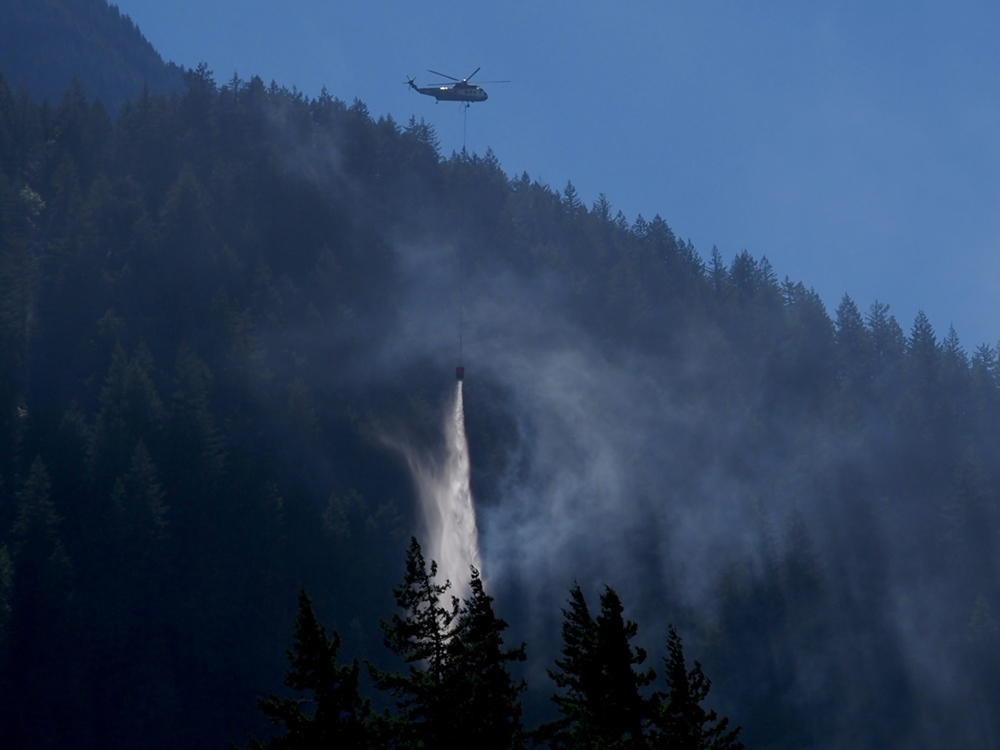
As we bid goodbye to summer and welcome fall, many of us breathe a sigh of relief that another “wildfire season” is winding down. Our skies are clear of smoke again. The days may be shortening, but our hearts feel lighter.
But not all of us made it through unscathed. Over 21,000 people in B.C. were evacuated this summer, many fleeing for their lives in the middle of the night. Hundreds of homes were destroyed. The wildfires presented such a drastic threat that the B.C. government declared a state of emergency on Aug. 8, which lasted for nearly three weeks.
The fires may have dissipated, but scientists warn that “mind-blowing” unprecedented weather disasters are on the horizon.
This fall marks five years since the BC Climate Emergency Campaign came to life, an endeavour that sought to convene civil society organizations and diverse sectors to collectively push the provincial government to increase its climate ambition.
In October 2021, our open letter signed by 200 organizations called for 10 urgent actions the B.C. government should embrace to respond to the climate emergency.
Five years on, over 660 organizations have added their name to that urgent call, yet the state of climate action in B.C. remains grim. Stronger environmental policies have not materialized, and in many ways, the government has been backtracking on its progress.
Indeed, our elected leaders have been pouring fuel on the flames.
Unnatural disasters are a direct consequence of policy decisions
Extreme weather is exacerbated by climate change, and climate change is the direct result of burning fossil fuels: oil, coal, and gas. Yet Premier David Eby seems intent on expanding B.C.’s fossil fuel export capacity.
The province has two liquefied natural gas projects under construction and two more awaiting final investment decisions (in addition to one facility that has been operating since July 2025). If the government has its way, by the mid-2030s, B.C. will be responsible for 130 million tonnes of carbon pollution entering the atmosphere every year, equivalent to the greenhouse gas pollution of 50 countries.
This is dangerous and unacceptable. It will have deadly impacts. The worsening unnatural disasters we are experiencing are the direct consequence of policy decisions that our elected leaders are making. These are choices, big and small, that our politicians make every day that impact the fate of British Columbians and people worldwide — with those least responsible often bearing the worst of the consequences.
The BC Climate Emergency Campaign has spent five years meeting with government leaders, presenting solutions, sharing robust alternatives, and mobilizing diverse sectors to encourage change. We have held press conferences, educated the public on the harms of LNG, mobilized hundreds of organizations, written letters, and produced annual progress reports that evaluate the government’s yearly progress.
But the needle has not moved.
We have an opportunity. BC should take it
Sadly, the playing field is rigged. The power and influence of the oil and gas industry is immense, deploying its lobbyists daily to ensure they get their way.
The government has made their choice. More deadly air pollution. More floods. More wildfires, evacuations, and toxic smoke. More homes burning to the ground.
But the fight continues, even if the BC government remains stuck in the past. Polling is showing climate concern is on the rise.
Worldwide, countries are pivoting their entire economies away from fossil fuels. The hopeful news is that, amidst geopolitical uncertainties and wars, the world is witnessing a global shift towards renewable energy at a pace and scale never seen before.
Investing in community-owned clean energy infrastructure for people in B.C. can create good jobs, keep energy costs low and ensure the profits stay at home — strengthening our independence.
This alternative is still out there, and continuing to organize our communities is essential to building collective power to push for the policies that will make it a reality.
Every tonne of pollution kept out of the global atmosphere makes a difference, and every tenth of a degree of warming prevented will save lives.
As we concluded in our latest climate action progress report: “The B.C. government has an incredible economic opportunity to invest in British Columbians and implement transformative policies that improve affordability, reduce pollution, and create tens of thousands of jobs, all while building healthy, safe communities and protecting the most vulnerable.”
Even with a rigged playing field, the need for climate action and solidarity has never been clearer.
From organizing in our communities and workplaces to continuing to press our elected officials, every one of us has a role in continuing to push for a more just and climate-safe future for all. ![[Tyee]](/design-article.thetyee.ca/ui/img/yellowblob.png)
Read more: BC Politics, Environment







Tyee Commenting Guidelines
Please note that email notifications for replies are not currently working due to a software issue which may be resolved in a future update.
Comments that violate guidelines risk being deleted, and violations may result in a temporary or permanent user ban. Maintain the spirit of good conversation to stay in the discussion and be patient with moderators. Comments are reviewed regularly but not in real time.
Do:
Do not: