

 SHARE:
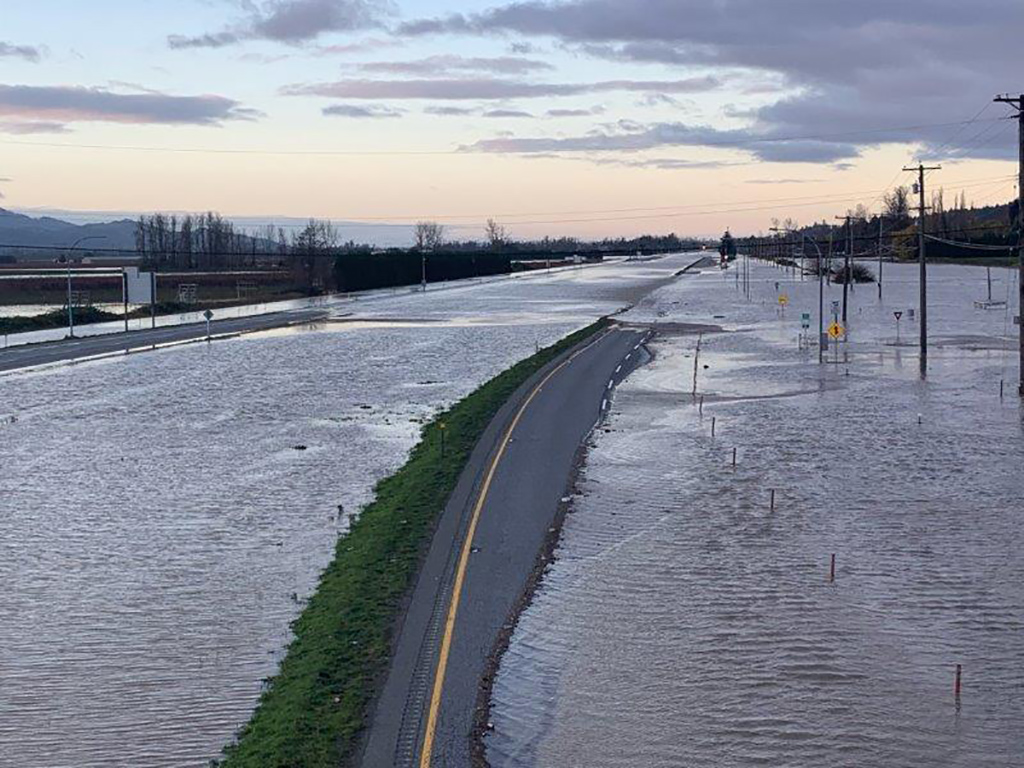
A new report by B.C.’s ombudsperson is calling on the province to provide a more equitable response for those displaced by extreme weather events as the “complexity of large scale and compounding disasters” increases with climate change.
The report, “Fairness in a Changing Climate: Ensuring Disaster Supports Are Accessible, Equitable and Adaptable,” was released earlier this week and found “serious concerns” with how the province delivers emergency services. It calls for a comprehensive strategy and appropriate resources to address the long-term displacement of residents impacted by extreme weather events.
Its findings were based on the study of two deadly weather events that occurred in 2021.
“Tens of thousands of people were displaced across the province as a result and some remain displaced to this day,” B.C. Ombudsperson Jay Chalke wrote in the report, adding that it’s going to be up to the province — and specifically B.C.’s new Ministry of Emergency Management and Climate Readiness — to be better prepared as extreme weather displaces people more often and for longer periods.
“This means communicating clearly, treating everyone with respect, having an effective complaints process, and delivering equitable and accessible service in a timely way,” Chalke wrote. A “one-size-fits-all” approach isn’t creating fair and equitable outcomes for all evacuees, he added.
In June 2021, hundreds of people died in B.C. when a heat dome settled over the province, making it the deadliest weather event in Canadian history. During the extreme heat, the community of Lytton broke temperature records several days in a row before a wildfire tore through the community, destroying 90 per cent of it. More than two years later, the village is just beginning to rebuild.
Then, just three months later, the Lower Mainland experienced catastrophic flooding when an atmospheric river passed over the region in mid-November, dropping record amounts of rainfall. Five people died in landslides, and Metro Vancouver’s transportation routes were cut off for several days.
The ombudsperson’s report cites reporting by The Tyee contributors Francesca Fionda and Michelle Cyca that followed the disasters. Last year, Cyca wrote about the revitalization of Indigenous wildfire practices as a means to reduce wildfire risk.
Fionda’s reporting analyzed six years of data showing the average length of time people are evacuated in B.C. exceeds three weeks. That’s longer than the province is prepared to support evacuees, experts told Fionda. B.C.’s minister of emergency management and climate readiness, Bowinn Ma, acknowledged that emergency support services “were designed in a time before the realities of climate change.”
Fionda’s report was part of an investigative series published in The Tyee earlier this year called Bracing for Disasters, which examined how to support evacuees and improve safety in the face of more extreme weather events. The series was the recipient of the inaugural Lieutenant Governor’s BC Journalism Fellowship and resulted in a panel discussion about community resilience in the face of climate change. It is currently shortlisted for a Webster Award.
The Tyee’s founding editor, David Beers, said the common theme of examining solutions in the wake of extreme weather events will be increasingly important as climate change intensifies.
“We’d seen the devastating force of climate-related disasters. Lytton destroyed by fire. Thousands flooded out. We wanted to learn from displaced survivors and experts not only what went wrong with support, but whether B.C. was ready for a lot more of these events and, if not, what changes were needed,” Beers said.
“That’s the ambitious investigation Francesca Fionda led for The Tyee, and it’s gratifying now to see that Tyee reporting cited in the ombudsperson’s report and echoed in some of its recommendations.”
Fionda’s series culminated in 15 lessons learned from the reporting, many of them — like the value of volunteers, better engagement with regional and First Nations governments and recognizing the unique cultural needs in Indigenous communities — reflected in the ombudsperson’s recommendations.
Chalke’s report reviewed how two key provincial programs, both administered by Emergency Management BC, performed in the wake of the 2021 disasters: Emergency Support Services, which provides short-term financial support, and Disaster Financial Assistance, which helps those who are under- or uninsured rebuild homes. It suggested the province strengthen ESS support and provide more timely decisions and better communication for its DFA program. It also recommended B.C. “reassess insurance availability” for residents.
Most of the ombudsperson report’s recommendations relate a closer working relationship between the province and regional and First Nations governments. They call on the ministry to sharpen its delivery of emergency services through things like improved communications, better staffing, more appropriate lodging for evacuees, mental health supports and better reporting on service delivery.
The report also recognized that extreme weather events affect certain groups disproportionately, more severely impacting those “disadvantaged by colonialism, systemic inequity and structural discrimination.” Indigenous communities are more likely to be displaced by extreme weather, it said.
As a result, it called for increased capacity building and better funding for Indigenous-led emergency response and recovery, as well as incorporating cultural safety into emergency support systems, and recommended collecting socio-demographic data and increasing accessibility at provincial reception centres.
In an email to The Tyee, B.C.’s emergency management ministry said it has already accepted all 20 recommendations. It added that it had made improvements to emergency response since 2021, including making DFA and ESS more accessible.
“The ombudsperson’s report reflects what we already know about climate emergencies — that certain groups, notably Indigenous Peoples, women, people who are gender diverse, the elderly, people with disabilities, and low-income, homeless and vulnerably housed people — are more adversely affected by these events than others,” Ma said in the statement.
“Many of the recommendations identified in the ombudsperson’s report have also been identified by EMCR through after action reviews. Our government has made significant enhancements to B.C.’s emergency and post-emergency services since 2021, with more work underway — and we know there’s more to do.” ![[Tyee]](/design-article.thetyee.ca/ui/img/yellowblob.png)
Read more: Rights + Justice, BC Politics, Environment, Urban Planning





Tyee Commenting Guidelines
Comments that violate guidelines risk being deleted, and violations may result in a temporary or permanent user ban. Maintain the spirit of good conversation to stay in the discussion and be patient with moderators. Comments are reviewed regularly but not in real time.
Do:
Do not: