

 SHARE:
Will it be a good tomato year? Will it be a good summer for peaches? Tyee staffers certainly hope so. But only time will tell.
Thankfully, books are remarkably adaptable. If it’s warm and sunny, you can read ’em on the beach. If it’s rainy and cold, a coffee shop makes for a cozy spot.
Below, we’re offering a crop of 32 book recommendations from Tyee reporters, editors and contributors. From novels to memoirs to reportage, these books will inspire you politically, share a new perspective, offer a moment of respite or even allow for some delicious escapism.
Have you read a good book lately? Tell us in the comments below.
For your loved one who drives past construction sites, wondering who works there:
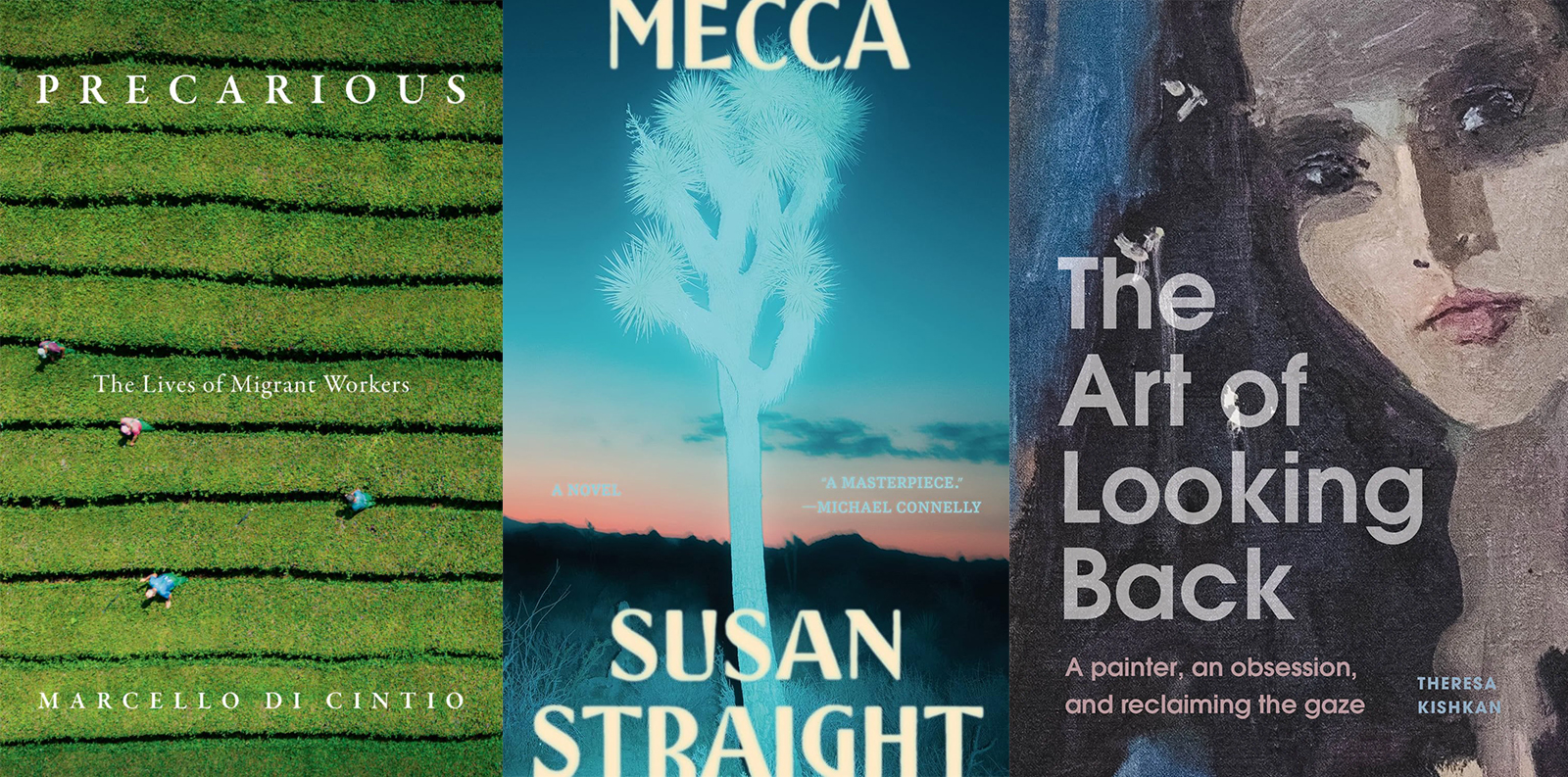
Precarious: The Lives of Migrant Workers
Marcello Di Cintio
(Biblioasis)
In a stirring work of non-fiction that pulls back the curtain on the lives of migrant workers in Canada, Calgary journalist and author Marcello Di Cintio invites readers to contemplate big questions about nationhood, national identity and how Canada came to be.
“Is our country worth it?” he wondered aloud in an interview with Tyee contributor Ximena González. “Our actions impose a vulnerability and precarity on [migrant workers] before they even reach our borders.” In Precarious: The Lives of Migrant Workers, Di Cintio sheds light on the realities of migrant workers in Canada, inviting readers to rethink the assumptions they may hold about who they are.
“I think the average Canadian believes that migrant workers are just the Mexican or Jamaican guys working in a greenhouse, not the construction worker, not the manager at the cannabis shop, not the dishwasher,” he told González. “There’s a lot of misconceptions of what it means to be a migrant worker. Canadians need to listen to their stories and acknowledge who migrant workers are.”
For your sister who’s raising her kids on her own:
Mecca
Susan Straight
(Farrar, Straus and Giroux)
This powerful, almost Dickensian novel made from interlocking short stories describes a multi-ethnic community of families whose ancestry includes Indigenous, Black, Mexican, Asian and European Americans, living and working in small towns (like Mecca) in Riverside county, California, east of Los Angeles. They know their family histories, struggle to avoid ICE and support one another against a system that wants to destroy them. When you finish Mecca, you’ll miss the characters like Johnny Frias, Bunny and Ximena — and you’ll feel like one of the family.
For everyone who enjoys browsing the portrait section at the art gallery:
The Art of Looking Back
Theresa Kishkan
(Thornapple Press)
“I was learning that people understood I attracted older men, not the young guys I wanted to date, but men the ages of their fathers,” Theresa Kishkan writes in The Art of Looking Back. It is 1978. Kishkan is just about to graduate university, and she has unwittingly attracted the attention of an older male painter; he’s sent her a long letter and a drawing of a naked woman perched on an artist’s knee. Juggling the encouragement — and subtle judgment — of her friends, Kishkan lets the painter draw her. And draw her again. “There was pressure,” she writes, and “urgency.” She becomes his muse. The Art of Looking Back documents her discomfort alongside what she identifies as her complicity. It is a rare look from the other side of the canvas.
For the view from an Astronaut kid’s perspective:
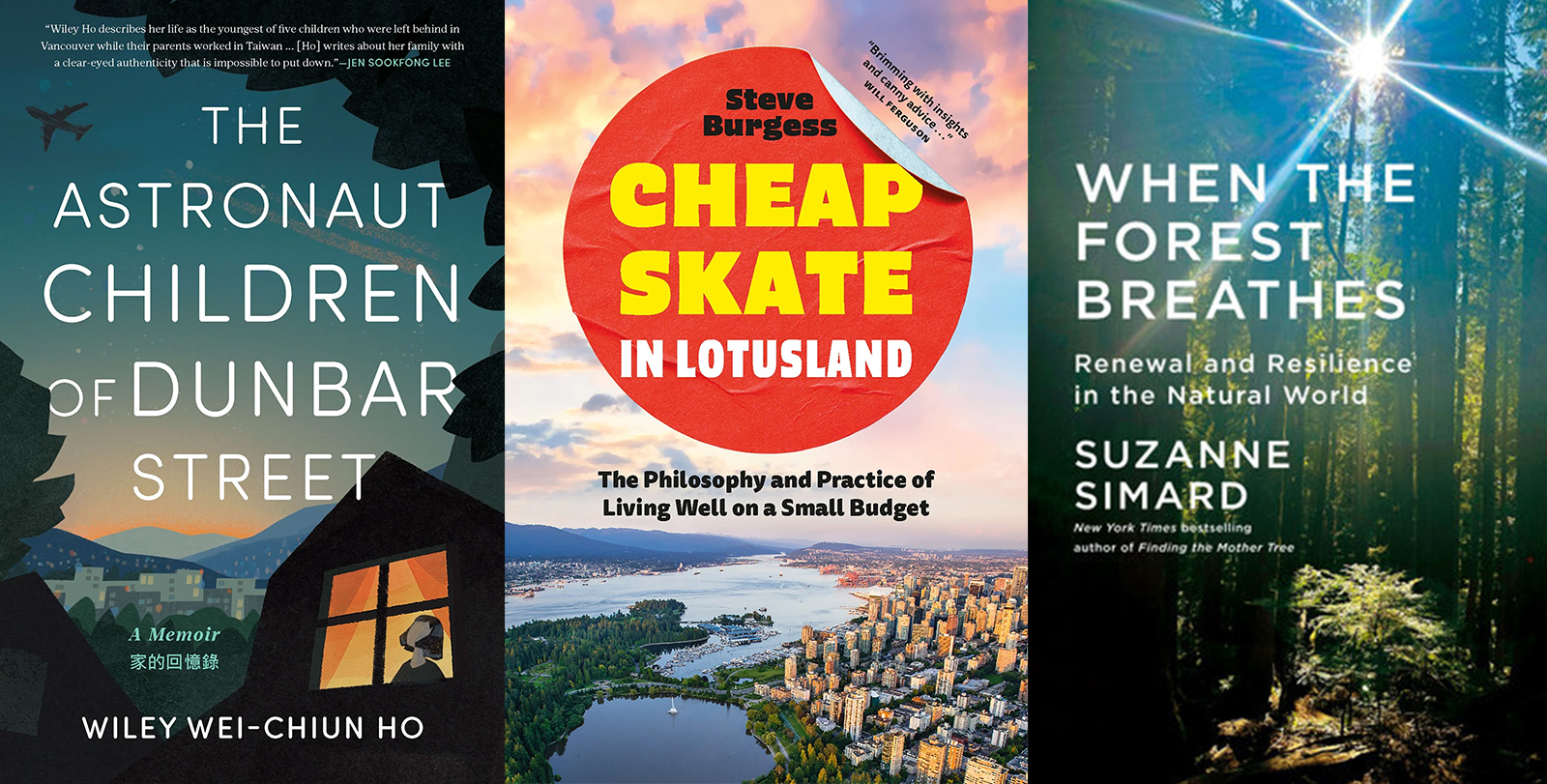
The Astronaut Children of Dunbar Street: A Memoir
Wiley Wei-Chiun Ho
(Douglas & McIntyre)
Wiley Wei-Chiun Ho’s family immigrated to Vancouver in 1980, her parents anxious about the political situation in Taiwan and the threat of their oldest son being drafted into the army. Her father, a successful doctor, tried unsuccessfully to qualify for medical practice in Canada. Their savings dwindled, and Ho’s parents made the difficult decision to return to Taiwan to work, leaving their school-aged children to fend for themselves in Vancouver. In The Astronaut Children of Dunbar Street, Ho tells her family’s story, looks for answers and tries to better understand her family’s history. Read an excerpt.
For your friend who makes fun of your taste in fancy groceries:
Cheapskate in Lotusland: The Philosophy and Practice of Living Well on a Small Budget
Steve Burgess
(Douglas & McIntyre)
Exuberant, funny and full of surprises, Cheapskate in Lotusland takes readers into Tyee contributing editor Steve Burgess’s humble life in Vancouver’s West End, where he has built a mountain of Triscuit boxes in his apartment. Nicknamed “Triscuit Mountain,” the stash is a monument to Burgess’s steadfast commitment to frugal living.
Burgess’s essays invite readers to rethink what it means to live well, and live sustainably in a city whose lack of affordability is the stuff of legends. He asks important questions of us all. “What drives our need for more?” he writes. “How can we learn to distinguish the necessary from the superfluous?”
For your friend going on a B.C. hiking trip this summer:
When the Forest Breathes: Renewal and Resilience in the Natural World
Suzanne Simard
(Knopf)
Celebrated B.C. forest ecologist and bestselling author Suzanne Simard deftly blends the personal and scientific in a contemplative new book that invites readers to see the interconnectedness in all things. When the Forest Breathes takes readers to nine experimental forests across B.C., and in the process, invites them to contemplate how forests carry out life cycles and memory, linking humans with the more-than-human across a great chain.
The book challenges readers to follow Simard in making more explicit connections between humans and trees. “I was trying to entwine our lives,” she told Magic Canoe editor Nicholas Triolo. “To weave these things together as a reminder that we, too, germinated and grew into seedlings and saplings and will become old and, eventually, die. I wanted people to know that they’re part of this. We belong in all of this. We belong in the same cycles.”
For flower lovers willing to consider why the international industry can smell odd:
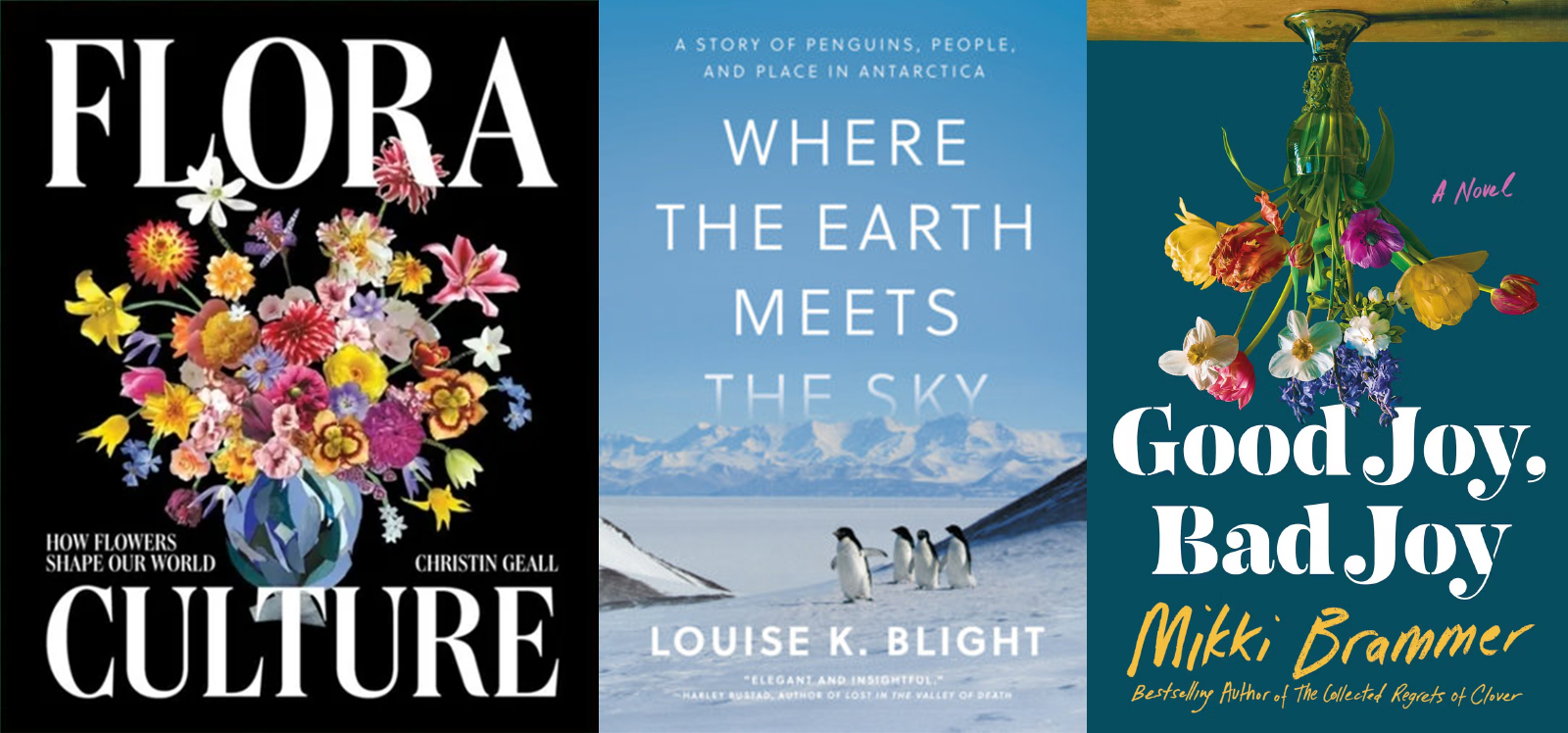
Flora Culture: How Flowers Shape Our World
Christin Geall
(Rizzoli)
Richly illustrated with photos of plants and people from around the world, Flora Culture includes a series of short essays organized in an A-to-Z format that can be dipped into in any order. Themes include aesthetics, modernism and scent, but also climate, drought, microplastics and colonialism. The book celebrates beauty and incites wonder, but it also raises uncomfortable questions about our relationships with flowers, plants and gardens. “Things need to change in horticulture and floristry to accommodate present realities — both scientific and cultural — and our desire, our very love of plants and flowers, is shaping our world in ways not many of us fully understand,” the author writes. In arguing for that needed change she offers a beauty that disarms the reader and allows for unexpected lines of attack on capitalism and empire. Camouflaged in a bed of roses, the book is a manifesto.
For your friend who is hungry for adventure, but stuck in the city:
Where the Earth Meets the Sky: A Story of Penguins, People and Place in Antarctica
Louise K. Blight
(Bond Street Books)
Salt Spring Island conservation scientist and University of Victoria professor Louise K. Blight’s new book is a compelling exploration of humanity, history and science at the end of the world. Lyrical, expansive and often surprising, Where the Earth Meets the Sky takes readers to Antarctica, the most isolated place on Earth that is also the most affected by climate change. Blight travelled there to study Adélie penguins. Her account of her time there offers a thoughtful meditation on loneliness, the everlasting search for connection (human, animal and otherwise) and what drives people to live for long stretches in extreme, remote locations. Blending memoir, history, science and travelogue, Blight’s book is a tremendous exploration of what it means to be truly alone while driven by a scientist’s passion for understanding some of the most unique forms of life on the planet.
For anyone who is doing a bit of soul-searching:
Good Joy, Bad Joy
Mikki Brammer
(St. Martin's Press)
When confronted with her best friend's terminal illness, Joy finds herself re-evaluating how she has spent the last 89 years. She worked hard to be the perfect daughter, wife and mother, bending herself into what she thought others expected of her. Meanwhile, her best friend Hazel was travelling the world and breaking rules — and now she faces down death with no regrets. Through a beautiful depiction of friendship and self-discovery, Joy comes to realize that it’s never too late to make amends, redefine who you really are and even get into a little trouble.
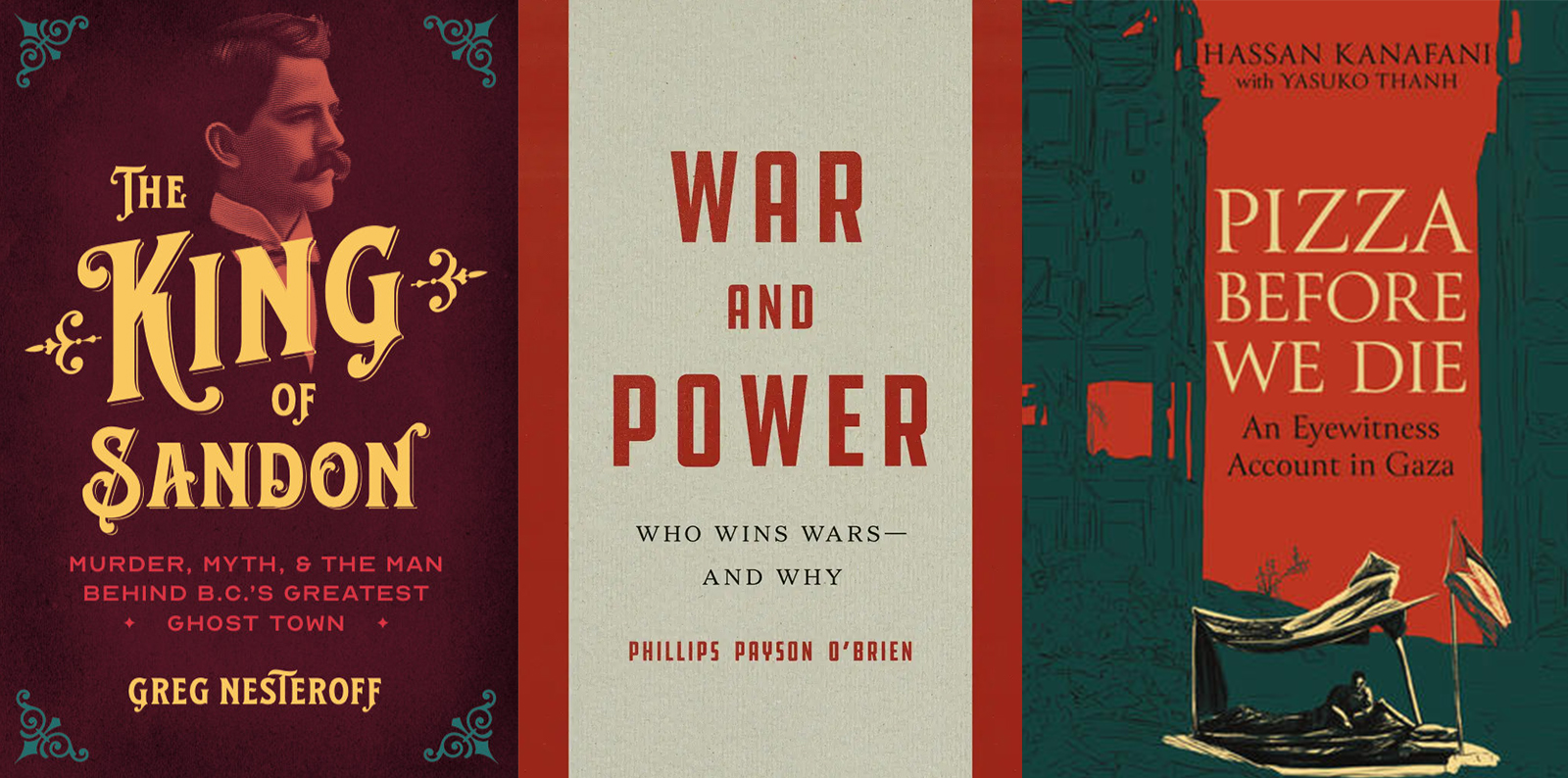
For the parent who watches westerns:
The King of Sandon: Murder, Myth, and the Man Behind B.C.’s Greatest Ghost Town
Greg Nesteroff
(Self-published)
Heading on a road trip to B.C.’s Interior? Nelson journalist Greg Nesteroff's biography of Sandon founder Johnny Harris offers a colourful look at the Kootenays' early 20th-century mining heyday, and the vibrant, sometimes dastardly characters who populated the region. Nesteroff dives into the soul of Harris, a hard-nosed, would-be tycoon who once ran the town but found his greatest aspirations stymied by the passage of time. A writer with an eye for a good narrative arc, Nesteroff brings to life the boomtown of Sandon and its saloons, hotels, backrooms and barbershops. In this setting we find Harris, a diminutive man from a family with a dark past who arrived in the Kootenays looking for a blank slate but found a region where people had lived for thousands of years. Read an excerpt.
For your cousin who’s thinking of joining the Canadian Forces:
War and Power: Who Wins Wars — and Why
Phillips Payson O’Brien
(PublicAffairs)
Phillips Payson O’Brien is a maverick war historian who says victory is won on the shop floor, the research lab and the railway. The side that can build and deploy the most “stuff” will win, if it can use that stuff to cripple the other side’s stuff production. Case in point: Ukrainian drones hitting oil refineries and air bases. Second case in point: Iran stalemating the U.S. over the Gulf of Hormuz. Read our full review.
For a view from Gaza:
Pizza Before We Die: An Eyewitness Account in Gaza
Hassan Kanafani
(Arsenal Pulp Press)
“When we return to what was once our home, we find only ruins,” Hassan Kanafani writes. “With no other shelter available, we have no choice but to clear a small piece of land beside our destroyed house.” The piece of land will house a tent.
Kanafani’s accounts of death and survival shine a light on what the war on Gaza felt like in Gaza, for everyday citizens. But perhaps more importantly, they shine a light on what happened after the ceasefire. It was not a simple resumption of normal life. “There was never anything normal about life in Gaza,” Kanafani writes. Pizza Before We Die bears witness to the toll of war, and the toll of trying to pick up the pieces after the worst is ostensibly over.
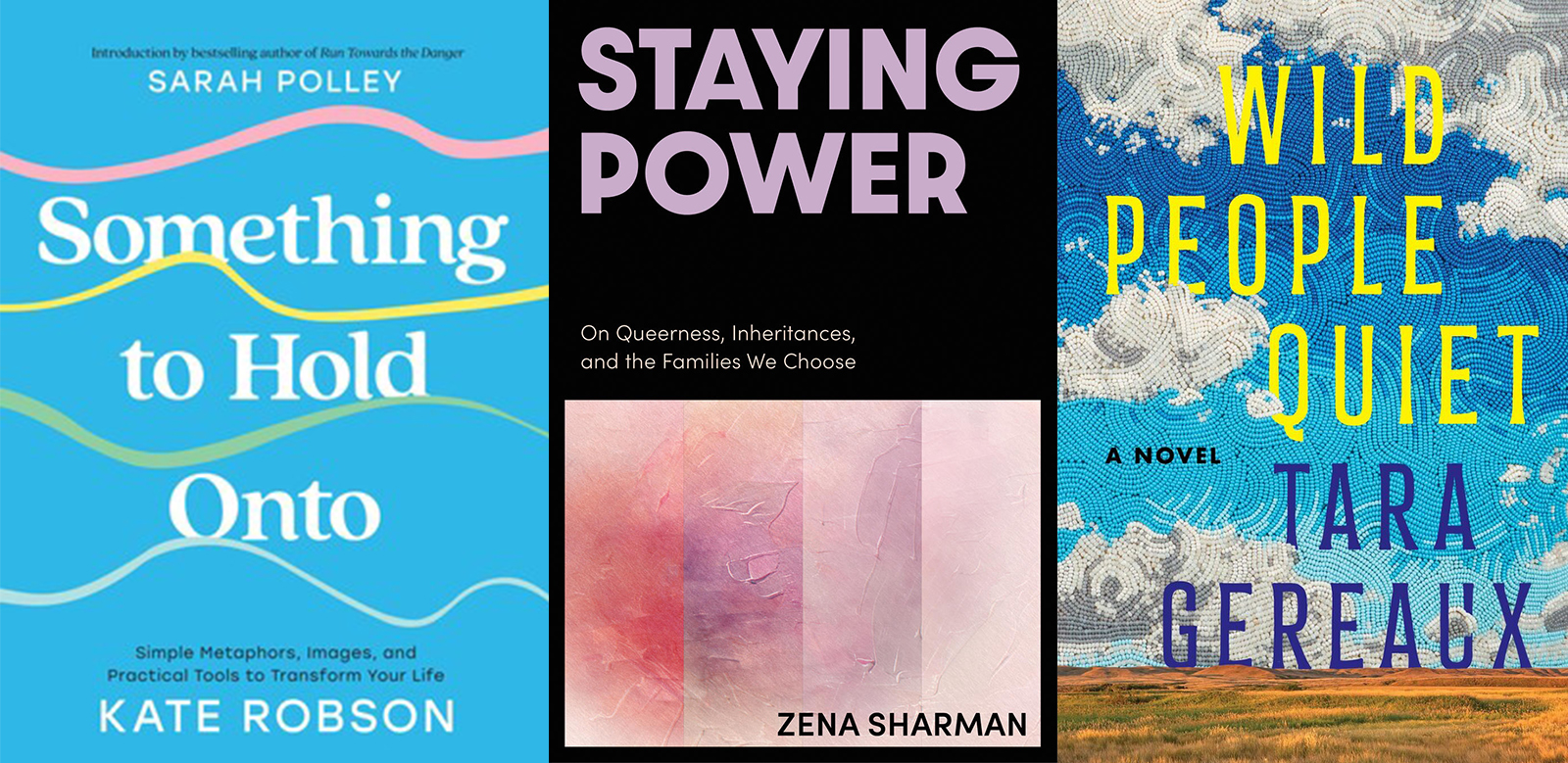
For a dear friend having a hard time:
Something to Hold Onto: Simple Metaphors, Images and Practical Tools to Transform Your Life
Kate Robson
(Simon & Schuster Canada)
Like a wise, gentle friend, Something to Hold Onto is the ideal companion for a person moving through the complexities of grief, loss or a major life transition. Toronto psychotherapist Kate Robson distills years of expertise into an expansive, accessible book that offers practical tools to help readers contend with change. The marvel of the book, and Robson’s expertise, is that it works on two levels at once: it zooms out to offer useful structural context for Robson’s approaches while zeroing in on specific, try-them-now strategies that can help things become immediately more bearable. Grounded in a range of therapeutic modalities, Something to Hold Onto is arranged in short, illustrated chapters designed to be read however it suits the reader: out of order, in short bursts or amid personal upheaval that might make it difficult to concentrate for long periods of time. By refusing the trappings of quick-fix health hacks and “grindset” culture, and drawing readers’ attention to seemingly small things — good food, a gentle walk, a moment of simple delight — Robson smartly builds momentum towards deeper, lasting change.
For anyone navigating grief, parenting and the making of a new family:
Staying Power: On Queerness, Inheritances, and the Families We Choose
Zena Sharman
(Arsenal Pulp Press)
Cowichan Valley author Zena Sharman’s new essay collection is a powerful suite of work that draws from Sharman’s experiences with losing her mother, becoming a death doula and being a parent in a queer family. The seeds of what became the book were planted in Xtra Magazine, where she authored a 2021 essay on queer parenting and a 2023 series on how death can become a site of collective care, creativity and even liberation.
With honesty and frankness, Sharman’s writing moves through trauma and relational complexity towards self-forgiveness and a new kind of peace. The book, writes H Felix Chau Bradley in Xtra, is “an offering of support to other queer people, a non-linear account of navigating legacies of intergenerational trauma and building new family structures and relationships that seek safety through connection and community, rather than self-protective isolation and codependence.”
For your family member at a crossroads between their heritage and the self:
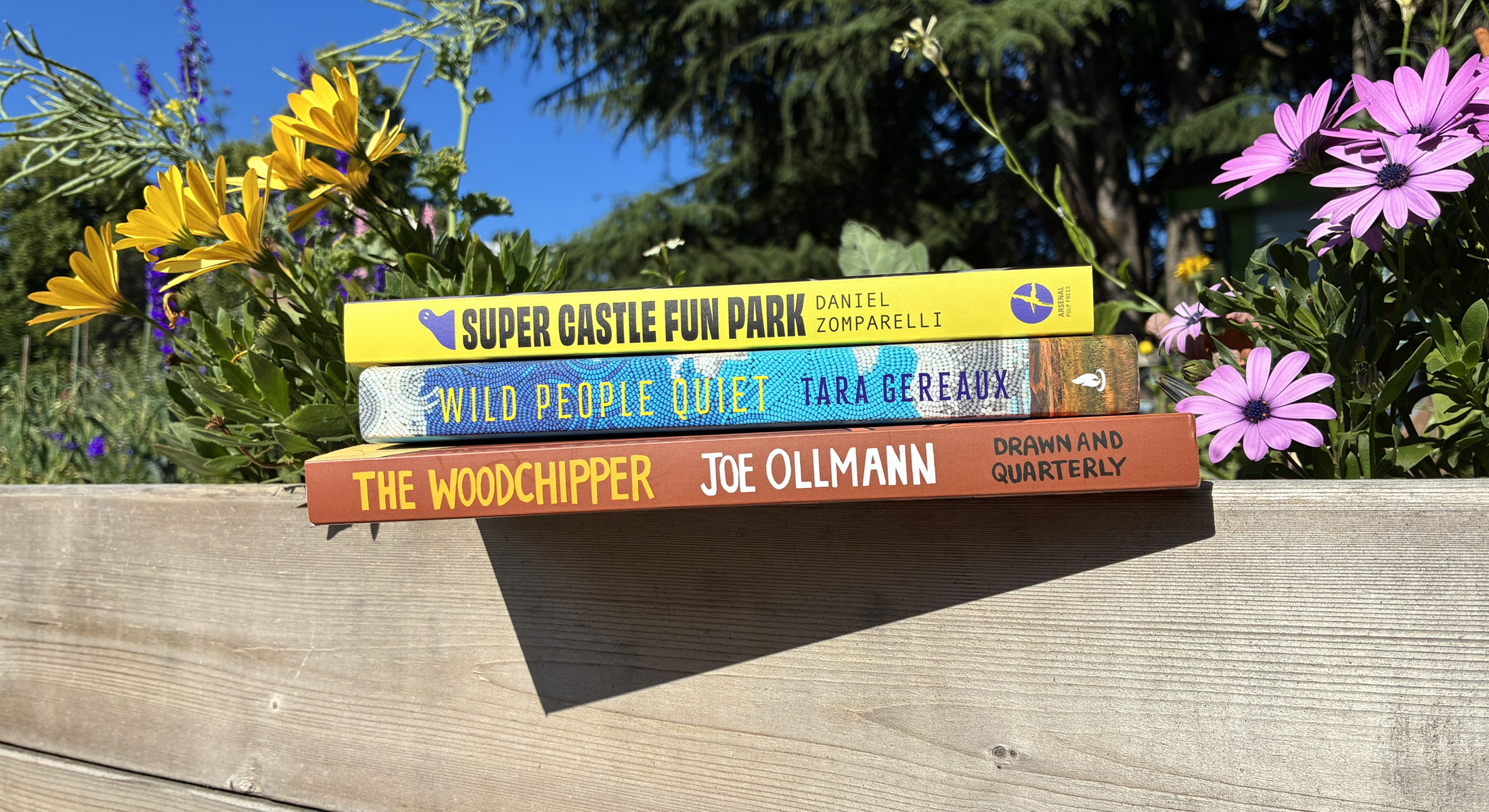
Wild People Quiet
Tara Gereaux
(Simon & Schuster)
Wild People Quiet does exactly what we hope for in a work of fiction: its exquisitely rendered world holds a mirror to contemporary struggles so we can see ourselves more clearly. Author Tara Gereaux, a member of the Métis Nation-Saskatchewan, dedicates Wild People Quiet to her late grandfather. Like the protagonist in her novel, Gereaux’s grandfather set aside his Métis identity and chose to live as a white person in the 1940s. His was an unspoken yet common experience at a time when racism against Métis people shaped where, and how, they could live. Wild People Quiet traces the life of Florence Banks, a Métis woman passing as white in a small Saskatchewan community. A chance encounter with her brother threatens the life she’s built, but it brings her face-to-face with some of the most important yet ignored facets of who she is. This is a novel that stays with readers long after they’ve finished reading. Gereaux’s painstaking research and beautiful prose makes the book sing with life.
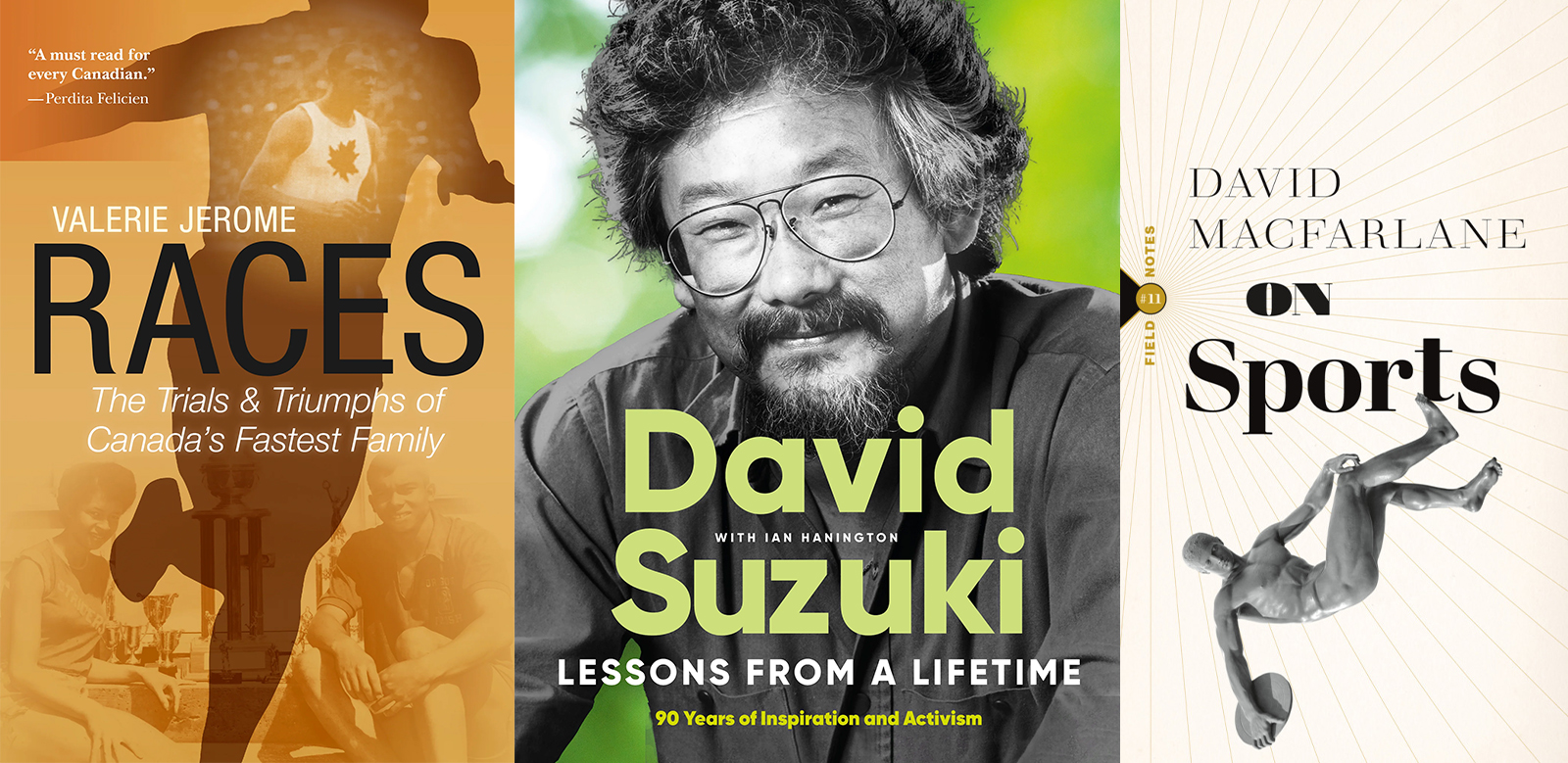
For a Vancouver resident thirsty for local sports lore that isn’t sponsored by FIFA:
Races: The Trials and Triumphs of Canada’s Fastest Family
Valerie Jerome
(Goose Lane)
Races details the underreported story of race and sports in Canada with Valerie Jerome’s family at its centre. Jerome came from a history-making Black family. Her grandfather, John “Army” Howard, was Canada’s first Black Olympian. Her brother, Harry Jerome, was a record-setting sprinter and held the title of “world’s fastest man.” Valerie herself represented Canada at the 1960s summer Olympics. Now 82, she’s fierce as ever, and her book is a reminder of her family’s extraordinary achievements against the backdrop of a racist society.
For your relative who loves The Nature of Things:
Lessons from a Lifetime: Ninety Years of Inspiration and Activism
David Suzuki and Ian Hanington
(Greystone Books)
David Suzuki turned 90 this year! The celebrated scientist, broadcaster and famed defender of planet Earth marked the milestone with a special celebration at Vancouver’s Queen Elizabeth Theatre, where he delivered a thunderous call to action. “We are at a remarkable tipping point in the history of life on Earth,” he told the audience. “And the primary force motivating the demand for change must not be fear but love.”
Readers are in for a treat with Lessons from a Lifetime. The book shares Suzuki’s early experiences with racism and internment during the Second World War, which continues to shape how he sees himself today. It also features personal stories and contributions from his allies and opponents, including Neil Young, Jane Fonda, Justin Trudeau and more.
For your friend who loves the players and hates the game:
On Sports
David Macfarlane
(Biblioasis)
What sells better than late-stage capitalism? Earnest fandom, writes Canadian journalist David Macfarlane in his latest book. On Sports gets to the heart of a thinking sports fan’s unease: how to square one’s enthusiasm for an athlete or team while acknowledging the often unethical business practices that make it all possible?
With elegant prose that draws upon decades of expertise as a sports reporter, Macfarlane considers the cultural import of professional and amateur athletics while inviting readers to contemplate the social and economic forces around them. It’s a welcome, provocative read against the backdrop of fans cheering for their favourite World Cup soccer teams this month. Read our full review.
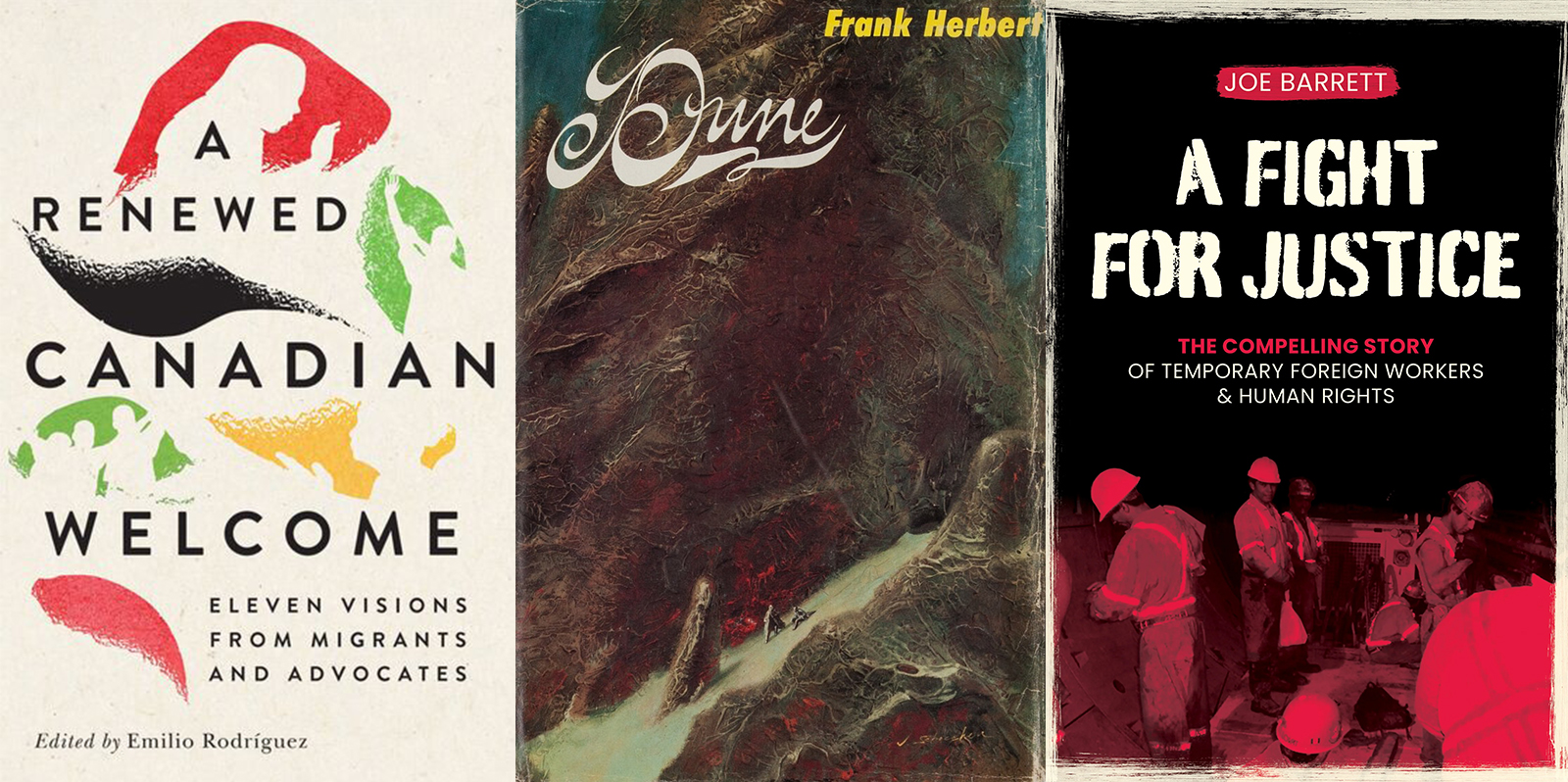
For your friend who may not realize that migration isn’t always a choice:
A Renewed Canadian Welcome: Eleven Visions from Migrants and Advocates
Edited by Emilio Rodríguez
(McGill-Queen’s University Press)
While Canadian citizens may choose to live abroad with relative ease, this is simply not the case for everyone. Lower-income workers in the Global South often have to leave because there aren’t enough opportunities in their home countries; they come to Canada with the hope of improving their livelihoods. A Renewed Canadian Welcome: Eleven Visions from Migrants and Advocates, edited by Salvadorean Canadian policy analyst and refugee rights advocate Emilio Rodríguez, brings together the voices of activists, organizers and academics whose lived experience informs their critiques of Canada’s immigration system, which they say is exploitative and drenched in racism. Read our full review.
For anyone wanting to catch up before watching the movie Dune: Part Three:
Dune
By Frank Herbert
(Chilton Books)
The third instalment of director Denis Villeneuve’s Dune movie adaptations comes out this December. While re-telling the sprawling space epic, Villeneuve has been somewhat faithful to Frank Herbert’s original tale.
The first two movies span the plot of Herbert’s first book. In Dune, Herbert explores themes of colonialism, religion and artificial intelligence in nuanced and provocative ways. And while intimidating to pick up (my edition runs nearly 900 pages), Herbert expertly tosses readers into a riveting world of space travel, espionage and late-late-late stage capitalism.
For your politically inclined cousin who posts infographics on social media:
A Fight for Justice
Joe Barrett
(Ronsdale Press)
Did you know the Canada Line tunnel was excavated by a group of migrant workers? Did you know they were only paid $1,000 per month while living in Vancouver? Did you know their employer fudged their salaries on government paperwork?
Joe Barrett did. In 2006, the Spanish-teacher-turned-labour-organizer found himself thrust into a historic struggle to stand up for workers’ rights.
In his new tell-all, Barrett shares how one union fought to be the first to organize temporary foreign workers in Canada. He introduces the workers at the heart of the fight and exposes the clandestine tactics both sides used in A Fight for Justice. It’s a prescient story that has shaped Canada’s labour market 20 years later.
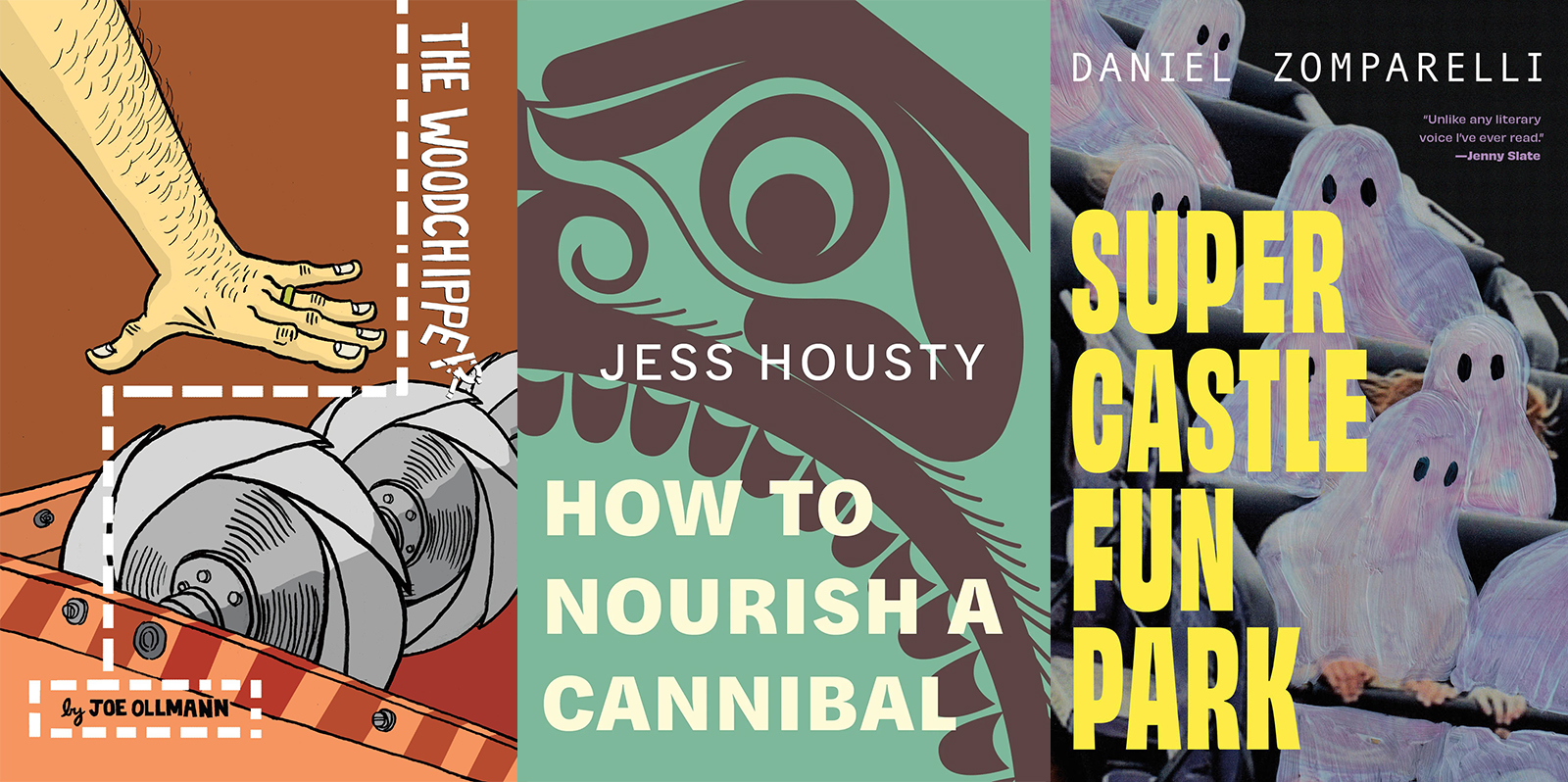
For anyone who digs short stories in graphic novel style:
The Woodchipper
Joe Ollmann
(Drawn & Quarterly)
Everyone knows that brevity is the soul of wit. But it turns out that brevity is also a great addition to the medium of graphic novels. Without further ado (I’ll be brief!) I give you The Woodchipper, Joe Ollmann’s collection of short stories and itchy scratchy drawings. It’s a perfect combination, along the lines of peanut butter and chocolate, or maybe pickles and ice cream. The flavours and textures of each story summons up wildly unexpected experiences.
From a woman getting trapped in the workplace bathroom over the holidays to the eponymous tale that gives the book its title, The Woodchipper is filled with curlicues of narrative that take you places you never expected to be. A bleak hotel chain, a bookstore bathroom —even a mysterious research lab engaged in deeply disturbing experiments.
For a loved one in search of one great book to pack in their summer bag:
How to Nourish a Cannibal
Jess Housty (‘Cúagilákv)
(Nightwood Editions)
Submerge yourself in the rich forests and rugged shore of the Central Coast with Jess Housty’s second poetry book, How to Nourish a Cannibal. This short collection draws on the Heiltsuk supernatural being Báxvbakvalan’usiwa, the Great Cannibal at the North End of the World, and explores the ways this fragile life will give and take from you.
Housty’s poetry is tactile and heartbreaking, physical and delicious, like dipping your toes in a cool stream on a hot summer’s day, or watching the sweat bead on a lover’s neck. The poems can be read (or savoured) at random, so tuck this book in your summer bag and pull it out anytime you need the colour around you to flush a little fuller, or the bird song to call a little louder.
Let their words be like a breeze along your spine as they point out the robin hopping along the seaweed, the friend delivering bread in a November storm, the children mapping meadows with their feet.
For your friend who’s texting incessantly while stuck in a doom-scroll spiral:
Super Castle Fun Park
Daniel Zomparelli
(Arsenal Pulp Press)
Dark-hearted humourist Daniel Zomparelli is at the height of his powers with Super Castle Fun Park. Formerly of Vancouver and now living in Los Angeles, Zomparelli’s new novel is deliciously difficult to define. His earlier books, including the acerbic poetry collection Davie Street Translations and the award-winning 2017 short story collection Everything Is Awful and You’re a Terrible Person lay the groundwork for Super Castle Fun Park as they grapple with the absurdity, sadness and longing of our digital age. Leaping between worlds online and off, the book embraces the messiness of life with a foot in many worlds as its characters imperfectly strive for connection amidst their own isolation. Wonderfully weird, funny and relatable, this novel is a balm for our times.
For your friend curious about the people of Iran:
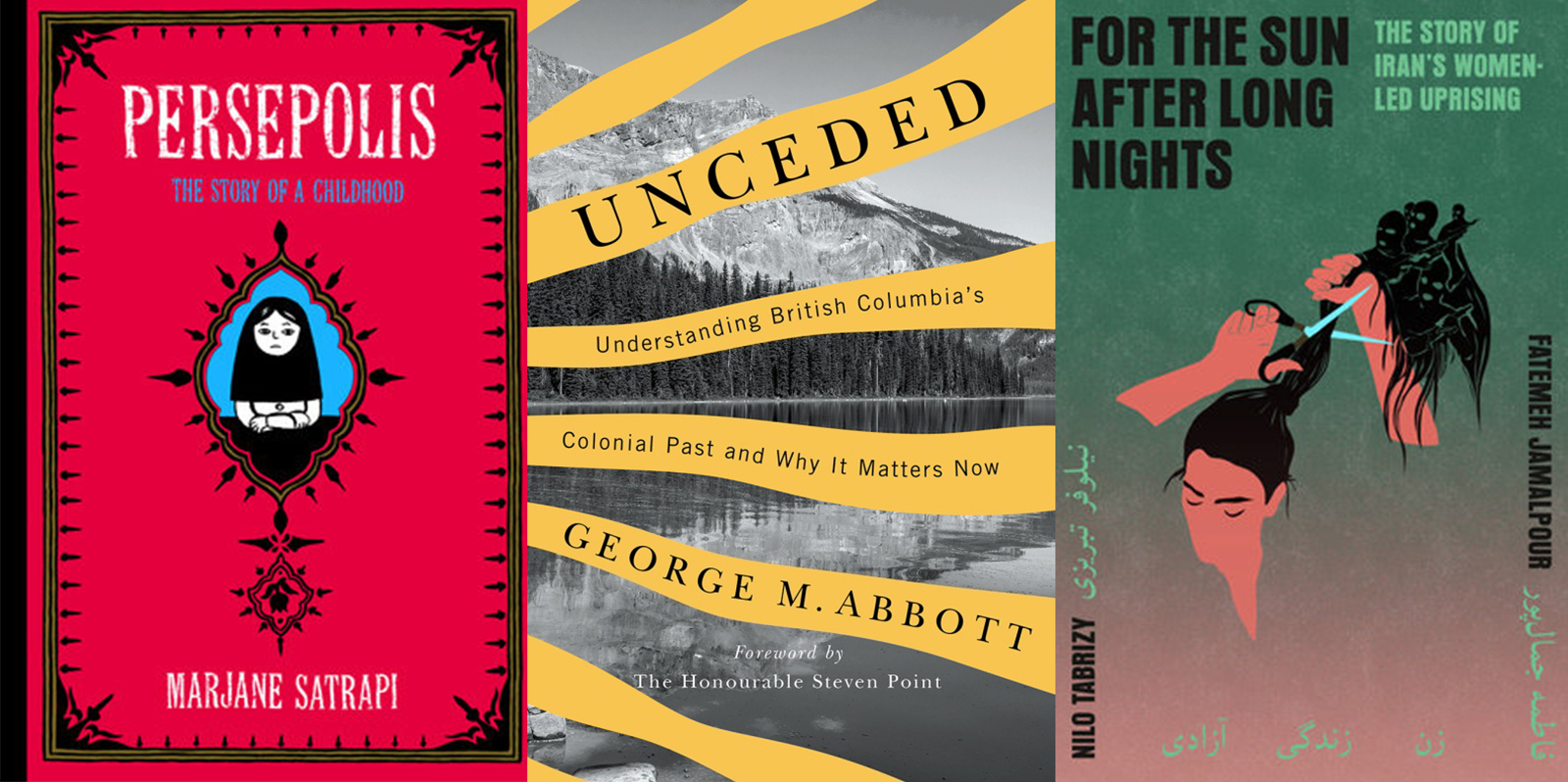
Persepolis
Marjane Satrapi
(Pantheon)
Marjane Satrapi’s tragic and untimely death at age 56 was a blow to the literary world. If you can bear it, a re-reading of her acclaimed graphic novel Persepolis is a good way to honour the woman and her work. Taking its title from the capital of Persia, Satrapi’s extraordinary biographic novel revisits her childhood growing up in 1980s Tehran during the Islamic Revolution.
Possessed of the righteous fury and clarity of thought that only a 10-year-old girl can muster, the story documents how religious extremism impacted her family, friends and neighbourhood while considering the wider implications of the country’s oppressive regime. It is a story that continues to play out, and where it ends, no one knows.
As Satrapi once said: “The true enemy of democracy is not a single person, or a regime. The true enemy of democracy is the patriarchal culture. It is that culture that must be fought.”
May her memory be a blessing and a continued call to fight authoritarianism wherever it rears its awful head.
For everyone wondering why B.C. seems to be giving the province away:
Unceded: Understanding British Columbia’s Colonial Past and Why It Matters Now
George M. Abbott
(Purich Books)
Written by a former BC Liberal cabinet minister who is now the province’s chief treaty commissioner, Unceded is a timely reminder that British Columbia’s current struggles around Indigenous rights and title are the direct result of past government decisions over many years. The book traces how successive governments treated the “land question,” going back to the formation of the colonies, and tracks repeated failures to try to settle it.
Deeply researched, factual and cool-headed, it’s essential reading as B.C. grapples with major court decisions around Aboriginal title, concerns about the impact of the Declaration on the Rights of Indigenous Peoples Act, and controversy over new treaties. With growing confusion about the way forward and weakening commitment to reconciliation, Unceded grounds the current debates in B.C.’s colonial history and argues for a better future.
For the nerd who thinks they know all about geopolitics (no, they don’t):
For the Sun After Long Nights: The Story of Iran’s Women-Led Uprising
Fatemeh Jamalpour and Nilo Tabrizy
(Pantheon Books)
Since the United States and Israel launched strikes on Iran back in February, the Middle East has been embroiled in a protracted regional war complicated by various belligerents and larger implications for the global economy. The war has also highlighted the challenges facing the Iranian people. To understand more about Iran’s history, its people and its place in the world, we recommend reading For the Sun After Long Nights: The Story of Iran’s Women-Led Uprising. Through the lenses of history, investigation and personal reflection, Iranian journalists Fatemeh Jamalpour and Nilo Tabrizy chronicle the 2022 Women, Life, Freedom movement, which challenged Iran’s political regime and continues to affect politics in the country today. This essential book describes a political system that’s been devastating and consequential for so many lives — and profiles people filled with deep reserves of humanity, courage and strength. Read our full review.
For eco-minded voters tired of waiting for the Green Party to deliver unicorns:
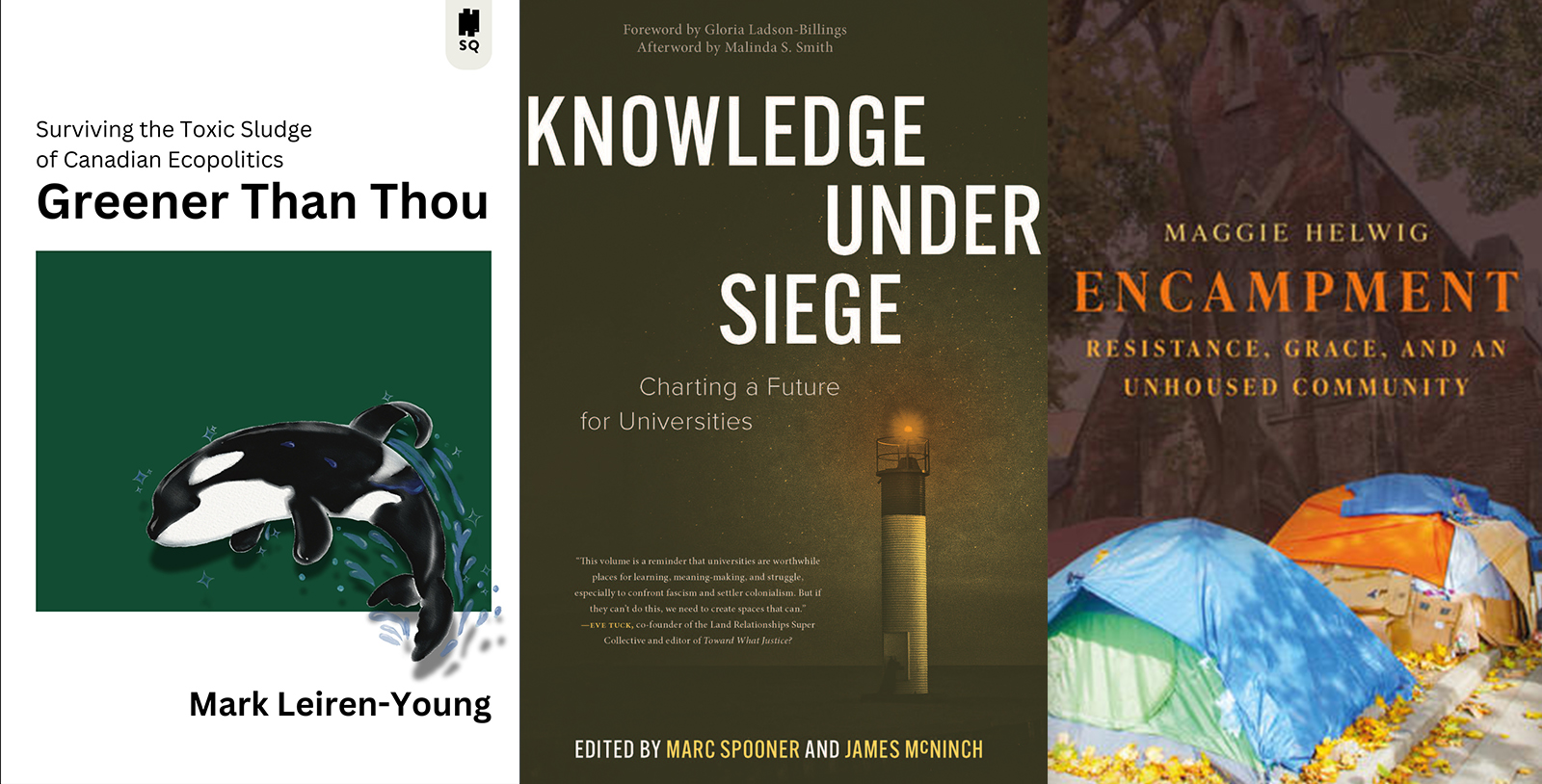
Greener Than Thou: Surviving the Toxic Sludge of Canadian Ecopolitics
Mark Leiren-Young
(Sutherland House)
This slim book largely focuses on the failure of the federal Green Party to live up to expectations for a significant breakthrough in the 2019 election. The story is told by a versatile and funny B.C. writer who was there working for the party during the campaign, a believer in the cause who became frustrated by the party’s inept refusal to seize the opportunity in front of it. Part of the problem he describes is complacency: “The party built on the belief there is no tomorrow is fine with achieving official party status about seven elections after the ice caps melt, Singapore sinks and Hawaii freezes over.” There’s also a lack of strategic thinking and an inability to do all the little things that would grow the party and help it win more seats. With reference to the roots of B.C. eco-politics and an examination of Canada’s broader political landscape, the book argues for moving on from the Greens and instead greening all the parties, the ones that are better built to win seats and elections.
For your son or daughter headed for university in September:
Knowledge Under Siege: Charting a Future for Universities
Edited by Marc Spooner and James McNinch
(University of Regina Press)
Campuses are battlefields these days, battling not only for academic freedom but for funding that will let them run the range of programs universities have offered for decades. The professors writing in this book want diversity, equity and inclusion because they result in better universities and healthier, more resilient societies. Students reading this book will be better prepared for a turbulent future — both on campus and after graduation. Read our full review.
For people wondering about the tent cities in their communities:
Encampment: Resistance, Grace and an Unhoused Community
Maggie Helwig
(Coach House Books)
Maggie Helwig is a social justice activist, Anglican priest and author. In Encampment, her latest book that won the 2025 Toronto Book Award, Helwig offers a clear-eyed exploration of the early personal experiences that continue to motivate her work. While a monumental fight for the rights of unhoused people to stay in Helwig’s churchyard is the focus of Encampment, its heart lies in Helwig’s sense of humour, her perspectives on parenting and care work, and how her view of community — notably what we owe to each other — shapes an extraordinary commitment to social justice. Readers will come away changed. And charged up.
For your sibling depressed about the state of the world:
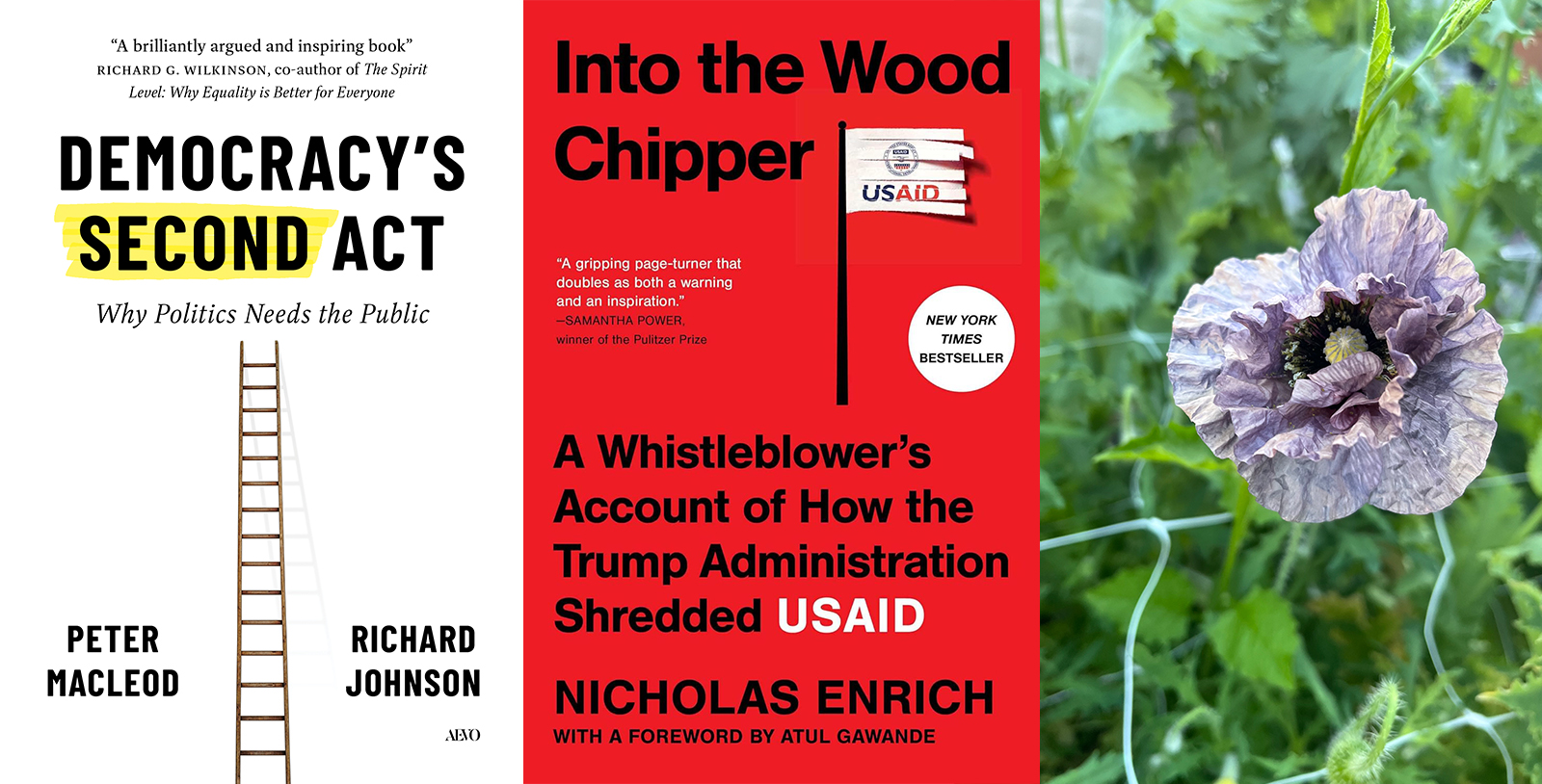
Democracy’s Second Act: Why Politics Needs the Public
Peter MacLeod and Richard Johnson
(University of Toronto Press)
Democracy’s first act, author Richard Johnson told David Moscrop, was representative democracy — the act of electing people to represent you, and then aiming to hold them to account on their promises. Its second act is the “piece beyond elections,” Johnson says. “It’s more about engaging the public.” Democracy’s Second Act offers a frank and productive assessment of the state and future of how we govern ourselves — one that emphasizes the we. Blending theory and practice, the book offers examples of how a greater role for the public in governance can revitalize self-government.
For your college roommate dreaming of a career in Global Affairs Canada:
Into the Wood Chipper: A Whistleblower’s Account of How the Trump Administration Shredded USAID
Nicholas Enrich
(Simon & Schuster)
Nicholas Enrich was caught in Elon Musk’s crosshairs as soon as U.S. President Donald Trump began his second term. Over the next 40 days, Enrich tried to save programs and the people who ran them, knowing the U.S. Agency for International Development had saved 92 million lives in the previous 20 years. When he realized nothing and no one could be saved, Enrich blew the whistle. Attentive readers will wonder why everyone didn’t blow the whistle and resign en masse. Read our full review.
With contributions from andrea bennett, Ximena González, Crawford Kilian, Andrew MacLeod, David Moscrop, Cole Nowicki, Olamide Olaniyan, Tyler Olsen, Carla Pelligrini, Isaac Phan Nay, Jackie Wong and Dorothy Woodend. ![[Tyee]](/design-article.thetyee.ca/ui/img/yellowblob.png)
Read more: Books




Tyee Commenting Guidelines
Please note that email notifications for replies are not currently working due to a software issue which may be resolved in a future update.
Comments that violate guidelines risk being deleted, and violations may result in a temporary or permanent user ban. Maintain the spirit of good conversation to stay in the discussion and be patient with moderators. Comments are reviewed regularly but not in real time.
Do:
Do not: