
 SHARE:
To many, B.C. Premier David Eby’s snap election call seemed like an odd choice. The government still had two years in its mandate. Big questions — like the Declaration on the Rights of Indigenous Peoples Act and the budget deficit — were left unanswered. Plus, all the best lawn sign spots had already been claimed by candidates for municipal government.
If The Tyee’s Victoria bureau chief is put off, he’s not showing it. Andrew MacLeod said the election call has morphed into something of an early Christmas.
“When they called it, I was definitely in the camp of, like, ‘Do we really need to do this now?’” he said. “But there are announcements every day, and there are people arguing about ideas, and you get into the spirit of it. So it is kind of fun.”
MacLeod has covered seven previous provincial elections and nearly two decades’ worth of provincial politicking for The Tyee. This election cycle is no different. This week, he gives us the long view on campaign-trail drama and breaks down what this election is really about.
Listen to this episode by clicking the embedded podcast player below or by following ‘The Tyee Podcast’ on Apple Podcasts, Spotify, iHeartRadio, Amazon Music, Pocket Casts or YouTube.
Transcript
Note: Episode transcripts may contain errors. Always check the corresponding audio before quoting any part of the transcript.
Harrison Mooney:
Last time on the Tyee Podcast: the Vancouver municipal election. This time: the B.C. provincial election. Loyal listeners may be asking: what’s with the focus on politics all of a sudden? Didn’t you talk to J.B. MacKinnon a couple months back about his favourite cherry blossom trees?
What happened?
To that I say: hey man, don’t blame me.
The Tyee Podcast publishes two episodes a month, and this month, we happen to have two elections, back-to-back, just seven days apart. It’s not my fault that David Eby called a snap election for a fortnight after voting for the mayor. Why would he do that?
I don’t know, loyal listener. But as the longest-running podcast host in Tyee history, it’s my privilege to know who to ask.
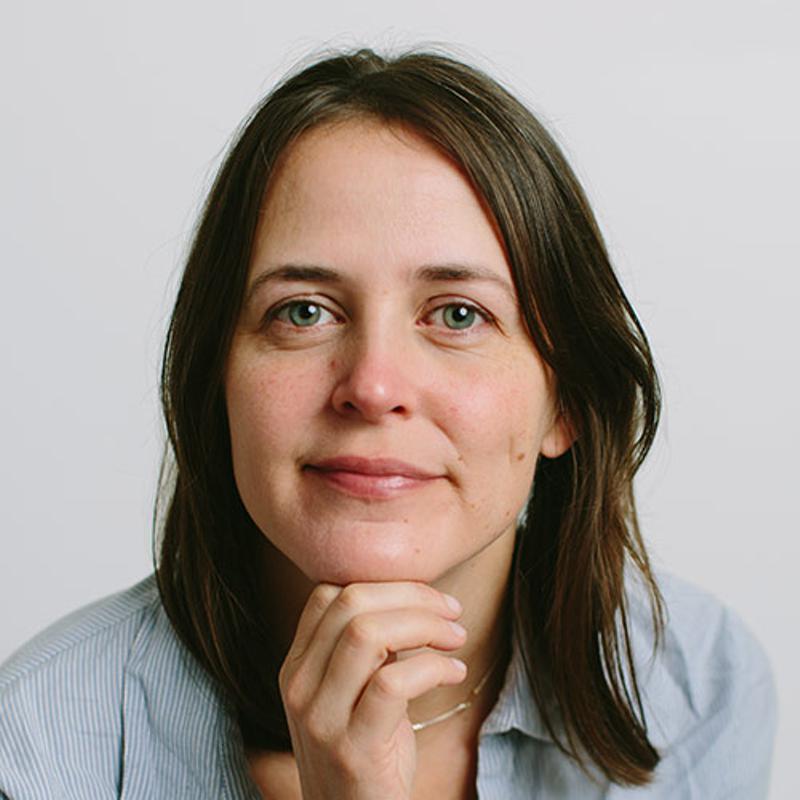
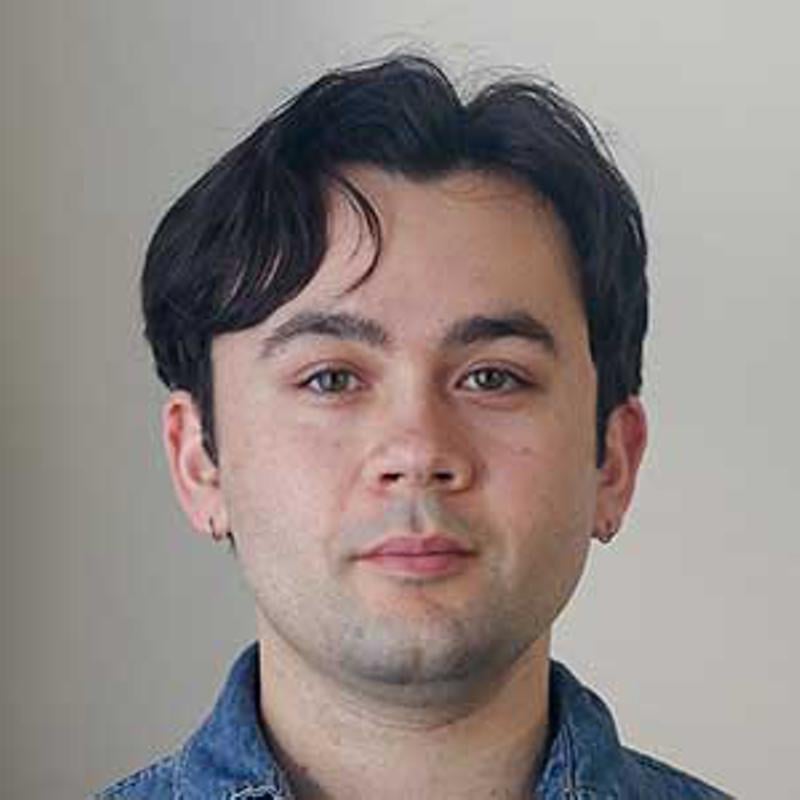
This is the Tyee Podcast. Every week we dive deeper into the stories shaping the West Coast. Because Canada needs more B.C. I’m Harrison Mooney. And today I’m speaking with Andrew MacLeod, The Tyee British Columbia legislative bureau chief. He talks about party promises, campaign confusion, and what this election is really about.
Andrew, it’s a snap election surprise, hooray! Yeah, it’s time to put on your parliament pants and brush up on the issues. It’s Christmas for policy wonks. Are you ready? Are you stoked? Is this what you live for?
Andrew MacLeod:
You know honestly when they called it, I was definitely in the camp of like, do we really need to do this now? You know, in my view, the government had two years left in their mandate. They had a small majority, but a workable majority. You know, they had managed for two years, and I and I kind of thought they would maybe just get on with governing, you know, do some of the things that need to be done. So I was not particularly excited when they called it. And then yeah, within the space of a few days, as a reporter, you know, it is it is a little bit like Christmas in October. You know, there are announcements every day, and there are people arguing about ideas, and you know, you get you get into the spirit of it. So it is kind of fun, you know. It’s a little more interesting than what I would normally be doing at this point in the cycle, I suppose.
Harrison Mooney:
Yeah, it’s funny. Do we really need to do this now? Was my next question.
Andrew MacLeod:
No, no.
Harrison Mooney:
I feel like maybe David Eby is trying to recapture the dopamine hit of electoral victory. You know, you just wake up like you know, I want it again. I want it now. Is that what’s happening?
Andrew MacLeod: I don’t think so. I mean, the common wisdom about Mr. Eby is he doesn’t really like campaigning. I don’t think he was hungry to do it. I think they see an opportunity, or they thought they did. Remember, Kerry Lynne Findlay was leading the Conservatives, and they were a split party. You know, eight had joined CentreBC, and I think half a dozen were still sitting as independents. I’ve lost the exact count, but you know, the Conservative caucus was shrinking. I think you know they thought they could have an election that was about conservative chaos and the threat of Trump. You know ahead of the midterm elections, and that’s the script they started on. And it has turned out that the Conservatives sort of got it together somewhat anyway, at least more than they appeared that they would. So you know the NDP’s had to sort of pivot a bit on what the election’s about. Behind the scenes. I think you know what what’s probably really going on is with a narrow majority, it means they need pretty much every vote on the NDP side to do anything. So, so if there was anything they wanted to do, like for instance, amend DRIPA, you know, if there was anyone on their side who was going to vote against it, it made life difficult for the premier. so, so I do think it is about saving the premier’s job, and it is about you know giving him more margin in the legislature so that the premier’s office can set the agenda a little more and do all the things they want to do.
Harrison Mooney:
Yeah, you know I I’ve heard some folks accuse the BC NDP of being a bit opportunistic here, but then I’ve heard some of my Liberal friends argue with all the turmoil in the legislature and the and the you know the slim majority and the and the practical collapse of the opposition party, it would be irresponsible not to call an election right now in order to like I don’t know restore the leg to legibility. Is that a total homer take?
Andrew MacLeod:
Legibility? Yeah, I don’t know. I mean, certainly the premier keeps repeating that you know they had votes where people had to vote from their hospital beds. You know, Darlene Rochford had a baby and you know had to vote you know from the maternity ward. Joan Phillip, before she died, was you know regularly you know there were several times she had to vote from her hospital bed as well, so from the premier’s point of view, that’s what it’s about. Yeah, I don’t know. I mean, the logic of you know the conservatives could have brought down the government at any time. Therefore, we’re going to have an election. I’m not sure that works logically for me. You know, like they might have forced an election. Therefore, we’ll have one now and give them the opportunity to possibly win. I’m not sure it makes sense.
Harrison Mooney:
Andrew, can I tell you my favorite thing about provincial elections as a veteran of two Vancouver-based newsrooms? It’s finding out there’s a guy on the payroll who lives in Victoria with encyclopedic knowledge of the ridings and the history of politics, and every four years or so, or in this case two years, we dust him off and phone him up and listen to his stories about Wacky Bennett and the Socreds, That’s kind of how I think of you, Andrew. I mean, I’ve met you before. You’re not a surprise to me, but in my mind. You’re that same kind of figure.
Andrew MacLeod
Dusty a dusty figure in Victoria who you only care to hear about when there’s an election on?
Harrison Mooney:
Well, you know, I mean, it’s a trope, Andrew. It’s a trope.
Andrew MacLeod
Yeah, honestly, like my take on my job is part of it is covering politics, and I tend to look at it more as a public policy job. So, so I like the in between elections where we can dig into issues and you know what what’s going on and what are people saying about things and you know what are ways that things could be better. So, I see the horse race stuff, which the election is largely about as a fairly minor part of the job. Of course, are people paying attention in between? I don’t know. It’s maybe a little harder to get people’s attention. So maybe it does focus people
Harrison Mooney:
Let’s talk about the opposition.
Harrison Mooney:
Are the BC Conservatives still in an ugly state of disarray?
Andrew MacLeod:
I think they’re in than they were. They have been in a fair bit of disarray over the last, well, really since the last election. And you have to remember that that last election they came out of pretty much nowhere. You know they had you know no seats in the legislature until John Rustad got kicked out of the BC Liberals and joined the BC Conservatives and became the leader. And then there were a few who joined them before the election, and then somehow they went to 44 seats. I mean, there’s only 93 seats in the legislature, so they were very close to forming government. Almost as soon as that happened, they started shedding people. You know, there were some who were kicked out, some who voluntarily left, a couple who were up on criminal charges for one thing or another, and then they had a you know John Rustad got pushed out as leader, and they had a leadership campaign. They had Trevor Halford as an interim leader in the in the spring, and actually I think did all right, and then Kerry-Lynne Findlay won the leadership, and the fractures in the party just got worse. And I think I forget the exact numbers, but you know at least nine or 10 left under her tenure, and they were down to about 20-something MLAs, and then she got forced out. You know, sort of on the eve of the election, like I think she announced on the Sunday that she was going to quit, and the Conservatives very quickly appointed Lorne Doerksen as an interim leader, and then they sort of patched it up with a bunch of the MLAs who had gone off and joined CentreBC, and then David Eby called the election on the Tuesday, so it was all sort of moving very fast. And I remember saying at the time, you know, if the Conservatives can you know have 30 accident free days, you know, they might do all right. And they’ve done okay. I think Lorne Doerksen himself is fairly unthreatening, fairly middle of the road. He’s been very clear on things like, you know, Trump is a bully. You know, it came up that there was a candidate in Victoria-Beacon Hill who had said some things that you know were racist and sort of way over the line online, and they actually kicked him out, there where in the last election there were things like that, and the candidates were allowed to stand, so you know it does seem to be a different Conservative Party than it was overall. But of course, they still have some of those elements there.
Harrison Mooney:
And I’m glad you brought it up. You know, I was going to ask you if the BC Conservatives still have what I’ll call a fairly quantifiable, provable racism problem — is that still going on?
Andrew MacLeod:
That’s a good question. I think you know what can you say? It’s a matter of degrees. You know, they’re less racist than they were. Some of the more extreme elements from the last time around are no longer with them, right? Like a bunch of them went to OneBC, and so that’s sort of become a home for that. Brent Chapman, who you know ran for them last time, who had said some egregious things, was allowed to run last time. He actually got elected this time around. I think he, when Kerry-Lynne Findlay got pushed out, who he’s married to, he left to join OneBC, and then he’s not actually running. The NDP keep pointing to Heather Maahs still be still running with them, with the Conservatives. Rather, she’s from Chilliwack. She’s said some things that were, you know, quite homophobic. You know, comparing gay people to pedophiles, groomers, that kind of thing, and so the NDP keep calling for her to be dropped as a candidate. It’s probably a tougher one for Mr. Doerksen because she’s in a riding that they might actually win. You know, there’s no skin off his nose to kick off a conservative candidate in Victoria Beacon Hill, where you know they’re very unlikely to win anyway. Tougher in Chilliwack. So I guess that’s to just say that they haven’t purged all those elements. You know, their tent still includes some reactionary right wing types, but not nearly as bad as it was two years ago.
Harrison Mooney:
Okay, so some went to OneBC, and then you also mentioned CentreBC, and I don’t want to sound misinformed, but who are these parties? Where did they come from?
Andrew MacLeod:
They are both splinter groups from the Conservatives. So, so, so maybe we’ll start with CentreBC. Remember last election, you had BC United, who were the former BC Liberals running, and then the Conservatives sort of came out of nowhere, and they were, you know, drawing more donations, and they were doing better in the polls, and BC United folded. Again, this was I think it was about a week before the election was called that time, and it was a fixed election date that time, so everyone knew when it was coming, and then there were a bunch of people in the BC Liberals, like the BC Liberals had always been a coalition of conservatives and more liberal types. You know, people who federally would be either liberals or conservatives, and a bunch of the people who were actual liberals were ticked off about BC United folding at the last last minute and conceding. OneBC is Dallas Brodie. So she got kicked out of the BC Conservatives by John Rustad for making light of residential school survivors. People can find stories on our site and elsewhere. And then she was joined by a couple colleagues, and then they sort of had a falling out. so OneBC is running 30 something candidates in this election, and Centre BC is running a similar number, so basically they’re both offshoots of the Conservatives. OneBC further to the right, you know, maybe more equivalent to the People’s Party of Canada, federally, and CentreBC more to the left of the Conservatives and somewhere to the right of the NDP. I would be willing to predict right now that neither one of them will elect anybody. It’ll be a surprise if either does. I think there’ll be a footnote to this election.
Harrison Mooney:
Yeah, I mean, I mean, I don’t have many questions about OneBC. If I ask anything, it’s going to get cut. But CentreBC, I do wonder, like, will they even be able to run a serious campaign, or is this just going to be another like BC United situation where they kind of like protest their more right-wing counterparts for a few weeks, and then just fold right back into the party when that’s the party that’s going to win.
Andrew MacLeod:
I don’t think they’ll fold back into the party, but they’ll disappear. You know, they’re only running 30-something candidates. The last I checked, I haven’t seen them. Like the most recent donation information isn’t available, but the last time I checked, they’d only ever collected something like 40,000 in donations, which doesn’t really give them the money to compete with either the main parties who you would be collecting more in the order of you in the millions, and able to spend that on ads and staff and everything else.
Harrison Mooney:
Okay, so I mean, I am detecting still some instability over on the right, so I guess I’m wondering why, amid all this instability, are the BC Conservatives polling as front runners two weeks ahead of the election? What’s going on there?
Andrew MacLeod:
Well, you know, time for a change. David Eby has been premier for several years now. You know, he came to office promising action on a whole bunch of things, including affordability, including health care, including the environment, which doesn’t seem to be getting talked about a whole lot, including you know the mental health crisis and the toxic drug crisis, and you know he was going to personally clean up the Downtown Eastside. You know, there’s a whole list of things that there was supposed to be action on. That you know, I think for a lot of people when they look around, like is there you know is your life more affordable than it was nine years ago? You know what’s happened with housing prices? Can you get in to see a doctor any better than you could nine years ago? You know, I think they’re running against that. It’s their record. All the things, all the grievances. Some of them, some of them, you know, difficult to deal with, like big intractable things. But they all become, you know, the government’s problem.
Harrison Mooney:
Okay, how about the BC Greens at the at the municipal level, the Greens suddenly have the sheen of electability. I’ve never really seen this before, but I wonder if maybe this is a sign of things to come a little higher up the ladder. You know, this will be the first test of new BC Greens leader Emily Lowan. I can’t imagine she’s the next premier, but a strong showing, and maybe she could turn into something of a power broker.
Andrew MacLeod:
Yeah, maybe. Who knows? Who knows? We will see on voting day. The Greens have been on the cusp for a long, long time. They would say that the first past the post system makes it difficult at the provincial level. You know, there’s been thinking for years that you know they had to do the groundwork of getting more people elected to city councils and that sort of thing, get known in your community, and then move up, and that that would be the way to make first past the post work for them. Yeah, I think Andrew Weaver was the first Green elected to a provincial parliament anywhere in Canada in 2013 when he was elected. The next time around, they added two more. They hit three in 2017 and had the balance of power. Then Weaver left the party. They were down to two in the COVID election. They I think were lucky to get those two re-elected. That was 2020. 2024, the last election, they got two elected again, and were sort of lucky to hold on. This time around, I don’t know. I mean, anecdotally, I’m hearing from people, you know, saying things like, you know, I’m nine years of the NDP, I’m ready for a change. I can’t vote conservative for whatever reason. I’m going to vote green. I’m not even going to worry about it being strategic. I’m just going to do it. And you know, CentreBC and OneBC conceivably could benefit from the same kind of dynamic. But I think the Greens are a better place for it. They have 70 something candidates running. You know, enough so that they conceivably you know, could form government. I think more likely, you know, it’ll be very interesting to see how they do. I remember Jane Sterk when she was leader. Oh, going back, I think was probably the 2009 election. She told me that she thought they were going to win a dozen seats, and I think they always talk big, and then we’ll see. You know, the question is where. You know, where do they have enough to get over the line?
Harrison Mooney:
I’m going to guess Vancouver Island.
Andrew MacLeod:
Yeah, good guess. You know, in the last election, so you know they hold they hold Saanich North in the islands. They also hold West Vancouver Sea to Sea to Sky, where Jeremy Valeriote’s the MLA. I think for a long time they thought Nelson was somewhere they could pick up. So yeah, I think really they’re looking at the South Island, you know, possibly Courtney Comox, possibly Nanaimo. I think if they win, you know, any more than three, it’ll be a miracle. They’ll be very happy with that.
Harrison Mooney:
If I set the over/under at 3.5, would you take the under?
Andrew MacLeod:
I don’t do gambling. I have no idea what that even means.
Andrew MacLeod:
I wouldn’t bet on them. I wouldn’t bet on them breaking through. I would I would I would bet on them winning. You know, it’s another one where I think they might be lucky to hold the two seats they have, and anything beyond that is gravy for them.
Harrison Mooney:
All right, Andrew, we’ve talked about DRIPA on this podcast a couple of times, largely because it seems like the BC NDP has been actively fumbling it. And you know, honestly, it seems a bit strange to call this election while they’re still vulnerable on that issue. But like, I have to imagine maybe it factors into the strategy in kind of a galaxy brain way that I don’t understand. Like, what am I missing? Has DRIPA emerged as an election issue yet, or is calling an election kind of made it go away?
Andrew MacLeod:
That’s a good question. I think maybe what you’re missing there is that when British Columbians are asked what their top priorities are, they say affordability, housing, health care, the economy, the provincial deficit and DRIPA is actually way down the list. It’s I don’t think it’s top of mind for most voters in terms of making it go away. I mean it you know it’s one of these things that’s been playing out over some time. And then they were supposed to be having discussions over the summer, and they had promised to make their amendments in the fall. So, so it is true that they booted it down the road by calling the election. At the same time, they booted a whole bunch of things down the road with the election. Dealing with the deficit gets pushed off. You know, whatever you name it, like they put it a pause on it with the election.
Harrison Mooney:
Man alive! If you like, I didn’t realize that calling an election can just move all. Like I’m going to do that for cleaning the house. Like okay, well you know I don’t actually want to clean the house right now. I’m calling an election, and then we’ll worry about cleaning the house in November.
Well, so if DRIPA is not the main issue, health care, housing, taxes. What is the big thing here? What’s this election going to be about?
Andrew MacLeod:
Yeah. I mean, well, again, so the parties will be jockeying for what it’s supposed to be about. You know, you know, David Eby’s pitch was it was supposed to be about Trump and the threat of tariffs and chaos on the conservative side. I think that fell fairly flat in the first week. The BC Conservatives wanted to be about you know the NDP’s record on any number of things. Certainly, like the polling would suggest that you know it’s pocketbook issues for people. It’s affordability. It’s the price of housing. It’s you know health care. Can I get in to see a health-care practitioner when I need to? Yeah, it’s those things that are the bread and butter issues for people.
Harrison Mooney:
Right? Yeah, I mean, I guess some of us, and I include myself here, are eating beans around a can or around a fire from a can. You know, affordability really is an issue for us. So I guess that makes some sense. It’s funny. I feel like Eby. was kind of going for like a like a Mark Carney moment. You know, just like I’m going to stand up to Trump, and everyone’s going to galvanize, and then and then I’ll be you know I’ll have more power, but no one’s really buying it.
Andrew MacLeod:
Oh yeah, yeah, yeah. Right down to like ripping off the you know Mark Carney had four pillars to his campaign, you know two of which were protect Canadians and build Canada. David Eby in his initial speech had three pillars, one of which was protect British Columbians, and another of which was build British Columbia. Like it was it was a pretty straight ripoff. Certainly, the reaction I hear from people is you know they feel like the response to Trump is largely a federal thing, and that they feel comfortable with the way Mark Carney is handling that. The premiers, you know, they have a supporting role, but not the lead role in the way that Mark Carney and the federal Liberals do.
Harrison Mooney:
Andrew, there is talk of a of a tax on the rich, perhaps happening after this election. You know, the NDP has proposed this this tax. The Conservatives are very upset. They’re saying no tax at all. What can you tell me about taxes vis-a-vis this election?
Andrew MacLeod:
I can tell you, people love talking about taxes. Yeah, this election, you know, it ties into the whole affordability question. Yes, Lorne Doerksen came out fairly early and said that if elected, they will, they won’t introduce any new taxes, they won’t raise any existing taxes. You know, never mind that there’s a pushing a $14 billion dollar deficit and money needs to come from somewhere. And in fact they’ve since said that they would raise the personal exemption to 30 something 1000, which would put it would mean that that everybody who pays taxes who earns up to around $40,000 and everybody above that would pay about $1,000 less in tax per year. So not only would they not raise them, that they would cut them again with a big hole already in in the budget, and you know experts say that will add you know billions more to it if they move ahead with that. And the NDP said that they would raise taxes on I think it was above 192,000 a year, and they were also going to create a new tax bracket over a million dollars, and the rate was going to be higher for income people earn above that rate.
Harrison Mooney:
Oh well, this doesn’t affect me at all.
Andrew MacLeod:
Yeah, you know, you know, you and me probably we would see money back with the conservative plan, and then we might or might not be worried about how the government’s going to pay for all the things it needs to do. Yeah, and certainly the NDP’s pitch is like, look, this only affects the top 4 per cent of earners, and why not ask them to pay a little more for all the things that we use, all the things government pays for, we should also mention the Greens have been talking about taxing wealth. So combined assets over 50 million, whether it’s real estate or stocks or companies or whatever, they would tax that similar to what California is looking at doing. It would be a one-time you know tax that would raise 22 million or something, 22 billion. Sorry, in the first year. [CUTS HERE] And then then it was something like five or 6 billion a year after that. So you know, you know, the point basically being like, it’s not just about income; it’s about people who’ve accumulated, you know, way, way, way more than they need. Why not tax some of that to again fund all the things that we enjoy together?
Harrison Mooney:
Yeah. Okay. Well, Andrew, I have like one last question for you, and it’s the question I always try to ask at the end of these election podcasts, and I know that you’re not supposed to tell me anything about your actual political affiliations. But who are you going to vote for, man? Tell me right now.
Andrew MacLeod:
I drove my kids nuts for years because they would always want to know, you know, how are you voting? Because you know the politics are discussion in in our household, and you know they know I care about the stuff so you know they always don’t know how are you voting and I’d always say you know by secret ballot so yes so I think as a reporter you know people should be able to read what we do and trust it and you know I don’t I don’t think you know we don’t talk about objectivity so much anymore but you know the people need to be able to see that we’re fair and we’re accurate, and I would hope that you know as people read through what we do, it’s not obvious who we would support in in a partisan way.
Harrison Mooney:
Andrew MacLeod.
He’s been reporting for The Tyee for nearly two decades. And leads our political coverage in Victoria. Stick around after the credits for a quiz we put on to test his B.C. politics chops!
Did you enjoy today’s episode? Let us know by sending an email or voice note to [email protected] . The Tyee is a nonprofit reader- and listener-funded journalism organization, made possible thanks to the support of our Tyee Builders. That could be you, listener.
Head over to support.thetyee.ca to sign up, so we can keep publishing journalism in the public interest. That’s support.thetyee.ca. If you want to advertise on this podcast, we have a team that wants to hear from you. You can email them at adsales at the tyee dot ca.
Today’s episode was hosted by me, Harrison Mooney. It was produced and engineered by Isaac Phan Nay. Our music is by Brian Binnema.
We’re back to our regular publishing schedule, so… Join us again in two weeks.
Or stick around to see how Andrew does on this politics quiz, first published by Global News.
Okay, question one. In January 2003, where was Liberal Premier Gordon Campbell when he was arrested for impaired driving?
Andrew MacLeod:
Hawaii. I was working for Monday Magazine in Victoria at that point, and the great thing about it was as soon as we realized he was arrested in the states, we were like, hey, wait a second, they release mug shots. You know, if it had happened if it had happened in Canada, we never would have been able to get that. Anyway yeah it was fun anyway sorry your next question.
Harrison Mooney:
Yeah the secret I think to politics in Canada is to get arrested here okay question two in 19 1991, Social Credit Premier Bill Vander Zalm resigned after he was found to be in a conflict of interest selling what?
Andrew MacLeod:
Fantasy Gardens.
Harrison Mooney:
Fantasy Gardens. It’s a Christian-themed amusement park in Richmond, is what Fantasy Gardens is.
Harrison Mooney:
Okay. Question three. Kim Haakstad, Christy Clark’s deputy chief of staff, was forced to resign in 2013 after what government memo came to light? I can give you a multiple choice if you need it.
Andrew MacLeod:
I’m, you know, I’m trying to remember. I remember Kim. I was there in 2013. Was that the triple delete scandal, or was that something else? I’m trying to remember. Okay, what are the multiple choice?
Harrison Mooney:
Okay, here’s our here’s our four answers. Was it a plan to privatize ICBC, a plan to woo ethnic voters, a plan to bring back the HST, or a plan to fast track approval for the Kinder Morgan pipeline.
Andrew MacLeod:
Yeah, it would be the ethnic voters one. It was the easy wins one. Yeah, I’d forgotten why she actually resigned, but yeah, that that’s what it would be.
Harrison Mooney:
One thing I love about B.C. political scandals is they always get boiled down to a phrase, right? It’s like fantasy gardens, easy wins. You know, the fast ferries, which of course will come up. Question four: In 1999, NDP Premier Glenn Clark’s home was raided by RCMP as part of an investigation into what?
Andrew MacLeod:
He was accused of a conflict of interest because Dmitrios Pilarinos is that the name? He built something at Clark’s house, and Clark was accused of accepting a benefit from him. Eventually, he was totally cleared of the conflict of interest, and it went nowhere in the in the court system as well. Somehow GlobalTV knew that the cops were showing up at Clark’s house and showed up with their cameras to record that. So there’s yeah, I remember that one.
Harrison Mooney:
This is unbelievable. Okay, question five. One of the many controversies during Bill Vander Zalm’s tenure as premier was an improperly run referendum to approve a pub on what Vancouver street?
Andrew MacLeod:
That one’s before my time, and Vancouver, Vancouver. That’s over on the mainland somewhere, right?
Harrison Mooney:
Yeah, yeah. You don’t live here.
Andrew MacLeod:
Commercial?
Harrison Mooney:
That’s actually one of the four options: Knight Hastings can be or commercial. I know this one. It’s Knight Street.
Andrew MacLeod:
Oh yeah, I had no idea.
Harrison Mooney:
Question six: NDP Premier Mike Harcourt resigned in 1996 after it was found money raised through games and intended for charities was being funneled to his party. What was the game most commonly associated with the scandal?
Andrew MacLeod:
Bingo.
Harrison Mooney:
Bingo. All right, question seven. You’re just crushing this quiz. In 2003, search warrants were executed by the RCMP at the B.C. legislature in connection to the privatization of what crown corporation?
Andrew MacLeod:
BC Rail.
Harrison Mooney:
Oh my God! Amazing. Okay, question eight: British Columbians rejected the harmonized sales tax in a 2011 referendum. What is generally agreed to have prompted the rage against the HST?
Andrew MacLeod:
I don’t know if there was general agreement. Bill Tieleman. Bill Tieleman prompted the rage. And Vander Zalm came back out of out of retirement, there was a whole campaign against it. I would say like the big thing was we had just had an election in 2009, and in general the HST had not come up. There was one industry group who’d put it as a question, and Campbell had said to them, “No, no way, we’re not doing it. And then the financial crisis happened, and there was a big hole in the budget. And I think Ottawa was willing to give a chunk of money to B.C. if B.C. adopted the HST. And so so very quickly after the election, the government said, “Okay, we’re doing it. So in my view, as a reporter on it, the big issue was that they just didn’t communicate. Well, you know they surprised everyone with it, and then beyond that, there were campaigns whipping up opposition to it.
Harrison Mooney:
Andrew, that’s the right answer. Gordon Campbell said during the 2009 election that the government wasn’t planning to implement the HST, you know, people didn’t like that. He said they wouldn’t, then they did. All right, question nine. In 1993, Liberal leader Gordon Wilson was forced to call a leadership convention won by Gordon Campbell after what came to light.
Andrew MacLeod:
Was that his affair with Judy Tyabji?
Harrison Mooney:
Yes, it was. Yes, it was. I hope people are googling all these things. And then question 10: The NDP government of the ‘90s was hammered over the many problems with the fast cat ferries. Whatever happened to those?
Andrew MacLeod:
Oh, yeah. Haven’t checked recently. Basically, after the liberals formed government in 2001, they took them out of service. They tied them up at Dees Dock, where you could drive by on the highway and see them. I think they were like even wrapped in cellophane or some kind of plastic. At least one of them sold to somebody in Saudi Arabia. There was something in the news not too long ago about them, but yeah, they they’ve not been put back into service in B.C. anyway. And there’s talk of building B.C. ferries in B.C. again, so who knows? We may get another crack at it
Harrison Mooney:
I mean, you got it slightly wrong. They were sold to a company in the United Arab Emirates. I you scored 90 per cent on this quiz. That’s incredible! Congratulations, Andrew. You have proven, I think, again why you are The Tyee’s chief politics reporter.
Read more: Podcast, BC Election 2026, BC Politics, Media



Tyee Commenting Guidelines
Please note that email notifications for replies are not currently working due to a software issue which may be resolved in a future update.
Comments that violate guidelines risk being deleted, and violations may result in a temporary or permanent user ban. Maintain the spirit of good conversation to stay in the discussion and be patient with moderators. Comments are reviewed regularly but not in real time.
Do:
Do not: