


 SHARE:
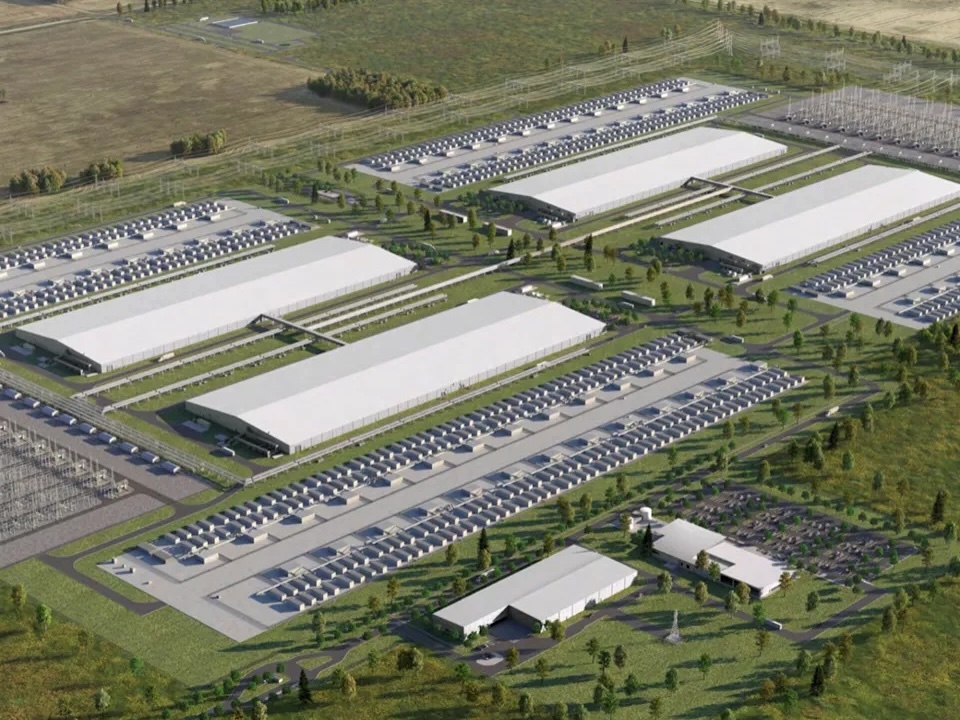
Oddly, Alberta media seem to have had very little to say about the new analysis by the Pembina Institute that the $13-billion artificial intelligence data centre planned by Meta Platforms Inc. in Sturgeon County could add from $270 to $460 a year to Albertans’ electricity bills once the hyperscale installation has powered up.
“At the heart of significant electricity market pressures, and the resulting bill increases, are Alberta’s ‘Bring Your Own Generation’ rules, which allow data centres to connect to the grid before their generation is brought online,” the Calgary-based organization said of its analysis in a news release.
While the analysis by the institute confirms the provincial government’s claim that Albertans may see a six per cent reduction in the transmission portion of their electricity bills because of Meta’s connection to the provincial grid, “the market impacts of the new Meta data centre will far outweigh the transmission savings.”
“As our analysis shows, when these new large-scale data centres connect to the grid, it puts pressure on the electricity market, increasing costs until new power plants come online,” said Pembina, which describes itself as a clean-energy think tank.
The analysis shows the likely impact of the planned Meta centre northeast of Edmonton on the typical Albertan’s power bill from 2027 to 2031, Pembina said.
“Albertans already pay some of the highest and most volatile electricity rates in the country,” said David Pickup, Pembina’s director of electricity. “If data centres are coming to Alberta, they should help make our electricity system stronger, cleaner and more affordable. Instead, Alberta’s current rules risk increasing consumer costs, while locking in new high-emission gas power.”
The latter point is a reference to Premier Danielle Smith’s policy of ensuring AI data centres are powered by natural gas from clapped-out and otherwise uneconomic wells rather than renewable sources such as solar or wind power.
“Removing red tape for renewables can help to stabilize energy costs, enable local economic development and reduce the emissions impact of this emerging industry,” Pickup added, although we all understand that’s not going to happen under the United Conservative Party. It’s funny, isn’t it, how solar arrays on agricultural land were a huge problem for the UCP but scores of massive data centres in the same kind of locations are not.
Pembina’s conclusion is similar to what the Alberta Federation of Labour, or AFL, called free riding on the electricity grid in a July 16 news release. The release quoted a new study by the respectable but nevertheless right-wing C.D. Howe Institute and the AFL’s own research from two years ago on the impact of concentration in Alberta’s so-called deregulated electricity market, which has foisted the most expensive electricity rates in Canada on Albertans.
“Albertans have already overpaid $24 billion because of deregulation and privatization of our power market,” AFL president Gil McGowan said in that statement. “Now the government is adding a foreign tech giant to the front of the line, with no public say and no plan to deal with the inevitable fallout.”
“The solution is clear,” he added, “re-regulate generation and put the public back in charge of Alberta’s power.” Well, we also know that’s not going to happen under the UCP.
Last year, Pembina said the average Alberta household spent approximately $1,700 on electricity. Of that, energy costs made up 40 per cent, distribution charges 23 per cent, transmission charges 18 per cent and administration fees 14 per cent, plus another five per cent in taxes.
“Albertans may be paying 15 per cent to 25 per cent more for their electricity in the next five years as a result of the data centre,” the Pembina release said.
In addition, if more hyperscale AI data centres are built, as the UCP has made clear it intends, “similar price spikes are expected,” Pembina said in a data sheet it published on the topic.
No one should be surprised that the Alberta government’s “virtual town hall” on the data centres last week was a much tamer affair than the rowdy live events in Lacombe and Redwater on Aug. 19 and 20 at which, quelle horreur, Technology Minister Nate Glubish had to endure boos and catcalls from citizens.
Doing it over the internet puts the control back in the hands of the moderators, although it should probably make the UCP a little nervous that more than 12,500 people tuned in, according to Primary and Preventative Health Services Minister Justin Wright, who was brought in to replace less diplomatic political staffer Vitor Marciano in the chair.
What’s more, the Canadian Press reported, no one who was allowed to speak expressed any enthusiasm about the government’s AI data centre scheme.
Unlike at the live meetings in real Alberta towns, Smith sat in on this one, taking the opportunity in a response to one questioner to boost her Oct. 19 referendums pushing MAGA-style immigration policies and Alberta intrusion into federal jurisdiction. ![[Tyee]](/design-article.thetyee.ca/ui/img/yellowblob.png)












Tyee Commenting Guidelines
Please note that email notifications for replies are not currently working due to a software issue which may be resolved in a future update.
Comments that violate guidelines risk being deleted, and violations may result in a temporary or permanent user ban. Maintain the spirit of good conversation to stay in the discussion and be patient with moderators. Comments are reviewed regularly but not in real time.
Do:
Do not: