


 SHARE:

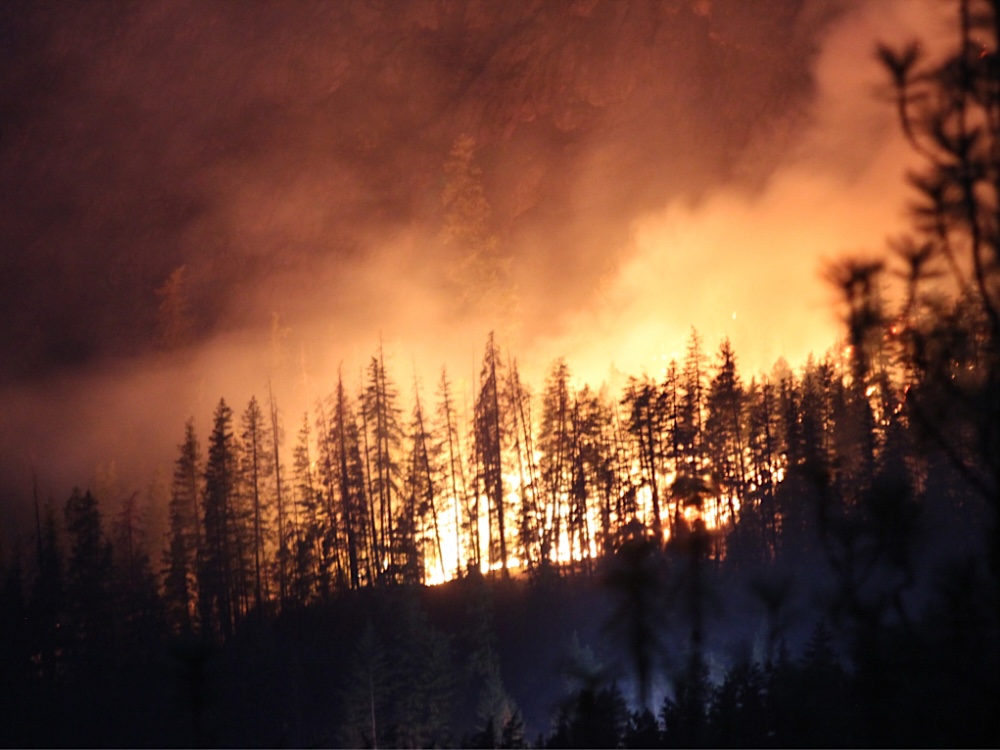
In 2007, then-premier Gordon Campbell’s Liberal government discovered climate change. It was caused by humans and threatened “life on Earth as we know it,” the government warned.
“We cannot be paralyzed into inaction by the scale of the task at hand. Rather, we will act now to make a real difference,” Campbell said, calling for the same kind of commitment that Canadians showed through two world wars.
A flurry of activity followed — legislated reduction targets, a carbon tax, a special Climate Action Secretariat. For the next 19 years governments at least pretended to be concerned about the issue.
Flash forward to 2026, and the new BC Conservative government’s cabinet removes any mention of climate change from ministers’ job titles and shuts down CleanBC, the agency that has been responsible for reducing emissions since 2018. Effectively, B.C. is no longer making any serious effort to reduce the emissions that are driving climate change, wildfires and extreme weather events.
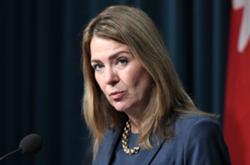
Don’t single out Lorne Doerkson’s Conservatives. A succession of B.C. governments, Liberal, BC United and NDP have chosen to ignore the climate-change threat and offered posturing and promises instead of any real action as emissions soared.
And they’re not alone. Even Stephen Harper signed onto the need to deal with climate change as a crisis in 2007, in a speech to an APEC summit. “For at least a decade most governments, including Canada’s government, paid what can charitably be called lip service to the issue of climate change,” Harper said. “We need to take action.”
Again, flash forward to 2026. The Canadian government is promoting more fossil-fuel development and has no realistic path to meeting its emission-reduction targets. Two former environment ministers have called out the Carney government’s obviously false claim that the climate targets can still be achieved.
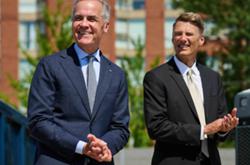
And Victoria MP Will Greaves warned about the damage done — to the climate but also to Prime Minister Mark Carney’s credibility — in a Toronto Star op-ed.
“To date, Canada has not been a credible actor on its commitments to reducing greenhouse gases and fighting climate change, and the gap between what we claim and what we are doing on this critical file is only growing wider,” he wrote.
Then there is Carney. In 2021, his book Values: Building a Better World for All outlined the urgent need to take action on global warming. As prime minister he is promoting increased fossil-fuel production, including potentially opening the Arctic to offshore oil and gas drilling.
All this is unfolding as the international effort on global warming is faltering. COP31, the United Nations’ climate change conference, collapsed in chaos this month as the participants couldn’t agree on a statement. Countries that make money from fossil-fuel production successfully stalled any agreement.
Why are governments giving up? Especially when the warnings of what’s ahead — extreme weather, fires, flooding, heat domes — are in our faces.
The easy answer would be to blame ourselves. Climate change was a critical issue for most Canadians in 2007. Now, affordability, health care and other issues are seen as more pressing.
But concern remains high, despite concerted and well-funded campaigns by oil and gas companies and dependent governments to undermine public demands for action.
And the constant stream of climate-related disasters is likely to heighten Canadians’ demands for real action. 
Read more: BC Politics


Tyee Commenting Guidelines
Please note that email notifications for replies are not currently working due to a software issue which may be resolved in a future update.
Comments that violate guidelines risk being deleted, and violations may result in a temporary or permanent user ban. Maintain the spirit of good conversation to stay in the discussion and be patient with moderators. Comments are reviewed regularly but not in real time.
Do:
Do not: