


 SHARE:

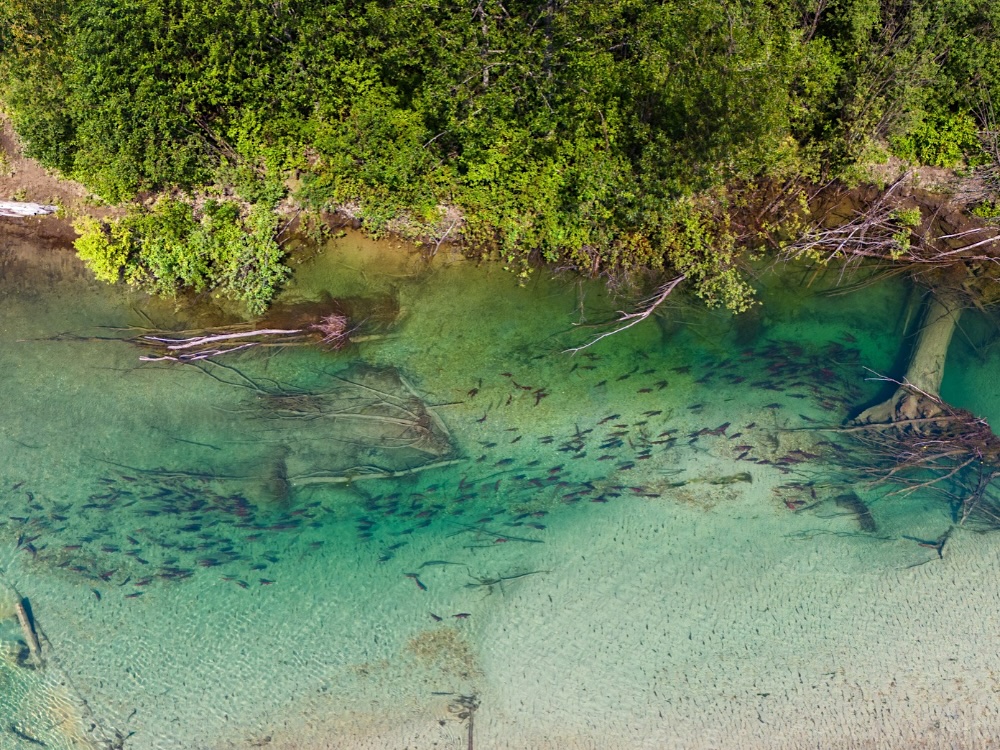
This holiday season, many British Columbians will travel long distances by ferry, highway and air to make it home. Wild Pacific salmon have just finished a homeward journey of their own: one of the most remarkable in the natural world.
Sockeye bound for the Adams River near Kamloops, for example, spend two years feeding in the cold waters off the coast of Alaska before heading south toward the coast of B.C. In the fall, they undertake a journey of more than 400 kilometres, swimming up the Fraser River and then the Thompson to return to where they hatched in the Interior.
This was supposed to be a big year. 2026 is a dominant cycle year for Fraser River sockeye, including the world-famous Adams River run. Fisheries managers cut their forecast by more than half this summer, from 7.7 million fish to about three million.
For salmon, the journey home is only getting harder. Drought, wildfires and rising water temperatures are creating more obstacles, says Jason Hwang, chief program officer at the Pacific Salmon Foundation, or PSF, a non-profit environmental organization that has worked to conserve and restore wild salmon since 1987.
“Despite all these challenges, dedicated people, working together, continue to find solutions,” Hwang says. “At PSF, we are focused on working with our partners to accelerate the recovery of wild Pacific salmon across British Columbia.”
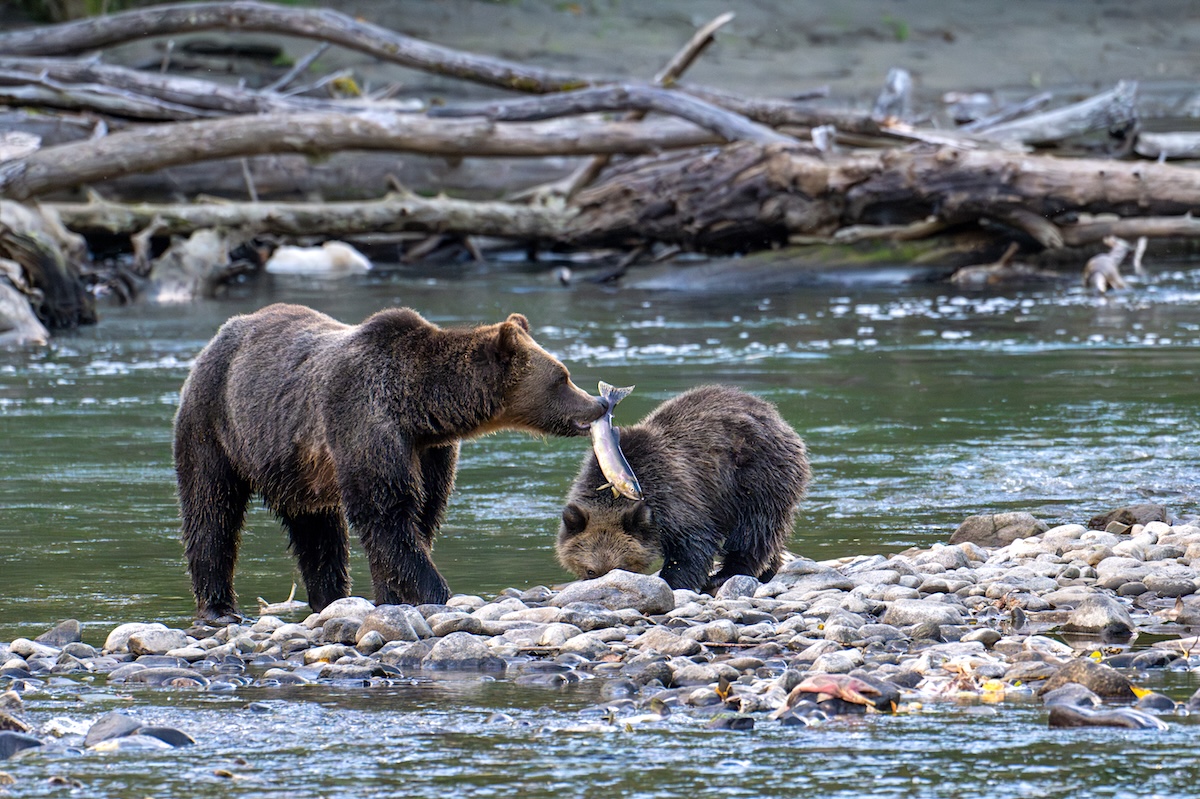
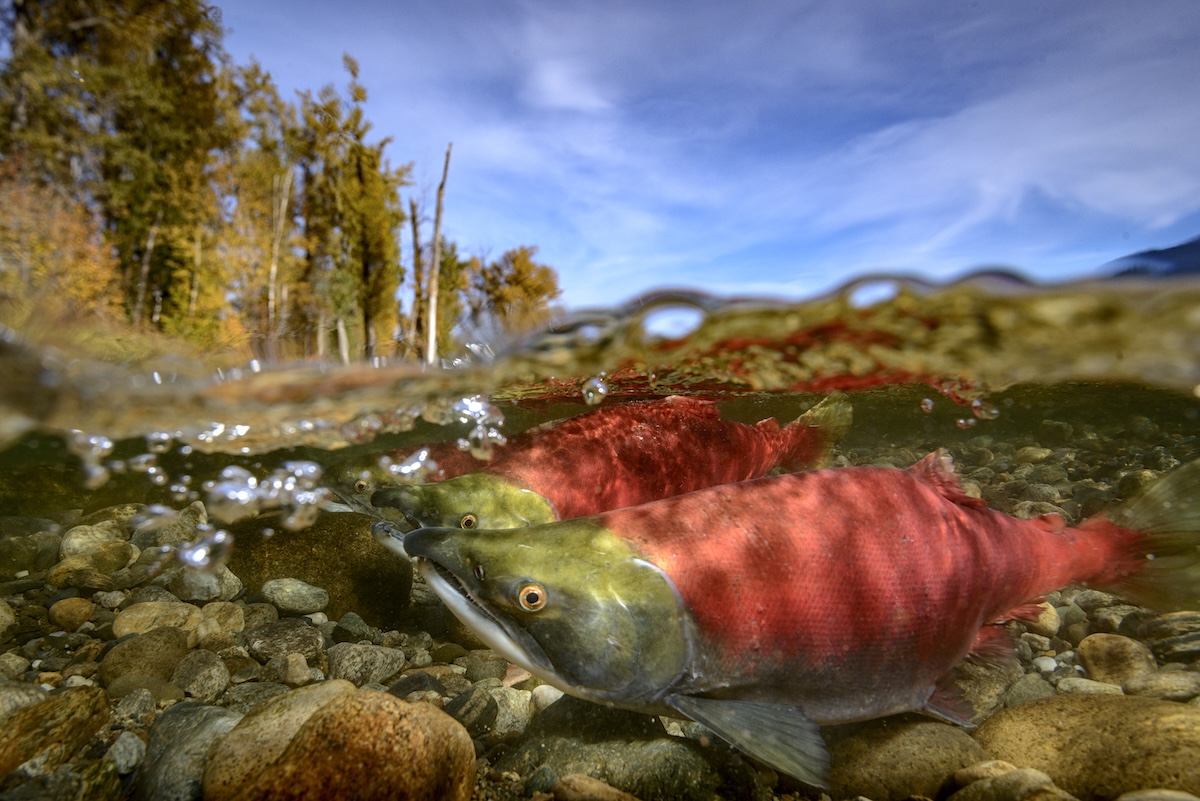
For Pacific salmon, homecoming is a one-way trip. After donning their spawning colours — for sockeye, a brilliant red and green; for chum, purple stripes; for pink, an impressive hump — they find a mate and jockey for a spot of gravel to lay their eggs, and then spawn and die. They leave behind thousands of eggs, so that some of their offspring will, with luck, undertake the same journey and return to the same stretch of riverbed.
This cycle of life and death supports entire ecosystems. Bears and wolves carry salmon into the forest to feed, bringing ocean nutrients deep into the woods. Those nutrients nourish everything from the smallest creatures in the soil to the tallest trees along the riverbank.
“Supporting salmon recovery is a win-win-win for people, nature and the economies that depend on them,” says Michael Meneer, president and CEO of PSF. “We all need salmon, and salmon urgently need our help. The time to act is now.”
PSF’s 2026 “State of Salmon” report found that approximately half of all salmon populations in B.C. and the Yukon are in long-term decline.
Through science, action and influence, PSF is working to help salmon at every stage of their journey home.
In the Salish Sea, between Vancouver Island and the mainland, PSF scientists are studying the salmon food web, the impacts of aquaculture and disease, and the bottlenecks affecting salmon survival.
Headed upriver, PSF’s Climate Emergency Fund is helping communities respond to immediate threats to migrating salmon, such as landslides and dried-up streams. Those threats grew this summer, with drought conditions across the province. For example, the Salmon River in B.C.’s Interior faced historically low water flows. PSF and the First Nations Fisheries Council of B.C. helped support Splatsin First Nation and the Secwépemc Fisheries Commission as they activated drought response measures.
Closer to Vancouver, after a 2023 drought left a stretch of ʔənl̓ilwətaʔɬ (Indian River) dry and thousands of salmon stranded, PSF committed $100,000 to support səlilwətaɬ (Tsleil-Waututh Nation) in installing four large log structures that create deep, cool pools and protect the banks from erosion.
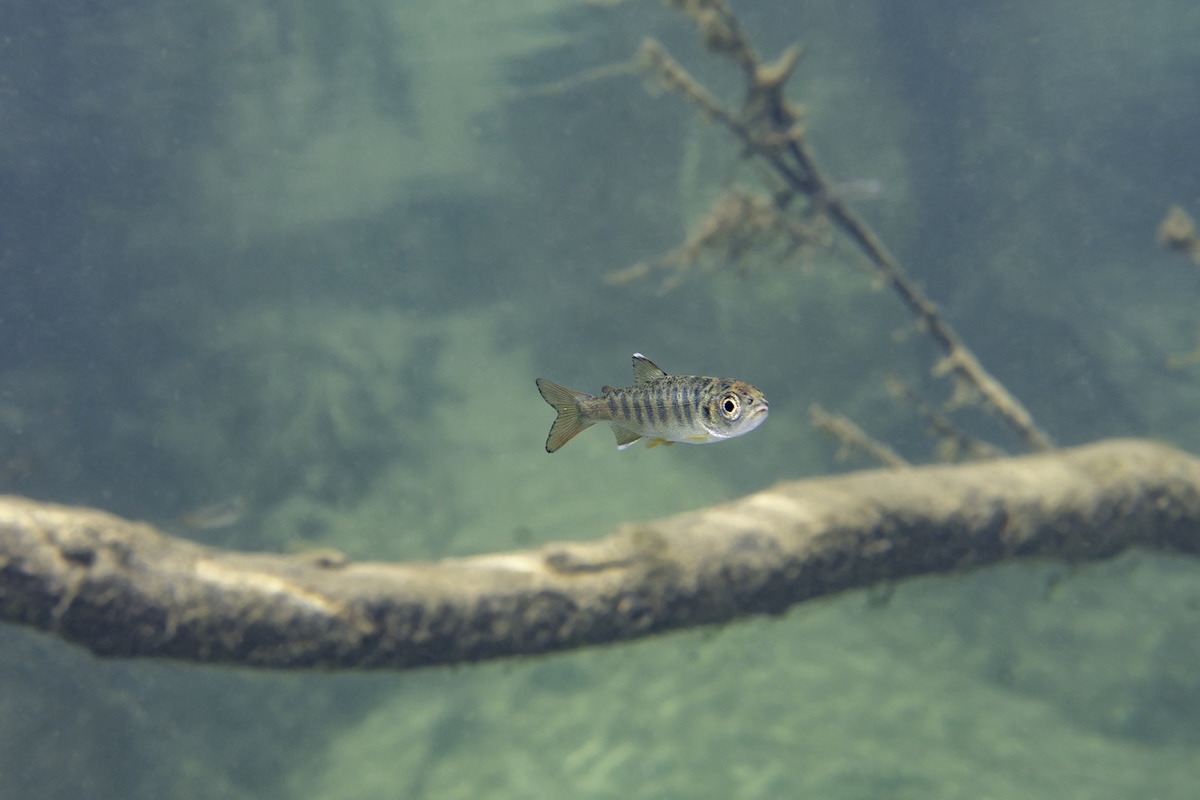
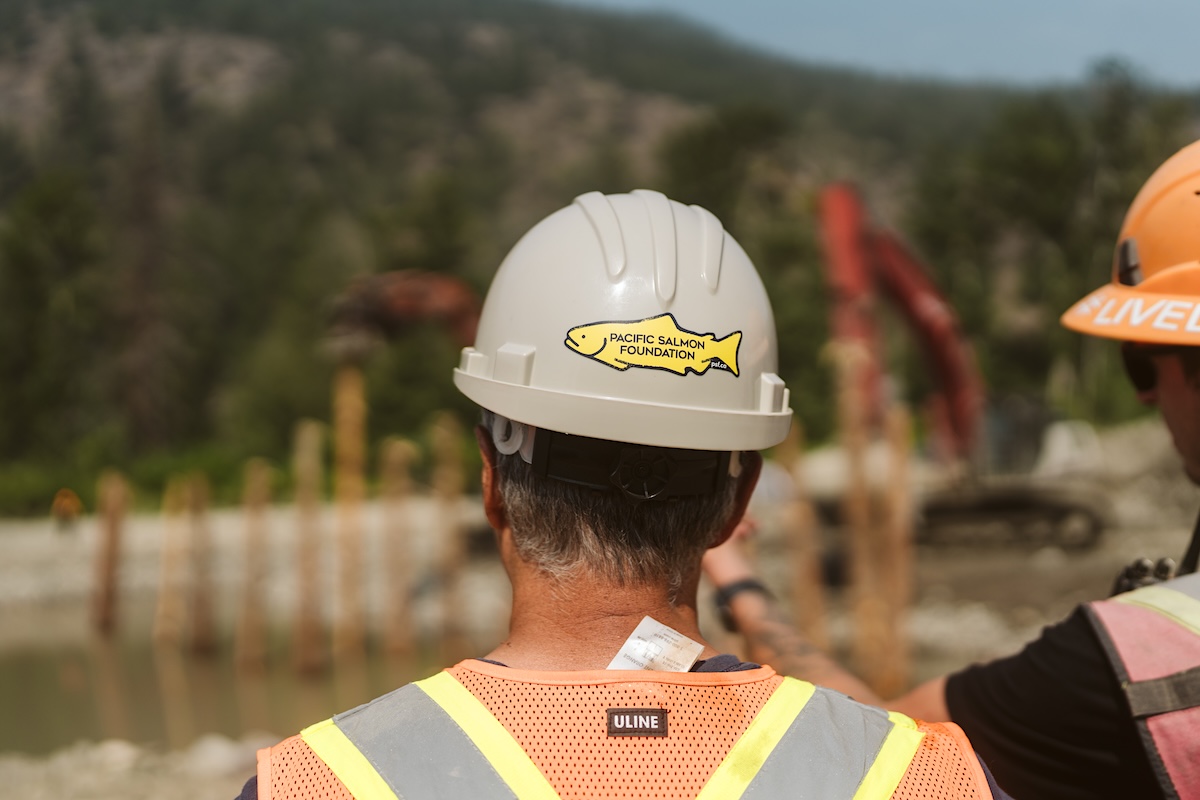
Across the province, PSF’s Community Salmon Program has funded more than 3,700 community-led projects since 1994. This spring, it awarded a record $1.9 million in grants to 144 projects, funded mainly by the Salmon Conservation Stamp and by generous donors.
And at the journey’s end, PSF is helping to restore spawning grounds in some of B.C.’s most iconic watersheds, including the Adams and Nicola rivers in the Interior and the Muchalat watershed on Vancouver Island.
“We cannot stop extreme weather, but we can strengthen watersheds before disaster strikes,” Hwang says.
There is reason for hope. “Salmon are resilient by nature,” says Hwang. “While many populations are struggling, we’ve seen incredible, often immediate results from habitat rehabilitation and improvement efforts.”
This holiday season, the Pacific Salmon Foundation is calling on all British Columbians to help more salmon make it home. Donate today at PSF.ca.
The Pacific Salmon Foundation is a non-profit environmental organization dedicated to the conservation and restoration of wild Pacific salmon and their habitats in BC and the Yukon. 
This article is part of a Tyee Presents initiative. Tyee Presents is the special sponsored content section within The Tyee where we highlight contests, events and other initiatives that are put on either by us or by our select partners. The Tyee does not and cannot vouch for or endorse products advertised on The Tyee. We choose our partners carefully and consciously, to fit with The Tyee’s reputation as B.C.’s Home for News, Culture and Solutions. Learn more about Tyee Presents.








Tyee Commenting Guidelines
Please note that email notifications for replies are not currently working due to a software issue which may be resolved in a future update.
Comments that violate guidelines risk being deleted, and violations may result in a temporary or permanent user ban. Maintain the spirit of good conversation to stay in the discussion and be patient with moderators. Comments are reviewed regularly but not in real time.
Do:
Do not: