SHARE:
There were fires. Freedom of information requests. A provincial election full of plot twists. And, of course, hits of inspiration that took us by surprise and reminded us why journalism matters, and why this work is important to us.
As 2024 runs out the clock, Tyee staff writers take stock of the work they authored this year that meant the most to them. These are stories born of months or years of skilled investigation, stories that offered solutions and a path forward, and stories that reminded us of what it means to be human.
In an era when tech billionaires are cheering for the death of news media, these are no small feats.
Despite what Elon Musk and Mark Zuckerberg might say, it’s clear that the public appetite for top-notch journalism is stronger than ever.
At the time of this writing, we’re closing in on our goal of reaching 500 new recurring supporters by the end of this year.
Please join us and become a Tyee builder today.
Read on for our staff reflections on this year in journalism. All of this is made possible by the support of our readers.

An election year marked by a seismic shift: Andrew MacLeod
Last January an official in the B.C. premier’s office told me, “Well, it’s all about the election from now until October.” That turned out to be about right. With the fixed election date set, and Premier David Eby committed to sticking to it, everyone could see it approaching, and by the time election day finally arrived, I felt like I’d been writing about it for most of the year.
Luckily, it was as sensational as they come.
There was a seismic shift in August when BC United suspended its campaign, but there’d been many tremors providing early warnings as support, MLAs and donors flowed to the upstart BC Conservatives.
In the end the election was notable not just for the Conservative rise and the close result, but for it being the first time more women than men won election in a Canadian province, something yet to happen at the federal level.
Shortly after voting day came the sad news that former premier John Horgan, someone I’d known and covered for nearly two decades, had died.
It was a reminder that the politicians we cover are thoroughly human, that they really do make sacrifices to do the work they do, that all is impermanent and we need to make the most of the time we have.
Shaking the fruits from the FOI tree: Amanda Follett Hosgood
’Twas the year for freedom of information.
Not that the information was given freely, and it certainly wasn’t provided without cost. But FOI, the process of requesting government information through access to information laws, dominated 2024 — right out of the gate, January marked my first-ever inquiry through B.C.’s Office of the Information and Privacy Commissioner.
The OIPC is the place to complain about the response (or lack thereof) to an FOI request. If they can’t negotiate a solution, they’ll put you in the queue for inquiry. It’s an onerous process involving a lot of legalese and, as a journalist, a fair bit of impostor syndrome. But a decision is binding.
This year, my number was called for three such inquiries.
In the end, my efforts shook loose a few significant bread crumbs — tiny tidbits of transparency.
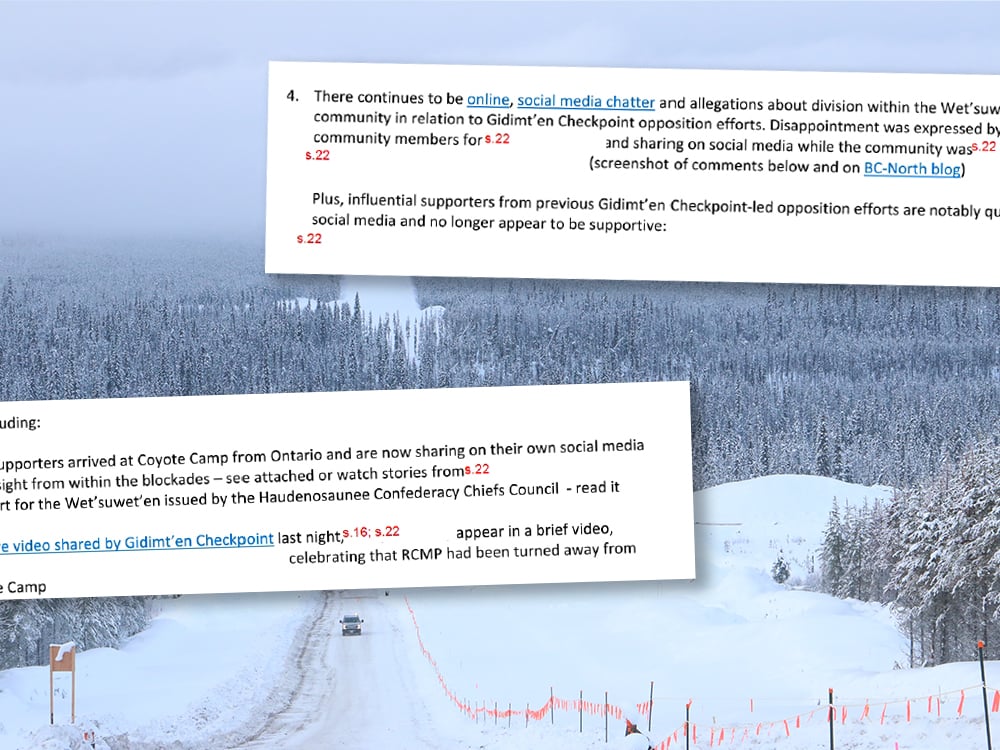
In one case, B.C.’s Energy Ministry argued that it couldn’t possibly release records related to Wet’suwet’en land defenders — the information had been collected illegally in the first place.
In another, the Ministry of Forests argued against releasing a B.C. wildfire expert’s report into the Lytton fire, saying the expert had subsequently “changed his opinion” about the fire’s cause.
Some say the system is broken. It’s hard not to feel despondent about the effort, expense and wait that go into each request, only to receive a PDF full of blank pages.
But keep shaking the FOI tree; something may fall out.
Breaking cycles, seeking accountability: Katie Hyslop
Every journalist will at some point bump up against privacy laws. They exist for a good reason, especially if children and youth are involved. There are some things the public has no right to know.
However, these laws can hinder accountability from institutions like school boards, social workers and police, for example. Especially when the parents of the minor whose privacy is in question call for information to be released, to no avail.
That was one of the barriers I ran into earlier this year when reporting on a case of alleged child-on-child sexual assault in the qathet School District. It’s an incredibly sensitive and delicate topic, one that required extra steps to ensure the anonymity of the children involved.
Sexual assaults committed by kids are an important topic to shed light on. While reporting on this story, two other stories about sexual assaults of school-aged children by their peers made the news.
This is not a new phenomenon. Almost every woman and non-binary person I know experienced or witnessed sexual assaults, harassment and misconduct in grade school. Men and boys are victimized too; as much as we are reluctant to believe women and gender-queer people, we have even greater stigma against hearing from victimized men.
This issue isn’t going away without big changes in how we talk to children, in age-appropriate ways, about bodily autonomy, sexuality, sexual health and consent.
If schools or parents don’t provide this information, kids will continue to seek their own sources, and the cycle of assault will continue.
A mosaic of housing crises, and mozzies: Christopher Cheung
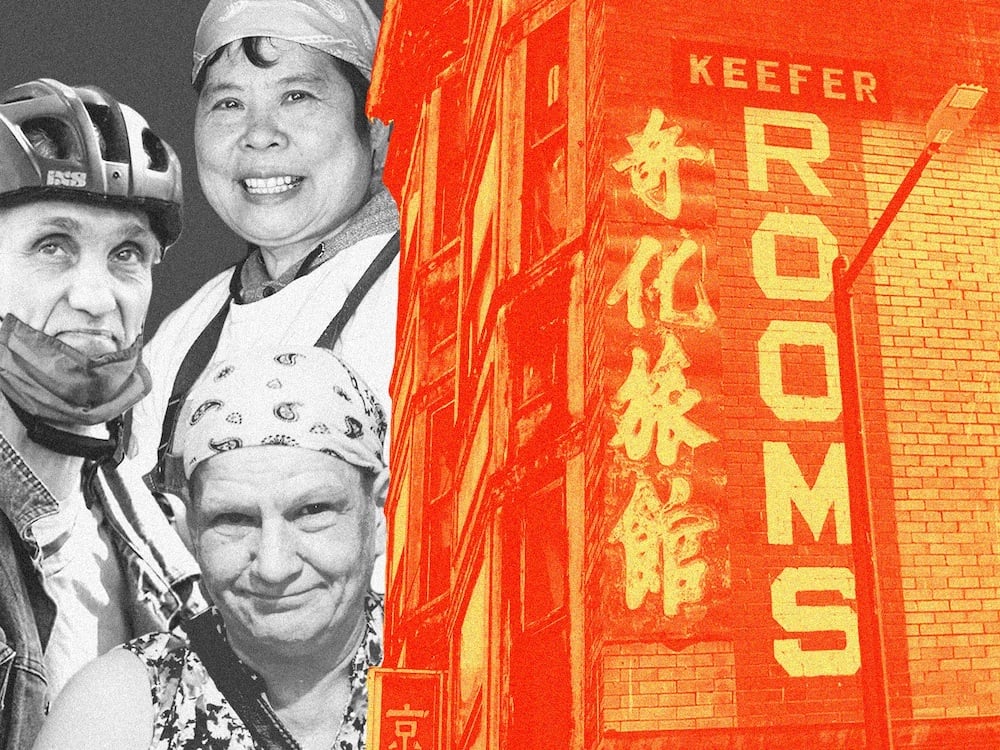
My story on the Keefer Rooms fire opens with three tenants rushing back into the building to save their three cats. Single-room occupancy buildings like this one aren’t perfect, but they remain a much-needed stock of affordable housing in Vancouver.
I spoke with tenants who were homeless, kicked out of the family home and struggling with health before they found a stable home and community at the Keefer Rooms. My story on the life they built and lost in the fire is the one I’m proudest of this year.
Of course, everyone’s housing crisis looks different. Further up the income ladder are young people concerned about making the jump to property ownership. My essay on the agonies of millennials and how the bank of mom and dad begets “inheritance capitalism” — a blend of research and conversations at housewarmings — was my most-read piece of the year.
Following close behind is my National Housing Day history lesson: on how the Canadian housing crisis was a crisis that was made in-house, thanks to the rise of austerity and resulting reluctance to ramp up public spending.
And finally, you might remember a piece I did a few years ago on a grain farm in Agassiz. Well, I returned home that day with the worst batch of mosquito bites I’ve ever had, attacked by the aggressive residents of a mucky slough. I finally revisited my relationship with the floodwater mosquito, chronicling their early run-ins with Indigenous Peoples and settlers alike, larvicide tech, climate change, conspiracy theories and the remarkable biology that has kept them feasting for millennia. Itchiest story of the year?

I’m closing the year feeling hopeful: Dorothy Woodend
Sometimes I drag my tired old self to an opening or an event, thinking “I’ll just pop in, have a look and then go home,” only to be completely floored by what is on offer. This happened only last week at the Vancouver Art Gallery with the new exhibition Multiple Realities: Experimental Art in the Eastern Bloc, 1960s-1980s. A show more relevant to the current moment is hard to imagine.
There are creative strategies aplenty for getting through the coming chaos. I’m looking forward to writing about the show in The Tyee’s new Weekender culture section in the new year, but if you’re in need of a one-two hit of solidarity and subversion, go see the show in person if you can.
In looking back at the books, films, art exhibitions and events I covered this past year, I feel a little more hopeful than this piece might lead you to believe.
It often feels very Dickensian at the moment — best of times and the worst of times kind of stuff. Whenever implosion is happening at different arts organizations, there’s something remarkable coming into being, as bright and shiny as a newborn baby.
Charles Dickens got it right when he wrote in A Tale of Two Cities, or, in the case of Vancouver, a tale of one city particularly divided against itself: “It was the age of wisdom, it was the age of foolishness, it was the epoch of belief, it was the epoch of incredulity, it was the season of Light, it was the season of Darkness, it was the spring of hope, it was the winter of despair.”
Things change, cities change and for every loss (I am still heartbroken over the 10-year-old New Media Gallery going on hiatus), there is another meteoric starburst of ideas, beauty, creativity and passion.
That’s the funny thing about the arts, and humanity in general. Just when you want to throw your hands in the air and stomp home, something comes along that reminds you there are things worth fighting for. Art is one of them.
A year of solutions: Michelle Gamage
I am particularly proud of stories that spoke to and offered solutions for challenges experienced by highly marginalized groups.
Like getting to the bottom of how sex workers could get tested for a sexually transmitted infection most family doctors had never heard of and didn’t know how to test for, or highlighting how people struggling with homelessness can develop a form of trench foot during the rainy season.
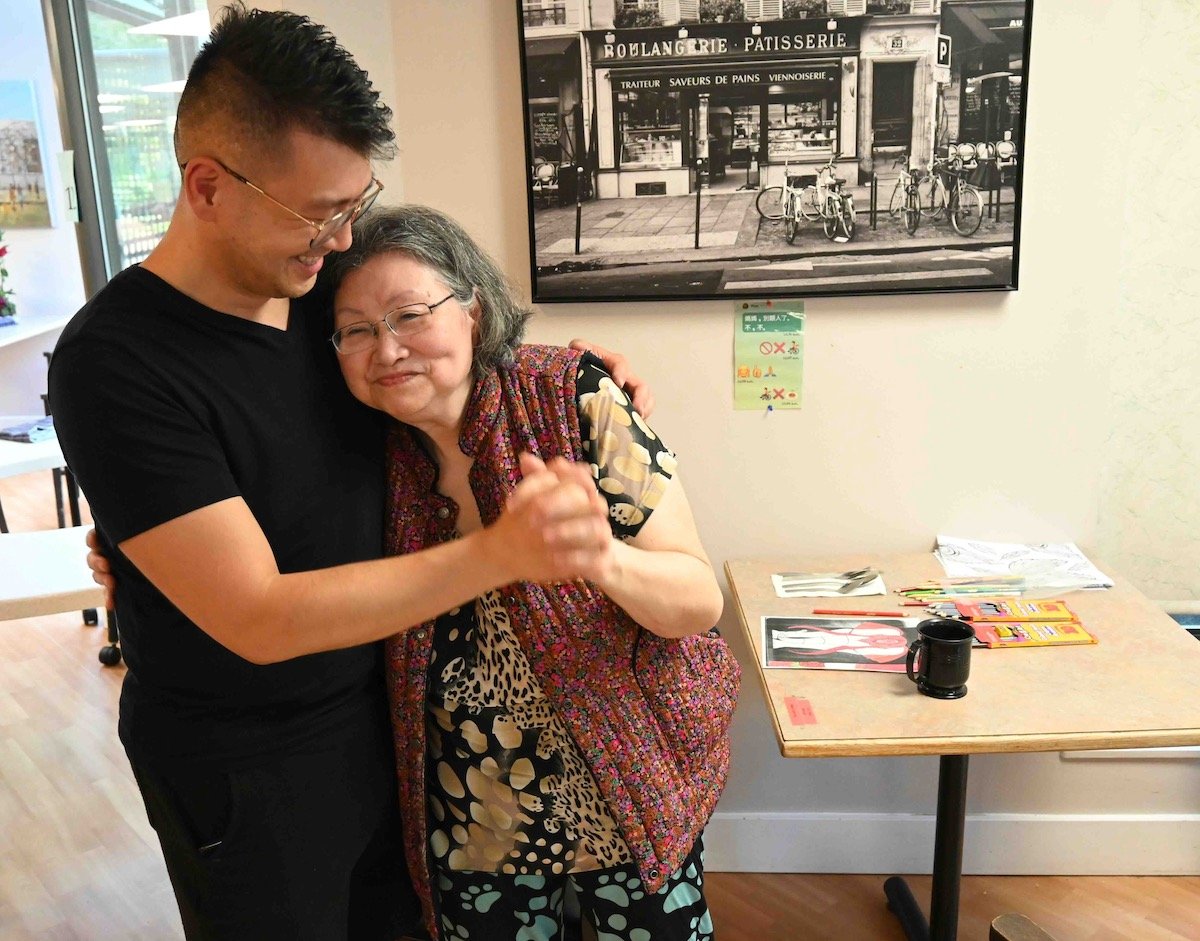
Also, sharing the work seniors and their families were doing to improve their living conditions in long-term care facilities.
Two other favourites are explainers that took very different approaches.
First, I unpacked how politicians from two major political parties were proposing using involuntary treatment to address public order and the ongoing toxic drug overdose crisis.
Second, I took readers on a tour of the Canadian Food Inspection Agency lab so they could peek into an arm of government they interact with almost every day through the food they eat, but rarely think of (which is a good thing — public health is most successful when nothing happens).

A year in the algorithms, and what they teach us: Sarah Krichel
When Meta banned Canadian news from its platforms Facebook and Instagram, things got meta — so to speak. I found myself both managing social media tools to share Tyee stories (the ones we could still post on, anyway) and reporting for The Tyee on the changing landscape itself.
In a country with a major lack of media watchdogs, and as more and more people get their news from social media but specifically the disinformation-rife TikTok, scrutiny into how Canadians’ access to journalism has been undermined is a crucial study for our democratic health.
Newsrooms are still trying to figure out how apps like TikTok fit into their in-house skill sets and publishing schedules.
But when I went further and asked TikTok how it’s integrating reliable information into its operations, the answer was clear: this is an entertainment app, not a reliable-information one.
It’s easy to blame TikTok for a problematic viral video here and there. But Melody Devries, a digital media and communications expert, noted how bits of misleading information delivered by view-hungry algorithms contribute to online radicalization not overnight, but over time.
TikTok may appear to be on its way to being banned in the U.S., as well as banned from operating out of Canada. But the app will remain on Canadian news consumers’ phones until further notice.
There’s no silver bullet for the state of our information ecosystem in Canada, but I’m grateful Tyee readers are made aware as we journey toward a healthier one.
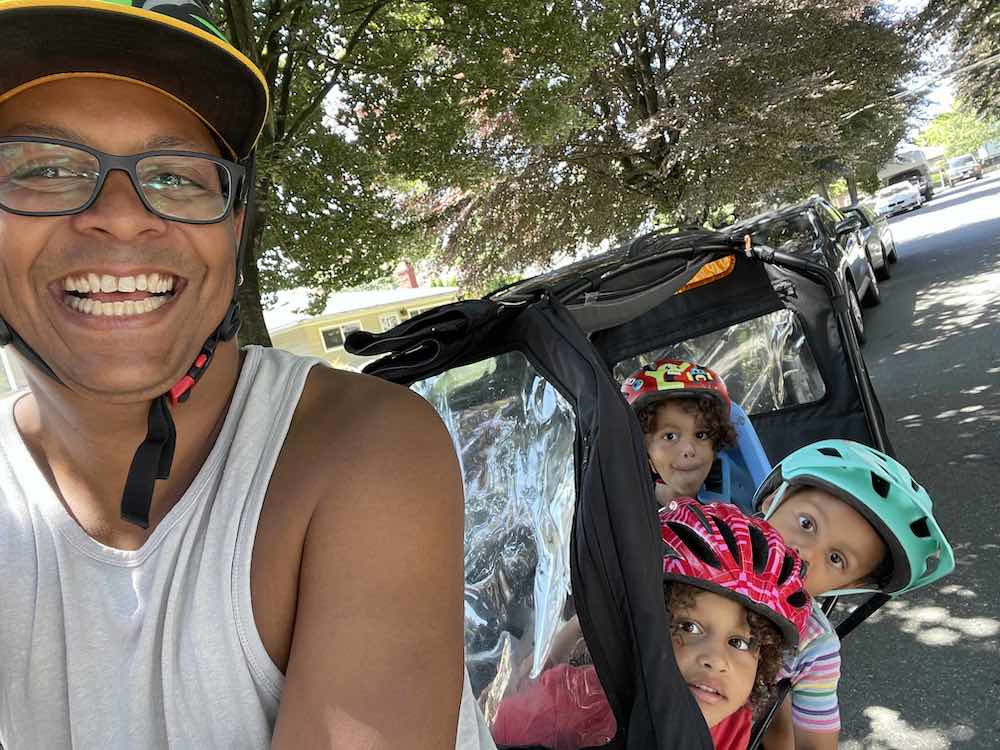
This year, I wrote myself out of a funk: Harrison Mooney
I joined The Tyee back in August while fighting the yips. Writing has always come easy to me. But suddenly, this year, each sentence felt clunky, each paragraph seemed incoherent. I took this job certain that someone would notice I suddenly sucked at my salable skill.
Looking back at my 2024 output, I’m stunned to discover I published some 20-odd stories. My piece on the lost B.C. peach harvest stands out.
Same goes for my essay on swimming while Black.
I covered politics during the B.C. election, which was a nice change of pace. But if I’m being honest, my parenting columns have been the most fun to compose, from an ode to my e-bike and the joys of throttle culture back in May to a more recent essay on reading and raising my children while grieving.
Honestly, more than particular pieces, I’m proud of myself for returning to form — though I get the sense now that my struggles were all in my head.
In hindsight, the main thing I lost was perspective. It’s nice to see clearly enough to look forward to next year.
Spreading the news with a homemade poster: Jen St. Denis
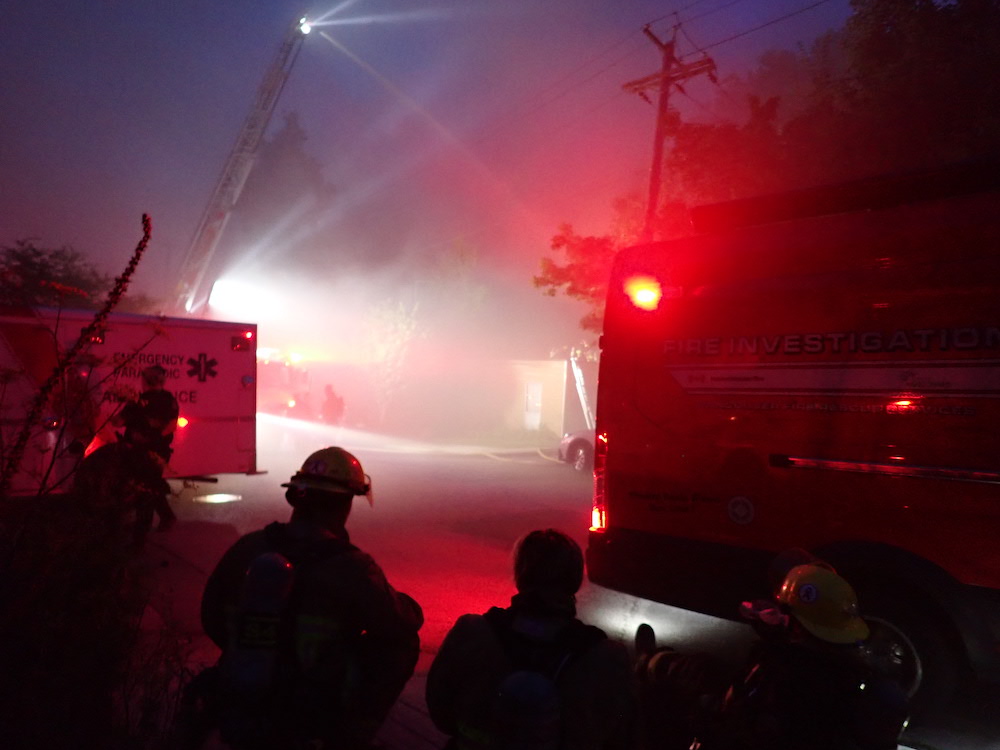
The fire at an apartment building in Mount Pleasant in the summer of 2023 was the kind of story that gets my Spidey senses tingling. The fire department urged local media to look into the landlord’s history of fire bylaw violations, which turned out to be extensive. Then a tipster got in touch to let me know this wasn’t the first building owned by Henry Ren and Fang Yan to go up in flames.
I spoke to tenants — ordinary working people just struggling to get by in Vancouver — who were afraid they would never be able to find another apartment they could afford in the city, and I interviewed a young woman, seven months pregnant at the time of the fire, who had been stranded on her balcony while the flames raged behind her as she waited to be rescued.
I started a months-long investigation into the disturbing history of the owners of the two rental buildings, one in Vancouver and one in Burnaby.
Previous fires had destroyed the homes of dozens of tenants, and one of the blazes had led to the death of one resident and serious injuries for others, including a young child. And yet, despite the landlords’ history in Burnaby, they’d been allowed to continue operating another rental building in Vancouver.
As a reporter, I’m horribly competitive, and sometimes I can get caught up in comparing my work with others’ and obsessing over why mine hasn’t been chosen for awards. It can be easy to lose sight of the fact that, as journalists, our first duty is to our readers — the people who live in our community — both in choosing which stories to spend time producing, and in how we report them.
On the one-year anniversary of the fire, someone put up a poster in Dude Chilling Park near the site of the Mount Pleasant apartment building. “Dude Chilling News,” proclaimed the poster, detailing the facts of Ren and Yan’s history as landlords, along with QR codes to two of my stories.
That poster, handmade with glue, scissors and Sharpies, really taught me a lesson about the value of community journalism, one that I have carried with me through the year.
It’s helped me think about how and why I do my work, what problems to focus on and what questions I can help answer.
The Tyee can publish important stories by skilled reporters because of our members we call Builders who give whatever amount they can. If you see value in independent journalism, please consider becoming a Tyee Builder before our end-of-year fundraiser draws to a close.
Happy holidays, readers. Our comment threads will be closed until Jan. 2 to give our moderators a much-deserved break. See you in 2025! ![[Tyee]](/design-article.thetyee.ca/ui/img/yellowblob.png)
Read more: Media