

 SHARE:
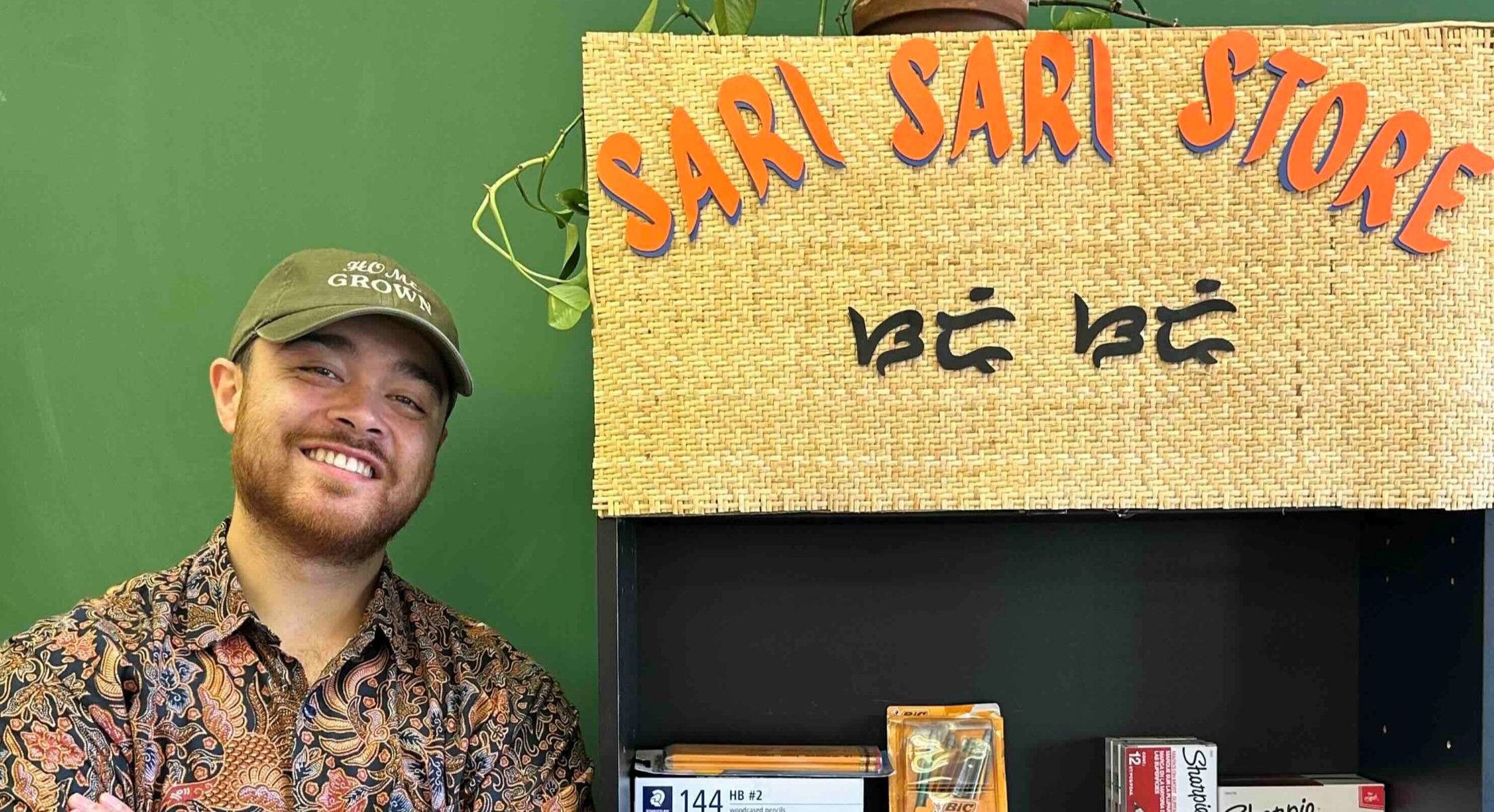
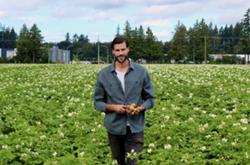
Sol Diana is many things. He’s a brilliant poet. A boxing coach. And a beloved educator.
At Killarney Secondary, it may not surprise you to learn he’s that teacher. The one whose door is always open. The one who seems unbothered, seems to thrive, amidst the chaos of another year, while everyone else is still struggling to locate their lesson plans, fumbling for the password to the photocopier.
Granted, Diana is probably scrambling a little bit too. He’s got ADHD, so it’s rare when he isn’t. But it’s also rare to find his classroom door closed when you need him or a safe place to let down your guard amid the social pressure cooker of another year of high school.
“I keep a pretty open-door policy,” Diana explained to the Tyee. “That’s something that I visualized for myself when I started being a teacher. Because as a kid, that was often something I would need. So it’s been really awesome to sort of embody the teacher that I would have wanted.”
Diana has a knack for meeting people where they are. He reads the room, and then the poem, aloud, that brings the room together. The Filipino Canadian writer and spoken-word artist is a true creative force whose way with words was never more apparent than in the aftermath of a tragedy at a Filipino cultural celebration last year.
His beautiful 2025 poem “the garden on fraser and 41st” captured the heartbreak of Vancouver’s Filipino community following the Lapu-Lapu Day festival tragedy last spring. Diana’s words also resonated well beyond, and seemed to knit us all together.
It was a special poem. Diana told the Tyee that he knew it right away.
“The way that I wrote it, it was definitely an out-of-body experience,” he said. “I haven’t written like that since. Something took over. It definitely felt like a spiritual moment.”
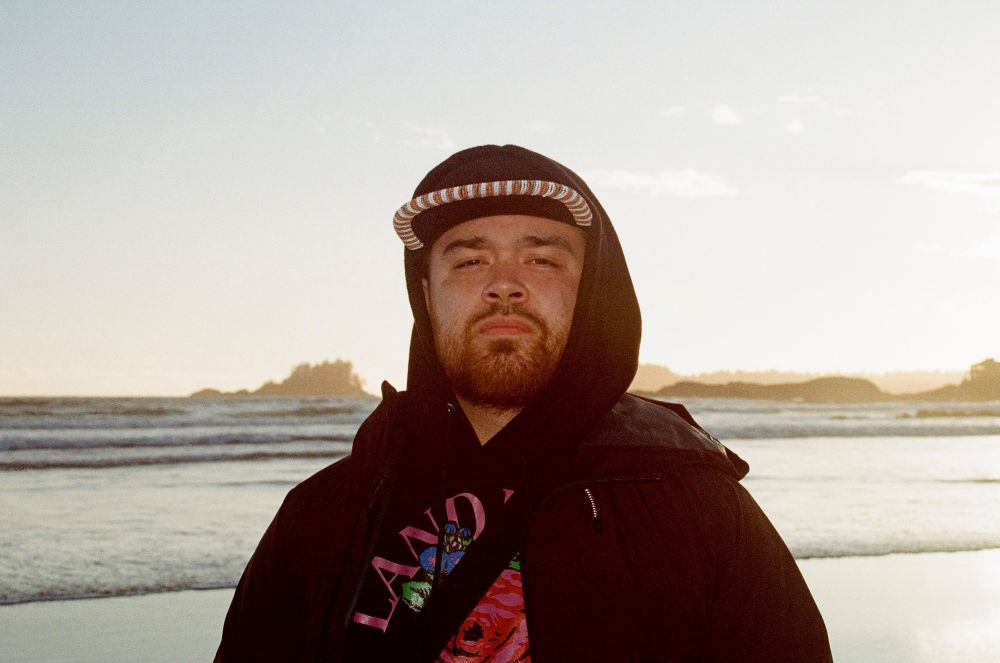
We sat down with Diana to talk about writing, teaching and what it means to nurture the next generation. This interview has been edited for length and clarity.
The Tyee: Recently I reread that beautiful poem you wrote after Lapu-Lapu. You had that one line: On Sunday we sounded like thunder. So bouncy, so voicey. I can’t believe you don’t have your own book already.
Sol Diana: That’s something that’s in the works. With ADHD, it can be hard to really just sit and dedicate a lot of life energy to something, especially when there’s all these other things going on. But it is something I’m working on. I think I’m building a nice archive of work. So that’s the plan for sure.
ADHD, huh? I have that. Are you on the meds? Or are you free-braining all the time?
I was [medicated] for a couple years, but it made my sleep even worse. I was, like, titrating for a while, trying to find the right dosage, and then I just gave up. So I’ve been free-braining. It’s give and take, but I’m making it work so far.
Heroic. My daughter had a teacher last year with ADHD and that class was just a completely different experience than with the super-structured, Type A teachers she had for Kindergarten and Grade 1. Not a bad experience. Just totally different. Teaching with ADHD seems tough. What’s it like?
I definitely struggle when I compare myself to my colleagues who are Type A and have run a tight ship, have everything organized and their classroom is spotless.
But now that I have a few years under my belt, I’ve really leaned into some of the strengths that my ADHD gives me. I think I’m really sensitive to what my students need. I’ll pick up on certain things. I’m able to change and adapt on the fly. I’m not so tied to either a lesson plan or the vision that I had.
So I think, with my ability to get distracted by something and follow a different thread, I’ve been able to make that work in the classroom. And I think some of my other students who also probably have ADHD have been really grateful for that.
I’ll bet you crush at back-to-school. Those first few weeks seem so chaotic. But this genre of brain thrives on chaos.
I love back-to-school because it’s a clean slate, and you get to meet these new students. It’s almost like being given a new game, or a new challenge, or a new problem that you have to solve. For my ADHD brain, the only way that I’ll be able to get anything done is with that novelty.
I love those first two weeks. The pressure isn’t there yet. We’re getting things off the ground. Let’s play this game to get to know each other. Tell me about yourself. I learn so much within those first two weeks, and then it informs how I can run the classroom for the rest of the year.
Where do you teach and what do you teach?
I’ve taught in a different classroom, different grade, every year of my career so far. Luckily, this upcoming school year is the first year that I really have a home base.
I’m about to enter my second year at Killarney Secondary School, teaching English, First Peoples, and Social Studies, Grade 8 and Grade 10.
But before that, my very first contract was in a Kindergarten class. I’ve taught Grade 3/4. I taught a Grade 5/6 split. I taught Grade 7. Last year was my first year teaching high school. So I feel like I’ve kind of been everywhere.
Do you have a preference?
Well, my training is in high school, so I think just by way of my wheelhouse, teaching high school social studies is my preferred grade. It’s what I’m good at.
But working in elementary school, I really found that the upper intermediate grades, like Grade 5, I’d say, is the sweet spot. The kids are brilliant. They love being at school. They’re not afraid to be silly, and it takes very little prompting to get them hyped up about anything.
It made the job really fun and really easy. The only thing with elementary school in general is that it’s just a lot more classroom management, and that sort of energy that can really drain you.
And as someone who wasn’t trained to teach elementary school, that’s something that I really struggled with for the three or four years that I was doing it. In high school, it’s a bit more siloed. You’re teaching one specific subject. That’s also been a bit more sustainable, and I’ve still been able to build some really cool relationships with students.
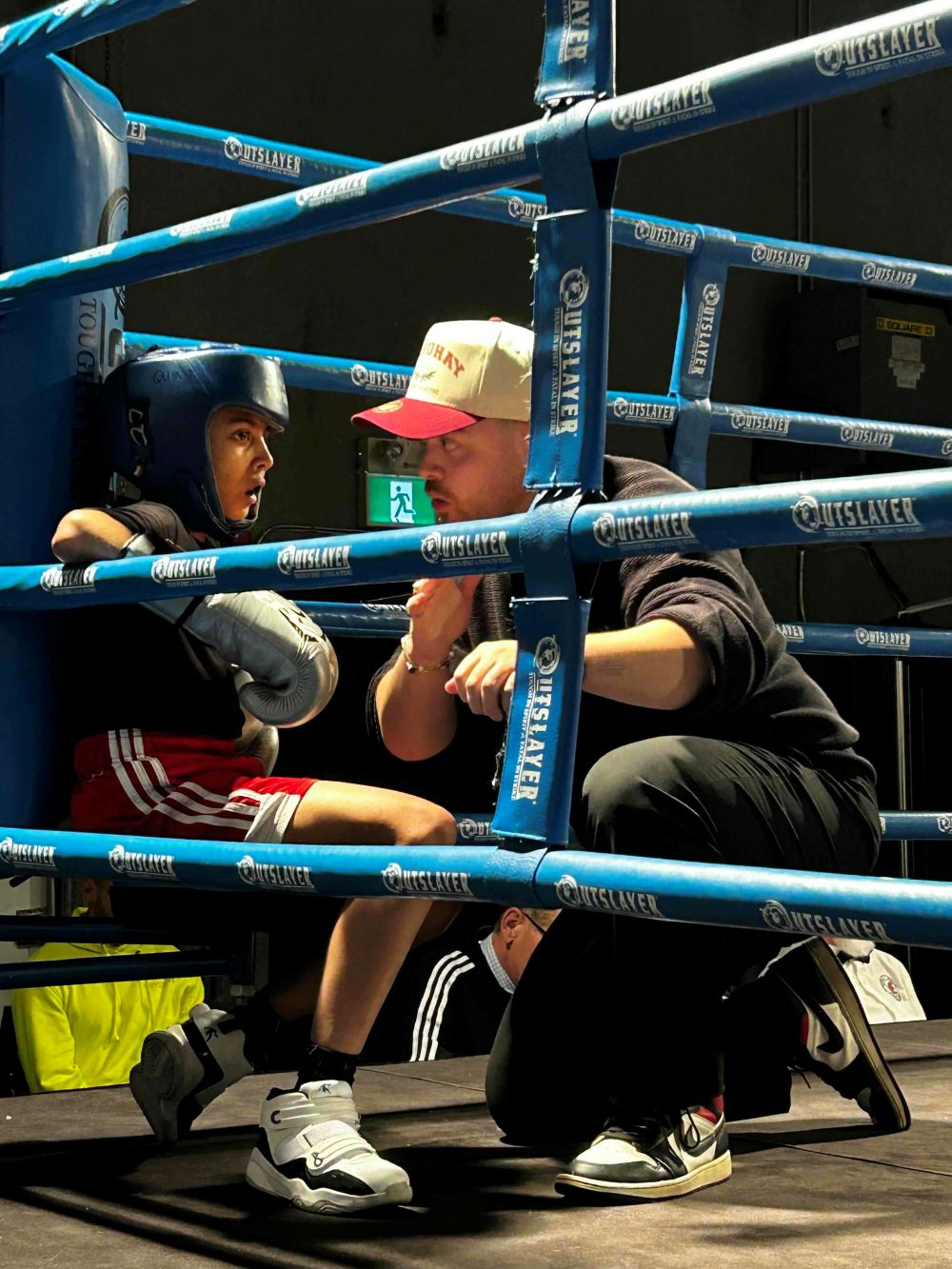
You also run a boxing program, Little Roosters.
Yes. It’s a program for kids aged six to 11 in East Van, and I do that twice a week. It’s been about four years.
Sell me on boxing. I’ve got friends who do it. I’ve got friends who put their kids in it, and I just… any sport where you’re punching people in the head just doesn’t seem good to me.
Yeah. My boxing coach always said, like, if you want to go into boxing to that level, where you’re trying to take someone’s head off and someone’s also trying to take your head off at the same time, there’s a little bit of a screw loose. But you do it for the love of the game.
At this gym, there’s something for everybody. Like the rec classes are non-contact, so you’re just hitting a bag, or you’re working with a partner on hand pads.
From a fitness level, it’s great cardio. Then from my perspective, teaching the kids, it’s excellent for learning coordination.
For learning, like, the key movement skills — quickness, agility, hand-eye coordination — it’s so potent and salient for teaching that. And then spiritually, too. You find a flow state, even just hitting the bag. It’s so therapeutic.
You’ve got a lot of layers, Sol. Poetry, boxing, social studies… speaking of which, we’re both mixed race. I have to imagine it comes up in class. You’re surrounded by young people, trying to make sense of complex, cultural identities, looking for language that feels right for them. So I wonder, as somebody who is Filipino and Scottish, if you ever have opportunities to guide young people through that complication.
I think even with the way that I decorate my classroom, it prompts students to either think about their own identity or ask me about mine, to feel pride in it, rethinking what identity is and can look like.
My class is basically decorated like how a typical Filipino grandma would decorate their house. There’s the wooden fork and spoon on the wall. There’s different things from the Philippines that are set up.
But visibly, I look white. So it prompts a lot of students to ask me, like, why do you have all of these things from the Philippines, but you’re white?
I was raised by the Filipino side of my family, and I’ve decorated this place like a Filipino household that the ones that I grew up in resemble.
What’s really cool is students who are newly arrived from the Philippines — a lot of them come with this idea that they need to assimilate…
Right. You’re supposed to put all that stuff away.
Like, there’s no pride in being Filipino here because you have to be Canadian. But when they see that in the classroom, it gets them to rethink what it means to be a Filipino Canadian.
You can still take pride in your roots even though you’re in this new place.
It’s been really cool to see those “aha” moments. ![[Tyee]](/design-article.thetyee.ca/ui/img/yellowblob.png)






Tyee Commenting Guidelines
Please note that email notifications for replies are not currently working due to a software issue which may be resolved in a future update.
Comments that violate guidelines risk being deleted, and violations may result in a temporary or permanent user ban. Maintain the spirit of good conversation to stay in the discussion and be patient with moderators. Comments are reviewed regularly but not in real time.
Do:
Do not: