


 SHARE:
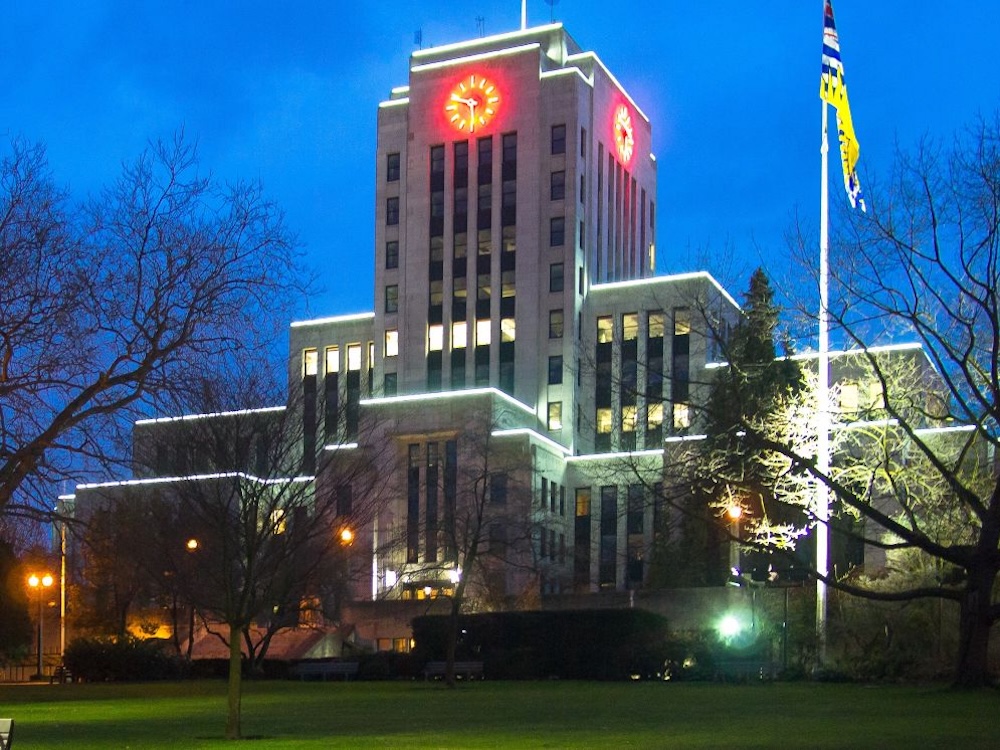
On May 21, Vancouver city council responded to public discomfort over their July 2023 city wide zoning change, which granted broad new “entitlements” to city landowners over what can be built on their properties.
The changes allowed owners to construct six units on any parcel in the city, no neighbourhood hearing required. The first examples built in various parts of the city came as unwelcome surprises to many residents. Petitions were launched.
Council reacted to this widespread complaint by voting to ask staff to pause the plan for six-plexes — a plan this same council approved two years before. Council also asked staff to explore what other North American cities are doing “to better balance housing delivery with neighbourhood impacts.” The passed motion is titled Review and Refinement of Multiplex Housing Policies Based on Early Implementation Experience.
Scores of speakers voiced their complaints at this meeting. One was Sean R. McEwen, a noted architect whose practice focussed on the disadvantaged, including the Mole Hill housing project in the West End. McEwen wrote a letter to council that cut straight to the heart of the current mess.
“Unfortunately, in my opinion, this council jettisoned years of successful community planning experience, when it cancelled neighbourhood plans created by staff and citizens, at considerable taxpayer expense and significant dedication of volunteer time by residents,” McEwen wrote.
Anyone who had the pulse of the neighbourhoods would have known this would be a problem. For 50 years, Vancouver had a world-famous tradition of working with, not against, neighbourhoods. That collaborative model delivered real results — a tripling of housing units city wide — all with the consent and active participation of city residents.
Step by step over the recent years, council has thrown that hard-won tradition overboard. The new way of doing things is codified in Vancouver’s Official Community Plan, formally adopted two months ago.
Scapegoating ‘NIMBYs’
This was all sold on the false notion that neighbourhood “NIMBYs” were the main reason housing costs too much. All that stood in the way of affordability, supposedly, was an over-regulated housing market and a council too responsive to local concerns. The solution, we were told, was to largely bypass the tradition of neighbourhood planning, a tradition that brought fame to the city, and impose a generic one size fits all development plan, ending resident comment on most new development.
But wait! If simply adding new housing units within existing neighbourhoods were by itself enough to lower housing prices, Vancouver, after tripling housing units city-wide should have the lowest home prices in North America.
Instead, it has among the very highest. What gives?
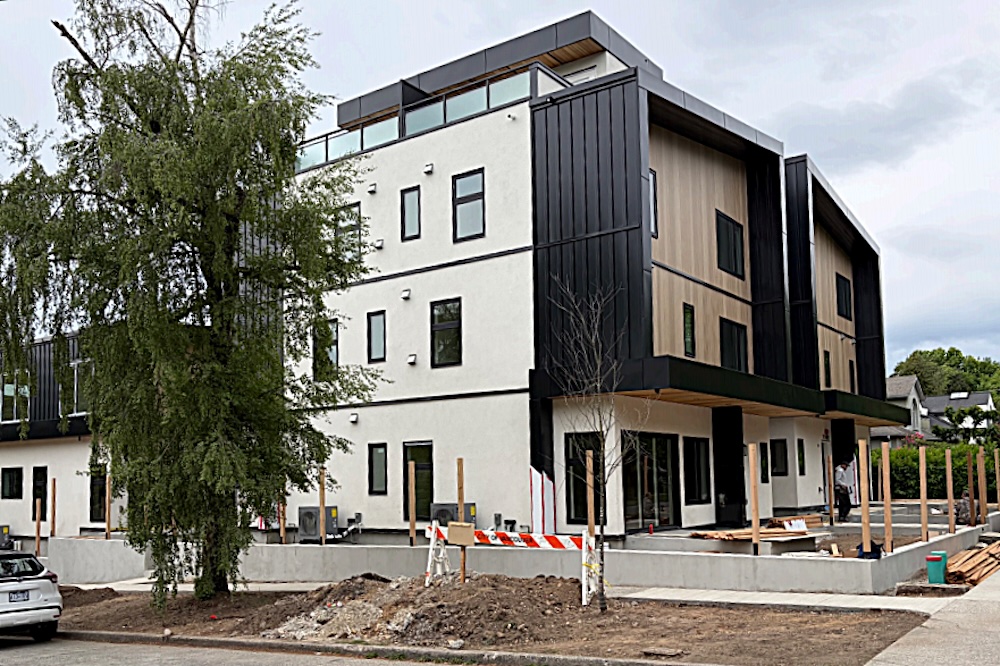
As a professor of urban design, I myself have argued for making it easier to replace single family residences with multi-unit complexes — particularly when tied to requirements that a percentage be rented at below market rates. However, I would gladly subject these designs to the local democratic process of discussion and review by neighbours and other city residents. And, after a thorough exchange, abide by the democratic will expressed.
By contrast, while passing the new city-wide plan, this council simultaneously repealed scores of carefully crafted neighbourhood plans approved by previous councils. Those plans showed exactly how to add new homes to existing neighbourhoods in ways that were explicitly suitable. They reflected years of dedicated work by staff and citizens alike. They were discarded in favour of a rigid, one-size-fits-all vision that treated local knowledge as an obstacle rather than an asset.
In doing so, council was lured by the siren song emanating from the pro real estate industry interests that spent years blaming neighbourhood residents for high prices.
Return to better ways
McEwen’s letter reminds us that councillors do not need expensive study tours of other cities to learn how to increase housing without provoking outrage from residents.
Vancouver already had “an admirable set of design guidelines to promote good fit for new buildings and density in our neighbourhoods, that encouraged a respect for context, basic good design and massing, and regulations to preserve existing tree cover and landscape assets,” he wrote.
What really happens when the city invites residents to collaborate in planning for more density and diversity of housing types in their neighbourhoods?
A good example is the citizens assembly that over many months crafted an alternative vision for the future of the Grandview Woodlands neighbourhood after the city blindsided residents with a plan that included many towers — some 40 storeys tall — dramatically altering the fabric of the Commercial Drive area.
The resident-guided community plan, largely approved by council in 2016, would have integrated 5,000 new units to the area, accommodating 10,000 new residents for a population rise in the area of nearly 30 per cent. All while moderating the number and height of new towers constructed there.
Charles Campbell, who was hired to document the process, has written: “I went to well over 100 community meetings of various types in this mixed-income neighbourhood with an Indigenous population approaching 10 per cent. And here’s the thing. Local knowledge matters, and the citizens who came to those meetings brought real, thoughtful concerns that way too frequently sail right over the heads of politicians and bureaucrats.”
But that local knowledge has now been disregarded under the new rules. Thousands of unpaid hours provided by citizens have been wasted. No wonder people are upset.
Council has heard loud and clear that it is time to restore trust by engaging in genuine neighbourhood partnership. Staff should revisit the discarded plans which still exist.
Vancouver should build on its proven tradition of compatible, context-sensitive organic growth rather than continuing failed experiments that alienate the very residents who have repeatedly shown they are willing to accept more housing.
Sean McEwen and thousands of other long-time residents are not against change. They are opposed to change that ignores Vancouver’s own successful history.
Council should listen before more damage is done to our neighbourhoods and public trust. ![[Tyee]](/design-article.thetyee.ca/ui/img/yellowblob.png)
Read more: Municipal Politics, Urban Planning









Tyee Commenting Guidelines
Please note that email notifications for replies are not currently working due to a software issue which may be resolved in a future update.
Comments that violate guidelines risk being deleted, and violations may result in a temporary or permanent user ban. Maintain the spirit of good conversation to stay in the discussion and be patient with moderators. Comments are reviewed regularly but not in real time.
Do:
Do not: