


 SHARE:
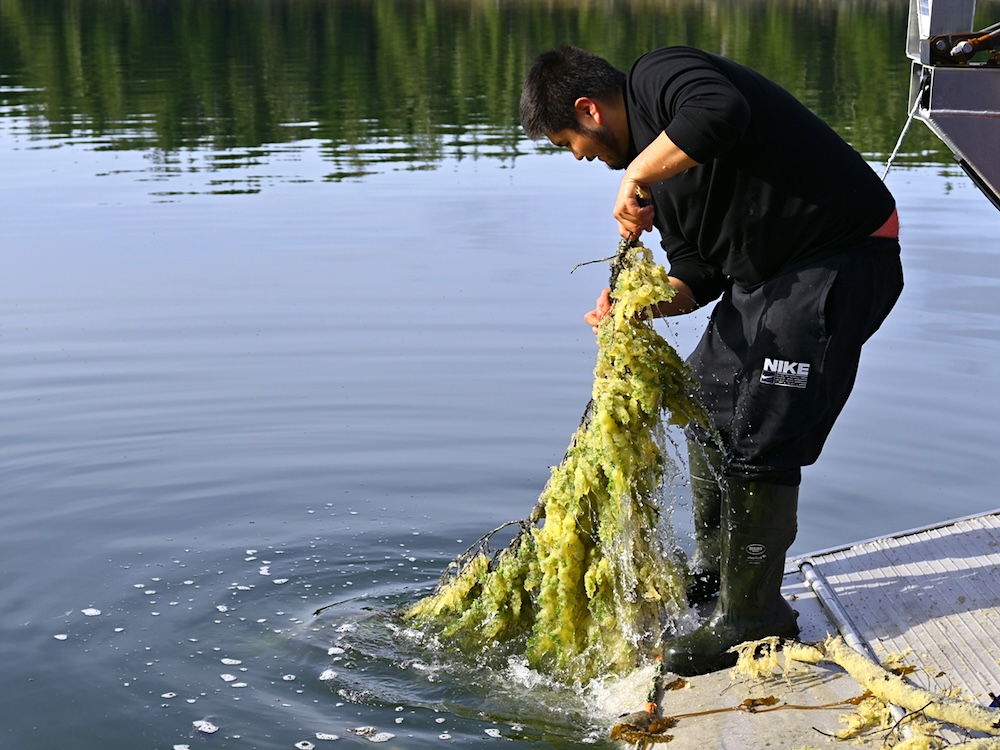
On Friday six First Nations established a new Indigenous Protected and Conserved Area on B.C.’s Central Coast. The area is larger than Prince Edward Island and will be protected under Indigenous law.
At the same time, the nations signed an agreement with the provincial and federal governments protecting the area as a national marine conservation area reserve.
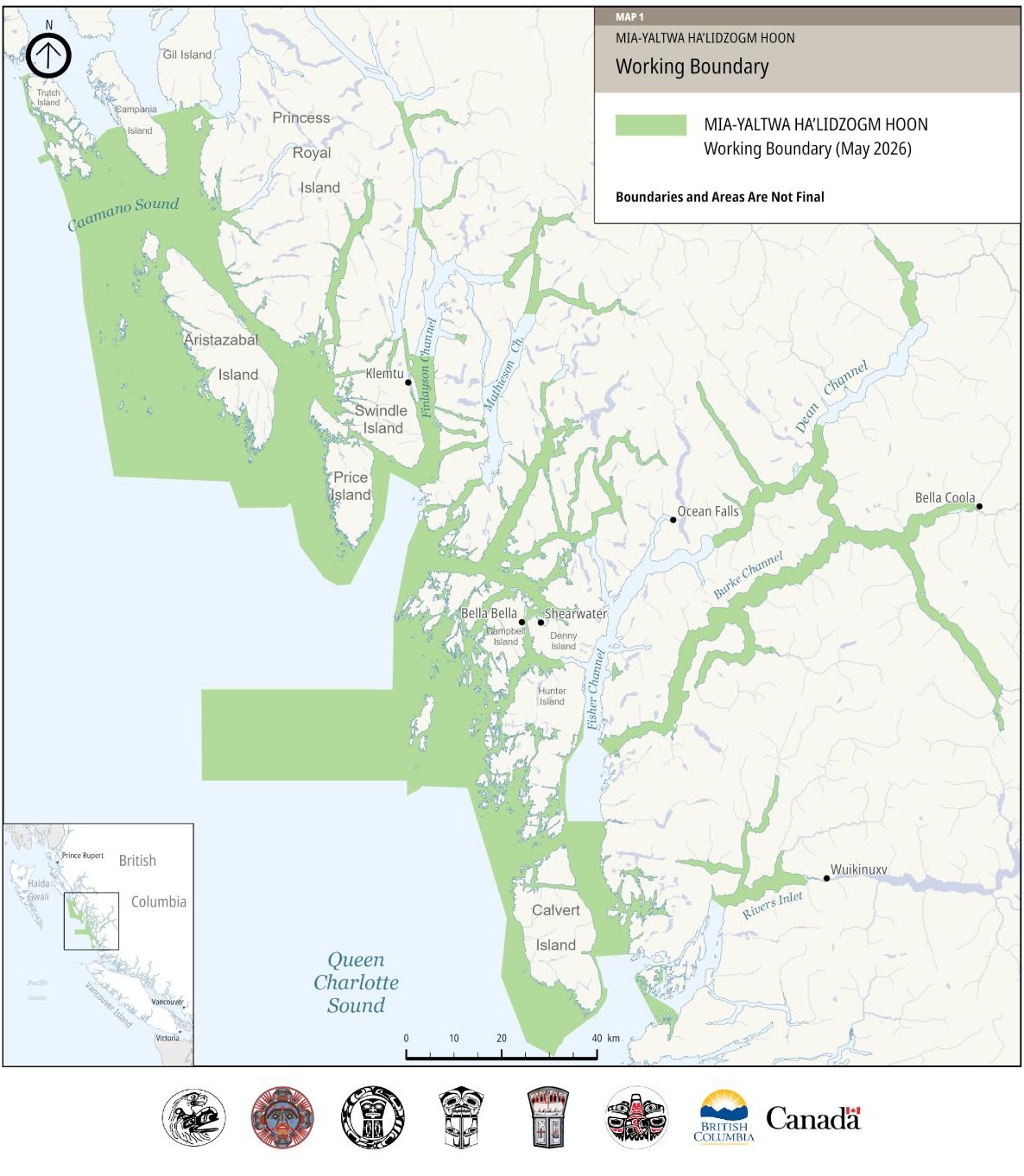
The area will be known as Mia-yaltwa Ha'lidzogm hoon, pronounced “Me-ah-yall-twa Ha-lee-joh-gom hOH-own,” meaning “Realm of the Salmon, Home of the Salmon.” It will cover 6,700 square kilometres of B.C.’s Central Coast.
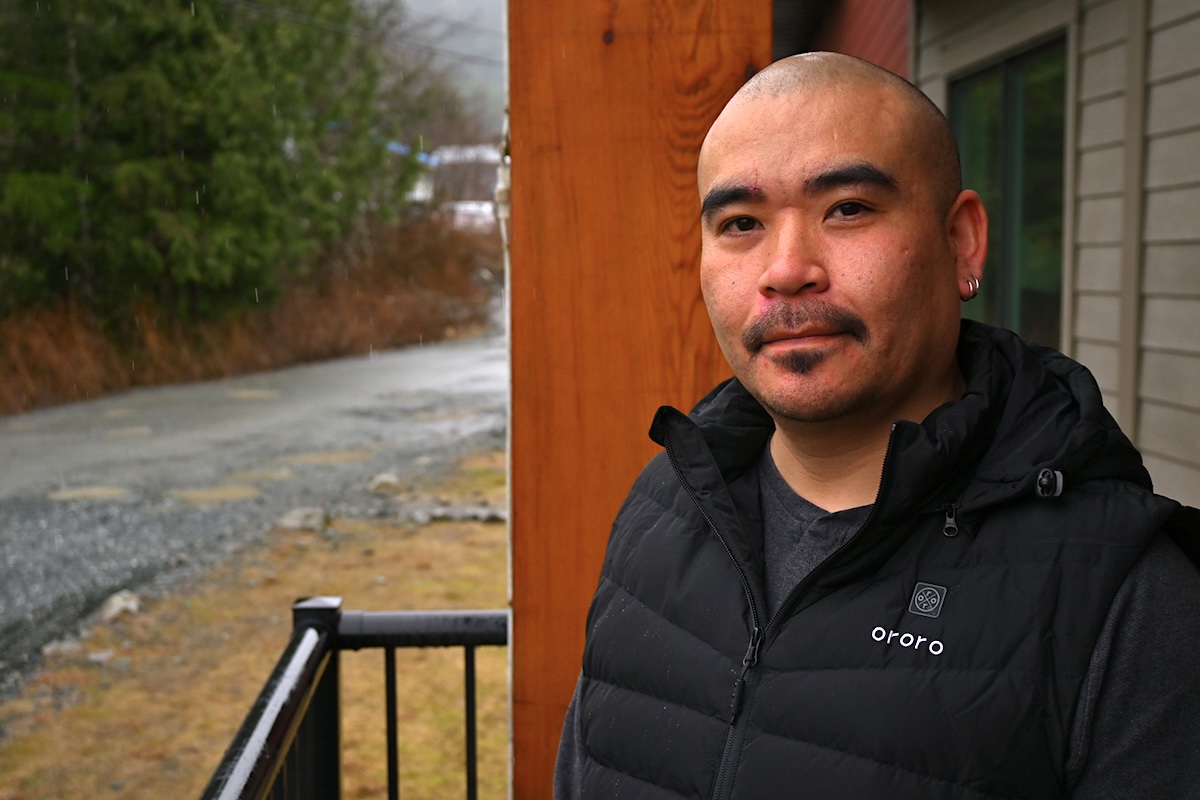
“This is the first time, at least in the last 150 years, where our people have a formal say in marine management,” Doug Neasloss, stewardship director and elected council member of the Kitasoo Xai’xais Nation, told The Tyee.
“We’ve been doing it for thousands of years on the Indigenous side but to formalize it with the provincial and federal governments is super powerful,” he added.
The Wuikinuxv, Nuxalk, Kitasoo Xai’xais, Heiltsuk, Gitxaała and Gitga’at nations declared the region an Indigenous Protected and Conserved Area, or IPCA, under the authority of the Hereditary Chiefs, who have always carried the responsibility to take care of their territory, Neasloss said.
Hereditary leaders are identified and trained by Elders to inherit the title following the death of the previous name holder. They are tasked with caring for a specific area of the nation’s territory.
“The names they carry as Hereditary Chiefs are older than Canada. Some of them date back thousands of years,” Neasloss said.
“We’ve always had a responsibility to look after and take care of our territory, and that knowledge and responsibility is passed from generation to generation. It’s something that we’ve always done.”
Combining the protection of Indigenous law and a partnership among Indigenous, provincial and federal governments is “going to be very unique,” Neasloss said, adding, “I think this is going to be one of the strongest marine protected areas in the world.”
A recent study showed biodiversity flourishes under Indigenous stewardship. Canada’s 2030 Nature Strategy cites IPCAs as a key contribution towards meeting the country’s goal to protect 30 per cent of its lands and waters by 2030.
‘No pipelines will be allowed’
Mia-yaltwa Ha'lidzogm hoon will remain open to tourism, logging and recreational and commercial fishing but, going forward, will prohibit bottom trawl fishing, Randene Neill, B.C.’s minister of water, land and resource stewardship, told The Tyee.
Fisheries and Oceans Canada will continue to manage fisheries in the area, Parks Canada said.
The goal is for the IPCA to be “managed for the protection and restoration of biodiversity,” Neill said. “Anything that threatens that, any new industry will not be allowed.”
And that means “no pipelines will be allowed through this area,” Neill said.
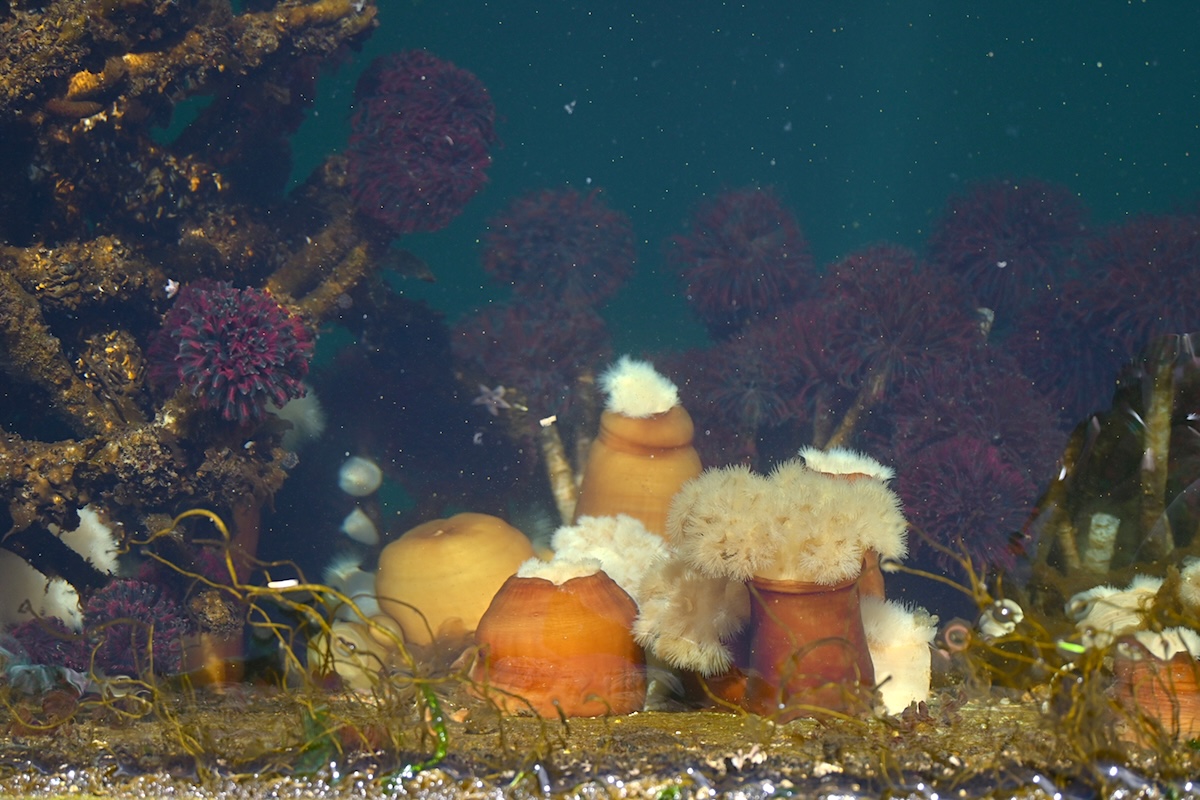
While Prime Minister Mark Carney might be talking about new pipelines to the coast, Neill added, the federal government is a signatory on this deal, which designates Mia-yaltwa Ha'lidzogm hoon as focused on restoring species at risk and strengthening the abundance of flora and fauna that call these waters home.
National marine conservation area reserves are basically national parks in the ocean, so they’re heavily protected, said Michael Bissonnette, a staff lawyer with West Coast Environmental Law.
The reserves allow for the sustainable pursuit of some industries, such as logging, and they establish a legal baseline for industry or development that is “just so damaging” that it “can’t occur,” such as bottom trawl fishing, oil and gas exploration, and mining, Bissonnette said.
It could be possible for the federal government to designate a “national interest project” that exempts it from federal law under the Building Canada Act, but “trying to do so with respect to a protected area like this would raise a number of huge issues — political and legal — including with respect to Indigenous rights,” he said.
Therefore, building an oil tanker terminal would “not be consistent with what we’re trying to do with marine protected areas,” Bissonnette added.
A management plan
The next steps in the development of Mia-yaltwa Ha'lidzogm hoon will include all three levels of government working together to write a management plan.
The plan, which will be written within the next five years, will define measures for ecosystem protection, cultural heritage conservation, research, visitor use and sustainable activities, according to Parks Canada.
In 2023 B.C. provided $60 million to support the groundwork needed to get to signing the area as a national marine conservation area reserve, Neill said.
Actually signing the deal, which happened Friday, unlocks $167 million in federal funding over the next 11 years, and then just under $11 million annually for management.
The money will go towards creating jobs focused on management and planning, ecosystem monitoring, visitor services and community capacity building, Neill said. This includes increasing the Coastal Guardian Watchmen program for long-term ecosystem monitoring.
Neasloss said the Kitasoo Xai’xais Guardian Watchmen have been able to almost eliminate illegal activity on their territory because they are now able to have a “huge presence in the territory,” regularly monitoring its extensive waters and fiords eight months of the year. They also carry BC Parks badges and can enforce provincial regulations.
Before the program there was a lot of illegal fishing, bear poaching and logging in the area because Fisheries and Oceans Canada, BC Parks and B.C.’s fish and wildlife branch weren’t able to regularly patrol the lands and waters, Neasloss said.
“We caught one guy red-handed. He was cutting down a huge chunk of forest and had zero permits,” Neasloss said. “He knew there wasn’t a lot of enforcement in this part of the world.”
“We’re pretty remote,” Neasloss added.
Mia-yaltwa Ha'lidzogm hoon forms part of the Great Bear Sea and the Northern Shelf Bioregion marine protected area network, where Indigenous, provincial and federal governments are working together to protect some of the richest marine ecosystems in the world.
A long road
Neasloss said Friday’s announcement signals a “paradigm shift” in how the province and federal government are thinking about ecosystem management and Indigenous stewardship.
“Kudos to them for forward thinking and being willing to adapt, learn and grow,” he said. “I think this is going to be a model for the rest of the world to see and follow.”
It’s been a long road to get to this moment.
When the Fisheries Act was first developed in 1868, there was no mention of First Nations, Neasloss said, despite Indigenous stewardship being the backbone for the abundance that the act was set up to manage.
Over the ensuing years, Neasloss said, coastal First Nations grew tired of watching people overfish in their territory and having no economic opportunities for themselves. They saw abalone wiped out completely and salmon, halibut and prawn populations decline.
In 1993 the Kitasoo Xai’xais wanted to protect their waters but “the government basically said the provincial government deals with land, the federal government with water, so we had to protect land first,” Neasloss said.
They got to work and protected 55 per cent of their traditional lands under the Land and Resource Protection and Management Plan in 2000, and the Central Coast Land and Resource Management Plan in 2006.
On Friday, the agreement they signed onto will protect 40 per cent of their traditional waters, he said, adding that’s just the work done by the Kitasoo Xai’xais.
Neasloss said his community brings “thousands of years of history” to its stewardship practices.
One example is Indigenous management of herring. Fisheries and Oceans Canada allows for herring roe to be harvested by catching and gutting the fish. Overfishing with this method has caused a “collapse” in herring populations.
To protect the herring spawning in their traditional waters, the Kitasoo Xai’xais declared Kitasu Bay a marine protected area in the summer of 2022, closing it to the commercial herring fishery.
The nation still allowed for the spawn-on-kelp fishery, where fishers lay hemlock boughs and kelp in the water where the herring will spawn. A couple of days after the spawn, they return and harvest the boughs.
This year, Neasloss said, they did a “herring transplant” pilot project where they scooped up spawning herring from Kitasu Bay and released them in other areas where the herring traditionally spawned.
When deciding which specific areas to protect, the Kitasoo Xai’xais conducted months of interviews with knowledge holders in the community and used that data as the foundation for their marine spatial plan.
When certain areas of the ocean are protected, it creates a spillover effect. Marine populations grow bigger and healthier in the protected areas. When they travel outside those areas, it benefits commercial fisheries.
“We’re going from very little marine protection on the B.C. coast to having a major part of our home now protected, which is amazing,” Neasloss said.
“I think everyone is going to benefit from that,” he said.
“I can’t wipe this smile off my face.” ![[Tyee]](/design-article.thetyee.ca/ui/img/yellowblob.png)
Read more: Indigenous, Environment










Tyee Commenting Guidelines
Please note that email notifications for replies are not currently working due to a software issue which may be resolved in a future update.
Comments that violate guidelines risk being deleted, and violations may result in a temporary or permanent user ban. Maintain the spirit of good conversation to stay in the discussion and be patient with moderators. Comments are reviewed regularly but not in real time.
Do:
Do not: