


 SHARE:

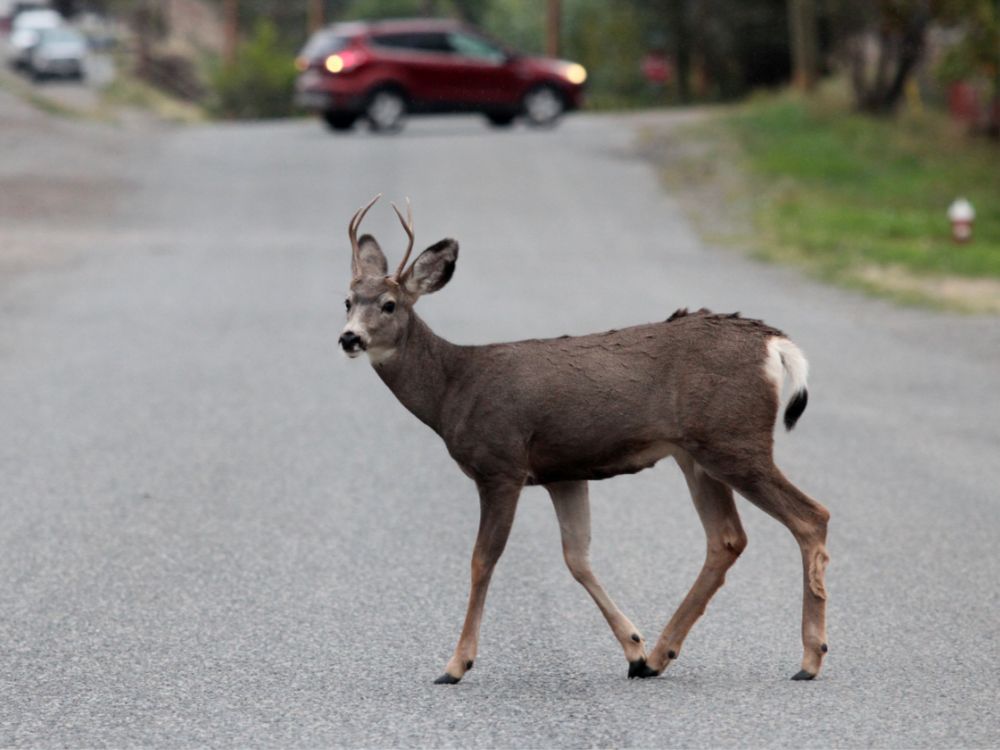
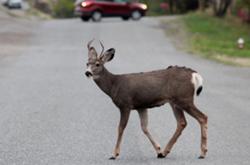
As British Columbians prepare to not fall back this autumn, experts hope the lack of time change will result in fewer collisions on the road with wildlife after dark.
But only time will tell.
With B.C. set to adopt permanent daylight saving time Monday, research suggests that brighter evenings and darker mornings could improve wildlife and human safety on the province’s roadways.
A 2022 study that considered 25 years of crash data in the United States found vehicle-deer collisions spiked by about 16 per cent the first week of November after clocks reverted to standard time, with the vast majority of incidents occurring in the evening.
Switching to standard time moves evening rush hours from the daylight to the dark and significantly increases collision rates, Laura Prugh, a University of Washington wildlife ecologist who co-authored the study, told The Tyee.
“There’s a huge increase in the risk of hitting a deer in the evening when it’s dark.”
Fall heightens the risk because deer are especially active in breeding and the rut. People also drive more after sunset while commuting and running errands.
The study estimated that year-round daylight saving time in the United States could annually prevent 36,550 deer kills, 33 human deaths, 2,054 human injuries and more than US$1 billion in collision costs.
Some experts have warned that moving to permanent daylight savings will lead to more collisions in the morning. But as far as wildlife collisions are concerned, Prugh told The Tyee that DST is the clear winner when it comes to saving lives and reducing costs on roads, and that she was pleased to see B.C. adopting it permanently.
Wildlife collisions costly for B.C.
Reducing vehicle-wildlife collisions could bring significant safety improvements for British Columbian drivers.
Crashes involving animals have increased from 11,476 in 2021 to 13,817 in 2025, according to ICBC. On average, vehicles strike around 9,000 deer each year. Those collisions kill an average of two people and injure more than a thousand others. That doesn’t include crashes involving bears, coyotes, elk, moose and other large animals.
The incidents bring substantial costs that get passed onto all drivers in the form of insurance premiums. The average deer collision costs $8,200 to cover emergency response, injuries, towing, repairs, carcass removal and lost hunting revenue. With around 5,300 animal carcasses removed from highways every year, the province spends more than $700,000 on cleanup. ICBC, meanwhile, pays out more than $41 million in damages. Another $48 million in hunting and environmental value is lost.
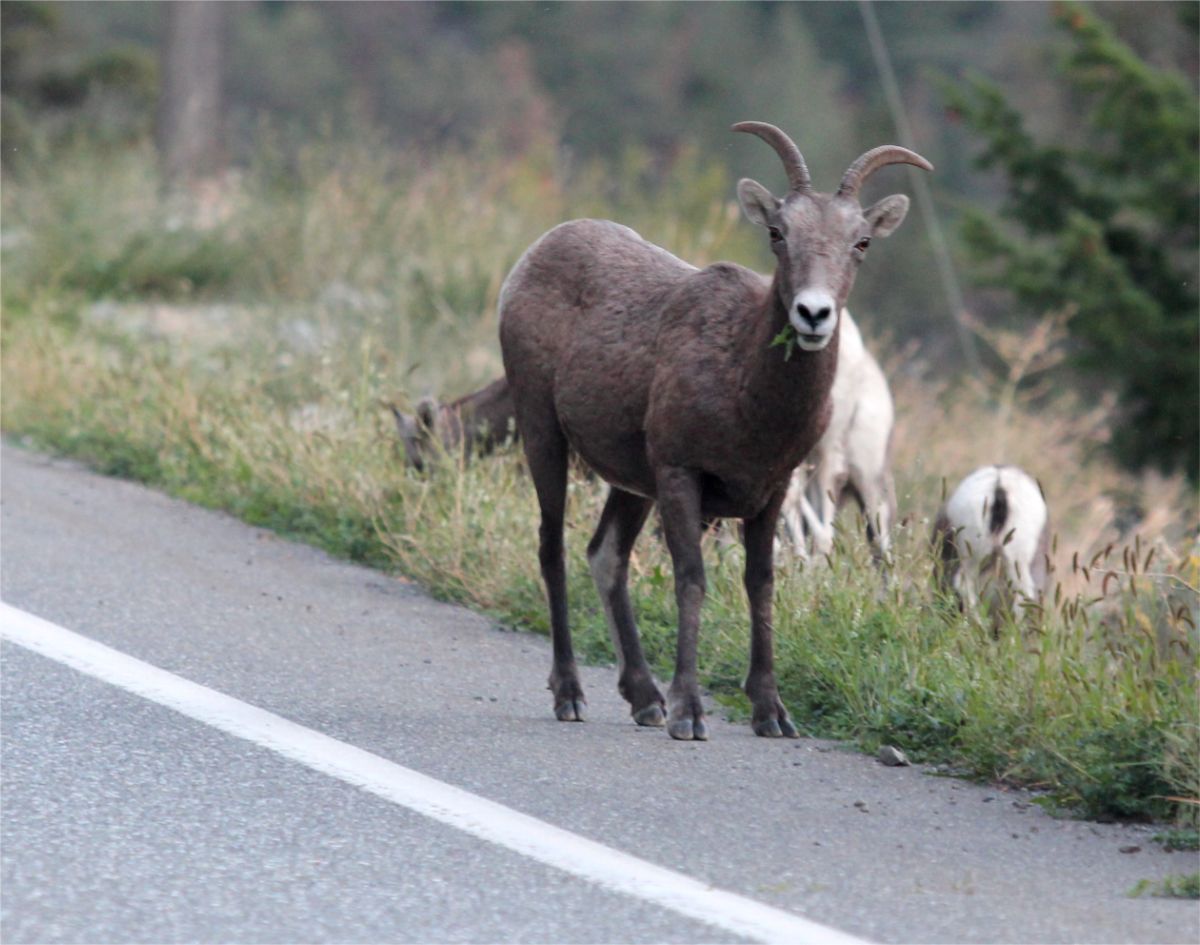
Provincial data shows collisions typically peak in September and October as deer — usually most active at dawn and dusk — move around for breeding season and migrate between summer and winter ranges. Motorists are meanwhile adjusting their evening schedules after moving back an hour.
“All of a sudden, you have all these commuters that are now driving home in the dark,” said Jadzia Porter, co-ordinator for the Wildlife Collision Prevention Program. “Combine that with this significant increase in wildlife movement. Around the fall time change, you’re also dealing with disrupted sleep schedules, as well as decreased visibility.”
The province says permanent daylight savings could mean fewer vehicle-wildlife collisions.
“By shifting an extra hour of daylight to the evening commute period, permanent daylight time may reduce the overlap between motorists and wildlife during low-light conditions,” B.C.’s Ministry of Transportation and Transit told The Tyee.
But it’s still too early to gauge how that will impact animals, says Liam Brennan, an award-winning photographer in Vancouver with the Canadian Conservation Photographers Collective.
“What British Columbia is planning to do is to effectively move all of our human activity earlier,” he said. “Maybe in more rural contexts or with specific species, like white-tailed deer and mule deer, there’s [some evidence] that prioritizing the time people are on the roads commuting into earlier in the day is better for minimizing deer collisions.”
Effects vary by latitude
Places with the least evening light may remain more collision-prone, though the frequency of collisions also varies by season, weather, geography, habitat, species and traffic volumes, the ministry says.
Both latitude and longitude play a role. A community’s proximity to the equator influences the total length of the day, while the east-west axis impacts the timing of the sun’s appearance. Sunsets are earliest in the east, while the northwest has the latest sunrises.
On Nov. 1, the sun will set at 5:33 p.m. in Grand Forks, 5:37 p.m. in Prince George, 5:50 p.m. in Smithers, 5:54 p.m. in Victoria and 6:06 p.m. in Prince Rupert.
The sun rises at 7:41 a.m. in Grand Forks, 8 a.m. in Victoria, 8:12 a.m. in Prince George, 8:36 a.m. in Smithers and 8:43 a.m. in Prince Rupert.
Northern Rockies communities including Fort St. John and Dawson Creek operate on year-round Mountain Standard Time and will now align clocks with permanent daylight saving elsewhere in B.C. But Golden and other East Kootenay communities that share a time zone with Alberta are choosing year-round Mountain Daylight Time for consistency across their region, rather than adopt permanent MST and align with the rest of B.C.
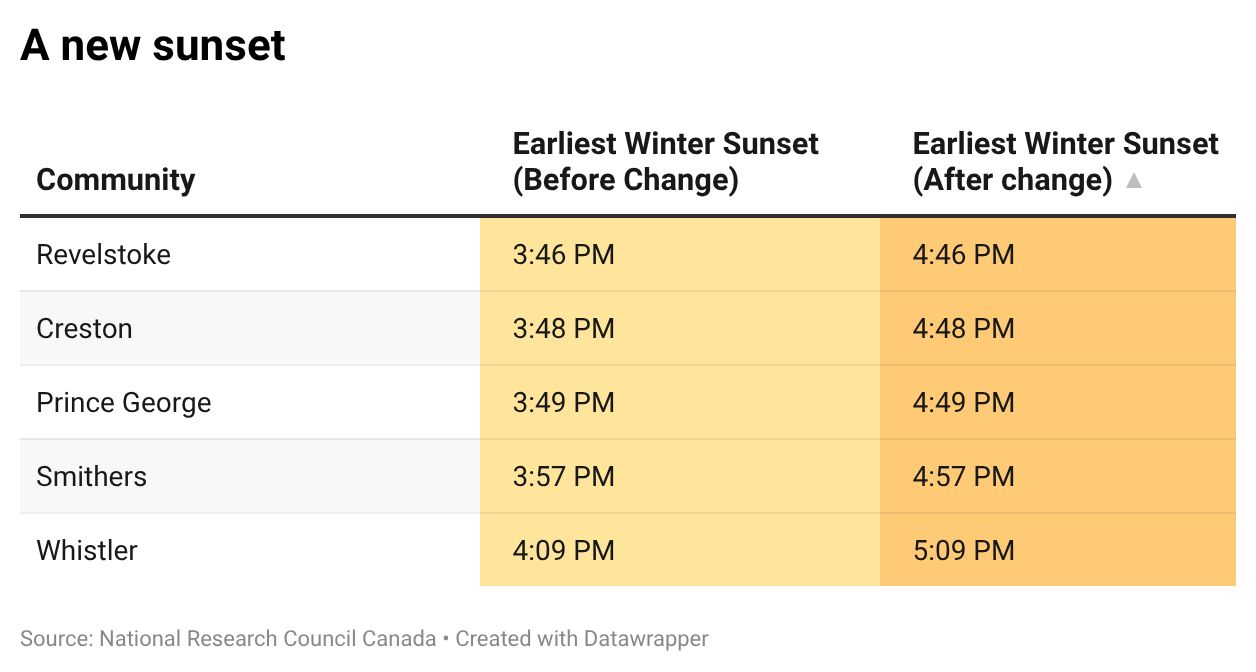
Prugh’s study in the U.S. found that changes to daylight time have stronger effects on collisions at higher latitudes.
Northern B.C. also has a higher proportion of collisions involving larger animals such as moose. That means more severe consequences for drivers and vehicles that hit wildlife.
But with winter days being shorter and human activity more restricted then anyway, Brennan anticipates that daylight timing may not have a huge impact on wildlife.
“Sunrise is going to be when sunrise is, no matter how we decide our clocks,” he said. “My intuition tells me that wildlife are probably also more responsive to when the sun comes up, relative to when we set our arbitrary clocks.”
Yukon already on year-round time
B.C. isn’t first in Canada to switch off clock changes for Pacific Time.
The Yukon adopted permanent standard time in 2020 like the northern Rockies, meaning B.C. will now align with the territory’s clocks year-round. But the Yukon’s longer summer days and short winter days make it difficult to draw parallels, its Department of Environment said.
“Collisions are influenced by many factors, including seasonal animal movement, habitat, traffic volumes, road design and driver behaviour — not just timing of daylight,” spokesperson Weronika Murray told The Tyee.
At the Yukon Wildlife Preserve near Whitehorse, veterinarian Cori-Anne Huisman saw no noticeable change in vehicle collision patients before and after permanent standard time.
The territory says it’s unable to assess whether the switch has influenced overall collision rates. The Yukon recorded 158 vehicle-wildlife collisions in 2020, when permanent standard time began in November. The following year, 121 collisions were reported.
In B.C., underreporting of wildlife collisions, especially for smaller animals, makes it hard to track when and where these incidents happen most, Porter said. As many as two-thirds of all collisions go unreported, and despite highway maintenance contractors collecting detailed data, they often can’t determine what time animal carcasses were struck.
As more data emerges in subsequent years, Brennan is curious to see what researchers find from the province’s shifted daylight schedule.
“Thinking about the timing of our activity and how it intersects with the timing of different species is a very valuable pursuit,” he said, adding the doing so “helps us kind of situate ourselves in how we can best complete our human actions without having too negative of impacts on wildlife.”
Regardless of when daylight comes and goes, experts say that the ways to reduce vehicle-wildlife collisions haven’t changed: driver awareness around dawn and dusk, reduced speeds in high-risk areas and vigilance around wildlife signage and crossings.
“The vast majority of wildlife-vehicle collisions can be prevented with safe driving,” Porter said. 
Read more: Health, Environment



Tyee Commenting Guidelines
Please note that email notifications for replies are not currently working due to a software issue which may be resolved in a future update.
Comments that violate guidelines risk being deleted, and violations may result in a temporary or permanent user ban. Maintain the spirit of good conversation to stay in the discussion and be patient with moderators. Comments are reviewed regularly but not in real time.
Do:
Do not: