

 SHARE:
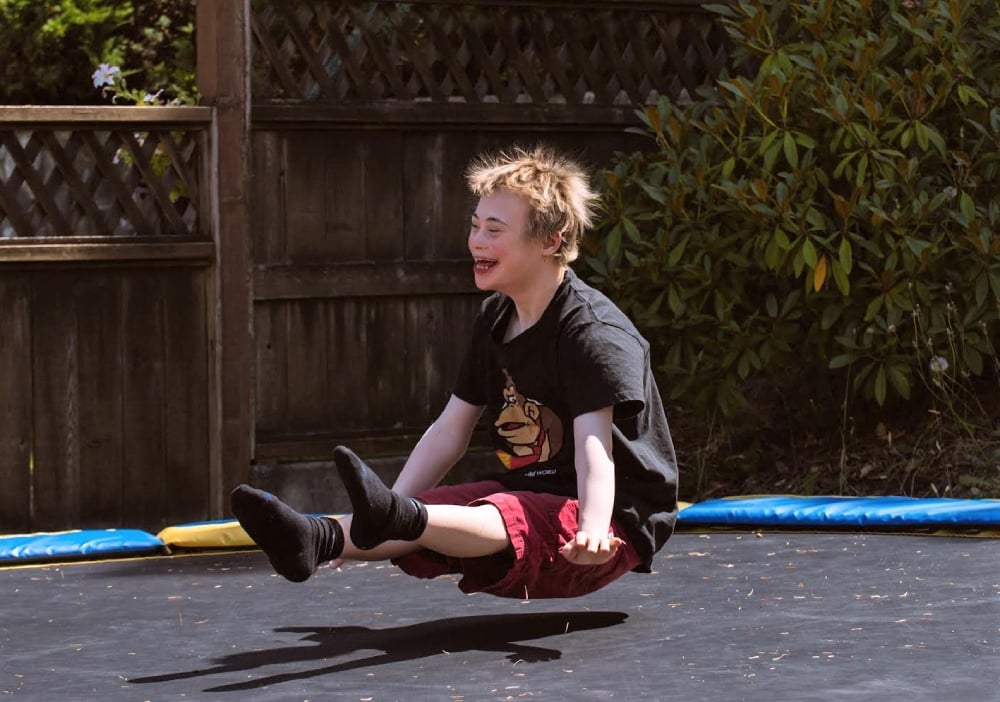
Darwyn Danesh was only 16 when he died at home with his family in Greater Victoria in the summer of 2020. He had been diagnosed with subaortic stenosis — a heart condition — and his death was not unexpected.
But how he died was unexpected. Over four days that July, Darwyn’s parents struggled to get their son the medical attention, proper pain medication and palliative care he needed to be comfortable as his health rapidly declined.
B.C. Ombudsperson Jay Chalke investigated Darwyn’s death. No one should have to go through the trauma and uncertainty that Darwyn, his parents and his sister went through, Chalke said in an investigation summary included in his office’s 2024-25 annual report, released Tuesday.
Darwyn’s family brought their case to the Office of the Ombudsperson in March 2022, after The Tyee published an article detailing the palliative care failures in the lead-up to his death.
“Darwyn’s family experienced unnecessary trauma at a time when they most needed co-ordinated, timely support. Our investigation showed that fragmented pediatric palliative care puts children and their families at risk of significant harm, particularly at vulnerable moments,” the ombudsperson’s report said.
“All children requiring palliative care deserve clear, co-ordinated, and responsive services that meet their complex needs. Darwyn’s parents brought their concerns to us because they wanted to ensure that other children with disabilities and their families would not experience what they had.”
Darwyn’s father, Roshan Danesh, says he is grateful the ombudsperson took on the investigation. He said children with complex medical issues and disabilities like Darwyn, who had trisomy 21, or Down syndrome, and was autistic, are rarely viewed and treated as individuals deserving of integrity, respect and dignity by the public services and institutions they depend on, “because they’re seen for their disabilities rather than their humanness, personalities and distinctive characteristics and traits,” he said.
That’s why he and his wife, Darwyn’s mom, Cathy Nash, have opted to be so public about their son’s experiences and allowed the ombudsperson to use Darwyn’s real name in his report.
“It’s no surprise to us, of course, that everything we reported occurred was verified by their investigation. That all of the gaps and problems with the system that create harm and risk for children — in particular children with disabilities — were borne out.”
The ombudsperson’s report reveals the Ministry of Health agreed there were gaps in pediatric palliative care. In response the ministry created a “multidisciplinary working group to review and re-examine pediatric palliative care policies and processes across the province,” the report says.
The working group has created a “pediatric palliative advanced-care-planning initiative” to work on standardizing a provincewide approach.
The group has conducted a “comprehensive consultation and engagement process” with B.C. and First Nations health authorities, First Nations and Métis communities, BC Children’s Hospital and BC Women’s Hospital and Health Centre, Canuck Place, the Provincial Health Services Authority and other service providers.
While Health Ministry officials have stayed in contact with Darwyn’s parents, Danesh says he doesn’t understand the extent of their changes to pediatric palliative care in B.C.
“We’re not medical system experts,” he said. “I understand that work is ongoing, making changes, and I believe the ombudsperson says they’ll continue to have a monitoring role to ensure the changes are rolled out.
“We’re very grateful that the process took place.”
The Tyee reached out to the Health Ministry for comment and details on the changes they have made to pediatric palliative care.
In a statement emailed to The Tyee, Health Minister Josie Osborne apologized to Darwyn’s parents and acknowledged the palliative care system failed him.
“What happened to Darwyn sparked important work across the province to make pediatric palliative care more consistent, more equitable, and easier for families to access,” the minister’s statement reads.
“We are working closely with Canuck Place Children’s Hospice and the Provincial Health Services Authority to improve clinician training, tools and resources for pediatric advance care planning, no matter where families receive care.”
Darwyn’s story
Darwyn loved taking long drives in the car with his dad, listening and dancing to music, and watching — and sometimes engaging in — slapstick comedy and wrestling.
“He loved playing with his sister, and being close to his mother. He relished his time with his grandparents,” Danesh said.
“He had a personality that was filled with laughter and was infectious. He had a tremendous radar for people, and if you showed him love, he showed you love back. And if you didn’t show him love, he wondered why and would kind of poke you to try to figure it out.”
Darwyn was non-verbal, though he communicated “in his own language,” Danesh says. He also used a type-to-talk app on his iPad to communicate with his loved ones and caregivers.
But his parents believe Darwyn had trouble communicating when he was in pain, sometimes acting out physically, like throwing objects when he was uncomfortable.
In 2018, Darwyn was referred to Canuck Place Children’s Hospice, the only pediatric palliative care provider in B.C. But he was unable to access in-person services from the private charity because of his disabilities.
Canuck Place’s nurses were not equipped to handle Darwyn’s “challenging behaviour,” the family was told, also due in part to his agitation around noisy children.
Instead Canuck Place offered him outpatient services like video chats with mental health professionals, access to a 24-hour nursing line, regular email check-ins, his prescriptions and medical distress instructions for his caregivers.
His parents also had weekly respite visits from BC Children’s Hospital’s Nursing Support Services, and they accessed funding from the Health Ministry’s At Home Program for his occupational, speech and physical therapies. But these were not palliative care services.
On July 19, the morning after Darwyn’s health started to fail, Canuck Place told his parents their son should be assessed by a nurse. But Canuck Place would not send a nurse to their house.
Initially, the company contracted out by Nursing Support Services told their nurse not to see Darwyn that day either, as she was not an urgent care nurse.
After speaking with Roshan Danesh, the company relented and allowed their nurse to assess Darwyn. But he wouldn’t receive adequate pain medication until later that day, 28 hours after his medical emergency began.
On July 21, Darwyn’s doctors, Canuck Place and Victoria Hospice convened to create a care plan for Darwyn. But Darwyn would pass away at home later that night with Nash by his side.
The days leading up to Darwyn’s death were the focus of the B.C. ombudsperson’s report, but Danesh says it’s really a symptom of the larger fight families and kids with similar disabilities experience throughout their lives.
“From birth, through schooling, through aging out into adult systems, at every point in time... there’s massive systemic challenges and barriers,” he said.
For kids and families facing palliative care needs in particular, “the critical thing... is that there’s a seamless transition from whatever life patterns and care systems they were in, to support so that they’re able to die with dignity and comfort,” Danesh said.
“We experienced the opposite of that in every way.”
In her emailed statement to The Tyee, Minister Osborne agreed.
“We know how important it is for this care to feel seamless and co-ordinated, and we are working hard to make sure no child or family is left to fall through the cracks again,” her statement said.
“Nothing we do now can undo what Darwyn’s family went through, but his story is guiding real change.”
Darwyn’s story became a catalyst for advocacy for kids with disabilities, particularly those who are autistic, his dad shared.
This includes a coming conference on pediatric palliative care early next year that will discuss Darwyn’s story. That conference will be a collaboration between the Pacific Autism Family Network and the Autism and/or Intellectual Disability Knowledge Exchange Network. A short film about Darwyn’s experience is also in the works. ![[Tyee]](/design-article.thetyee.ca/ui/img/yellowblob.png)
Read more: Health, Rights + Justice, BC Politics






Notice about commenting changes
The Tyee’s commenting system will be moving to a new platform on Nov. 12. If you’re already a Tyee commenter you must register with the new system on or after Nov. 12 with your preferred username.More information can be found here.