

 SHARE:
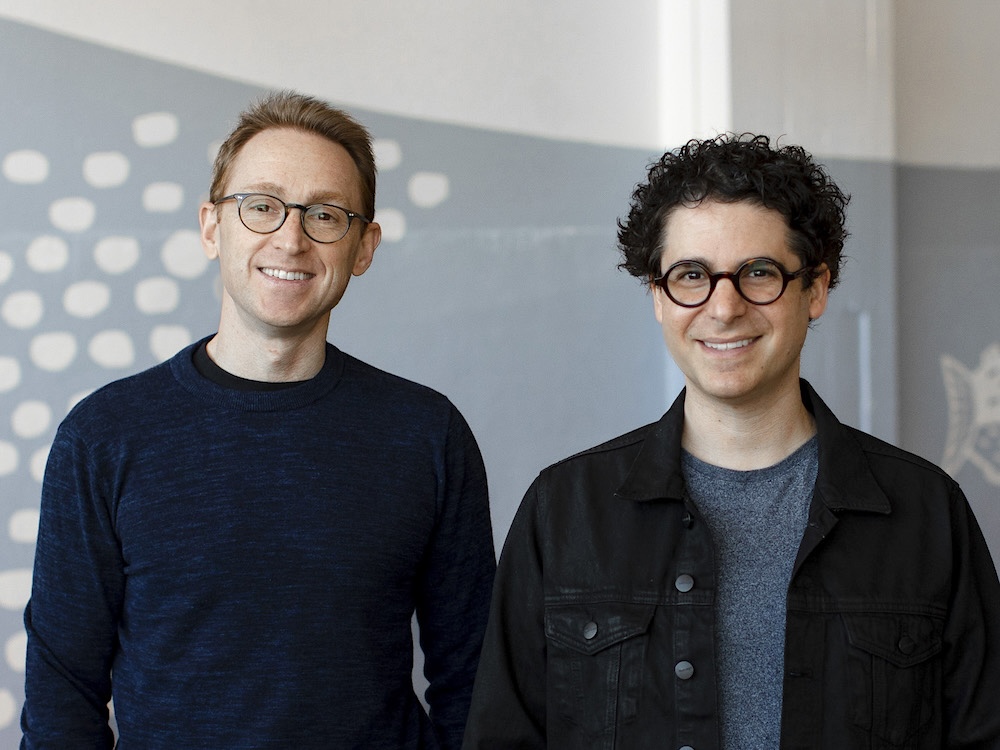
Justin Kolbeck was optimistic about eating his first batch of lab-grown meat.
Digging into his life savings to make cultivated meat — a collection of animal cells grown in a controlled environment — Kolbeck figured this method would help humans feed the next three billion people on the planet.
He wasn’t alone in the chase. A friend, Aryé Elfenbein, who recently completed a cardiology residency, had a similar idea: if humans can “create functional heart tissue, why couldn’t we also create another way to make meat?”
The duo agreed to work together and rented a bench at a San Francisco-based biotech company for research. They sourced animal cells from nearby duck and chicken farmers, bringing the cell cultures back to Elfenbein’s kitchen to cook.
The result? A sliver of chicken that fit on a spoon. “You could barely taste it, it was so small,” Kolbeck said.
But it gave them hope.
Kolbeck and Elfenbein soon shifted to seafood, co-founding Wildtype to find an alternative to wild catch methods and fish farms, which can spread diseases and cause pollution, and are expected to be banned in B.C.’s Discovery Islands by the end of the decade.
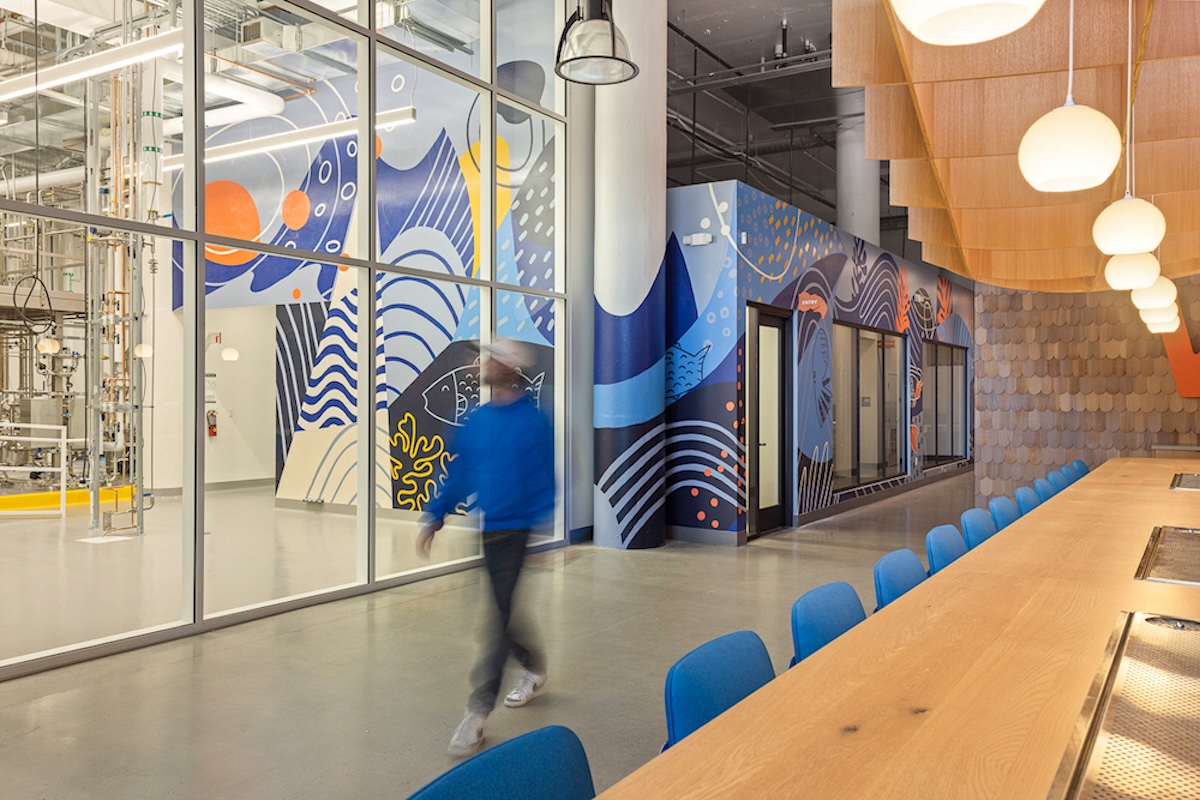
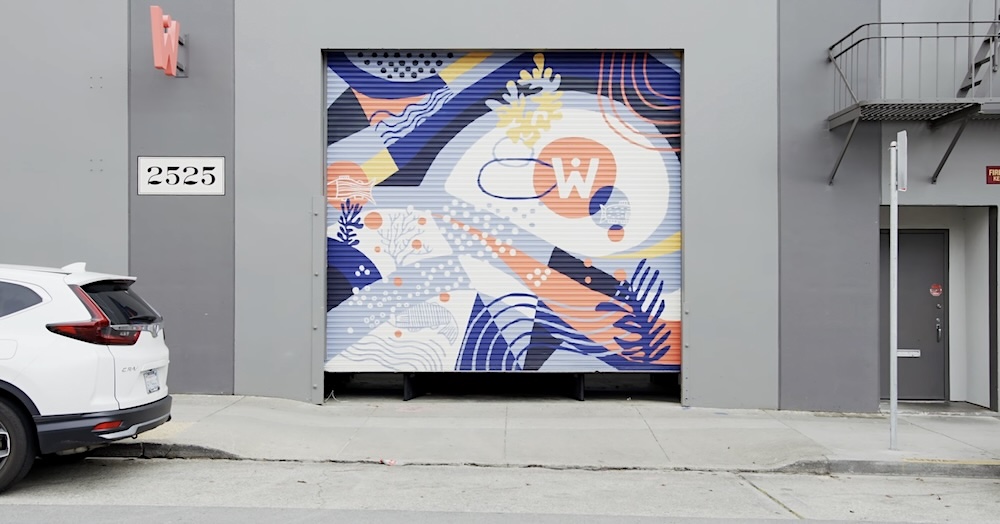
They made their first piece of cultivated salmon about eight years ago and then opened a microbrewery-looking facility to grow the business some more.
The work paid off last year when Wildtype received approval from the U.S. Food and Drug Administration, or FDA, becoming the first company in the world permitted to make and sell lab-grown seafood.
Wildtype’s cultivated salmon is now sold in four restaurants across the United States.
“Consumers got to try cultivated seafood and we got real consumer feedback,” said Kolbeck, adding that the company has ambitions to open a larger facility that can produce volume “comparable to a large-scale fish farming operation.”
Navigating choppy waters
Before Wildtype secured FDA approval, several politicians lobbied to ban the production and consumption of cultivated meat in multiple U.S. states. The bans, they claimed, would protect farmers who fear that cultivated meat will replace livestock.
Some experts have called it a political gambit. But it worked, and now seven states, including Florida, Texas and Nebraska, have banned cultivated meat.
The way Kolbeck sees it, Wildtype is “collateral damage” in the war between plant-based burger providers and ranchers. They aren’t putting anyone out of business, he says, and they haven’t had an issue with fishing families to date.
“I think if you talk to anybody who’s been fishing for 20 or 30 years, they’ll tell you wild fish stocks are not getting any better and we probably need new tools,” he said.
Their work comes as fish stocks decline and demand rises.
The global market for fish and aquatic foods is expected to nearly double by 2050, while the population of salmon is expected to decline in California, the Yukon and B.C., among other places.
To match that demand, Kolbeck says, there needs to be innovation. Others seem to agree, with Wildtype securing over $120 million in investments since launch.
“Very simply, between wild catch and farmed fish, it hasn’t kept up with the demand. We need new technology to provide these products,” he said.
Searching for the right catch
The first cultivated burger was consumed in the United Kingdom in 2013, and experts pegged it as a sustainable way to satisfy the world’s hunger for meat, cutting carbon emissions from traditional farming and reducing the number of animals that are slaughtered per year.
But since the sector is so new, some pundits are suggesting that cultivated meat needs to be put under the microscope.
A 2023 study from the University of California, Davis, questioned whether lab-grown meat is better for the environment, citing the use of “highly refined or purified growth media” that could increase global warming potential. Media are the liquid solutions where cells grow and include life-building blocks such as sugars, salts and amino acids, among other materials.
At Wildtype, media are placed into brewery-looking machines, where the cells are held and consume the liquid filled with sugars and proteins to grow. “Instead of getting those things in a mini fish, they’re getting them in a sports drink format,” Kolbeck said. After, the cells are washed and plant-based ingredients are added to structure the meat into slices or fillets.
Kolbeck compares Wildtype’s greenhouse gas emissions and energy usage to “the lower end of conventional salmon practices today.”
A recent article out of the MIT Technology Review posed both sides of the argument, including studies that found cultivated-meat emissions would be lower than emissions caused by traditional beef production.
That aligns with what Claire Bomkamp, senior lead scientist at the Good Food Institute, says about cultivated meat’s footprint. The benefits depend on the type of meat. For seafood, though, the main plus is adding a new way to grow and sell fish.
“Just having one more supply of seafood products is a big benefit,” she said.
Still, finding steady footing in a new industry remains a big hurdle.
Companies like Wildtype need to do it all: develop the infrastructure to make lab-grown meat, figure out a competitive price compared with traditional meat and, perhaps most importantly, make sure the product tastes good. Wildtype’s salmon cannot be cooked, so it’s typically served raw or cold-smoked.
So far, the results are positive.
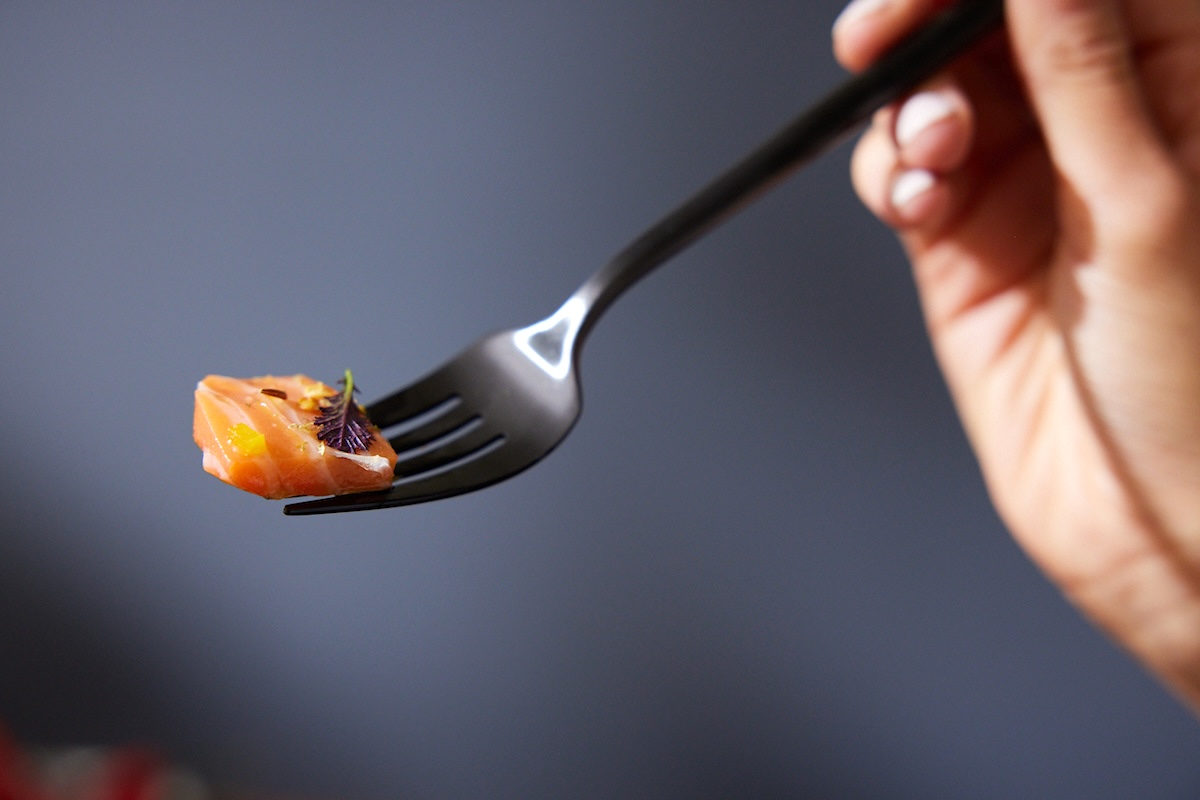
A dish featuring Wildtype’s salmon received favourable reviews from “more than 80 per cent” of people at Renee Erickson’s Seattle restaurant, the Walrus and the Carpenter. She cut the raw salmon into cubes as part of a crudo. It weirded some people out, but intrigued many others, even if the texture was a bit off. “Aryé and Justin have heard, over and over again, that it’s not texturally correct. But flavour-wise, I think it’s really close,” Erickson said.
She’s hopeful the meat can eventually replace farmed fish.
“It’s a way to have a substitute that is not so environmentally impactful and full of a bunch of gross things,” Erickson said.
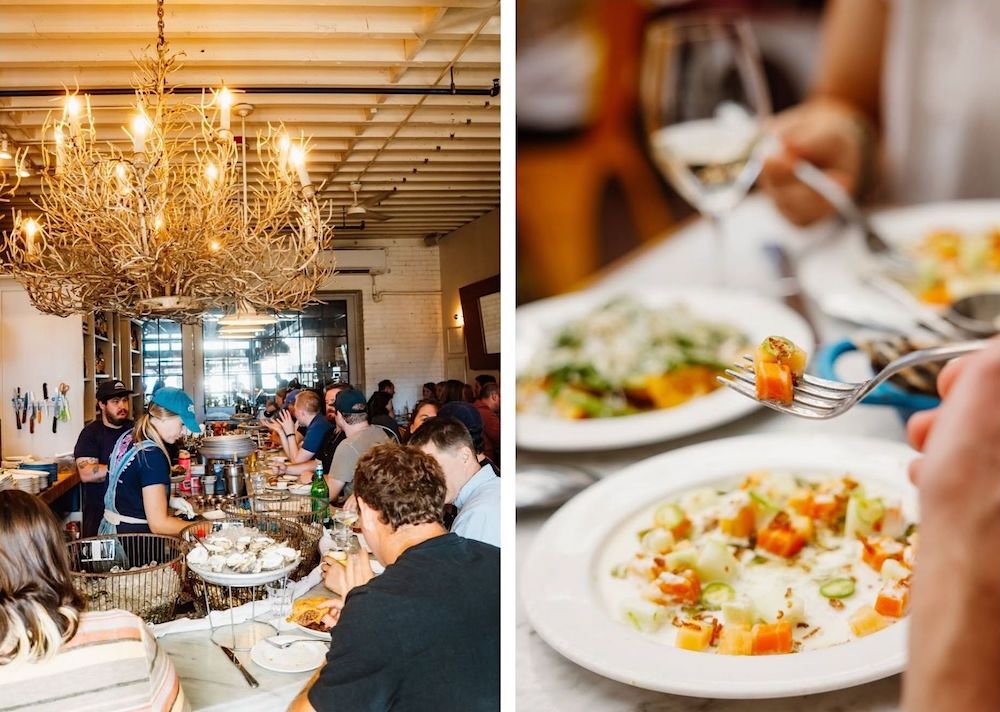
Jacki Kuder, owner of the Kingfisher Bar and Grill in Tucson, Arizona, says the texture is “90 per cent there.” She served the salmon in October as an appetizer. The salmon was cut in a thin slice and paired with green apples, scallions and a lime-based sauce. The sales were on par with other appetizers and it received positive reviews.
“I got emails and handwritten cards saying ‘Thank you for carrying it’ and ‘Thank you for trying to have more sustainable food options,’” Kuder said.
Wildtype has since released a new version of salmon that’s slightly smoked. Kingfisher still sells it as an appetizer, and Kuder says the texture of the new version is “99 per cent” comparable to regular salmon.
That said, Wildtype’s cultivated product currently retails for far more than regular salmon. A five-pound batch of Wildtype salmon costs Kingfisher somewhere between $40 and $50 per pound, more than three times the cost of farmed salmon, which runs about $12 to $18 per pound, according to Kuder.
Media ingredients and lab equipment are the main cost drivers. To make the meat more affordable there needs to be collaboration, Bomkamp believes. So far, the industry has been led by private companies like Wildtype that are funding, experimenting and seeking regulatory approval all at once.
“We’re almost seeing a reverse of the ‘valley of death’ phenomenon,” Bomkamp said of the term that’s used to describe the difficulties that startups face in the early days. “Academia is having to play catch-up to what companies have already done.”
For now, Kolbeck and Elfenbein are tinkering with the product and looking to offer it in more places. There is interest in lab-grown salmon from consumers in Florida and Texas — states where lab-grown meat is banned — and it’s a shame geography affects its availability, Kolbeck said.
To feed the next three billion people on the planet, he believes everyone should have the right to try a new type of food.
“We just need to get this product to consumers,” Kolbeck said.
This article runs in a section of The Tyee called ‘What Works: The Business of a Healthy Bioregion,’ where you’ll find profiles of people creating the low-carbon, regenerative economy we need from Alaska to central California. Find out more about this project and its funders, Magic Canoe and the Salmon Nation Trust. ![[Tyee]](/design-article.thetyee.ca/ui/img/yellowblob.png)
Read more: Food, Environment






Tyee Commenting Guidelines
Please note that email notifications for replies are not currently working due to a software issue which may be resolved in a future update.
Comments that violate guidelines risk being deleted, and violations may result in a temporary or permanent user ban. Maintain the spirit of good conversation to stay in the discussion and be patient with moderators. Comments are reviewed regularly but not in real time.
Do:
Do not: