


 SHARE:

The Vancouver Queer Film Festival opened last night and runs in theatres across the city until Sept. 21, with online offerings from Sept. 22 to 28. In its 37th year, the festival is a wonderful annual celebration, but more than that, it’s a beacon of inclusiveness, acceptance and yes, love, goldurn it! In an era rife with attacks on queer rights by the Trump administration in the U.S. and from Danielle Smith’s United Conservative Party next door in Alberta, the festival takes on even greater relevance this year.
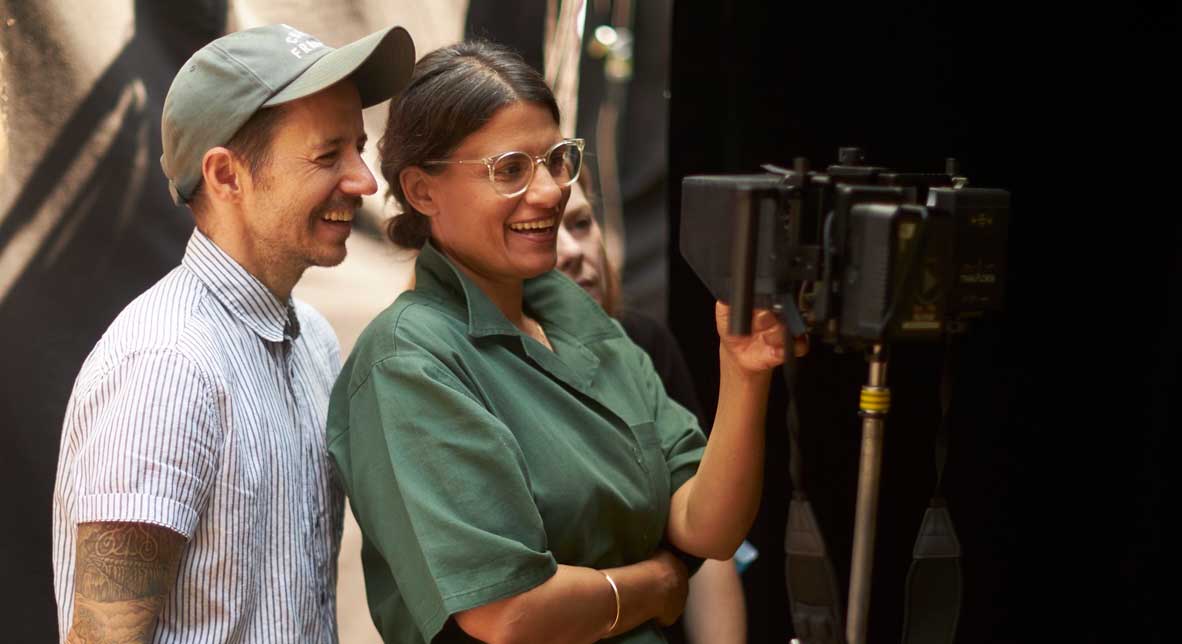
For the many people who have made a visit to the VQFF an annual ritual, there’s a sense of homecoming to the proceedings. A more fascinating manifestation of home comes courtesy of The Nest. Co-directors Julietta Singh and Chase Joynt’s feature documentary explores the many histories a home can hold, and the complicated web of relationships contained therein.
Singh’s childhood home forms the basis of the film, but it is the point of departure for a fascinating untangling of family, history and the inextricable connections between the two.
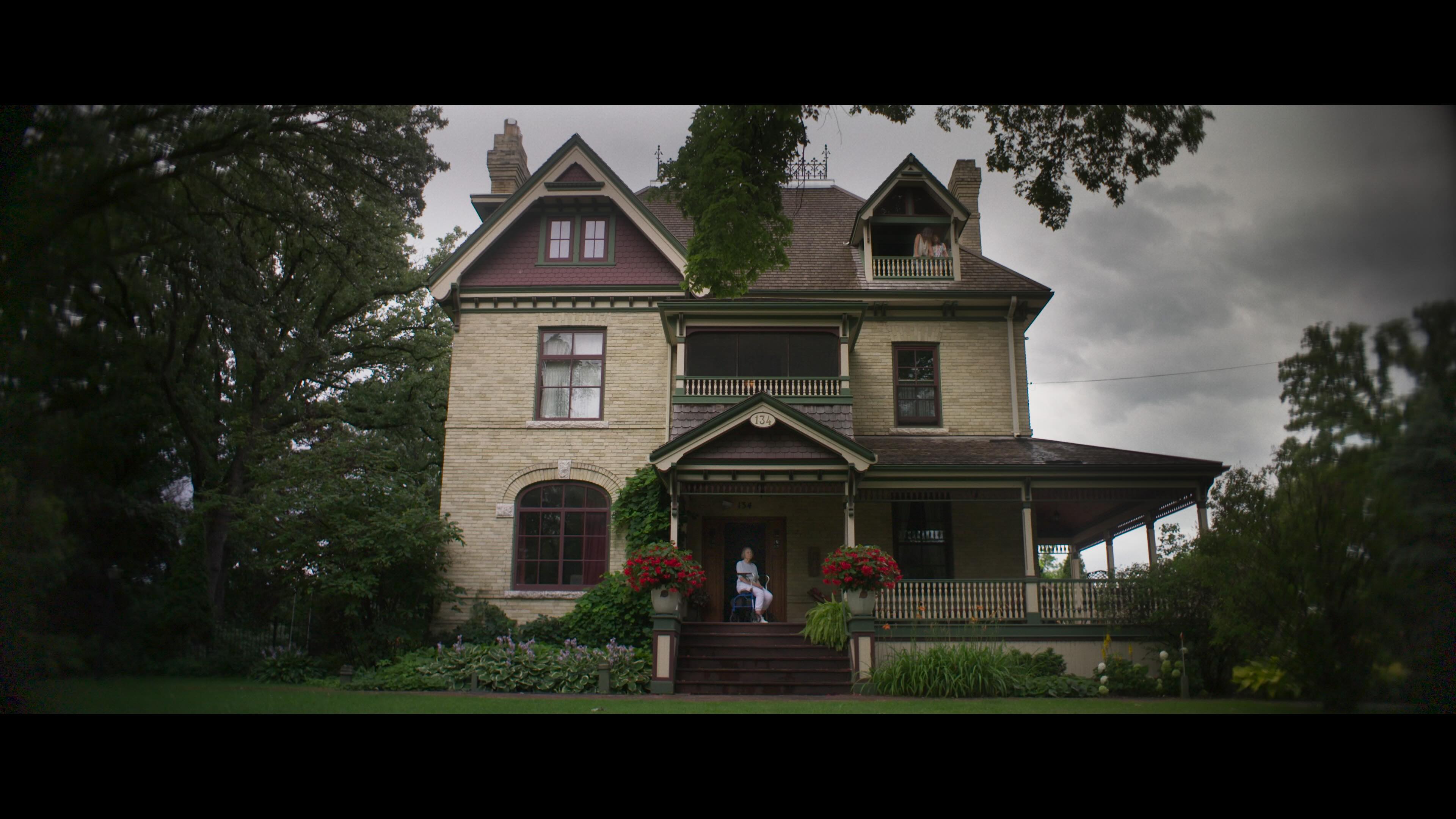
When Singh’s 80-year-old mother Christine Common suffered a bad fall and was partially paralyzed, Singh returned to the house where she grew up, an enormous old place perched on the banks of Winnipeg’s Assiniboine river. Like any old place, the house is packed with its share of secrets and suffering, as well as ample amounts of joy.
The grand house, Singh explains, is the love of her mother’s life. It is a remarkable place filled with gleaming wood, vaulted ceilings and reading nooks that possess a Narnian kind of charm. At the same time, Singh notes, “Sometimes the most beautiful places are the ones we most need to flee.”
Singh left home at an early age, running from the place and the strained relationship between her parents. But when her mother needed help, Singh and her teenage daughter Isadora returned. So began a fragile investigation of familial patterns, and by extension, the greater forces at work on the lives of women, spanning multiple decades and cultural difference.
At the height of the pandemic in 2020, Singh began documenting not only her mother’s life in the house, but also the lives of the many women who had lived there previously. Their layers of experience are soaked into the walls and the floorboards, a palimpsest best described by English writer and critic John Ruskin, who made this statement about old houses: “You’ll find walls that are washed by the passing waves of humanity.” Isadora cheerfully quotes it back to her daughter.
The tidal shift between past and present is delicately summoned through a series of imagined vignettes drawn from the house’s unique past. The film takes pains to establish that these sequences are not re-enactments, at least in the traditional sense of the term.
They are evocations, marrying the experiences of former residents with the larger movements of history. It’s an interesting approach that easily sidesteps the fustiness of a period piece and instead offers a bridge between people passed on and those still wrestling with the present.
The house that Annie built
When Singh’s mother Common purchased the house (dubbed “The Nest” by its original owner) in 1980, it was a rambling pile. Different renovation projects over the years had obscured its beauty and elegance. Over a period of 44 years, Common poured her energies into the place, bringing it back to something closer to its initial incarnation. Through this one-woman labour of love, the history of the house also re-emerged, room by room, project by project.
Originally constructed by Annie Bannatyne, it was designed as a grand house befitting a wealthy and influential family. In the late 1880s, Bannatyne was a remarkable Métis woman infamous for horsewhipping a white journalist named Charles Mair in the street.
Although she was married to a wealthy banker, Bannatyne was an instrumental part of the Red River Resistance, advising Louis Riel among other things. As author Katherena Vermette, who was researching this period in Canadian history for her graphic novel, explains in a filmed interview, “Annie [Bannatyne] just emerged.”
Throughout its storied history, the house functioned in a number of capacities. It was a school for the deaf led by Mary Ettie McDermid, the first teacher for the deaf in Western Canada. Despite this fact, very little is remembered about McDermid.
In the post-war period of the 1950s and ‘60s, it was the site of what was then Manitoba’s Japanese consulate, offering a home to the family of then consul-general Kumao Okazaki and his family, including his wife and teenage daughter Masa.
By the time Common bought it for the price of the land, the place had fallen on harder times. The purchase of the place also became a bone of contention between Common and her husband.
As Common recounts, her marriage was in part a reaction to a period of great social and cultural upheaval, and the relationship between Common, an Irish woman of Jewish descent, and her husband, a man of South Asian descent, was a way to assert her independence from her own cultural background. But it was not always an easy partnership.
When Singh asks her mother if racism introduced tension into her parent’s marriage, Common is blunt: “Well, of course it did.”
As she explains, British history has largely erased the atrocities committed against India during the colonialism era. Both of Singh’s parents had experienced familial trauma.
Singh’s father survived the partition of India, while her mother’s family endured the Holocaust. This level of disquiet on the familial level found echoes in the house itself.
Singh remembers that she was extremely frightened of the place when she was a child, a terror prompted by the odd, inexplicable noises that emanated from the upper floors. Isadora also experienced more direct visitations, a ghostly hand on her back, a whoosh of wind and noise.
Whoever or whatever was making these eerie sounds and actions is never fully explained, but it adds another layer to the filmmaker’s ambivalence and fascination about the house.
What begins as a kind of gentle exorcism soon expands into a nuanced, thoughtful investigation in the ways that the history of women is often erased, obscured and vanished from the larger annals of history.
Working against erasure and exile
In addition to the story of The Nest and its residents (past and present), the more intimate and personal narratives of Singh and her family are captured in a series of interviews between mother, daughter and granddaughter. These conversations form the spine of the story, supplemented by deep dives into the history of the house itself.
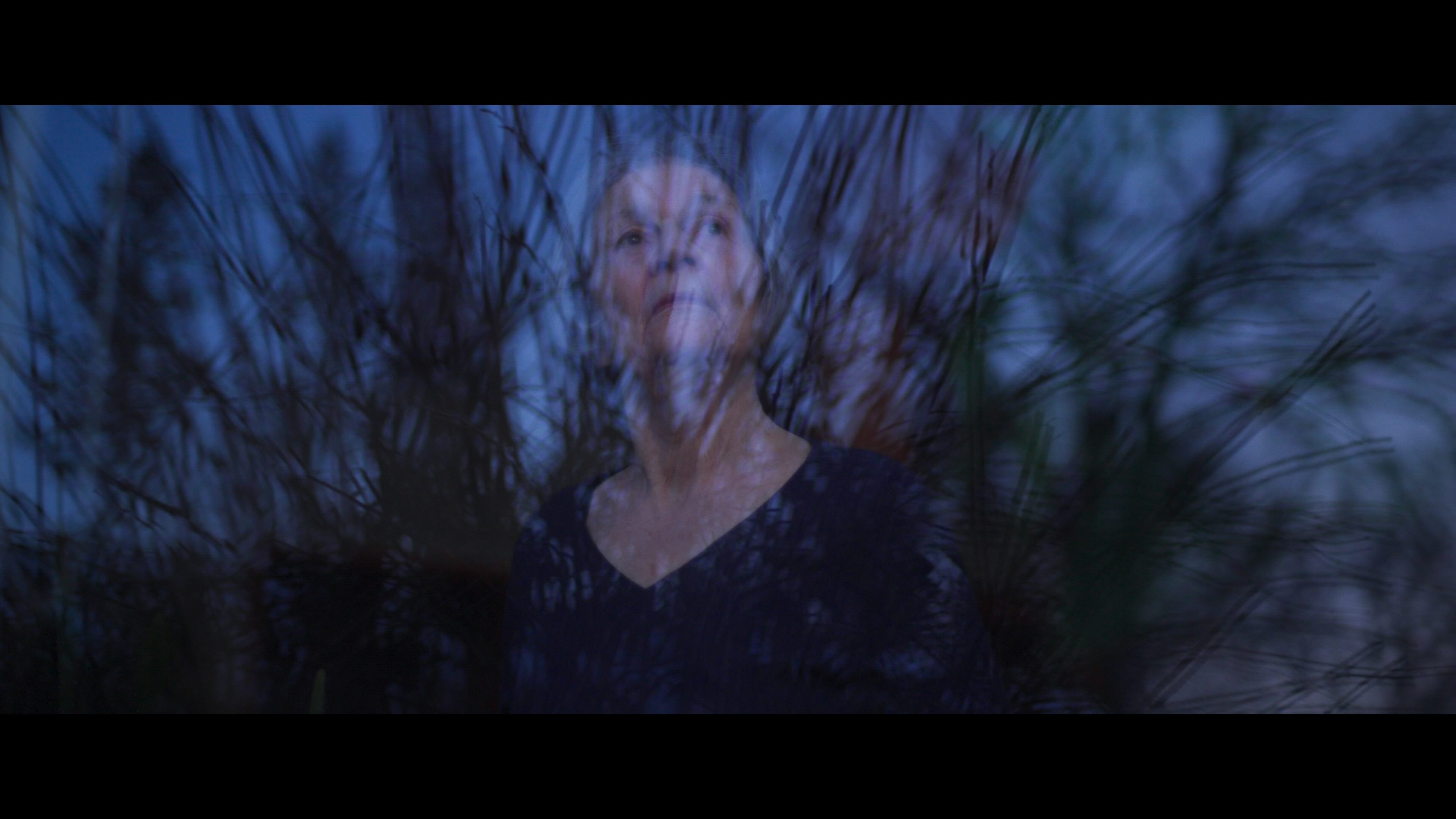
What emerges most indelibly is the remarkable character of Common, a woman who refused to stay within the constrictive social and cultural parameters of her era but instead embraced a more radical approach not only to her own life, but also to the lives of her children. She refused to soft-peddle the harsher aspects of life, including death.
As Common thoughtfully notes at the beginning of the film, aging is a natural and necessary process, but it is not always easy. Her daughter is more direct about the reality of mortality, stating, “Now every visit home carries the burden of knowing it could be the last.”
In creating a portrait of her mother’s home, threaded through and embroidered with moments of bright joy and darker periods of tragedy and struggle, the filmmakers collaborated with writers, artists and activists.
One of the narrative threads in the films concerns an oil portrait of Bannatyne that was painted from a photograph of the Métis matriarch. Bannatyne’s great-great granddaughter notes the differences between the original photographic image of Bannatyne, in all her bad-assed presentation, and the creative interpretation. The painted image, in all likelihood created by a male artist, softened the woman’s expression into something more pliant and arguably more socially acceptable.
These obliterating processes, rendered emblematically in oil paint, make the softened edges of women’s contributions easier to see within the greater arc of events. It’s a reality that is captured most clearly in the chapter of film dedicated to the experience of Mrs. Okazaki, wife of the former Japanese consul.
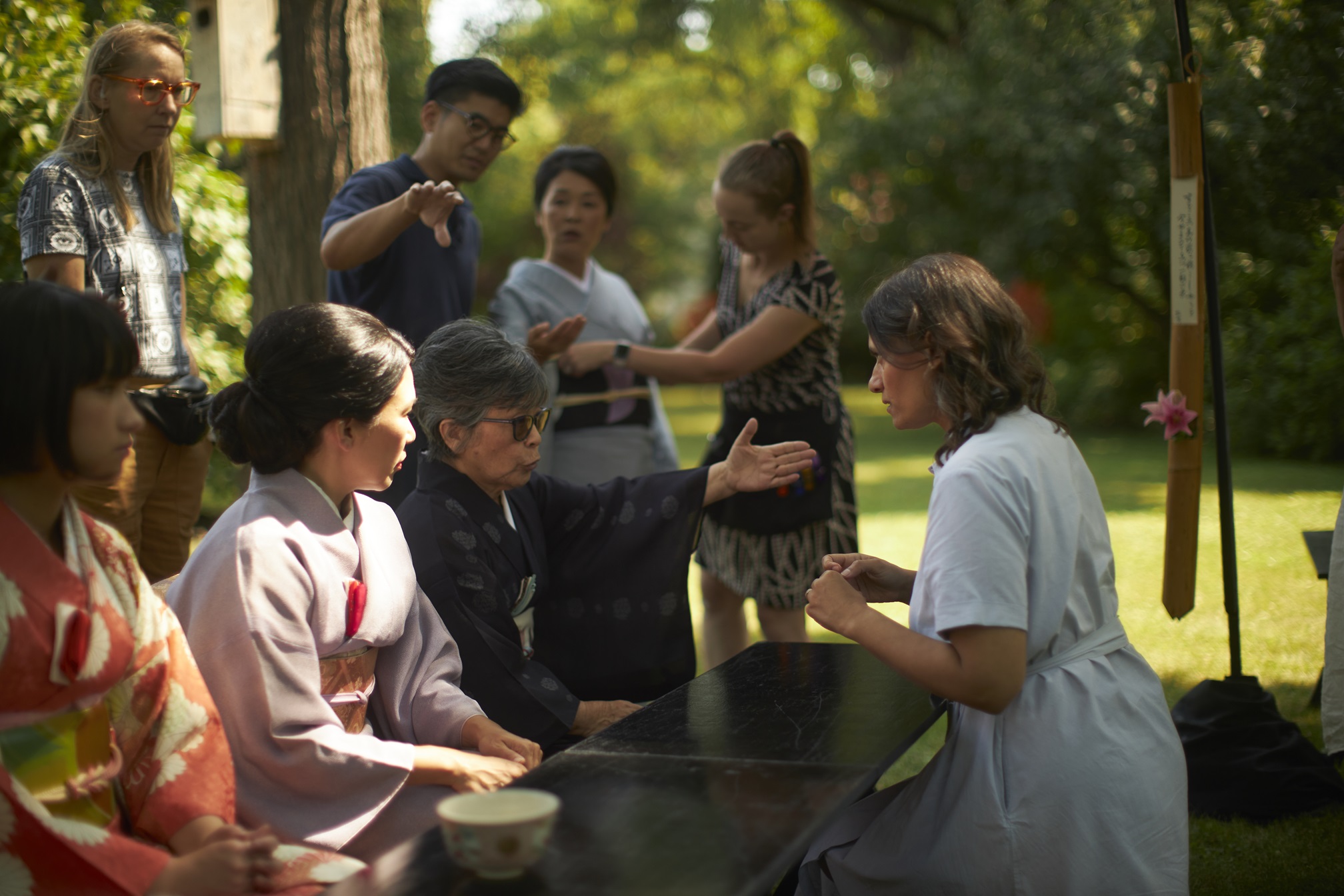
As Singh explains in the film, there was precious little information about the woman and her teenage daughter other than a brief newspaper story about a Japanese tea ceremony that took place in the backyard of the house. The article makes mention of the details of hair and clothing, but any greater sense of who these women were has been lost to history.
The Nest brings these women back into corporeal form, re-staging their experiences in a series of imagined vignettes drawn from daily life. We see Masa dancing to pop music on a portable turntable while her mother looks on.
The erasure of women’s experiences is the larger story hovering on the horizon. Singh sets out to right this wrong, but the sheer scale of what has been lost, purposefully obscured or never documented, even in this one specific place, is astronomical.
It’s little wonder that the house is filled with noisy spirits, still calling out for some form of recognition.
The film offers different forms of reparations to these unquiet ghosts, the most notable of which is a final resplendent tea party with many of the film’s participants taking on historical roles. It’s a fitting end, but unresolved items linger — most critically, the fragility of history itself.
History is subject to the predations of time, as well as darker forces that would seek to marginalize women as well as communities of colour. It is a kind of attrition that, like an old house, must be peeled back to reveal the true contours and markers of lived experience in all its complexity and beauty.
‘The Nest’ screens at the Vancouver Queer Film Festival on Sept. 21. 
Read more: Gender + Sexuality, Film











Tyee Commenting Guidelines
Please note that email notifications for replies are not currently working due to a software issue which may be resolved in a future update.
Comments that violate guidelines risk being deleted, and violations may result in a temporary or permanent user ban. Maintain the spirit of good conversation to stay in the discussion and be patient with moderators. Comments are reviewed regularly but not in real time.
Do:
Do not: