

 SHARE:


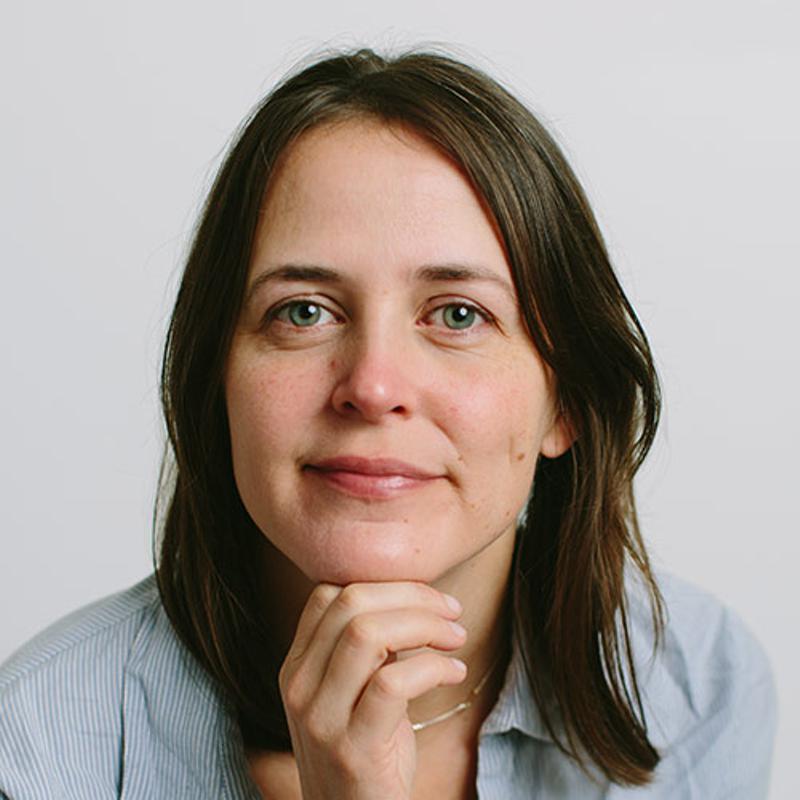
Isaac Phan Nay was working from home when he learned about the AI data centre planned for Mount Pleasant, two blocks away from where he lived. He remembers staring out the window in disbelief.
He wasn’t the only one. Since the announcement, hundreds of people have taken to Vancouver streets to protest the developments in a handful of demonstrations. The turnout gets larger every time.
Phan Nay mainly reports on labour for The Tyee. But over the past two years, that’s increasingly meant covering how artificial intelligence has surged into our lives.
“AI has quickly reared its head in the workplace and in our cities in ways that I really can’t look away from,” he said.
Phan Nay has been hearing from the residents who don’t want AI data centres in their neighbourhoods and the municipal politicians standing up for their constituents. He’s been pushing the tech companies for more answers and sitting down with the federal elected officials behind Canada’s AI build-out.
This week on The Tyee Podcast, Phan Nay shares what he’s learned about the data centres coming to your town and what you can do about it.
Listen to this episode by clicking the embedded podcast player below or by following ‘The Tyee Podcast’ on Apple Podcasts, Spotify, iHeartRadio, Amazon Music, Pocket Casts or YouTube.
This podcast may include ads with third-party measurement. See our privacy policy.
Transcript
Note: Episode transcripts may contain errors. Always check the corresponding audio before quoting any part of the transcript.
Harrison Mooney:
It’s a sunny day in June, and hundreds of people march through the streets of Vancouver, protesting plans for two new data centres here in this city. Our labour reporter Isaac Phan Nay was there. He got to hear why folks were outraged about the data centres coming to town.
Kiyana:
I hate AI. It’s soulless, there’s nothing good about it.
Chuck Wright:
We’re concerned about the amount of water the data centres are going to take, especially when we’re in Stage 3 water restrictions.
Harrison Mooney:
The protest was a hint of what was to come. Since then, hundreds more people have rallied against data centre development in Vancouver. Still, dozens more data centre projects were announced across Canada, and the federal government is all-in on building AI data centres. What’s going on?
This is <em>The Tyee Podcast</em>. Every week, we dive deeper into the stories shaping the West Coast. Because Canada needs more B.C. I’m your host, Harrison Mooney.
Isaac is the labour reporter here at The Tyee, and he works on this podcast. But lately, it feels like all he’s been doing is writing about AI. I’m sick of it. Aren’t there other labour issues he could cover?
Isaac has been pushing data centre companies for answers on their plans for our cities. He’s been learning how British Columbians can control what happens in their towns, and he’s been speaking with the folks who see these data centres as a saving grace. This week on <em>The Tyee Podcast</em>, he takes us inside Canada’s data centre fervour.
You know, it’s funny. Like sometimes your stories touch on stuff I didn’t really see as labour issues. For instance, I didn’t expect you to be writing so much about AI. How is that a labour issue?
Isaac Phan Nay:
So when I first started at The Tyee it was right about when we were starting the reality of like AI was starting to set in. People were being laid off for being laid off because AI was capable. People were really worried on one side that AI would take people’s jobs, and executives were really excited that they’d be able to do more with less people. And so quickly, it’s become something that everybody wants to know how it’s going to affect them at work, and that businesses want to know how they can use to increase productivity or even cut down on their labour costs.
Harrison Mooney:
Right, right. Replace us is what you mean.
Isaac Phan Nay:
Yeah, I mean, and I can see like, well, we can get into this a little bit later, but there’s a business case for it there, whether or not that’s moral or ethical. So AI and concerns about AI have quickly become rearing their heads into the workplace and into our cities in ways that I really can’t look away from as a labour reporter.
Harrison Mooney:
Right. Yeah. You know it’s funny. Like AI has been spreading like wildfire for a few years now, but so far its impact has mostly been like enshittifying all my favourite websites and apps. But now it’s basically in the backyard. Like imagine my surprise to learn about a plan to put a full-blown data centre in East Vancouver’s Mount Pleasant neighbourhood. Isaac, that’s where I live. Whose idea was this?
Isaac Phan Nay:
Yeah, I mean, I live two blocks away from the Mount Pleasant one as well. The idea was on it was Telus’s idea. Actually, no. It was this developer’s idea, West Bank, to turn the old Hootsuite building in Mount Pleasant into a data centre, and I was pretty shocked to hear it as well. I mean, most of the time we’re seeing these be developed in rural areas, usually far away from people, where some of their externalities like heat generation or noise generation aren’t really so visible or audible to people going about their everyday lives. So when I heard while working from home that there was a data centre going to be a couple blocks away, I was also surprised. But the more I started to learn about this project, which is being run by Telus, the more it started to make sense, I mean-
Harrison Mooney:
Oh no, they got to you.
Isaac Phan Nay:
They didn’t get to me, but I can see the argument here.
Harrison Mooney:
OK. I mean, yeah, you’re gonna have to make it like I’ll admit I don’t know a lot about these data centres right like I’m picturing like the mainframe scene in a movie you know this like dimly lit chamber full of multicolour flashing lights and floor to ceiling servers and magnetic tape drives as far as the eye can see but in reality I’m told that they’re. Incredibly bad for the environment. Can you confirm this for me?
Isaac Phan Nay:
Yeah, I mean there are some real concerns about their effect on the environment. Chiefly, these data centres, specifically the really big ones that we need to make sure that AI can run and exist and continue to grow, draw huge amounts of power. The one that is proposed for near BC Place is about 100 megawatts. That’s about the average size of an AI data centre, and the Canadian centre for Policy Alternatives estimates that 100 megawatts is about the amount of power it would take to power about 75,000 homes
Harrison Mooney:
OK.
Isaac Phan Nay:
That’s like significant power, and it’s significantly more than we’ve seen from the previous kinds of data centres that existed, which were mostly used for data storage or for operations that were less intense compared to AI.
Harrison Mooney:
Right. OK. So just a ton of power being used, a ton of water. Right? Is that that true? That’s something I’ve read online.
Isaac Phan Nay:
Water is water is complicated. So I didn’t even realize how complicated it was until trying to figure out how much water the Vancouver ones would need. Really, there are no good estimates for how much water each data centre would use, especially because that number varies based on the technology they use to cool the data centre and the climate around the data centre, and all of these other factors that I personally am finding hard to grasp. So there is the chance that these data centres will use a significant amount of water, which is really important, especially in areas that already are seeing water restrictions or drought. But-
Harrison Mooney:
Which is, I think, the whole planet is that accurate?
Isaac Phan Nay:
One could say. I mean, yeah, I think you know water is becoming increasingly scarce generally, but I’m really not confident speculating how much water these things might use, just because so much is really unknown.
Harrison Mooney:
Right, and I mean even if you did know the number, it would just be one of these big numbers that is beyond my understanding, like 100 megawatts, like what is that really? OK, well, what about noise? They’re loud.
Isaac Phan Nay:
They are loud. There’s currently a data centre in Mackenzie, British Columbia. That’s about 80 megawatts. So pretty close to the size of this hyperscaler. I mean, bigger than anything that we would previously have, and the mayor there tells me that there is like an audible kind of hum. If you can think of like the noise a computer makes when its fan is working, trying to cool it down, picture that. But it’s you know thousands and thousands of computers on top of each other in a warehouse. Like it’s that pretty noisy.
Harrison Mooney:
So that sound times a billion, just pretty loud.
Isaac Phan Nay:
Yeah, yeah.
Harrison Mooney:
OK, so it’s noisy. The amount of water it uses is untold. It’s you know it’s also hot, right? It doesn’t. I’ve read that it also just like heats up the environment.
Isaac Phan Nay:
I mean, look, it’s the same thing as with the fans. I mean, your computer when it’s really struggling to do whatever you’ve asked it to, it heats up, and so in the same way, these data centres are going to produce heat. There are ways that companies have found and technology companies have found to make sure that that heat is used for good, which we can get into a little bit later. But yeah, I mean, there’s going to be heat generated, and what’s done with that heat is also going to vary.
Harrison Mooney:
OK, so lots of problems. We’ll say, has somebody told City Council all this?
Isaac Phan Nay:
Oh, people have told City Council. There’s been increasing amounts of pushback against specifically the Vancouver data centres. Ever since they were announced, there have been protests and rallies organized every couple weeks or couple months to let Vancouverites voice their displeasure that these things are coming to town. And every single time there’s a protest, there is an increasing turnout. I mean, it went from hundreds of people showing up to the first one to more than 1,000 for the latest, there’s another one scheduled for this next weekend, and a local municipal political party has decided that this is going to be a really good thing to make an election issue. Now, I believe this is going to come out after the municipal election. Looking at the schedule, but you know, at the time of recording, Cope is calling for, or the Coalition of Progressive Electors rather, is calling for a pause on data centre development and all these other things to try to rein AI in.
Harrison Mooney:
Hey there, Harrison here, hopping in to say that since Isaac and I had this conversation, COPE has elected four candidates to city council. Back to the episode.
Harrison Mooney:
Right, right, and you know, I understand too. Like back in July, you wrote about Vancouver City Council’s decision to kick a public hearing on these data centres to after the elections. So it’s clearly becoming an election issue, you know. And I just feel like it feels like citizens really need to say something because this this is just going ahead, and governments maybe seem to not care, or maybe they’re not hearing us on this issue. Like I wonder if what am I trying to ask you? Why do our governments seem so determined to build these things when the pushback just seems to get louder and louder and louder.
Isaac Phan Nay:
It does seem to me that governments are a little bit slow to react to these things. There are all of these projects announced across B.C., and really very little regulation to ensure that all of these externalities that we know about aren’t going to impact the communities in which they’re built. I think that it’s really, especially as we’re, you know, focused to the south, looking at how we can manage tariffs and the impact of you know this trade war, it’s really unclear how much data centre issues will affect like electability. As we’re sitting this now, I’m really unsure how well this you know, how well campaigning on AI data centres is going to impact the municipal election. So I think part of it is that we’re really we really haven’t had a good test to see how much this affects people’s electability, but also because this thing is like moving really really fast. I mean, it was AI has been around for forever, but this kind of fervour is only like four years old, really. And AI data centre development is also really new to B.C., but also to Canada. I mean, we only have five AI data centres here in Canada, and dozens of applications are kind of coming into municipal governments now. So really we just like this is a new type of land use. These data centres, and we don’t really know like how to regulate them yet.
Harrison Mooney:
Right. It’s funny. You know the so I mean there’s already five and there will be several more if there isn’t pushback or maybe if this doesn’t turn out to be a significant election issue, but you know I’ve been looking at these data centres in the States, and you know it seems to make a little bit more sense for them there because the Trump administration tends to just show open disdain for its citizens, but I guess I don’t understand why it’s happening here. Like, aren’t our elected officials afraid of being voted out for pushing something citizens don’t want? Like, we don’t want this, right?
Isaac Phan Nay:
So I’m not so sure that everybody doesn’t want this. I mean, here in Vancouver, we have high pushback, but the federal government seems to see artificial intelligence as part of part of their greater initiative.
Harrison Mooney:
Oh, it’s elbows up. That’s why the data centres because elbows up.
Isaac Phan Nay:
I mean, business leaders that I’ve spoken to are really excited about the potential of artificial intelligence. This is the new railroads. This This is the new computer, you know. Like people don’t want to be left behind by what they see as important technological progress, and so the attitude from the federal government has been to incentivize building artificial intelligence. We want to get in on the infrastructure, like the physical infrastructure, so these data centres that let companies build and train AI models. Small startups here in B.C. really want to say that they’re supporting these local data centres, and there’s an element here of control as well. People’s some people’s biggest concern with artificial intelligence is you know what happens to the data. Are there going to be data like leaks? Are there going to be privacy concerns? These are warranted concerns, and what the Canadian government is saying is if we build these centres here and we’re able to grow AI companies here, we’ll be able to control what happens with the data and what these companies can do. So that’s another element of this really big push by the federal government to make sure that we get AI in Canada and we keep the data here in Canada.
Harrison Mooney:
I honestly, it Isaac, it drives me nuts sometimes that elbows up in practice means turning a blind eye to say climate change. You know, more pipelines, more data centres, more environmental disasters potentially, all in the name of what sovereignty? You know, it feels a little bit like protecting Canada from annexation in practice means burning it down before anyone else can.
But even with all the environmental issues, some B.C. towns want these data centres. And here’s a spoiler: it’s not just the tech bros and oligarchs. After the break, what really happens when a data centre comes to your town?
You are being suspiciously nuanced on this issue. I want to ask you about the one in Mackenzie because that’s a real one. We can talk about that. Do you know much about the data centre in Mackenzie?
Isaac Phan Nay:
So I’ve just been talking to the mayor there. They Mackenzie was approached by this Australian company, IREN, about five years ago, and they wanted to build a data centre there initially to facilitate cryptocurrency operations, we don’t have to get onto that.
Harrison Mooney:
How much do you have in Bitcoin, Isaac?
Isaac Phan Nay:
Oh man, not as much as I want. But basically, the now they have a data centre up and running. That’s about 80 megawatts. It’s one of the biggest in B.C. It’s one of the two AI data centres we have in this province, and it’s up and running. Now Mackenzie was a purpose-built town around the forestry industry. They had sawmills. They had a paper plant, and it was really devastating to Mackenzie when they lost all these jobs because of mill closures, because these companies were downsizing, it’s really a story that we’ve seen play out across northern B.C. and across B.C., period. So when this new industry came to town, the mayor and local government there said, “Hey, maybe this is an opportunity.” You know, cut to five years later, this thing is operating. It employs about 60 people with the promise of at least 75 people next year. I mean, these are not just construction jobs, which is something we’re worried about. These are like real permanent jobs that are, you know, helping maintain this data centre’s 24/7 operations.
Harrison Mooney:
Right.
Isaac Phan Nay:
They’re also seeing quite a bit of benefits from having the data centre in town. I mean, they haven’t negotiated a community benefits agreement or anything, which is an agreement between like a local government and a data centre that guarantees that it’ll like pay into local services. But so far, this company has helped build fiber optic infrastructure for the town. It’s paying, I think, $250,000 per year into local, you know, community programs like sports teams and wellness programs, and so it really has been mostly a positive impact for the district if the mayor is to be believed.
Harrison Mooney:
Right, right. So you’ve talked to the mayor. Have you talked to the environment, Isaac? No. There’s I know one thing about Mackenzie, which is that it’s home to the world’s largest tree crusher. So I mean, I guess it shouldn’t shock me that ecological protection isn’t top of mind, you know. But it still seems like, you know, I know these data centres cause problems for the environment. I also know that Mackenzie is a scenic, peaceful, quiet town. So I mean, I have to imagine it’s wrecked everything, right? It’s ruined everything.
Isaac Phan Nay:
Again, according to I haven’t been up to Mackenzie, which is something I’d love for the tell you to send. I’d love for The Tyee to send me up there, but the mayor tells me that so far there is an audible noise coming from the data centre, but it’s far enough out of town that it’s not affecting most of the residents there. It’s hooked up to hydro, so it’s not burning fossil fuels to power itself, which is something that we’re seeing in Alberta, especially like in a town like Holes, being proposed. It’s not up, but yeah, I mean ostensibly, like this is. Drawing a significant amount of power, it’s causing more strain to our grid, and so we’re going to have to get that power from somewhere. And even if that power is renewable, like development’s development, it’s going to have an impact on the environment. So yes, this will have like a pretty significant impact on the environment.
Harrison Mooney:
OK, so but jobs, right?
Isaac Phan Nay:
But some jobs.
Harrison Mooney:
I mean, you know the thing about the jobs you hear about that, right? Oh, it’s creating jobs, but I mean, it’s AI. Like, isn’t the end goal here that it will reduce jobs? Like, this feels a little bit like you know getting a job, digging a grave, and then finding out it’s your grave. You know, I do I wonder about that. Like, is there is there any eye towards the future and the potential that hosting and celebrating these data centres actually just means further loss of employment or continued unemployment?
Isaac Phan Nay:
Yes.
Harrison Mooney:
Yeah. OK. Great. That’s wonderful.
Isaac Phan Nay:
That is that’s a concern that that residents really have. That’s a concern that advocates in the space really have. I mean, when I’m looking, when through my reporting, I’ve come across a bunch of people that are really concerned about that, and I think that it’s a really valid concern. People are really worried about what having more of these data centres and more capacity to run artificial intelligence is going to do to their jobs. It’s probably because all the people running these companies are promising it’s going to take our jobs
Harrison Mooney:
Right. Yeah, the noise one too is interesting. Like, I mean, you know, far enough out of town where you can’t hear it. I guess that makes sense because you know Mackenzie’s a little ways out. I’m reminded of Universal Studios Hollywood built this new Fast and the Furious themed roller coaster, and the story was that it was supposed to be whisper quiet because the lot backs onto a bunch of residential neighbourhoods. But what Universal failed to account for was how much screaming people do on roller coasters. So you know now it’s just you know be quiet and then you’ll just hear like a mass of screams, just you know a wave of screams shoot over you, and then I imagine loop around and then go through a tunnel or whatever happens in Fast and the Furious. So I mean I guess you know honestly I’m just trying to talk about the noise. Like, is the noise really a problem? Like, it just feels like, you know, maybe out in the town it’s one thing, but in the middle of Vancouver, I mean, that’s going to be loud, loud, don’t you think?
Isaac Phan Nay:
I don’t really know. I mean, I haven’t been able to. I’ve been asking these companies what they’re planning to do about the noise. Telus specifically promises that they’re going to be.
Harrison Mooney:
They’re going to make it whisper quiet.
Isaac Phan Nay:
They said they’re going to do acoustic engineering. Is what they told me.
Harrison Mooney:
Right, right, right. They’re going to forget that it screams, though, right?
Isaac Phan Nay:
So that it’s less loud for the people around it, but that’s not really like a. I didn’t find that to be a satisfying answer. It doesn’t give me a number. It doesn’t give me like a real answer whether or not there’s going to be a lot of noise. Right. Hopefully, there’s nobody screaming in the data centre. I think that would be pretty concerning in like a Backrooms, horror movie type way.
Harrison Mooney:
Yeah, probably no humans in there actually, though. Right. It’s just this gonna —
Isaac Phan Nay:
There’s going to be engineers. It’s gonna be people like maintaining its operations.
Harrison Mooney:
Right.
Isaac Phan Nay:
But yeah, so I guess that’s a long way of saying that I don’t have a satisfying answer for you there. There’s going to be noise generated in the data centre, whether or not it’s contained. I haven’t been able to get answers to.
Harrison Mooney:
Right. Yeah, I mean, I guess this is my main concern. You know, I keep coming back to you know yeah the noise and the water usage and the heat and the power because you know these are all valid concerns that you hear about any time you talk about data centres, and it really sounds like we’re not going to get any answers on how bad it could be until after it’s already here, you know, and then what are we going to be able to do? So I guess, I mean, my argument would be that we just don’t have it. We don’t need that nonsense here in Vancouver, right, Isaac? You’re still on my side about this. What?
Isaac Phan Nay:
I mean, there’s a good argument for how by having it here in Vancouver, where we have really good, really good solutions for the excess heat and really good solutions for, well, yeah, we have really good renewable energy. This is a really good argument for having them here in Vancouver. That kind of makes some sense. The ones here in Vancouver are going to be on a district energy system. There’s two different district energy systems that each one funding for Vancouver is going to be on, and these are systems that basically take they they heat the water and the buildings of whole neighbourhoods instead of individual buildings. And what this does is, if one building is too hot and one building is too cold, it lets that heat from one building be used to heat the other building, in a much more complicated, much more nuanced way. And so during the winter, when there’s like a lot of demand, for example, the one in False Creek where the Mount Pleasant data centres can be built on, fires up a couple fossil fuel boilers to meet that demand. Ostensibly, having a heat generating giant data centre on that system is going to reduce Vancouver’s reliance on fossil fuel to heat homes.
Harrison Mooney:
In the winter.
Isaac Phan Nay:
In the winter, there’s no satisfying answer for what’s going to happen when there’s an excess of heat in the system, and I am still trying to find answers. I my theory is that we all we will not know until the project is already being developed or developed.
Harrison Mooney:
Right. Yeah. I mean, I guess this is my issue with AI writ large. You know, people can give me examples for how it could be used well, and I’ve seen examples of how it’s used well. You know, I had a friend use it to figure out how to advocate for, you know, his son’s educational needs in the parent-teacher meeting, and he, you know, he asked ChatGPT like, “Hey, I want to ask about these things. How would I phrase that?” And then he got like a script, and I think that really helped him. You know, so great. But also, you know, there’s all the stuff where there’s no satisfying answer about how it will actually impact our community. You know, jobs, and certainly now the environment, but it really does seem like those answers won’t come until after this has already been fully implemented and there’s no going back. Is there any stopping this project before we reach that point?
Isaac Phan Nay:
I think that there is, you know, the possibility of stopping a project. I mean, here we come back to the protests. Enough people have been pretty vocal about their desire to not see these data centres in Vancouver that city council moved a public hearing about these data centres from before the election to after the election,
Harrison Mooney:
I mean, that’s something.
Isaac Phan Nay:
The parties seeing that as a win because it means that people will be able to vote on this, right? And I think that that’ll be a test that other governments can look to see how much people care about these data centres. If it proves to be an issue that can make or break elections, I think that that would mean that we start getting to vote on data centres and people, candidates start coming out with data centre policies. I mean, we have U.S. midterms coming up in November, and data centre development has progressed way farther there. It’s proven to be an issue that in rural America can unite people on both sides of the spectrum who are seeing drastically less sustainable data centres crop up around their cities and are upset. And I think if it proves to be a huge election issue south of the border. It’ll like many election issues that happen in the U.S. It’ll trickle up. Here we have in in B.C. the provincial Green Party is calling for a pause on data centre development until we can at least figure out what it’s going to mean, get some of these answers, and figure out what we can do to regulate these data centres because there’s largely no specific data centre specific zoning or any kind of regulation there. That’s something that you know the coalition of progressive electors here in Vancouver is also calling for, and I believe the district of East Kootenay, which I’m butchering the actual name there, but it is a district in the Interior is also calling for a policy on data centre development.
Harrison Mooney:
Right, and you said COPE has a- Did you say that Cope has a candidate who is like that’s kind of the main issue for them?
Isaac Phan Nay:
Solomon Yi-Kieran is one of the candidates for council, and Solomon’s been really really vocal on. We need to pause data centre development until we know what’s going to happen. They’ve been at pretty much every single one of the protests against these data centres, and they’ve been really outspoken about the fact that whatever happens, Vancouverites should get a say.
Harrison Mooney:
Yeah. OK. Well, so let’s say that we get this data centre anyhow because the issue is becoming nuanced, and a pause is not a stop, and it really seems like our government at almost every level would like this to happen. You mentioned a community benefit agreement. Can you explain a little bit more about what that is?
Isaac Phan Nay:
Yeah. So right now, municipalities are looking for ways to make sure that if a data centre does come to town, or if they want the upside of a data centre, there are ways to either mitigate or outweigh the downsides. So, community benefits agreements are these agreements that are negotiated between a data centre proponent, so a big company, Telus or Microsoft, or maybe a data centre specific company and municipality that basically ensures that they will do something for the town in return. That way, you’re not just leaving it up to you know the good word of this executive,
Harrison Mooney:
Right.
Isaac Phan Nay:
And so currently, towns are figuring out how they can either negotiate community benefits agreements or change local policies, essentially to make sure that these data centres are held to the highest standard possible. In Prince George, we had a motion that carried unanimously by the entire city council to start investigating how it can start regulating AI data centres. Lucy Maloney here in Vancouver tried to pass a similar bill and it was voted down by ABC majority. So we’re not even like really looking into it as much here, but you know there are some towns taking action to start to see like all right if these data centres are coming to town, what tools do we have to step up? We also saw something really interesting coming out of McKenzie, where this data centre is already existing. They brought this call to UBCM, which is this big conference of all of the municipal politicians from across B.C., basically calling for these data centres to be paying higher property taxes. Right now, in B.C., data centres pay as much property taxes, or data centres pay the same property tax rate as your local coffee shop.
Harrison Mooney:
Right. But they probably use a lot more water than a place, or and not even just water, but electricity.
Isaac Phan Nay:
There’s a lot more water and a lot more power, which a lot of these people are saying are like you know public resources. They’re they’re it’s power harnessed from our wind, our public water, and so the argument here is, data centres aren’t just a regular business; they’re an industry, and so they should be taxed as such. And so, Mackenzie brought this idea to the UBCM, and this conference of all of the B.C. municipalities agreed. They’re calling on the province to tax these data centres as light industry. The idea is they’re not as you know quote unquote dirty or as bad for the environment to say oil and gas or even logging.
Harrison Mooney:
The world’s largest tree scaler for a tree crusher, for instance.
Isaac Phan Nay:
Yeah, but they’re still having a significant environmental impact. They’re still having a significant power draw, and as such, they should have to pay into our systems of government, so that the government can then use that money to do whatever we vote on them to do. So that is really in the hands of the government right now. If it were to pass, or rather, if the government, the provincial government, were to listen to UBCM and do what these municipalities are asking, it would really increase revenue for places like Mackenzie, where the revenue from the data centre I think would triple.
Harrison Mooney:
Right. OK. So let me see if I’m getting all this. This issue is not as cut and dry as AI bad or AI data centres bad. But at the same time, our role as citizens is not as simple as stop the data centre. Because even if the data centre comes through, there are still all kinds of like demands and regulations and impacts we can have on the impacts that data centre has on our community.
Isaac Phan Nay:
I think if this is a cut and dry issue for you, it can be a cut and dry issue for you. And if you really don’t want the data centre here, if you’re one of these people who just straight up doesn’t like AI, and the data centre is the first time that you get to have a say at your government level, you know, stand up for what you believe in, right?
Harrison Mooney:
Like, hell yeah.
Isaac Phan Nay:
But so, not to say that this isn’t a cut and dry or binary issue, because it can be, and there’s good arguments there. But I think that there’s convincing arguments for nuance and convincing arguments for the other side here too, and in a truly Canadian fashion, I think we’re going to end up on a compromise. And so there are all these ways that municipalities and provincial government are looking at ways to maybe compromise.
Harrison Mooney:
Isaac Phan Nay He’s a reporter here at The Tyee and produces this podcast. We had this conversation a couple weeks ago, before a provincial election meant we had to move this episode into November.
And a couple things have happened since then. COPE, the Vancouver municipal party campaigning against AI, won four seats on municipal council. So did Lucy Maloney, who tried getting Vancouver to look at ways to regulate AI Data Centres. And in Mackenzie, the outgoing Mayor Joan Atkinson decided not to run again for the seat. Instead, Pete Kyllo has the role.
Did you enjoy today’s episode? Let us know by sending an email or voice note to [email protected]. The Tyee is a non-profit reader- and listener-funded journalism organization, made possible thanks to the support of our Tyee Builders. That could be you, listener. Head over to support.thetyee.ca to sign up, so we can keep publishing journalism in the public interest. That’s support.thetyee.ca.
If you want to advertise on this podcast, we have a team that wants to hear from you. You can email them at adsales at the tyee dot ca.
Today’s episode was hosted by me, Harrison Mooney, and produced by Isaac Phan Nay. It was engineered by Bespoke Podcasts. Our music is by Brian Binnema. Join us again in two weeks.
Read more: Podcast, Media, Science + Tech








Tyee Commenting Guidelines
Please note that email notifications for replies are not currently working due to a software issue which may be resolved in a future update.
Comments that violate guidelines risk being deleted, and violations may result in a temporary or permanent user ban. Maintain the spirit of good conversation to stay in the discussion and be patient with moderators. Comments are reviewed regularly but not in real time.
Do:
Do not: