


 SHARE:
Lytton residents will have their class-action lawsuit against Canada’s two major railway companies heard in the B.C. Supreme Court, thanks partly to new evidence of high brake temperatures on a train passing through the community shortly before the town burned.
The news comes almost 4 1/2 years after a fire on June 30, 2021, levelled 90 per cent of the village’s buildings and killed two residents.
In a decision issued Tuesday, B.C. Supreme Court Justice Ward Branch agreed to certify a class-action lawsuit brought by residents against Canadian National Railway and Canadian Pacific Railway.
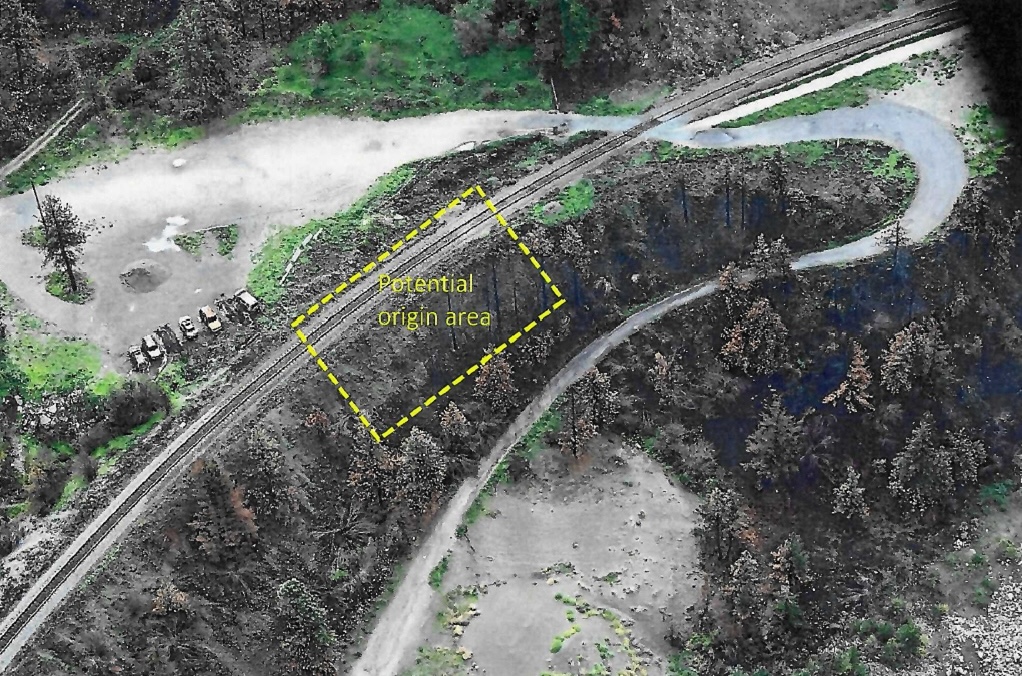
He said the plaintiffs had provided enough evidence to suggest the allegation that railway operations may have played a role in starting the fire had “some basis in fact” — a key standard to determine whether such a suit can proceed. The fire is believed to have started next to railway tracks just south of the village.
While the railway companies argued that a lack of conclusive evidence about the fire’s origins should prevent the case from moving forward, Branch said the evidence needed to certify a class action “usually fits in a single bankers box.”
“It is possible to succeed in a fire case even if no eyewitness saw the initial sparks fly,” he wrote. “Indeed, in most fire cases, there is no such origin eyewitness evidence available. At trial, the court will be entitled to draw inferences about the initiation of the fire from surrounding circumstances.”
The railway companies have long denied any role in the Lytton wildfire, and the lack of an official cause has hampered efforts to certify the class action.
But Branch’s decision highlights new evidence suggesting rail officials may have known there were issues with a train alleged to have started the fire.
Early on the morning of the fire, a CP-owned Vancouver-bound freight train was heading west on CN’s tracks toward Kamloops, according to evidence summarized in Branch’s decision.
Before reaching Kamloops, heat sensors “detected elevated temperatures” on the wheel bearings of one of the train’s four locomotives.
In Kamloops, the locomotive was removed from the train and the train was transferred to CN’s control.
“CP’s crew apparently did not inform CN of the high bearing temperatures experienced that morning,” Branch said, summarizing the evidence of the plaintiffs.
The train continued south toward Lytton, operated by a CN crew.
At 4:31 p.m., the train passed through Lytton and soon crossed a road next to a gravel parking lot south of the community. The fire is believed to have started in the area, according to the plaintiffs and a previous investigation.
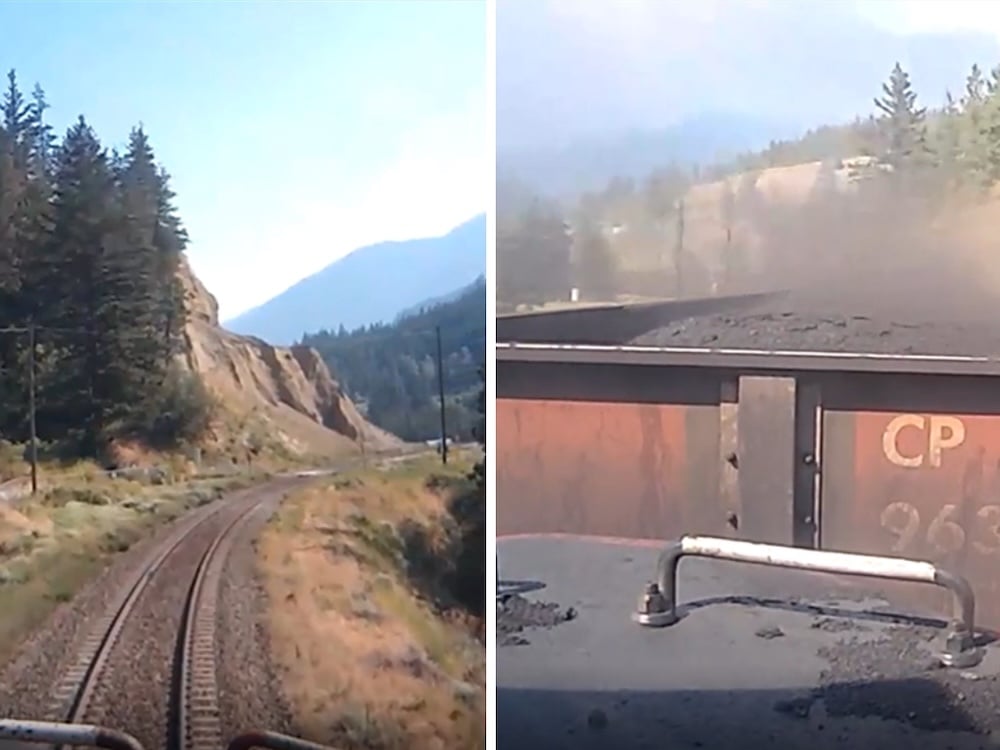
As the train passed through the area, “onboard video suggests that the wind was blowing loose particles of coal, creating clouds of fine coal dust from the open cars and dispersing it into the air.” The coal may have landed in the dry grass beside the tracks, according to the decision.
As the train continued along the tracks toward Vancouver, its wheel temperatures continued to increase, reaching 278 F — just shy of a 300 F threshold at which crews would have been alerted but well below a 550 F temperature that would have required the train to stop.
In the days leading up to the Lytton fire, weather conditions had created a “tinderbox” in Lytton, Branch wrote. The community set Canadian heat records on three consecutive days — reaching 49.6 C one day before the fire and smashing Canada’s pre-2021 record by more than five degrees — that still stand.
The risk of wildfires in the region was “extreme,” and high winds combined with heat and dryness created a fire weather index that exceeded the threshold for “extreme” conditions by more than 3 1/2 times.
CN said it “took steps to mitigate and address the risk of fire from trains” by imposing a 25-mile-per-hour speed limit, avoiding excessive braking, deploying railway trucks equipped with fire suppression tools and avoiding work that posed a risk of fires.
Videos from the train did not show “any signs of fire, smoke or obstructions on the tracks as the train passed through Lytton,” Branch said.
But a CN fire patrol truck following 15 minutes behind the train identified “black smoke coming from the direction of Lytton.” About 160 metres before the area where the plaintiffs believe the fire started, the patrol vehicle was prevented from continuing because of “fire on both sides of CN’s tracks.”
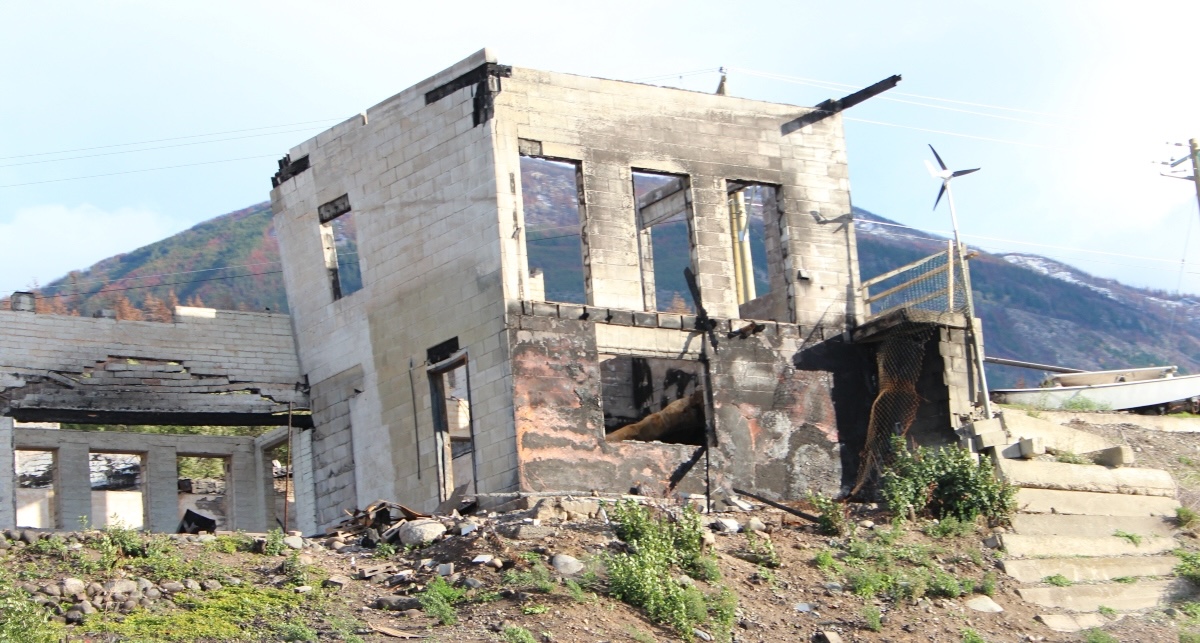
The fire destroyed most of the village of Lytton, several First Nations reserves and a “substantial portion” of the Nlaka’pamux Nation’s traditional territory.
But residents’ pursuit of legal recourse has been hampered by the lack of a determination of cause by any of the official investigations.
Several agencies have investigated the wildfire, including the federal Transportation Safety Board, the BC Wildfire Service and the RCMP.
The TSB’s investigation did not find “any link between railway operations and the fire.” A judge previously reviewing the class-action certification declined to allow the TSB’s final conclusions as evidence.
The RCMP concluded its investigation in September 2024, saying it could not determine the fire’s cause.
Several months ago, The Tyee reported that B.C.’s Ministry of Forests sent a letter to CN in February 2024 saying that a BC Wildfire Service investigation determined the company “may have caused or contributed” to the fire and that an incident report with supporting information would follow.
The ministry changed course six weeks later and closed the file. CN never received a copy of the report, Branch wrote in his decision.
The Tyee also sought the BC Wildfire Service’s investigation report through a freedom of information request in 2022, but the ministry successfully argued that the records were in the custody of the RCMP and could not be released.
The railway companies argued there was insufficient evidence about the fire’s cause for a class-action lawsuit to proceed. They suggested the fire could have been started by sunlight reflecting off glass bottles, pedestrians seen in the area or a malfunctioning car parked near the tracks.
But Branch wrote that none of those theories was solid enough to prevent the plaintiffs’ case from preceding to trial.
With certification complete, lawyers for the Lytton residents will be able to get more access to fire investigation records through the discovery process.
Despite officials being unable to determine a cause, railway companies have faced a flurry of legal actions related to the fire. The class action seeks damages on behalf of anyone who “suffered losses because of the Lytton fire,” including family of those who died in the fire, property loss or personal injuries.
It excludes three First Nations — Lytton First Nation, Siska Band and Cook’s Ferry Indian Band — and their Chiefs. The nations have initiated their own legal action.
The decision Tuesday allows individual nation members to claim personal damages as part of the class action. Many Lytton residents were also members of local First Nations.
In certifying the class action, Branch suggested the test that a class action have “some basis in fact” had become overly complicated, bogging down the process and delaying justice.
“Class actions were intended to improve access to justice and judicial economy,” he wrote, adding that “the bloated certification process that has developed threatens to undermine the public’s confidence, respect, and appreciation for this valuable tool in appropriate cases.
“If class cases continue to take too long to resolve, we risk running headlong into a critique that ‘justice delayed is justice denied.’ We must do better.”
The trial’s first phase is scheduled for May and July 2027 in Vancouver. ![[Tyee]](/design-article.thetyee.ca/ui/img/yellowblob.png)
Read more: Rights + Justice, Transportation






Notice about commenting changes
The Tyee’s commenting system will be moving to a new platform on Nov. 12. If you’re already a Tyee commenter you must register with the new system on or after Nov. 12 with your preferred username.More information can be found here.