


 SHARE:
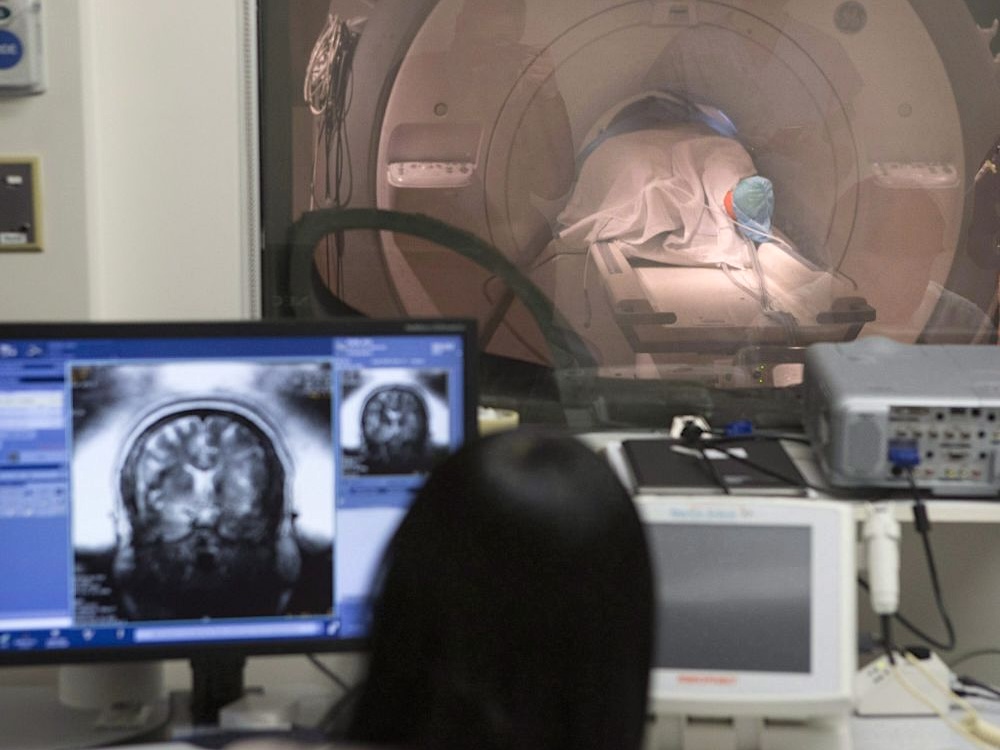
Over the last three decades, the charity led by “Man in Motion” Rick Hansen has received more than $57 million from the B.C. government to support people with brain and spinal cord injuries.
The B.C. Neurotrauma Fund has provided up to $2 million every year since 1997 for research and services addressing these injuries, all chosen by the Rick Hansen Foundation.
But an Investigative Journalism Foundation analysis of the last six years of annual reports for the fund found no mention of funding specifically devoted to brain injury supports or studies, highlighting a concern advocates have been raising since 2014. Instead, the money from the fund has largely gone to spinal cord injury research and health-care strategies, as well as public advocacy by Hansen.
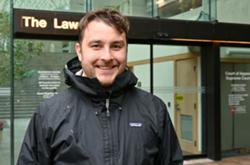
For British Columbians like James Bell, the lack of attention from funding bodies has meant that information and care related to brain injuries has been frustratingly difficult to access.
Desperate for help after suffering a severe concussion in a 2017 car crash, Bell said he was forced to piece together his own treatment plan involving specialized physiotherapists and chiropractors — even travelling to Germany to receive ketamine therapy. These treatments have cost him tens of thousands of dollars.
“I had to go and find all of this stuff on my own, while injured,” the Pemberton, B.C., resident said.
Both brain and spinal cord injuries can cause lifelong disability, but the numbers are remarkably lopsided. Advocates estimate there are 85,556 people with spinal cord injuries in Canada — just a small fraction of the almost two million Canadians living with the impacts of brain injuries.
Community brain injury organizations received grants through the neurotrauma fund for several years to support these people. Janelle Breese Biagioni, founder of the CGB Centre for Traumatic Life Losses, was a member of the committee that selected these grants. She said the funding gap has not been filled since they ended in 2010.
“I'm not aware of a single dedicated replacement fund of comparable size specifically for brain injury research and community support in B.C.,” she wrote in an email.
“The landscape for non-profits in this space is essentially a patchwork: health authorities, ICBC, WorkSafeBC, B.C. Gaming Grants, United Way, Vancouver Foundation and individual donations/corporate sponsorships, none of which function as a stable, dedicated core funding source.”
Meanwhile, B.C.’s decade-long toxic drug crisis has only intensified the need for better connections to care. Research from the BC Centre for Disease Control suggests a growing number of people who’ve experienced non-fatal overdoses have brain damage because of prolonged oxygen deprivation.
The Rick Hansen Foundation acknowledged in written statements to the IJF that it has “made a deliberate strategic decision to focus B.C. Neurotrauma Fund investments on spinal cord injury research, innovation and systems change.”
The foundation said it recognizes that some organizations have objected to this strategy for administering the neurotrauma fund. But it argues many of the spinal cord-related projects it has funded in recent years also benefit people with brain injuries.
It pointed, for example, to the creation of the International Spinal Cord Injury Biobank, which it says “was established to advance spinal cord injury research while also providing biological samples, imaging data and clinical information that researchers use to better understand broader neurological processes including cognition, neuroinflammation, brain structure and long-term brain health following spinal cord injury.”
The foundation said that while its strategy for the fund “has evolved over time in response to emerging evidence, research opportunities and the changing needs of the neurotrauma community, its objective of investing [B.C. Neurotrauma Fund] resources to improve outcomes for people living with neurotraumatic injuries has remained consistent.”
The B.C. Ministry of Public Safety and Solicitor General, which is responsible for paying out the fund each year, said it receives an annual report on the fund, but ultimately the Rick Hansen Foundation’s board is responsible for determining how it is spent.
“RHF is not required to maintain records categorizing every expenditure solely as brain injury-related or spinal cord injury-related, and projects may benefit both types of injury,” the ministry said in a written statement.
‘Ignored again’
The money in the B.C. Neurotrauma Fund is the result of a surcharge added to fines for speeding, drunk driving and other motor vehicle offences. The legislation behind the fund says it was created in recognition of “the number and severity of brain and spinal cord injuries in British Columbia each year.”
At an event announcing the new fund in February 1997, then-premier Glen Clark said the surcharge was “directly linking the causes of brain and spinal injury,” according to a report in the Vancouver Sun.
“This is a penalty to those drivers who are breaking the law and where the consequences are significant.”
The Rick Hansen Foundation was named as the administrator of the fund just as Hansen was celebrating the 10th anniversary of his Man in Motion tour, in which he crossed 40,000 kilometres in 34 countries using his wheelchair.
His foundation was established in 1988, with a commitment “to remove barriers for people with disabilities and support spinal cord injury research.”
Today, it has assets valued at close to $20 million. Last year, it received more than $4.6 million from provincial and territorial governments, including the money from the neurotrauma fund, and over $3 million from the federal government. In all, government funding accounted for more than half of the charity’s revenue, according to tax records.
The 1997 British Columbia Neurotrauma Fund Contribution Act doesn’t specify how the foundation should spend the $2 million each year, apart from “funding services and projects respecting neurotraumatic injury and victims of neurotraumatic injury.”
Grants totalling about $350,000 per year, or 17.5 per cent of the fund, were distributed to local organizations offering brain injury services until 2010. When those grants ended, the foundation says it offered another year of transitional funding in 2011.
But the foundation’s board had decided that funding “translational research, co-ordinated systems of care and large-scale infrastructure would achieve greater long-term impact,” the written statement said. The money from these grants was instead used to fund research by the Praxis Spinal Cord Institute, formerly known as the Rick Hansen Institute, and the ICORD spinal cord injury research centre.
The Northern Brain Injury Association, which supports people with brain injuries in northern B.C., first raised the alarm about how the fund was being used in a 2014 report.
At that time, according to the association, “brain injury services and projects have received less than $1.5 million from the administrator of the act, which has received over $34 million. Brain injury has not received any money from the fund since 2010.”
By 2020, the B.C. Heads Together Think Tank initiative was warning that brain injuries had been “ignored again” by the Rick Hansen Foundation. The provincially funded think tank brought together survivors, service providers, family members and decision-makers to discuss how to improve support for people with brain injuries.
A report from the think tank noted that when the neurotrauma fund was launched, there were about 36,000 new brain injuries in Canada each year, compared with about 1,100 spinal cord injuries.
“While spinal cord injury does not deserve any less funding than it currently gets, brain injury deserves as much, if not more,” the report reads.
Breese Biagioni, who helped organize the think tank, pointed out that after the 2020 report was released, the province committed to spending $4.5 million over three years to increase access to services through the Brain Injury Alliance.
But a 2023 followup to the think tank’s findings said financial resources continued to be a major barrier to care and other services.
“Wait times to connect people, with or without a diagnosis, to services are long;... demands on staff and low pay drives burnout and further loss of resources; basic needs (food, housing) are not met,” the statement says.
The Public Safety Ministry told the IJF it provided another one-time grant of $1.5 million to the Brain Injury Alliance this year, and has committed an additional $2 million to brain injury organizations through other grants since 2023.
The search for a ‘cure for paralysis’
So, how has the neurotrauma fund money been spent?
From 2020 to 2025, the largest chunk of spending has gone toward funding research, with a focus on reversing the effects of spinal cord injuries, according to the annual reports obtained by the IJF.
“One of Rick Hansen's original dreams is to find a cure for paralysis,” the 2024-25 report says.
In all, $7.8 million out of the $12 million spent from the fund in that time has gone toward this research. That includes projects like the spinal cord biobank, as well as seed grants for scientists studying the spinal cord and related injuries.
The rest of the neurotrauma fund’s money has mostly been spent on the B.C. SCI Health Care Strategy Initiative, a project designed to improve the quality and accessibility of care for people with spinal cord injuries, as well as “leadership” from the foundation.
That leadership mainly comes in the form of public appearances and statements by Rick Hansen himself.
“To continue to support the important work of RHF, our founder, Rick Hansen, carried the message of the critical importance of improved access and inclusion for people of all abilities to national audiences through media appearances, interviews and opinion pieces,” according to the 2023-24 annual report. That year, $592,777 from the fund was spent on this kind of outreach.
The foundation argues that the spinal cord injury research it supports through the neurotrauma fund could also help those with brain injuries.
“Many of these investments supported research platforms, shared infrastructure and scientific capacity that benefit multiple areas of neurotrauma. As a result, funding has not historically been categorized exclusively as brain injury or spinal cord injury,” the foundation said in a written statement.
It also said some funds from the neurotrauma fund have been used to support plans for “a provincial Neurotrauma Health Improvement Network” and a future “Neurotrauma Centre of Excellence,” both dedicated to providing better rehabilitation services for people with spinal cord and brain injuries. ![[Tyee]](/design-article.thetyee.ca/ui/img/yellowblob.png)
Read more: Health








Tyee Commenting Guidelines
Please note that email notifications for replies are not currently working due to a software issue which may be resolved in a future update.
Comments that violate guidelines risk being deleted, and violations may result in a temporary or permanent user ban. Maintain the spirit of good conversation to stay in the discussion and be patient with moderators. Comments are reviewed regularly but not in real time.
Do:
Do not: