


 SHARE:
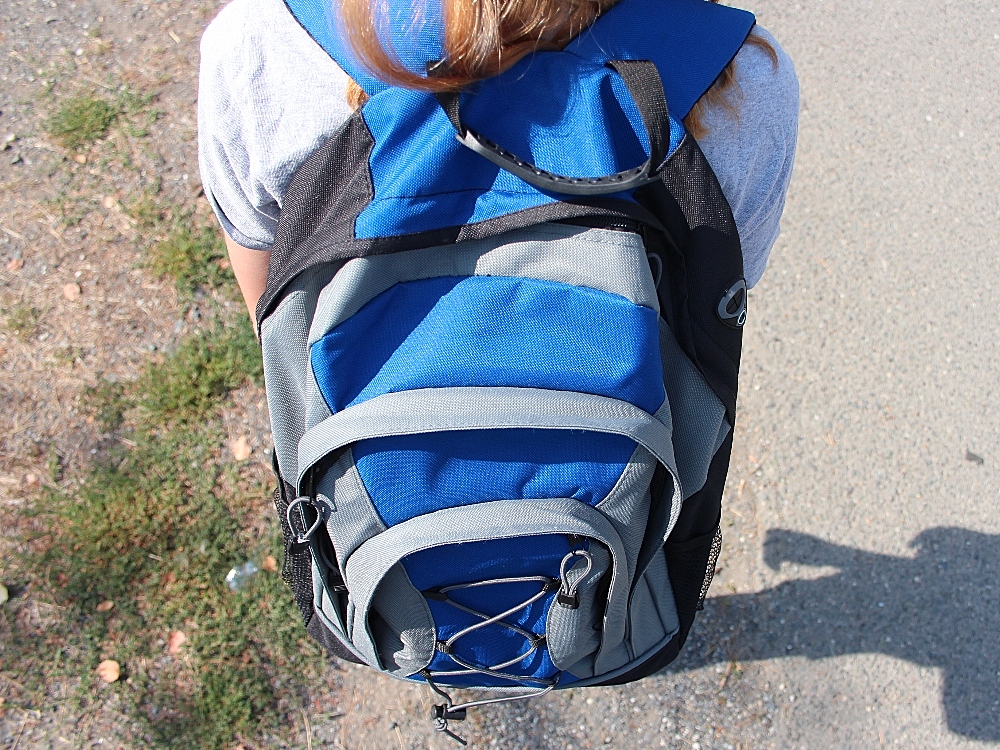
As parents get ready to ante up for school supplies and fees, a “transformative” government fund aimed at reducing such costs for vulnerable families has quietly evaporated.
The program, called the Student and Family Affordability Fund, had been created in 2022 to help students with costly expenses, like school supplies and class trips. Although initially billed as a one-time fund, it was renewed last year with $20 million given to school districts to help families struggling with school-related expenses. Government and school officials trumpeted the fund’s importance at the time.
In March 2024, Langford-Juan de Fuca NDP MLA Ravi Parmar called the fund “transformative” for schools in his district.
“I am eager to see how schools will further utilize this expanded funding to help our kids be the best they can be.”
But The Tyee has learned that the fund has been discontinued.
After the school of this reporter’s child requested parents provide materials that it had previously supplied, The Tyee reached out to Abbotsford school board chair Shirley Wilson. Wilson said she had heard this week that the fund had been cut.
“All I know is they said, ‘You don’t have to do the reporting and that this is the end of the three-year affordability fund,’” Wilson said.
At a press conference Thursday morning, The Tyee asked Education Minister Lisa Beare about the end of the fund. She didn’t directly address its cancellation, instead saying it is one of several provincial programs intended to address affordability challenges in schools and promised more information. Beare pointed to the government’s creation of the Feeding Futures program, which was introduced in 2024 to provide free meals in schools across the province.
Ministry communication officials said the fund was a “one-time targeted funding measure to help families in response to both COVID-19 and inflationary pressures at that time.” They also pointed to the creation of the food program, and said funding for public education and grants had increased significantly since 2017. They also pointed to start-up supplement funding that the Ministry of Social Development and Poverty Reduction provides to those receiving government income and disability assistance.
When The Tyee expressed confusion over the ministry’s insistence that the twice-funded program was a “one-time fund,” a spokesperson wrote that the second installment of money had been granted “after careful consideration” and that “in both instances, it was made clear to districts that this was not annualized funding.”
The temporary nature of the fund wasn’t mentioned last March, when the government announced it was extending the program.
The Student and Family Affordability Fund program had been introduced in 2022 as a $60-million program aimed at reducing costs during a time of heavy inflation. It was designed to specifically target and reduce fees and payments — many of them mandatory — that have been imposed by school districts seeking to bolster their budgets. Last March, the government announced it was “replenishing” the fund with another $20 million. At that time, there was no indication that the fund was entering its final year.
In fact, B.C.’s education minister at the time, Rachna Singh, boasted about the fund’s positive impact for many families.
“The Student and Family Affordability Fund is truly making a difference for families, and will ensure students are supported throughout the school year and no student is left out because of costs,” Singh said in the press release.
Although Beare, Singh’s replacement, said this week that other grants exist to assist families, the affordability fund had a narrow purpose that incentivized school districts to proactively seek ways to reduce costs for vulnerable families. School districts could craft their own plans for the money, but the rules of the funding stipulated that it must be allocated to help alleviate school-related costs for kids. Officials around the province credited the program with helping them reduce costs for thousands of students.
On Vancouver Island, the Sooke School District used the grant to waive universal fees charged to all high school students. Although districts can’t charge for education, they do charge money to help pay for the use of lockers, classroom apps, and participation in out-of-school activities and events. The fund was used to eliminate many of those fees. The Sooke district also waived fees for materials used in trade classes.
Between 2022 and 2024, the Kamloops School District said it cut 17,000 fees with $670,000 it had received from the fund. The district had received $1.6 million over the two years, which left administrators with enough leftover money to provide school supplies to families in need.
“This is meant to be a fund that supports those needing it in a way that is not stigmatizing,” Vessy Mochikas, the Kamloops School District’s assistant superintendent for inclusive education told trustees in 2022.
In Kelowna, the fund was used to cut fees for more than 2,700 students, and provide financial help to 594 students so they could pay for supplies and equipment. Money was specifically targeted to 22 schools with the most vulnerable families, and hundreds of students were given gift cards to allow them to buy clothing and other essentials.
Many school districts set aside some of the funding to specifically help parents on a case-by-case basis, and told families that if they needed financial support for clothing or any other school-related items, they could contact teachers or principals for help.
“By making essentials like school supplies and field trips more available at schools, families find it easier to access necessary support, promoting equity for all,” Laura Ward, the president of the BC Confederation of Parent Advisory Councils, said last year when the province extended the program.
School boards were told the program could be used to help kids who lacked gym clothes or winter apparel. Many districts, including the Vancouver School District, passed that message on to parents, using the fund’s existence to highlight their ability to assist families.
But whereas last August, the Vancouver School Board highlighted the fund and its ability to help parents struggling to pay school costs for the upcoming year, this year’s welcome-back message had no such promise of help.
Wilson, Abbotsford’s school board chair, told The Tyee that school officials craft budgets that don’t presume that government grant programs, like the affordability fund, will continue indefinitely. Abbotsford’s school district has a program through which it hands out backpacks to kids and families who need support. Those backpacks were distributed this week, despite the end of the fund. But Wilson said the money is useful in easing district’s need to charge fees for classes or supplies.
“When the government provides an affordability fund, and that funding is used to take the pressure off of families, is really a benefit overall to a child’s education,” she said. “When the affordability fund arrived, it was able to ease some pressures for the district to assist families with costs.”
School-related costs vary widely between districts, and even between schools within the same district, with principals and parent advisory committees developing programs aimed at meeting needs specific to their student population.
In last year’s press release, Singh had said parents could count on the program’s help.
“Parents or families who are struggling with expenses should know that this funding is there for you,” she said.
That funding is no longer there.
If you have any information for this story, or information for another story, contact Tyler Olsen in confidence via email. ![[Tyee]](/design-article.thetyee.ca/ui/img/yellowblob.png)
Read more: Education











Tyee Commenting Guidelines
Please note that email notifications for replies are not currently working due to a software issue which may be resolved in a future update.
Comments that violate guidelines risk being deleted, and violations may result in a temporary or permanent user ban. Maintain the spirit of good conversation to stay in the discussion and be patient with moderators. Comments are reviewed regularly but not in real time.
Do:
Do not: