

 SHARE:
[Editor’s note: This story was produced as part of Spotlight: Child Welfare, a collaborative journalism project that aims to improve reporting on the child ‘welfare’ system. Tell us what you think.]
Across Canada at any given time, more than 50,000 children and youth are living in government-paid placements through the child services system. Most of the 50,000 children live in foster placements, and others live with extended family or in congregate settings called group homes.
Children are placed in the child services system when a social worker determines they are not safe in their home and they need protection. These removals are traumatizing and social workers are supposed to remove children as a last resort.
Throughout their lives, children and youth in the child services system may be moved several times for reasons outside of their control; changes happen in paid caregivers’ lives or within group homes, there may be a poor fit, or health or other issues might arise, all causing the child to move. They are often forced to change schools and torn away from the relationships they’ve made.
The experiences of those who grow up in the child services system are often misunderstood or underreported. Based in Vancouver, Spotlight: Child Welfare is a national collaborative journalism project that aims to address some of the gaps in media coverage of the child services system by rooting the work in a trauma-informed approach to journalism that centres and prioritizes the experiences of those with lived experience of the system.
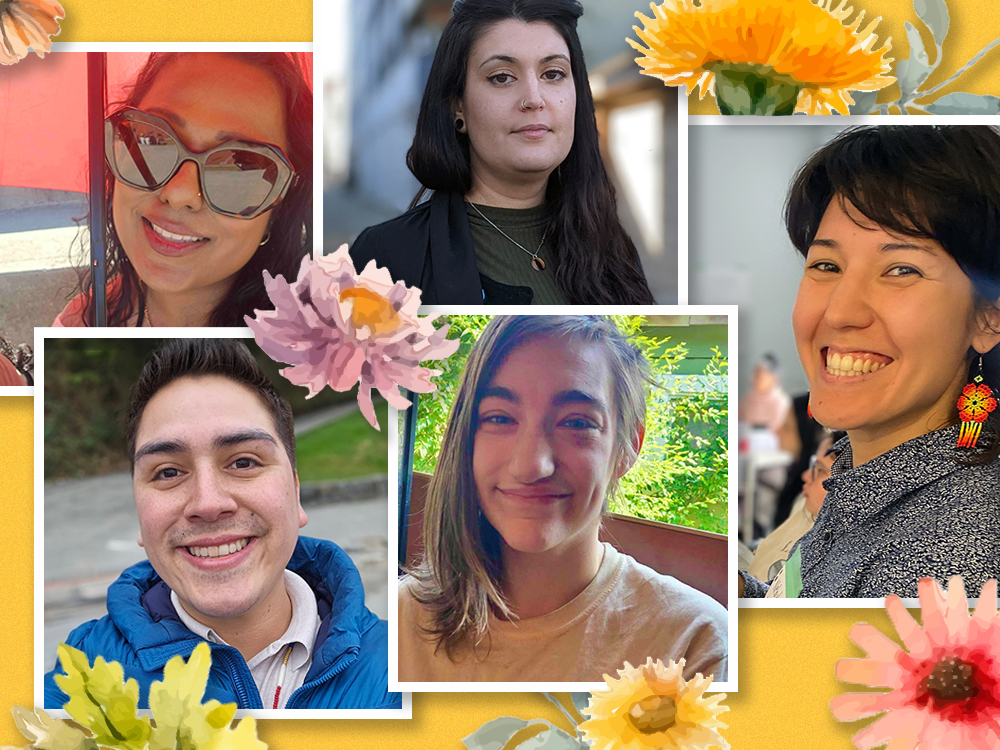
In the spirit of amplifying the perspectives of those with lived experience, we spoke to several people, adults now, who grew up in the system or whose families were at risk of entering the system, to find out their hopes for the future of caring for children.
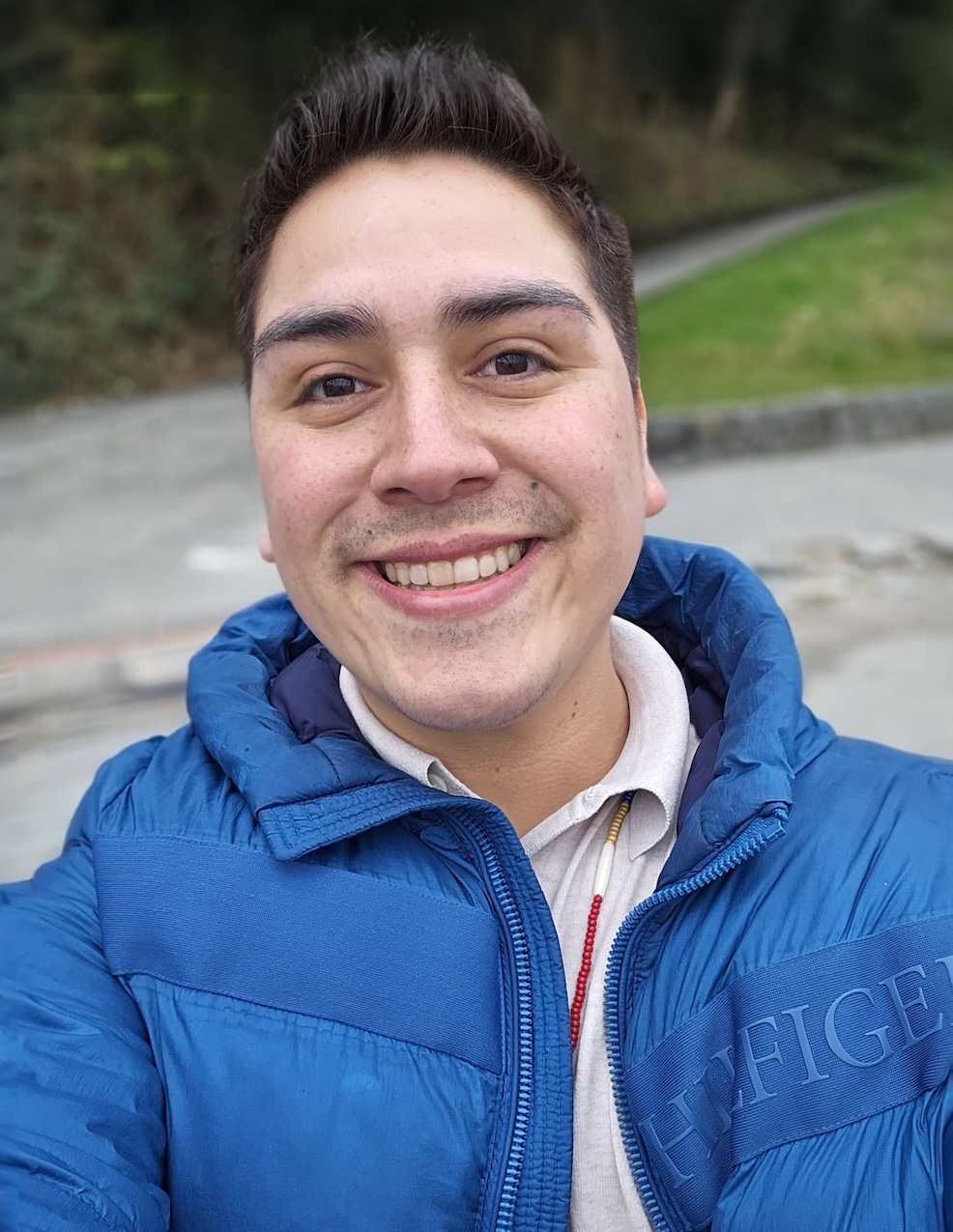
Gage Sabattis: ‘You don’t need to feel so alone’
Name: Gage Sabattis
Age: 33
Location: Unama’ki (Cape Breton), Nova Scotia
Interaction with child services system: In care on and off from the age of eight, in permanent care after he was orphaned at 15
Gage Sabattis remembers being in care as an isolating experience where he didn’t realize other children and families were going through similar situations.
He also saw two sides to the child services system: one that was very traumatic and based on tearing families apart, and another that was supportive and filled with caring and compassionate social workers.
If he could change one thing about the child services system, he would make it based more on preventive and community-involved measures, rather than waiting until a family is at the breaking point before getting involved.
“The way I would hope for it to go is for [child welfare agencies] to be more involved in community events, or even putting on community events, and not being afraid to let people come in and talk to them, instead of being siloed and locked up in their building,” Sabattis said.
Sabattis, who is Mi’kmaq, works as a community development co-ordinator for the Union of Nova Scotia Mi’kmaq, and as a crisis intervention worker at Eskasoni Mental Health. Eskasoni is a Mi’kmaq community that is the largest First Nations reserve east of Montreal.
As a child in the system, Sabattis was able to participate in an independent living program, where he learned life skills like workplace comportment, money management and culture and ceremony.
He would like to see something similar offered to all young people, not only those who are in care. “That one little program... before they get to that level [of crisis], that could put them up, that could give them the push they need to do better,” Sabattis said. “It can't be a bad thing to offer that kind of support.”
What he would tell his younger self: “Don’t feel like all of this is only happening to you and your brothers. This is a bigger issue that’s happening to everyone. You don’t need to feel so alone. There are other people going through the same thing. Be kind to yourself.”
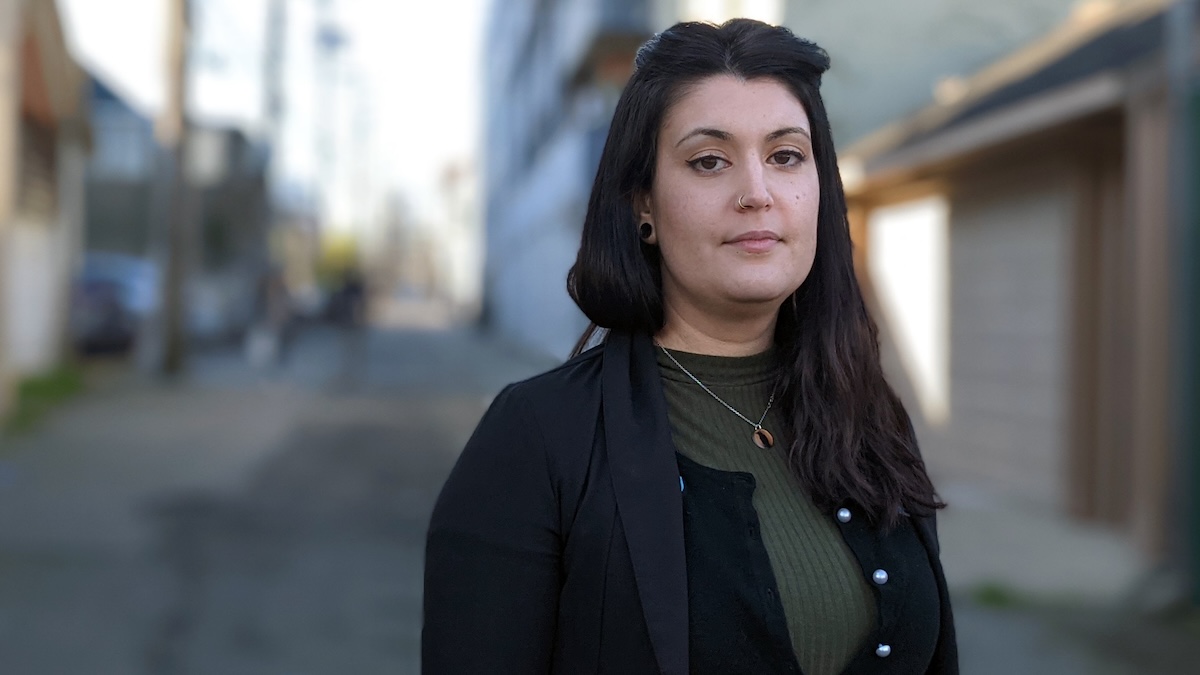
Nina Taghaddosi: ‘Don’t run from who you are’
Name: Nina Taghaddosi
Age: 33
Location: East Vancouver, British Columbia
Interaction with child services system: Was taken from her mother’s care and placed in her father’s care at the age of eight following the involvement of social workers
Nina Taghaddosi became a registered social worker in part because of her experiences in the child services system, which she and others invested in the well-being of families call the “family policing system.”
Her parents came to Canada as Geneva Convention refugees from Iran in the 1980s during the Iranian Revolution. The move was hard on the young family and they struggled financially, sometimes having to choose between paying rent or buying groceries.
Taghaddosi’s Grade 3 teacher would share granola bars with her when the teacher noticed the little girl didn’t bring lunch.
Around the same time, when she was eight years old, representatives of the Ministry of Children and Family Development, or MCFD, which she calls the “Ministry of Children and Family Disruption,” started visiting her family, asking questions about which parent she wanted to live with and whether or not she felt safe at home.
She and her sister were moved from their mother’s home to their father’s home shortly after.
Rather than removing children from their parents, Taghaddosi envisions a world where the MCFD is no longer needed and families are given support to stay together.
“Poor families don’t exist because they’ve done anything wrong,” she said. “They exist because of the structural issues of our society, colonialism and racism, ableism, all of that.”
Taghaddosi requested her MCFD file through a freedom of information request. She believes some information was missing from her files because her sister’s files contained much more information than her own did.
Today, she works for Pivot Legal Society on the organization’s anti-stigma campaign.
“I’m working on having our Human Rights Code in B.C. amended to protect a person’s social condition from discrimination,” she said. “We see that ripple effect where people are discriminated against because they’re poor, so they can't escape that cycle of poverty, because the stigma against them prevents that. That’s an issue we can change by changing our language.”
That’s directly related to Taghaddosi’s experience, because her family was accused of neglect when they were living in poverty.
“Obviously there was the racialization aspect of it too. My teachers knew and my daycare knew that my parents didn’t speak very good English,” she said. “It was a bad, bad combination.”
Indigenous families are targeted in similar ways because of poverty, racism and colonialism, Taghaddosi said.
“I want to see a world — and it might not happen in my lifetime — but I want to see a world where people don’t have to suffer and make it their life’s mission to end suffering,” she said.
“These things don’t have to happen. They’re preventable.”
What she would tell her younger self: “I know you're confused and scared right now, but what you're going through will make more sense when you're older. One day, you'll know what the problem is and you'll know what the solution is too. Hang in there, and don’t run from who you are.”
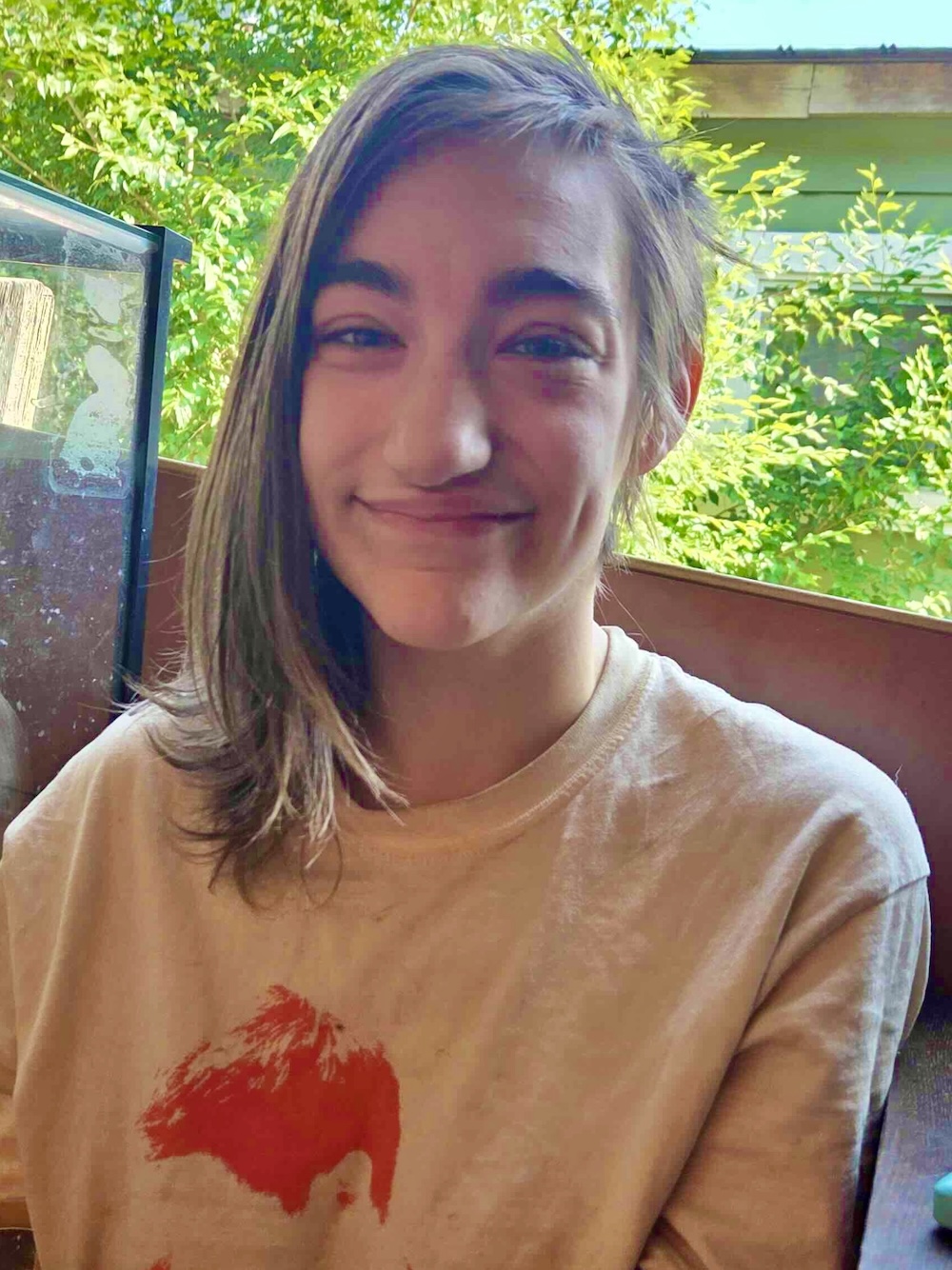
River Ravenswood: ‘You are not the reason they are so angry’
Name: River Ravenswood
Age: 27
Location: Grew up in the Lower Mainland, now lives in Ashcroft, B.C.
Interaction with the child welfare system: Was taken into care at two days old and stayed until adopted by a foster family at age 18
River Ravenswood grew up in the child services system, living in foster homes from birth until they were adopted by a foster family at the age of 18.
Ravenswood would like social workers to have fewer children on their caseloads and to be more supportive of visits between birth parents and children in care.
“The way that it is right now, you’re supposed to see your social worker around once a month. I only saw my social worker in care maybe once a year,” said Ravenswood. “That’s because of all the other people that she was checking on.”
The social worker would say Ravenswood could contact her if there were any problems, but in reality, Ravenswood would have to ask the foster parent for the phone number and wasn’t allowed to use the phone unless it was an emergency.
Another thing they would like to see changed is the way the system interacts with birth parents. Throughout their childhood, regular visits were arranged with their birth parents, but those visits were problematic, Ravenswood said. Sometimes, their mom wouldn’t show up to a visit, but no one explained why or provided support, Ravenswood said.
“It was a lot of being told, before I went to school, that I would come home and go visit my mom, and coming home and my (foster) mom telling me she cancelled,” Ravenswood said. “When you’re told you're going to visit your parents and then they cancel, it brings up a lot of feelings that you have just being in care, like ‘Why am I here in the first place? Does she not care?’”
Today, Ravenswood lives with their birth father, so they asked him about it.
“To me, it seemed like he just randomly stopped showing up to visits as a kid, but since being here, I asked the question, and it turned out that it was the ministry that just kept, I don't know exactly what, but they kept interfering with his visits,” Ravenswood said. “He got to the point where [he thought] I'd rather have a visit with my kid without somebody in the corner taking notes, so he would just wait until I was older.”
More support from social workers towards birth parents and their visits would have made that process easier, they said.
“I do understand, as a small child, having a worker like in the room watching, but as they get older, I feel like that worker only makes things more difficult, because for me, it was only a reminder that I’m not staying and that she gave birth to me, but nobody trusts her enough to be in a room with me alone,” Ravenswood said.
What they would tell their younger self: “It wasn’t your fault. You are not the reason they are so angry.”
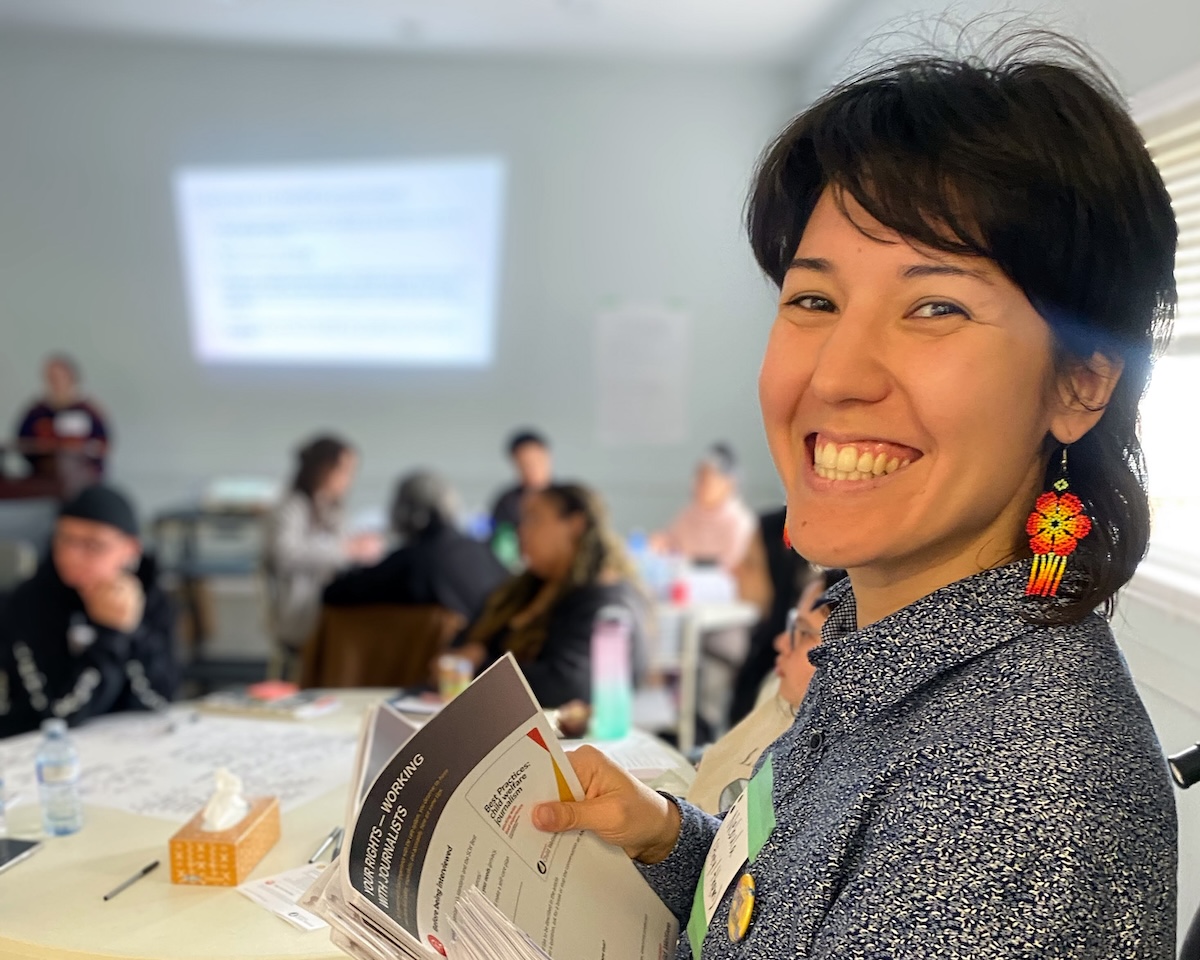
Nebula Shen: ‘Be curious about what you don’t understand’
Name: Nebula Shen
Age: 32
Location: Masset, Haida Gwaii, B.C.
Interaction with the child services system: In care from age 13 to 17
Nebula Shen, who works in education as well as for Spotlight: Child Welfare, says they want to see a society where everyone receives a guaranteed basic income and access to government subsidized housing, child care and universal health care.
“I want to see families and communities supported enough that kids don't end up in ‘care’ due to poverty,” said Shen. “I want to see a society where housing and health care are considered human rights, and all children grow up with a roof over their head, timely access to free medical care, enough food to eat and clean drinking water.”
This would make a huge difference to families who are struggling, whether they are Indigenous, migrants or first- or second-generation immigrants, Shen said.
Shen went into teaching to connect with and support youth who are having a tough time with school, life and systemic barriers, they said.
“I want to see all children have opportunities to learn and thrive,” they said.
While Shen would like to see Indigenous nations have jurisdiction over their children, they would also like people to know it’s not only poor kids or Indigenous kids in the system.
“The lack of knowledge that average people have about government care is one of the most alienating things about it — people seem scared to talk about it, as though ‘foster care,’ ‘group home’ or ‘safe house’ are bad words,” Shen said.
“They’re not bad words. Be curious about what you don’t understand. Don’t look away. It takes a village to raise a child, and it’s everyone's responsibility to protect and care for every child.”
The biological parents of foster kids are not always bad parents, Shen said.
“Foster care is not for ‘bad’ kids. Foster families are not angelic safe havens, nor are they the cartoonishly evil places seen in books and movies,” Shen said.
What they would tell their younger self: “Find your people, and it’ll all start to make sense. You'll feel less alone. Most people are scared to rock the boat, but you were born in the water and it's up to you to swim to survive — and sometimes that means rocking boats. Injustice is everywhere, and you can't help but see it. You don't get to bury your head in the sand when you didn't spend your life on a beach. Find the people who see it, and who are working to make a better world. We all deserve a better world. And allow yourself to be loved. You deserve unconditional love and support, as every child does. Be a good friend to yourself.”
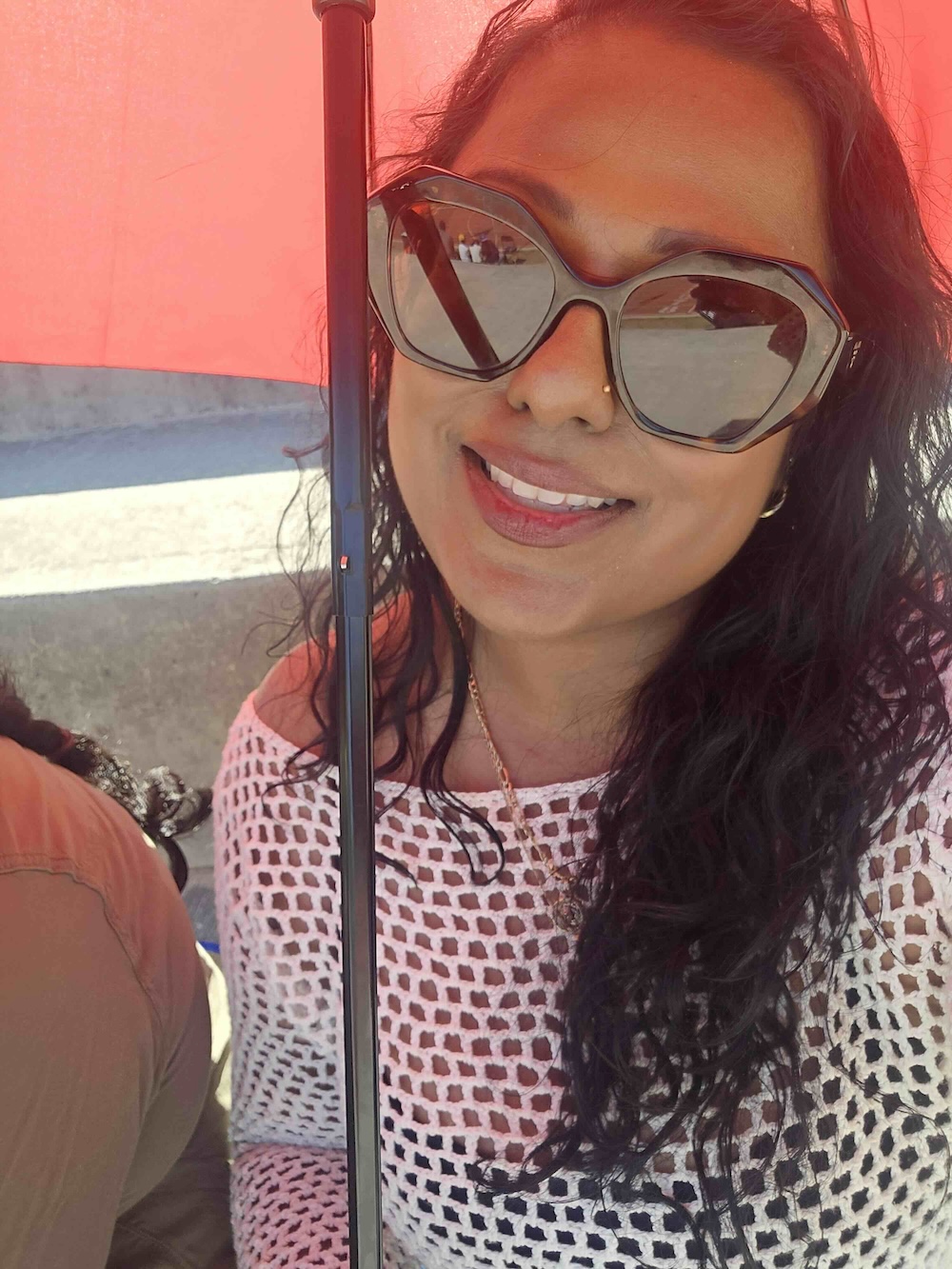
Cheyanne Ratnam: ‘Every single type of advocacy is very important’
Name: Cheyanne Ratnam
Age: 37
Location: Treaty 13 territory, specifically on land covered by the William Treaties, also called Scarborough, Ontario
Interaction with the child services system: Came into care at the age of 13 and lived in group homes
Cheyanne Ratnam’s hopes for the future of child welfare dovetail with the work she has already done as a child welfare advocate leading the Ontario Children’s Advancement Coalition. Her work involves pushing for changes like supports for parents to prevent children being taken into care, and calling for the removal of what she sees as arbitrary age indicators for placement exits. She is also advocating for the continuation of other supports.
Ratnam was raised by a young, single mother who arrived in Canada along with thousands of other Tamils from the island nation of Sri Lanka, fleeing anti-Tamil pogroms and a civil war.
“If she was supported by the government, I am pretty sure — 1,000 per cent — it would have prevented me from coming into the system,” Ratnam said. “I think that when we talk about child welfare, it’s also important to talk about the preventative aspects.”
Although Ratnam did experience some “dismal” things while living in group homes, she says the time gave her the space to not be triggered or traumatized by the instability and abuse in her biological home environment.
“For me, the child welfare system was my saving grace. Going into the youth criminal justice system was my saving grace. I wouldn’t have been alive because I was suicidal since I was eight years old,” Ratnam said.
Because of her experience, which she knows is not the norm, she wants to improve the system.
“Every single type of advocacy is very important. I always say that I love the fact that there are people working outside the system to counter the system,” Ratnam said.
“Meanwhile, the reality is that we have young people already in the system. So let me work within the system to better the environments and the outcomes of people who are stuck in the system currently so that their outcomes in life are better.”
Her work with the Ontario Children’s Advancement Coalition advocated for an “ethical systems reset.” It negotiated improvements to prepare youth, starting from an earlier age, to increase their readiness to live outside the child services system.
“The goal of child welfare should not be about children exiting government placements into isolated silos; it should be interdependence. Interdependence means that every person is interconnected with relationships, wider community and supports,” she said.
Ratnam is now at work on a podcast focused on the child welfare system and interconnected issues funded by the Caring Society led by Cindy Blackstock. She is also part of a national research leadership team led by Michael Ungar at Dalhousie University in Nova Scotia, and she is working to build a private practice as a registered psychotherapist.
What she would tell her younger self: “All I needed to be when I was young was a kid. I didn’t have that privilege, and it’s not my fault. I would tell her that she will become somebody who would make changes, and also somebody who learns to be self-compassionate and considerate of herself. And that it is OK to also just ‘be.’” ![[Tyee]](/design-article.thetyee.ca/ui/img/yellowblob.png)
Read more: Rights + Justice








Tyee Commenting Guidelines
Please note that email notifications for replies are not currently working due to a software issue which may be resolved in a future update.
Comments that violate guidelines risk being deleted, and violations may result in a temporary or permanent user ban. Maintain the spirit of good conversation to stay in the discussion and be patient with moderators. Comments are reviewed regularly but not in real time.
Do:
Do not: