

 SHARE:
One year after a horrific report describing how an 11-year-old boy in government care was tortured and isolated before he died, some progress has been made.
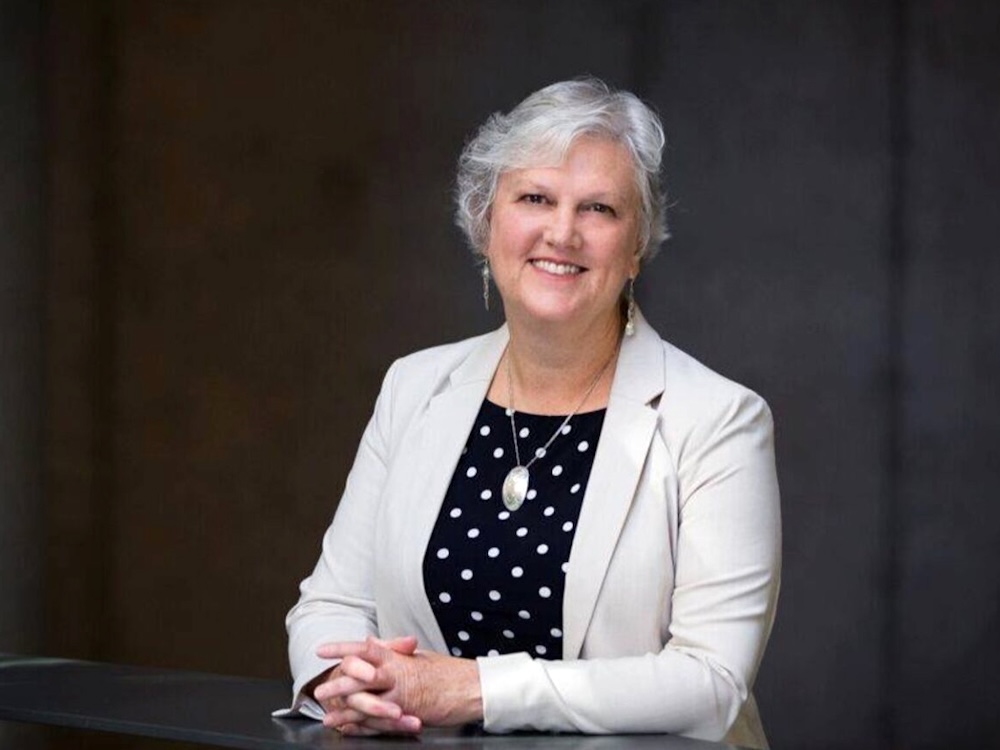
But not enough, says B.C.’s representative for children and youth.
Jennifer Charlesworth’s July 2024 report “Don’t Look Away” found the boy’s death could have been prevented.
Charlesworth said she had hoped to assure his family and community that the report had led to needed changes in the last year.
“I want to be able to tell them that we have learned and that things are better for children and families in B.C., but I need to see more change on the ground before I am able to do that,” she said.
“Colby” — an Indigenous child whose real name and nation are not identified in the report — was placed into the care of his mother’s cousin and her partner.
His social worker didn’t see him in person during the final seven months of his life, despite a requirement that children in care should be seen at least every 90 days.
His death is believed to have occurred after his mother’s cousin beat him for nine minutes on Feb. 26, 2021. On Feb. 28 he was declared brain dead and removed from life support. The two caregivers were convicted of manslaughter for his death and aggravated assault for the abuse of his sibling.
Charlesworth’s priority after “Don’t Look Away” is to see the child welfare system shift from being focused on child protection towards a focus on child well-being and helping kids thrive.
The province says it’s made improvements, including working on a child and youth well-being action plan and outcomes framework and launching a cross-government deputy minister board focused on child and youth care, a key recommendation from last year’s report.
“There are no words to describe the suffering Colby and his family endured, and their sacred stories remain in our minds and in our hearts every day,” Jodie Wickens, minister of children and family development, said in an emailed statement.
“Projects are underway across government to improve safety, accountability and consistency of care. I know this is just the start and there is much more to do,” the statement said. “We know we have to work together with the [representative for children and youth,] Indigenous people and all other partners to make this work.”
The ministry says it has increased its workforce by almost 20 per cent and is monitoring to make sure every child is seen at least once every 90 days.
Charlesworth says it’s true that 90 per cent of children in care are now being seen at least once every 90 days, but she questions whether the 20 per cent increase is based on increased staffing or just on filling vacancies.
“I can say initially that that 20 per cent seems inflated to us,” she said. “The numbers overall are not sufficient to deliver the kinds of services that are necessary, and too many workers — 80 per cent, I believe it is — are saying that they cannot fulfil their responsibilities to children or meet the policy requirements with the workload and the caseload that they're carrying right now.”
The action plan will align services across ministries and agencies to bring the most vulnerable families to the “front of the line to prevent crisis,” the ministry said in an emailed statement.
Like 67 per cent of children in care in B.C., Colby was Indigenous. Indigenous people are only about six per cent of the overall population. This overrepresentation is because of the multigenerational trauma created by colonialism, residential schools and the ’60s Scoop.
Since 2019, when the federal government passed Bill C-92, many First Nations have been reassuming jurisdiction over child and family support systems. In B.C., 12 nations have signed agreements on child welfare jurisdiction, and the province says dozens more agreements are coming.
Each nation is resuming jurisdiction over their inherent rights to raise their children in a way that is consistent with their culture and their community, and every agreement is different. Some are for full statutory responsibility under their own laws, while others might be only for prevention, for instance.
Confusion over roles and responsibilities during this transition may have led to staff at B.C.’s Ministry of Children and Family Development not doing due diligence in placing Colby and his siblings with his mother’s cousin’s family, Charlesworth’s report says.
Although many of the nations have built-in oversight through matriarchs or advisory councils, Charlesworth is still concerned about uncertainty.
“I'm actually really worried about this transitional time, less so than when jurisdiction is stood up,” Charlesworth said Tuesday. “I think some children will be at greater risk.”
None of the 12 nations that have signed child welfare agreements have yet consented to oversight from her office, but she said there are ongoing discussions about how that could work. Her office is working on one protocol agreement and an Indigenous-led oversight body may need to be established, she said.
The ministry has hired Jeremy Y'in Neduklhchulh Williams as an Indigenous child welfare director. This is the first position like this in Canada, the ministry said in its news release, and Williams is responsible for providing leadership and advice on child welfare practice and supporting Indigenous jurisdiction.
The ministry says it has taken action on 65 per cent of the recommendations in “Don’t Look Away,” but Charlesworth says it’s important to look at how much progress has occurred, recognizing many of the recommendations are “substantive shifts” that will take time.
“Many of the recommendations are at the ‘some progress’ level,” Charlesworth said. “Our hope was that [the report] would point the government in the direction of not just tweaking at the edges, but actually substantively shifting the approach to Child, Youth and Family Services.”
One improvement she is seeing is more cross-ministry collaboration, especially at the strategic, higher levels.
“Government has historically been extremely siloed, and they definitely are becoming less so today and by coming together more are starting to see how interdependent their programs and services are,” Charlesworth said. “This is a positive direction, and we must keep this momentum strong.”
It’s important for all areas of the government to work together, because the social determinants of health can determine a child’s future, she said.
“If a family isn't housed, if they don't have sufficient income to put food on the table, then there are greater risks to well-being. There's a greater likelihood of neglect. The stressors in the family might lead to other kinds of concerns, mental health concerns, et cetera,” Charlesworth said.
The government lists 10 ministries involved in child welfare in some way and says the following ministries are involved in the development of the action plan: Attorney General; Education and Child Care; Indigenous Relations and Reconciliation; Health; Public Safety and Solicitor General; and Social Development and Poverty Reduction.
Charlesworth is also concerned that collaboration among agencies with contracts to provide frontline care is precarious.
“What we have seen is that when the pie gets smaller, people retreat and collaborate less. They have less capacity to do so, and they're trying to preserve whatever resources that they have,” Charlesworth said. “This is one of those things that there's some good progress, but it’s fragile and it's very community dependent.”
The Ministry of Children and Family Development’s budget was increased 15 per cent for 2025-26 to a total of more than $2.4 billion, the ministry said.
Charlesworth said it would be “virtually impossible” to quantify the cost of the changes she would like to see, and financial pressures such as budget deficits and trade wars could affect the progress that has been made.
“It's going to require an infusion of resources to support families in the short term in order to achieve better outcomes in the longer term,” Charlesworth said.
“But if our kids aren't thriving, if they are struggling, and if we've got families that are falling to pieces and unable to care for their children, there are significant social, emotional and financial costs attached to that.” ![[Tyee]](/design-article.thetyee.ca/ui/img/yellowblob.png)
Read more: Indigenous, Rights + Justice








Tyee Commenting Guidelines
Please note that email notifications for replies are not currently working due to a software issue which may be resolved in a future update.
Comments that violate guidelines risk being deleted, and violations may result in a temporary or permanent user ban. Maintain the spirit of good conversation to stay in the discussion and be patient with moderators. Comments are reviewed regularly but not in real time.
Do:
Do not: