


 SHARE:
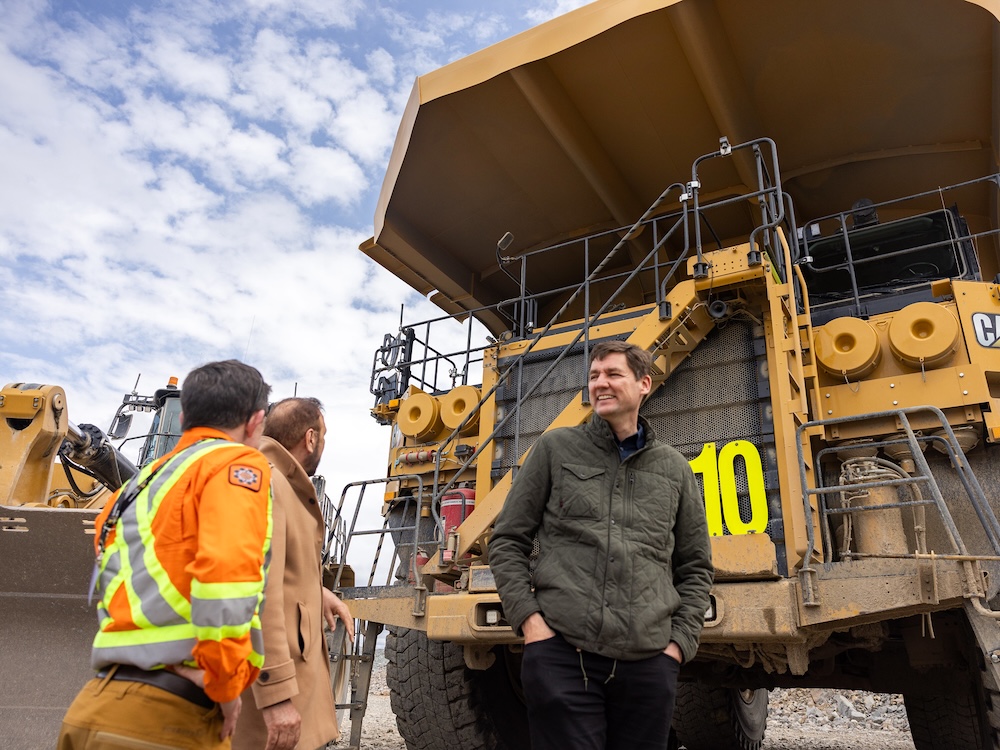
As the B.C. legislature’s first session since the NDP’s narrow election win in October ended, government house leader Mike Farnworth was unapologetic about the controversy over new laws aimed at accelerating development.
“The bottom line is this: the public expects things to get done,” Farnworth said. “They expect things to be built. It’s about our economy, it’s about jobs, it’s about dealing with the threats that we are facing from south of the border and the recognition we have to diversify our economy.”
In the final days of the session the government cut off debate and passed Bill 15, the Infrastructure Projects Act, and Bill 14, the Renewable Energy Projects (Streamlined Permitting) Act.
With opposition Conservative, Green and Independent MLAs united against the bills, each passed by a single vote, 47-46, with Speaker Raj Chouhan breaking the ties.
Critics, including First Nations leaders, the Union of BC Municipalities, environmental advocates, the BC Chamber of Commerce and the BC Civil Liberties Association, had called for the bills to be withdrawn or at least delayed.
The government argued the bills were needed to accelerate the approvals of schools, hospitals, clean energy and other infrastructure projects it deems provincially significant.
Former NDP cabinet minister Melanie Mark added her voice to the opposition, saying that while she supports streamlining bureaucracy to build infrastructure, she is “skeptical if getting to yes means bypassing constitutionally protected and inherent Indigenous/First Nations rights.”
Farnworth acknowledged that the bills have been controversial but said they are part of meeting the public’s expectation the government will get things done.
“When you make decisions there are going to be people who are not happy and people who are happy,” he said. “The role of government now is to follow through on our commitments that we’ve made in terms of how the legislation is going to work, in terms of how the regulations are going to be developed, and my sense is as time goes by people will see how it’s intended to work and a lot of the fears will in fact be unfounded.”
Premier David Eby and Infrastructure Minister Bowinn Ma have said the bills are “enabling legislation” and the government will consult First Nations leaders as it works out the details to be put in place through regulations that cabinet decides on.
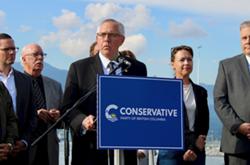
Conservative Party of BC Leader John Rustad criticized the government for “moving forward these undemocratic processes” and ignoring the widespread opposition to the bills.
“What these bills actually have allowed the NDP to do is to be able to pick winners and losers,” he said. “They are going to decide who gets to go to the front of the line.” LNG projects will be pushed to the back of the line, unfortunately, because they aren’t a government priority, he added.
Meanwhile the province has growing problems with health care, crime, the labour force, housing and the drug and addictions crisis, Rustad said. “It’s been eight years and nothing in this province is better.”
He boasted of using the opposition’s strength to get the government to withdraw the carbon tax and back down on safe drug supply. “There’s a long, long list of things that are very important to people in this province that we’ve been able to push hard on.”
Interim BC Green leader Jeremy Valeriote also had accomplishments to point to as the session closed. They included added support for renters, launching a review of the CleanBC climate plan a year ahead of schedule, more funding for heat pumps, initiating a forest advisory council and launching a committee on democratic reform, all done under the Co-operation and Responsible Government Accord between the NDP and the Greens.
This week the parties will be announcing the terms of reference for working on health-care initiatives, he said. “Despite being just two MLAs out of 93 I think we’ve upheld the tradition of punching above our weight and contributing a voice and a perspective that’s really necessary.”
At the same time, the Greens have maintained the ability to disagree and exercise their opposition role, he added, as they did against bills 14 and 15. Earlier in the session they also opposed Bill 7, the Economic Stabilization (Tariff Response) Act, but voted for it after the government agreed to amendments.
Valeriote acknowledged the province’s backsliding on climate action. Besides the repeal of the carbon tax, which has not resulted in sustained lower gas prices, the government admitted it is on track to miss the emission reduction targets legislated for 2030.
“We saw this session politics really got in the way of climate policy, which is a sad and unfortunate time but we know we will come through,” said Valeriote, adding that as the effects of climate change hit people they will be impossible to ignore.
Ultimately the government’s focus on economic issues this year, and the passing of bills 14 and 15, is in line with the lessons Eby drew from the NDP’s near loss in last October’s election.
“We took a lot of attention during the election campaign around economic growth,” Eby told The Tyee in December. The government had to find ways to grow the economy that recognized climate change is real and environmental sustainability is key, he said, arguing it’s possible to grow the economy, protect the environment and partner with First Nations at the same time.
“What people will see is we’re growing the economy, but doing it in a way that recognizes the values of British Columbians and the obligations we have to our kids,” he said.
It’s a vision that includes expediting major projects, among them natural gas infrastructure, new mines, and wind and solar power projects.
As the legislative session closed, Eby and a B.C. trade delegation were headed to Japan, South Korea and Malaysia to promote the province’s clean energy, mining, life sciences, aerospace and other products. BC Assembly of First Nations Regional Chief Terry Teegee pulled out of the mission, citing the government’s failure to heed Indigenous leaders’ criticism of bills 14 and 15.
Farnworth said the B.C. government’s approach is in line with how other provinces and the federal government are responding to U.S. tariffs. “People want us to get on with building things, and that’s a key priority of this government.” ![[Tyee]](/design-article.thetyee.ca/ui/img/yellowblob.png)
Read more: BC Politics





Tyee Commenting Guidelines
Please note that email notifications for replies are not currently working due to a software issue which may be resolved in a future update.
Comments that violate guidelines risk being deleted, and violations may result in a temporary or permanent user ban. Maintain the spirit of good conversation to stay in the discussion and be patient with moderators. Comments are reviewed regularly but not in real time.
Do:
Do not: