


 SHARE:
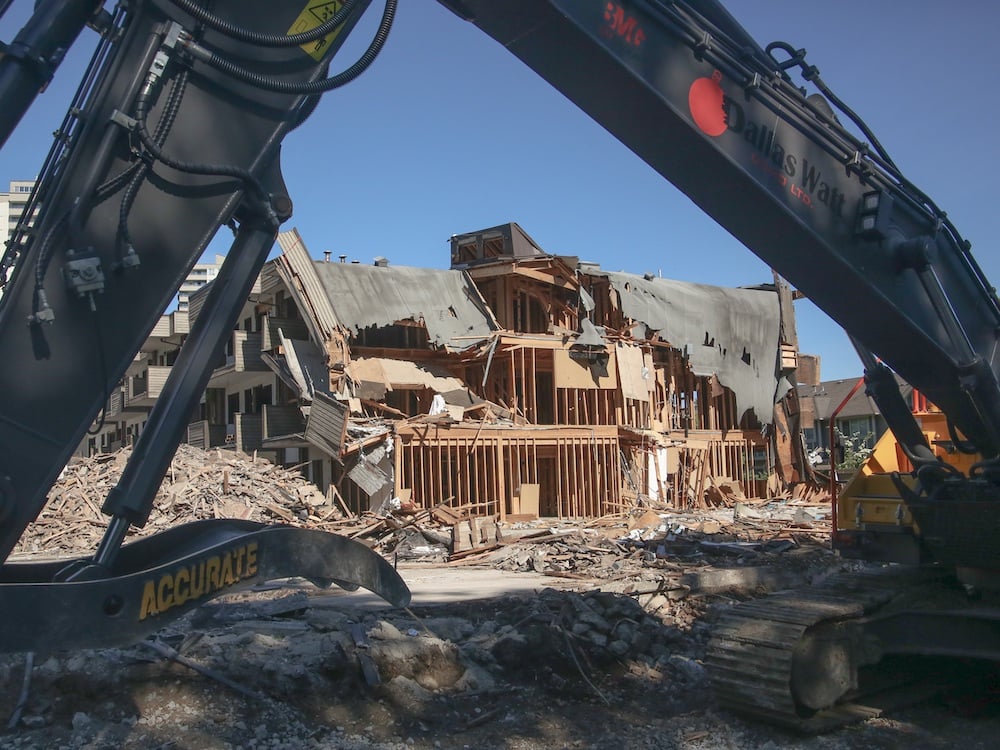
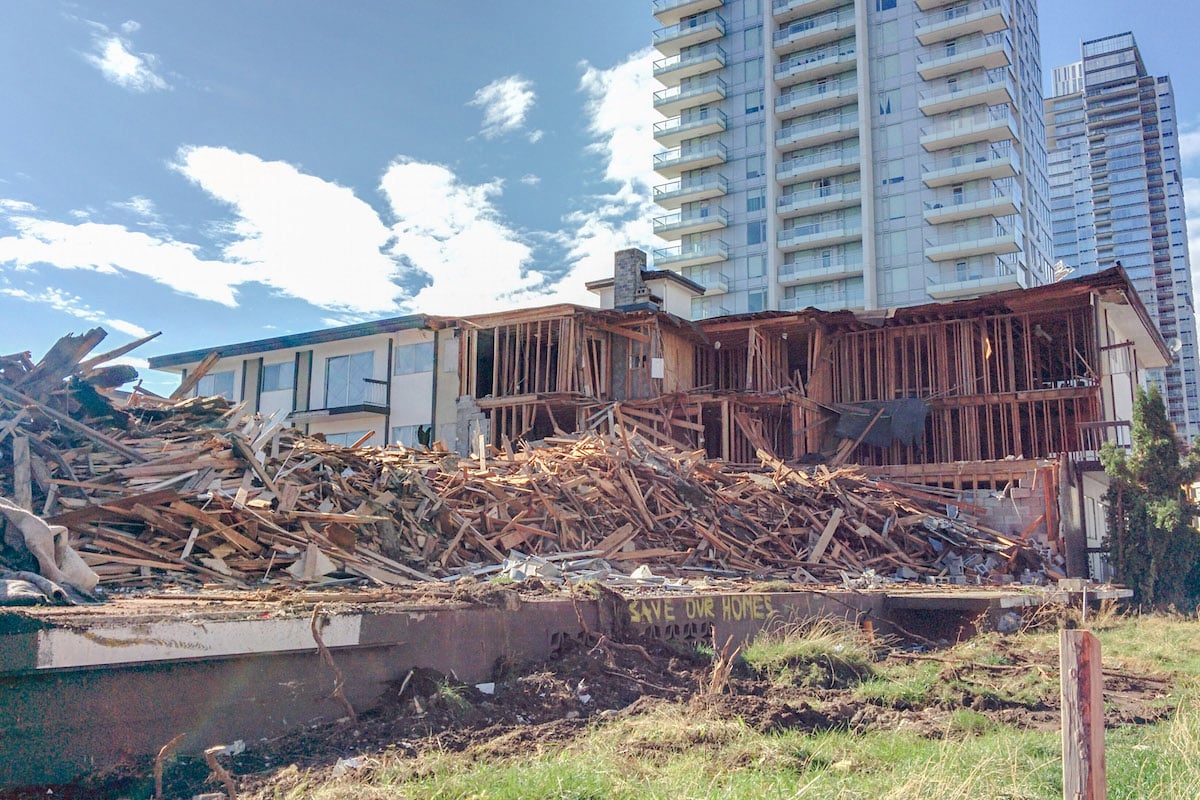
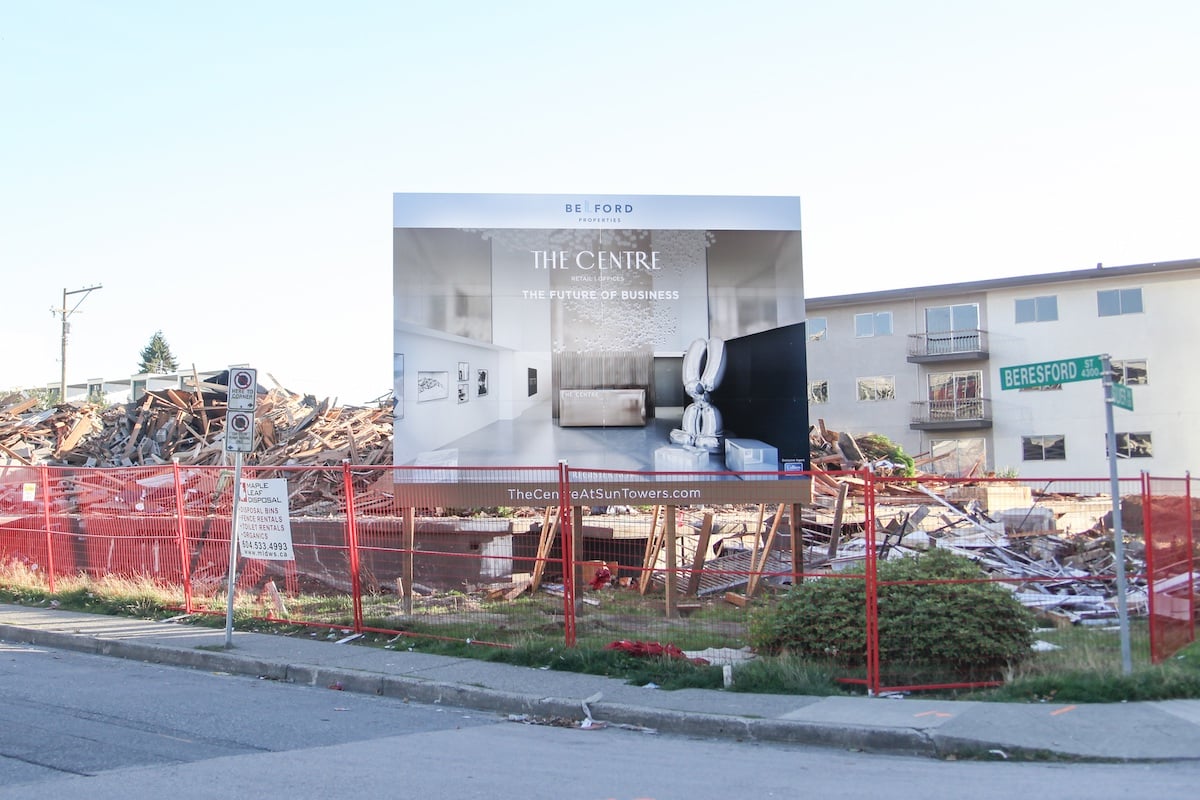
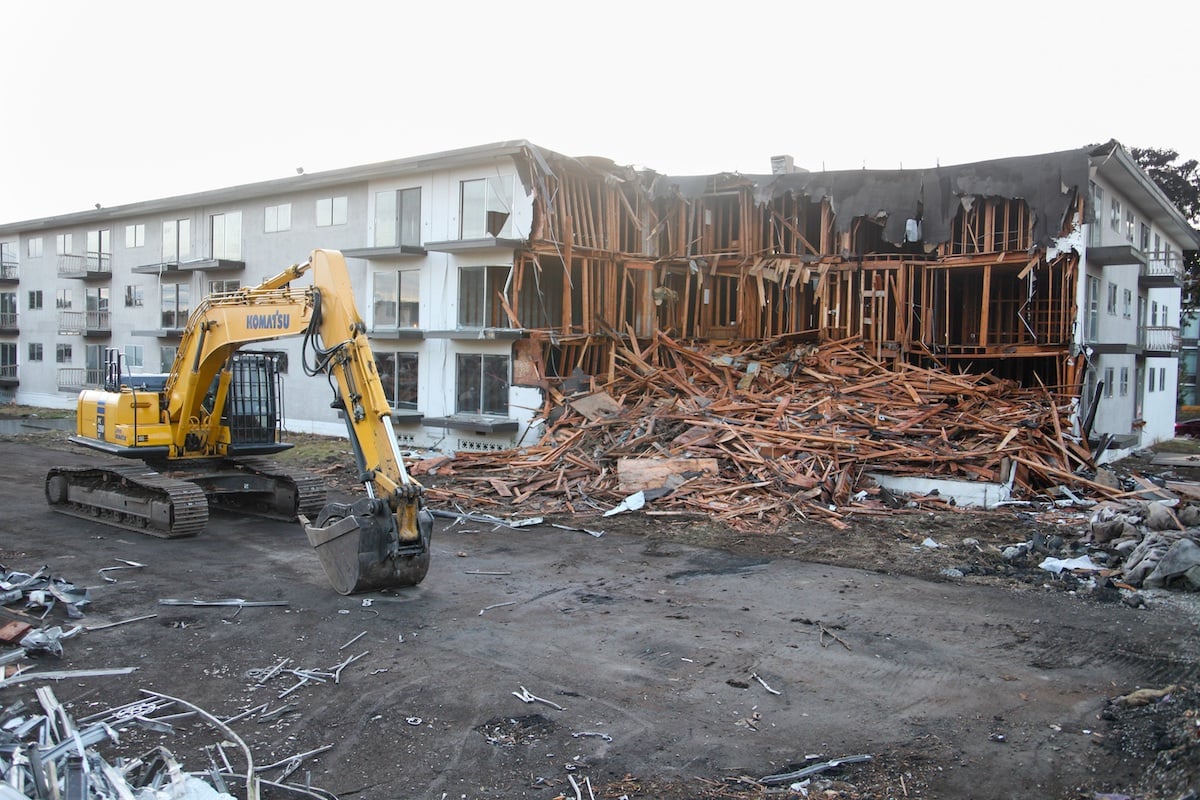
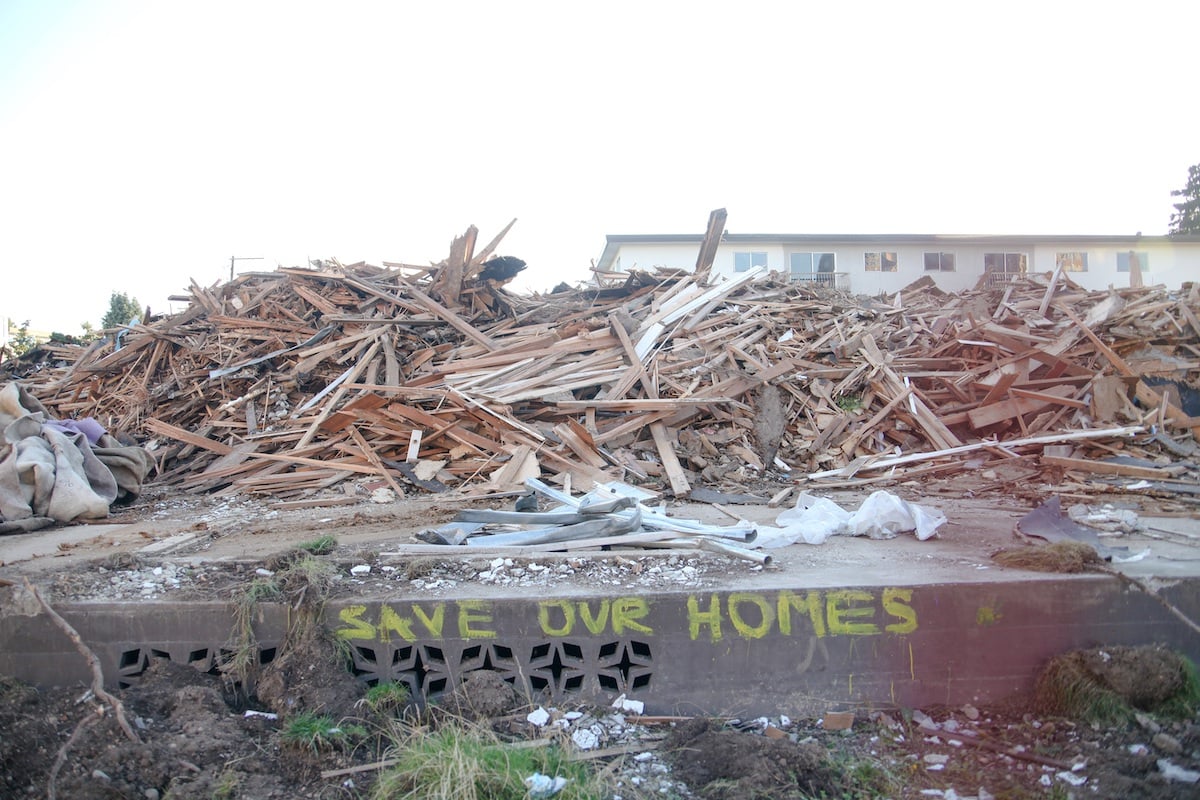
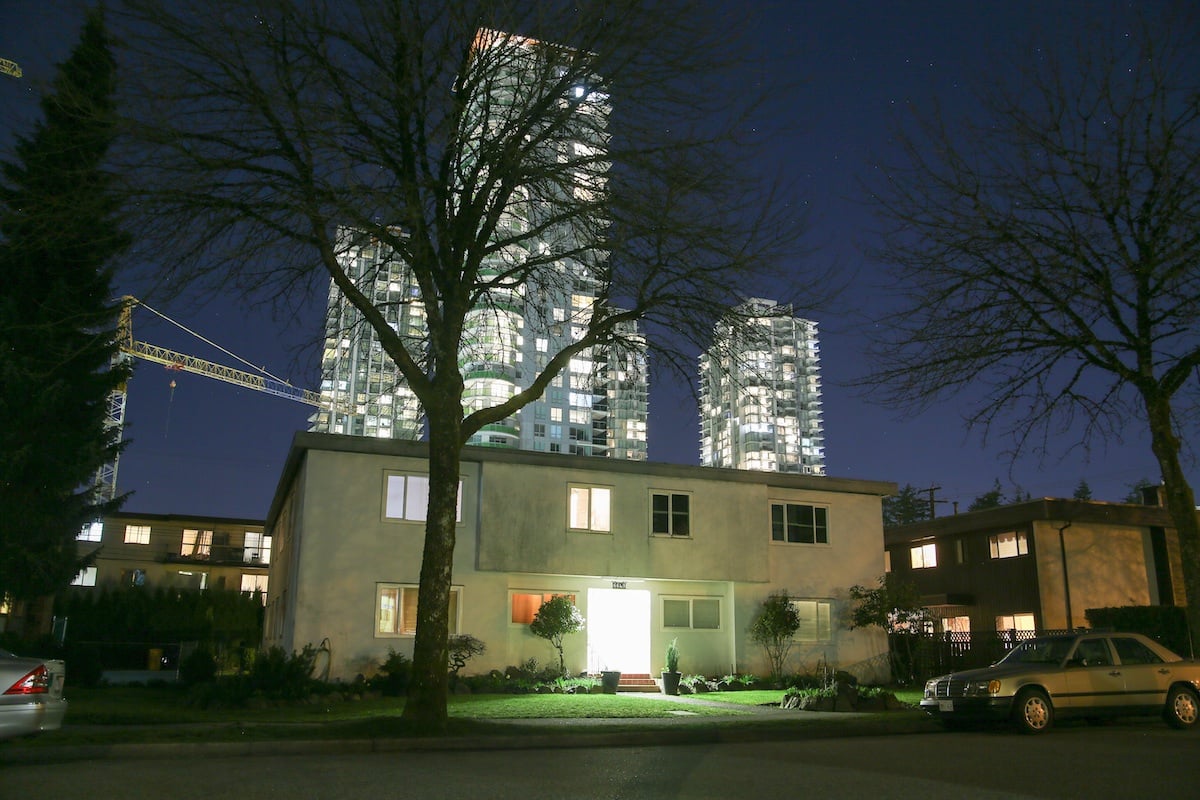
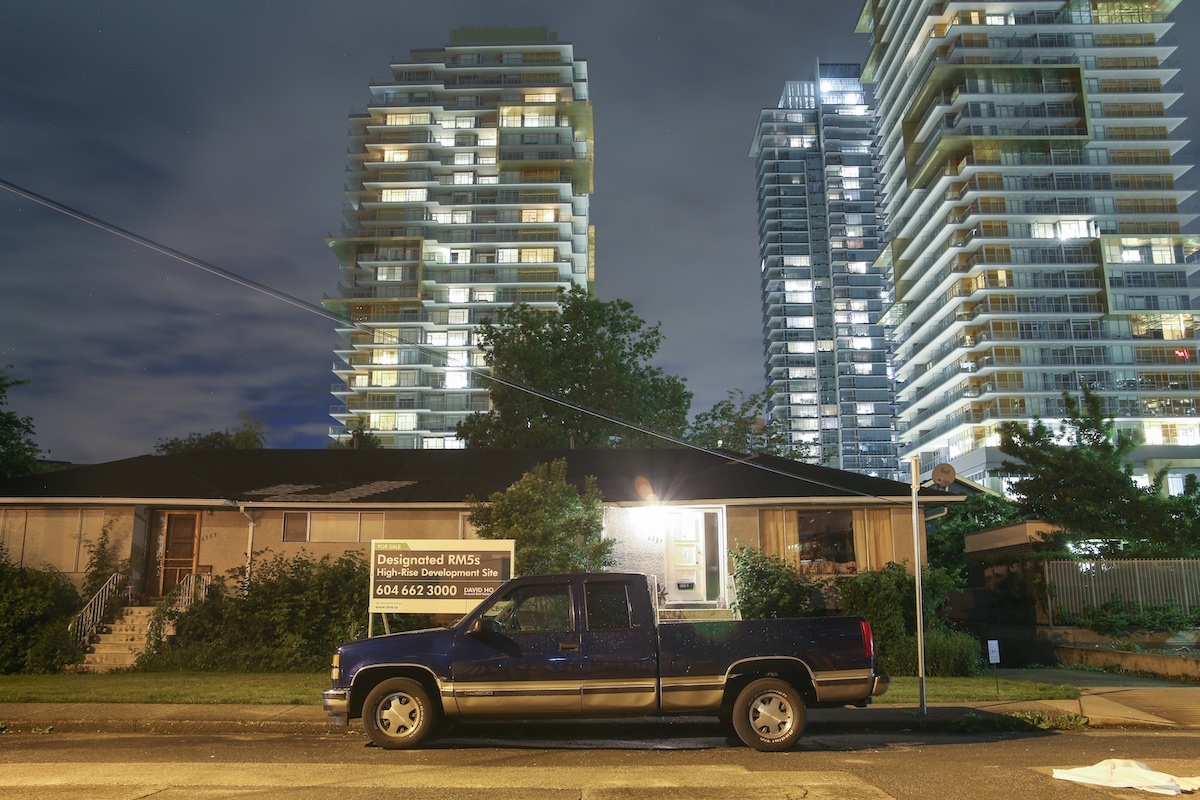
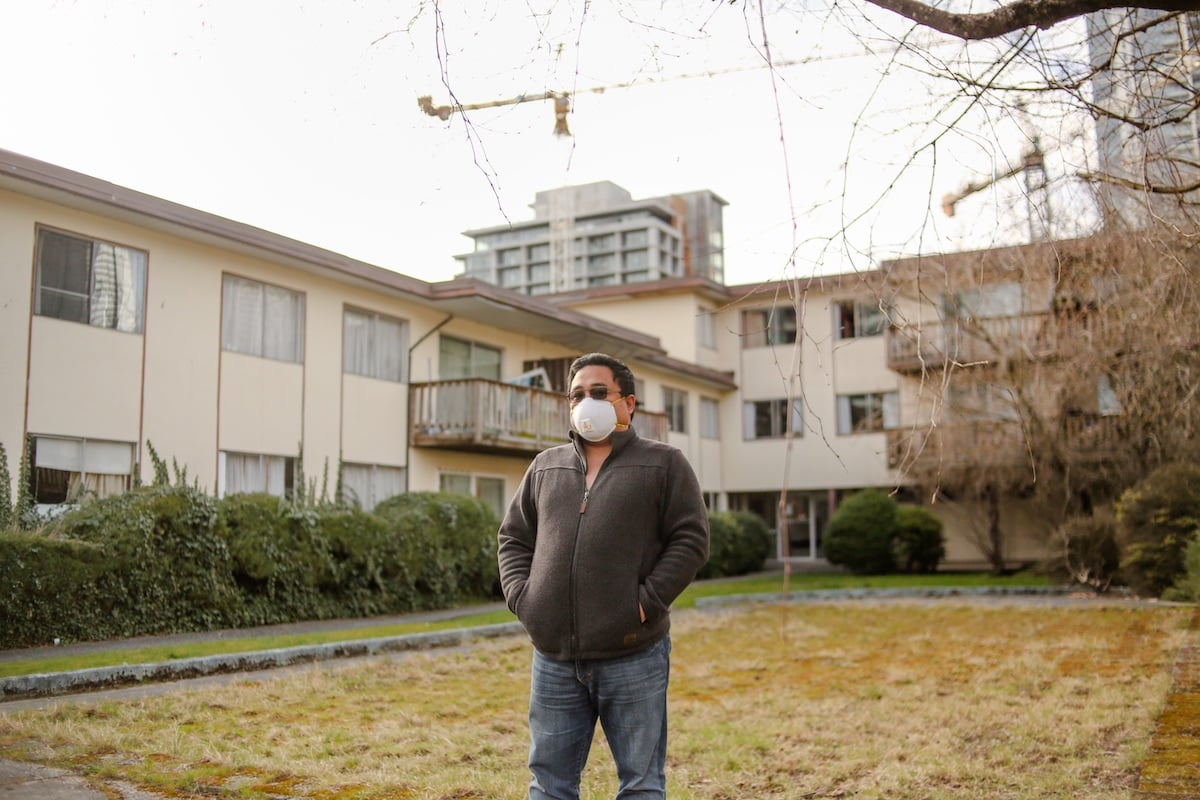
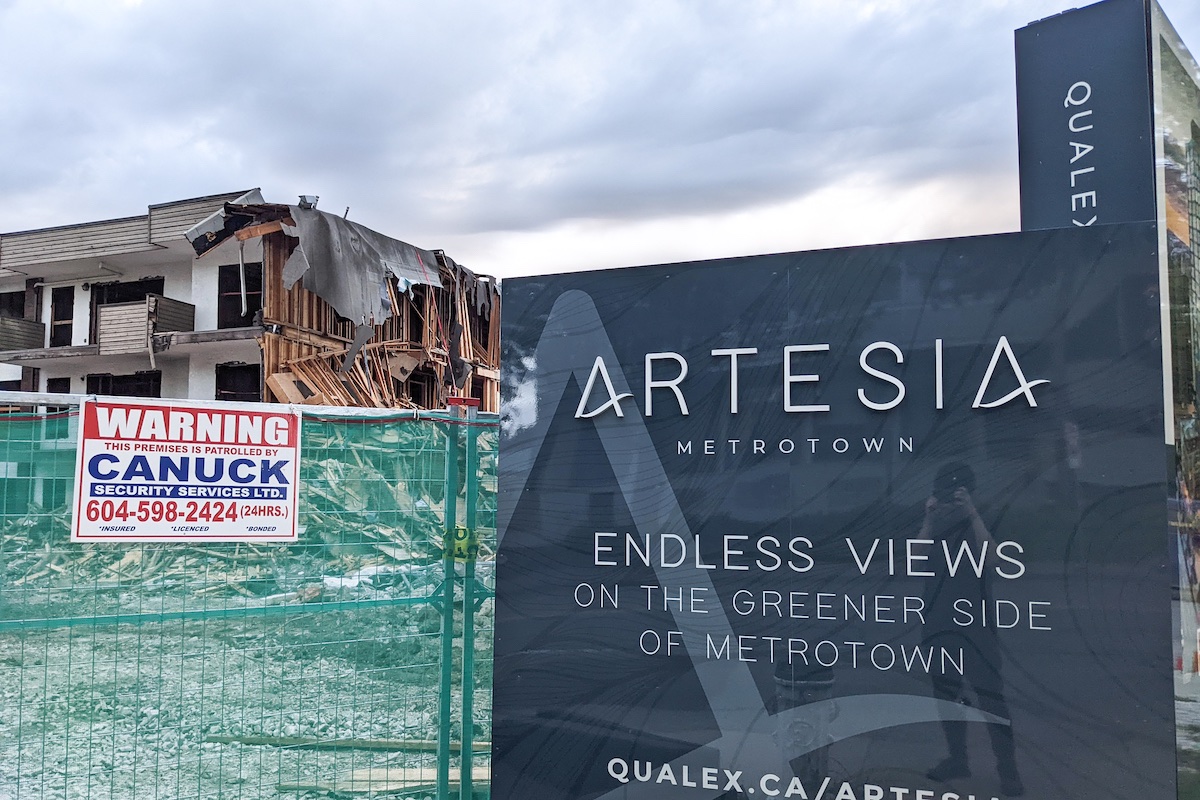
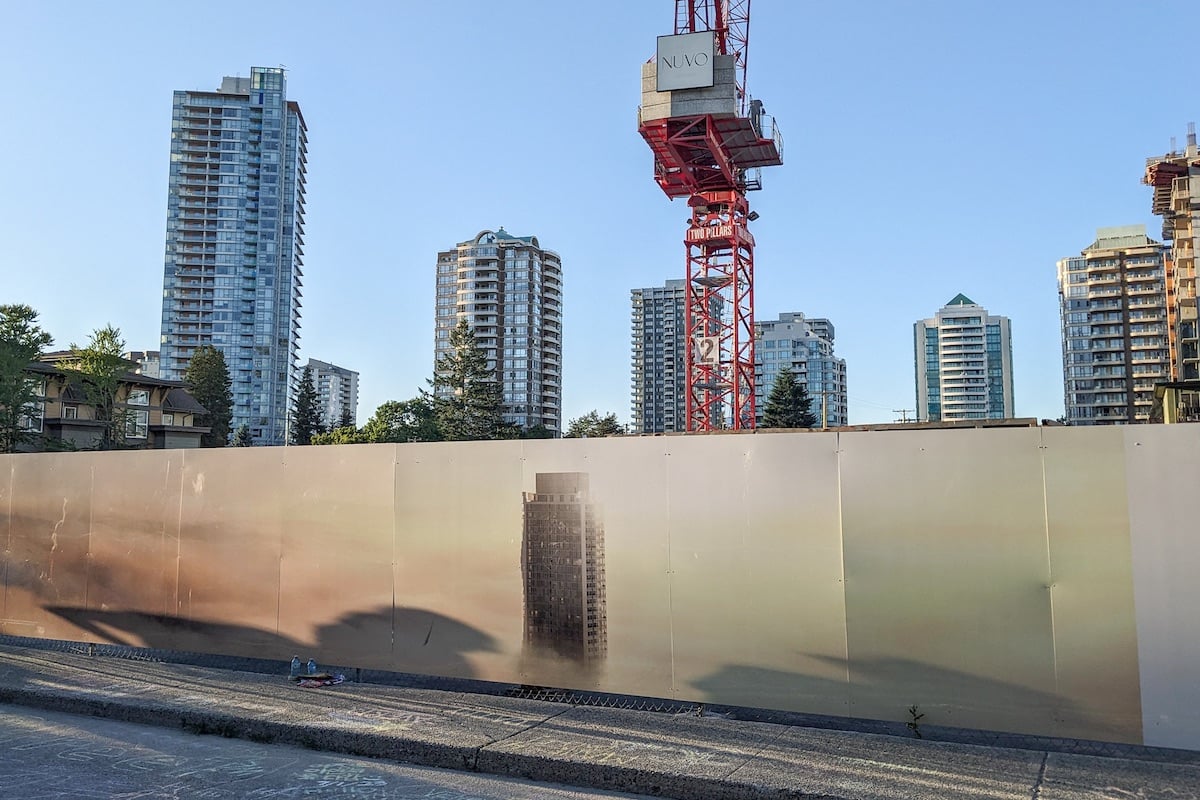
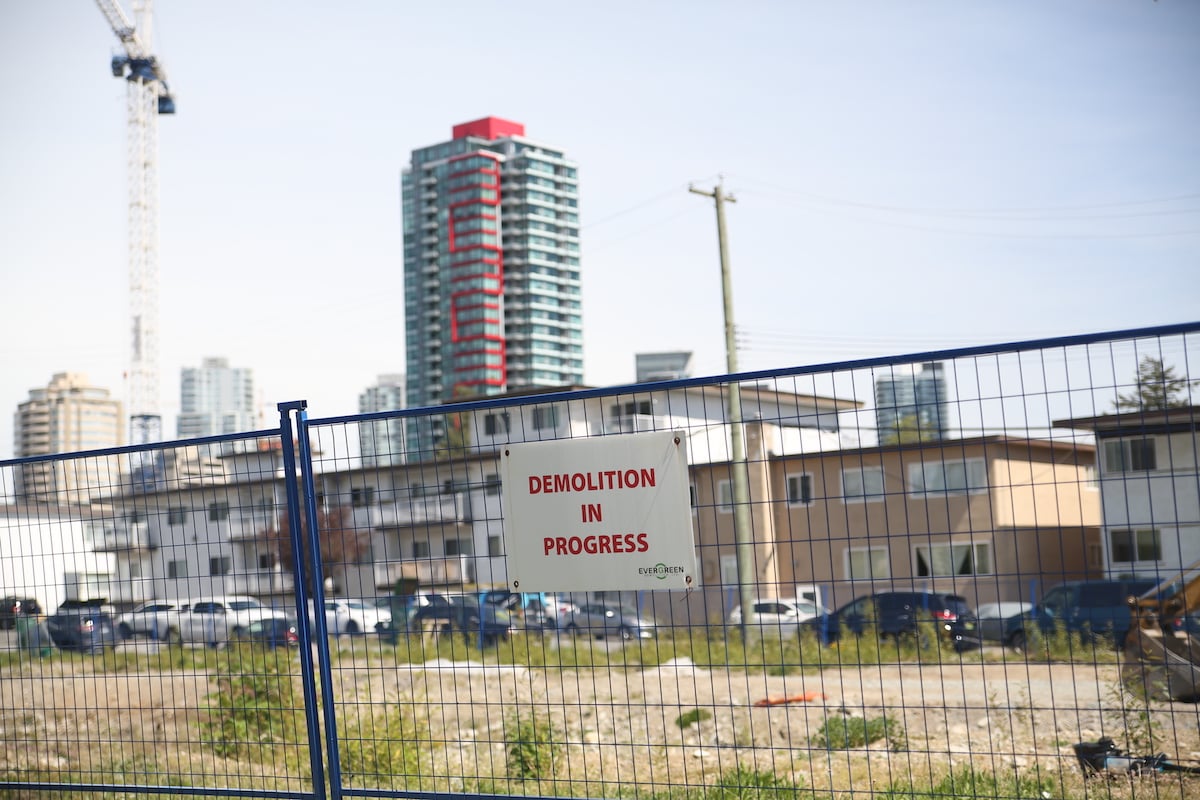
Renters evicted, old apartments destroyed and new condos erected.
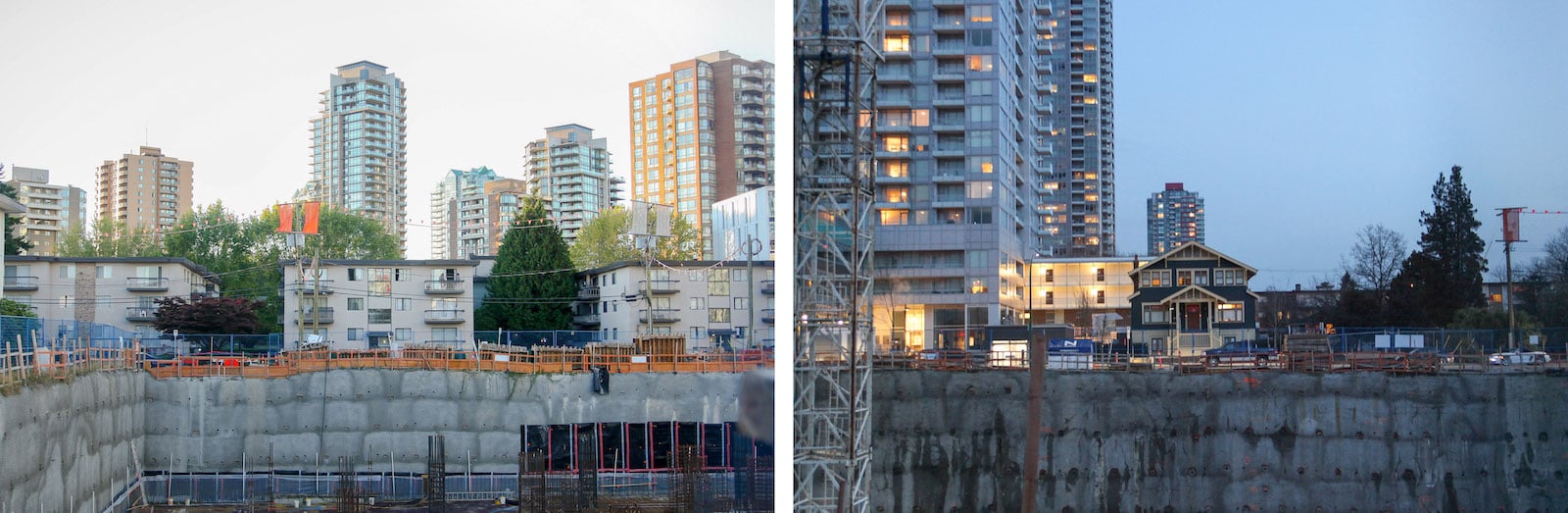
For over a decade, these were the scenes visible from every pocket of Metrotown as the City of Burnaby, next door to Vancouver in the east, shepherded the neighbourhood’s dramatic transformation into a new downtown.
The foundations for this transformation have been long in the making. The neighbourhood is home to the province’s largest mall and is the largest employment centre in the region outside of Vancouver proper. It also boasts a transit hub that is a busy stopover for commuters hopping onto buses and SkyTrains.
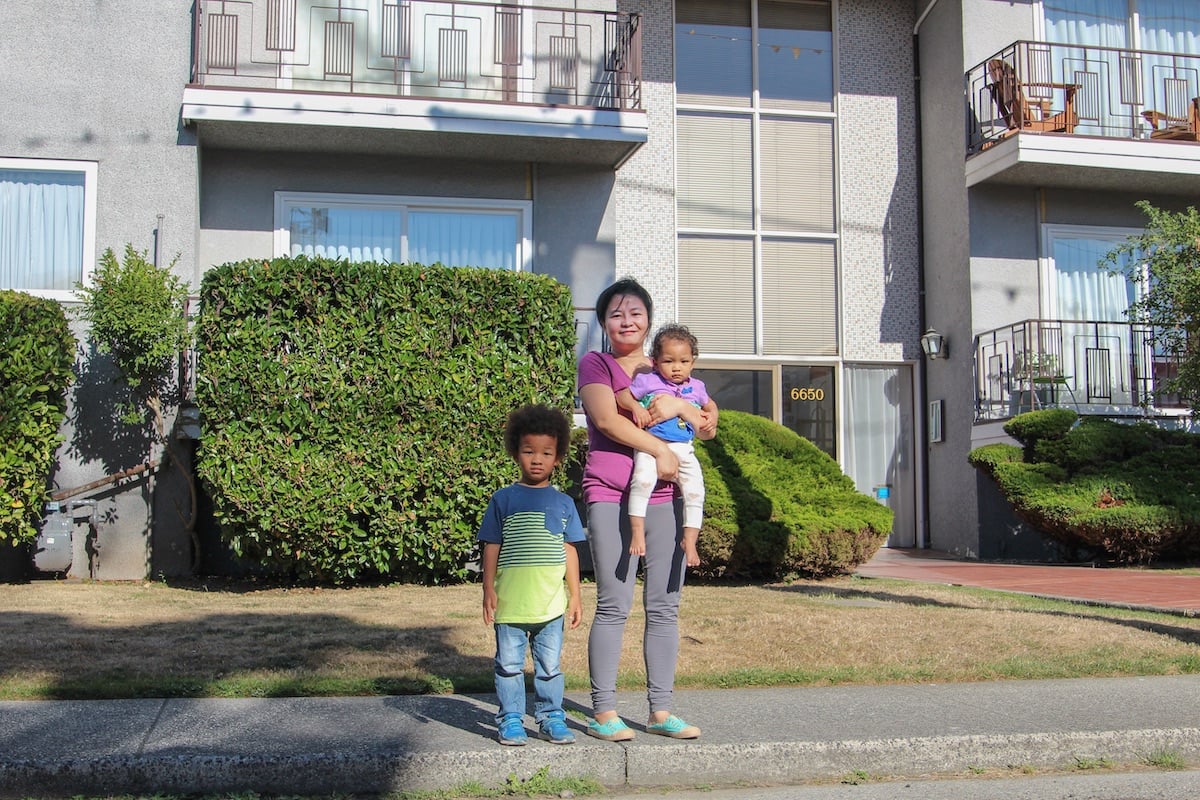
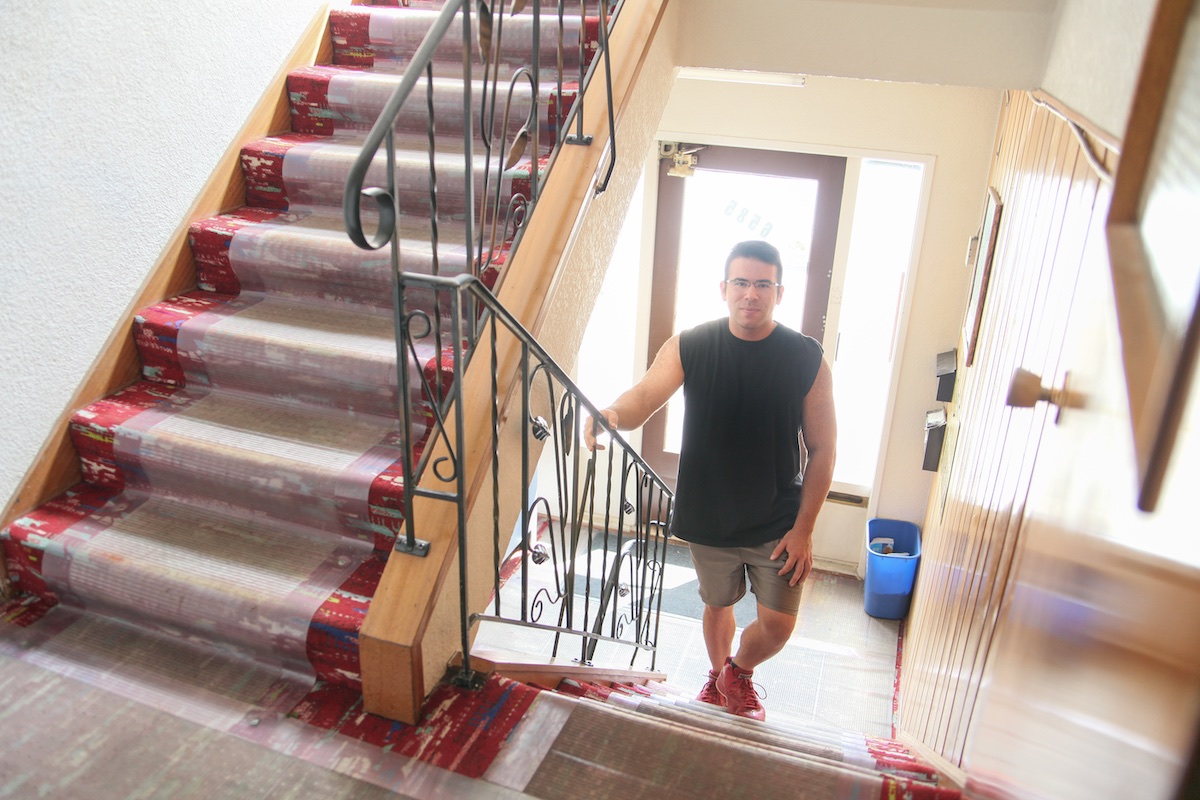
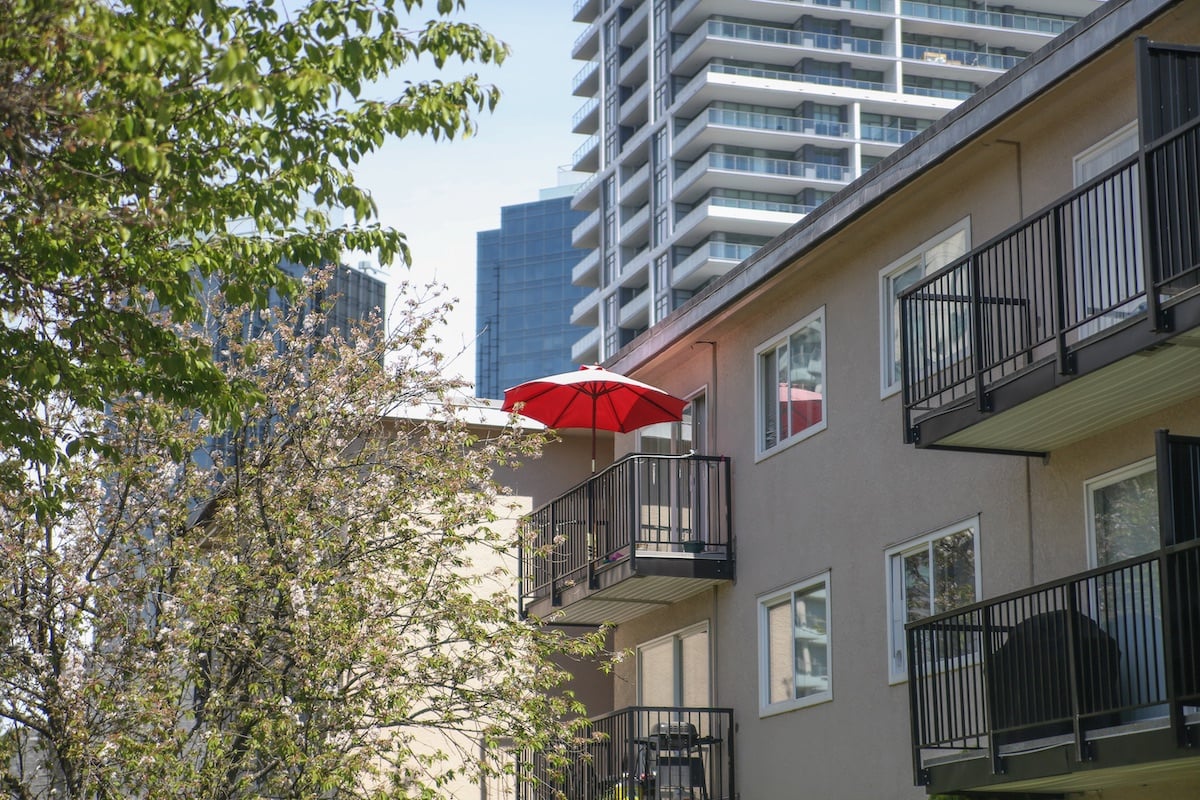
Scattered throughout is a plentiful stock of walk-up rental apartments of two to three storeys, mostly built between the 1960s and ’80s. Low-income renters, from single parents to immigrants to refugees, have depended on them for years. And the mom-and-pop landlords who have been holding on to them have been patiently waiting to sell to developers and cash out.
In 2011, the city introduced special zoning for the neighbourhood. It allowed developers to pay cash or contribute an amenity to the city in exchange for bonus density.
It made Metrotown an attractive place to build, but it also fuelled the “demoviction” of tenants.
Back in 2015, Mayor Derek Corrigan of the Burnaby Citizens Association — an NDP-affiliated municipal party that dominated council seats for many years — told The Tyee that such change was “inevitable.”
“Buildings, like people, have a lifespan,” he argued.
As for why the city decided to channel development near transit stations: “Our situation is unlike places like Calgary. We can’t keep building ring roads that take people further out into the suburbs. We don’t have that option. All our [regional] growth is on the end of a peninsula, and we’re in a situation where we’re forced to make big city choices in a city that isn’t that big.”
In 2018, the demovictions were a major issue of the municipal election. Mayoral candidate Mike Hurley, a firefighter with a number of local and provincial leadership roles who threw his support behind the tenant protesters, won the seat.
Together with a new council, Hurley kicked off the introduction of tenant protections for Metrotown, touting them as the best in the country.
This June, the first tenants will be returning to a new development at their old address on Telford Avenue. The units might be smaller, but they’ll have the same number of bedrooms and be paying their old rents.
Developers who destroy rental units to build new projects must replace them, according to city policy. Also, they must help the tenants they’re displacing by helping cover some of the cost of their interim housing.
Even though they have to foot this bill, a developer told The Tyee, it is still profitable to build in the area.
One longtime advocate, however, says more needs to be done, especially on cooling rents as Burnaby has become the second most expensive place to rent in the country, according to a 2023 report.
Tyee reporter Christopher Cheung has covered the Metrotown demoviction story since 2015. With this milestone, here’s a look back at the changes in pictures.
Read more: Housing, Municipal Politics, Urban Planning







Tyee Commenting Guidelines
Comments that violate guidelines risk being deleted, and violations may result in a temporary or permanent user ban. Maintain the spirit of good conversation to stay in the discussion and be patient with moderators. Comments are reviewed regularly but not in real time.
Do:
Do not: