

 SHARE:
Every year, when the month of March rolls around, librarians across the country prepare book displays featuring women writers, politicians, activists, athletes, suffragettes and celebrities for Women’s History Month. I became a public librarian in 2009 and have created these displays and prepared relevant programming with great interest, but this year comes with deeper significance and anticipation.
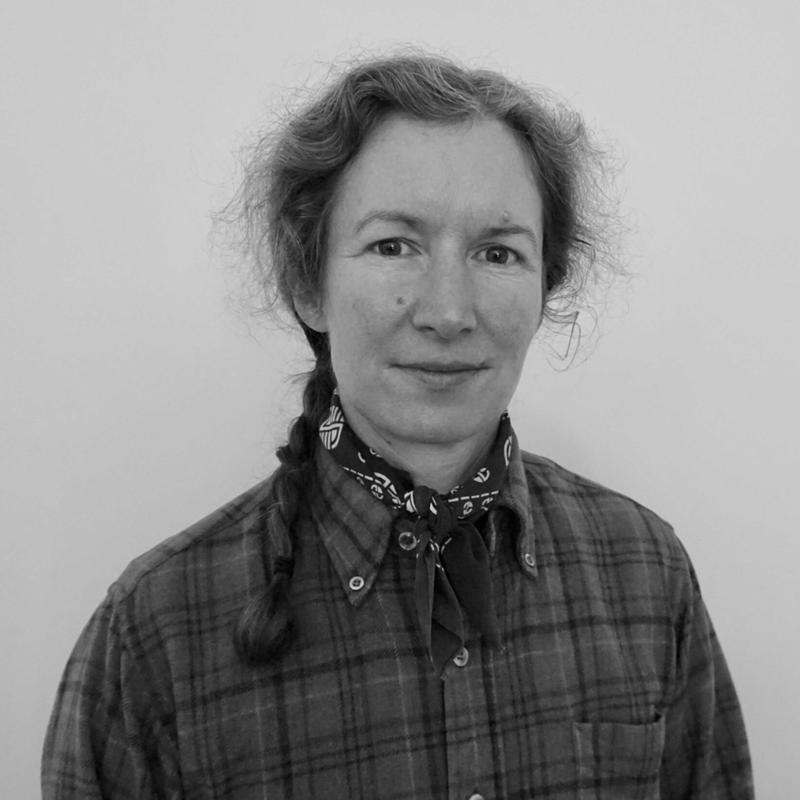
On March 8, 2022, at age 44, I launched an online archive as a form of protest. I like to call my efforts “the wrath of the skater librarian” because the focus of my archive is the history of female and non-binary skateboarders, and it’s a history that has been notoriously ignored by the male-dominated skateboard industry.
The project felt like destiny; finally, I was merging my skillset as a librarian with my experience as a skateboarder. And this year, as we face an increasingly hostile political climate for both information professionals and women and non-binary people, the archive takes on new meaning. It’s a celebration of resistance across generations. And it showcases a relentless pursuit of joy and connection through skateboarding and community archival work that refuses to capitulate to the overlapping forces working to stamp it out.
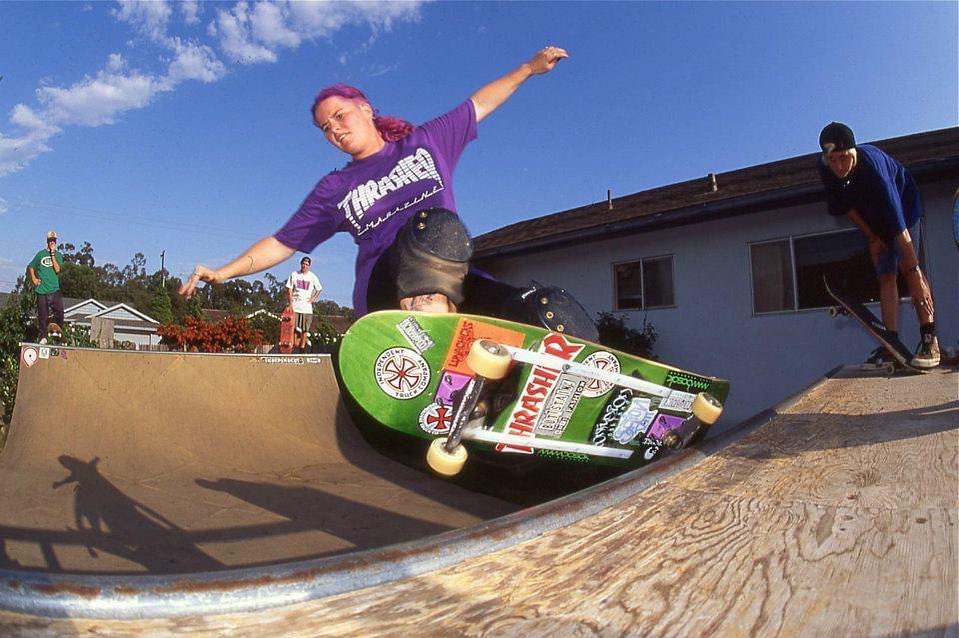
I began skateboarding in 1995 and started collecting content related to women’s skate history not long after, but it felt wrong (as a librarian) to be hoarding these stories and to not go deeper in my investigation. My motivation to launch a public archive was also connected to a recent milestone for skateboarding on the world stage — the Tokyo 2020 Summer Olympics marked skateboarding’s Olympic debut.
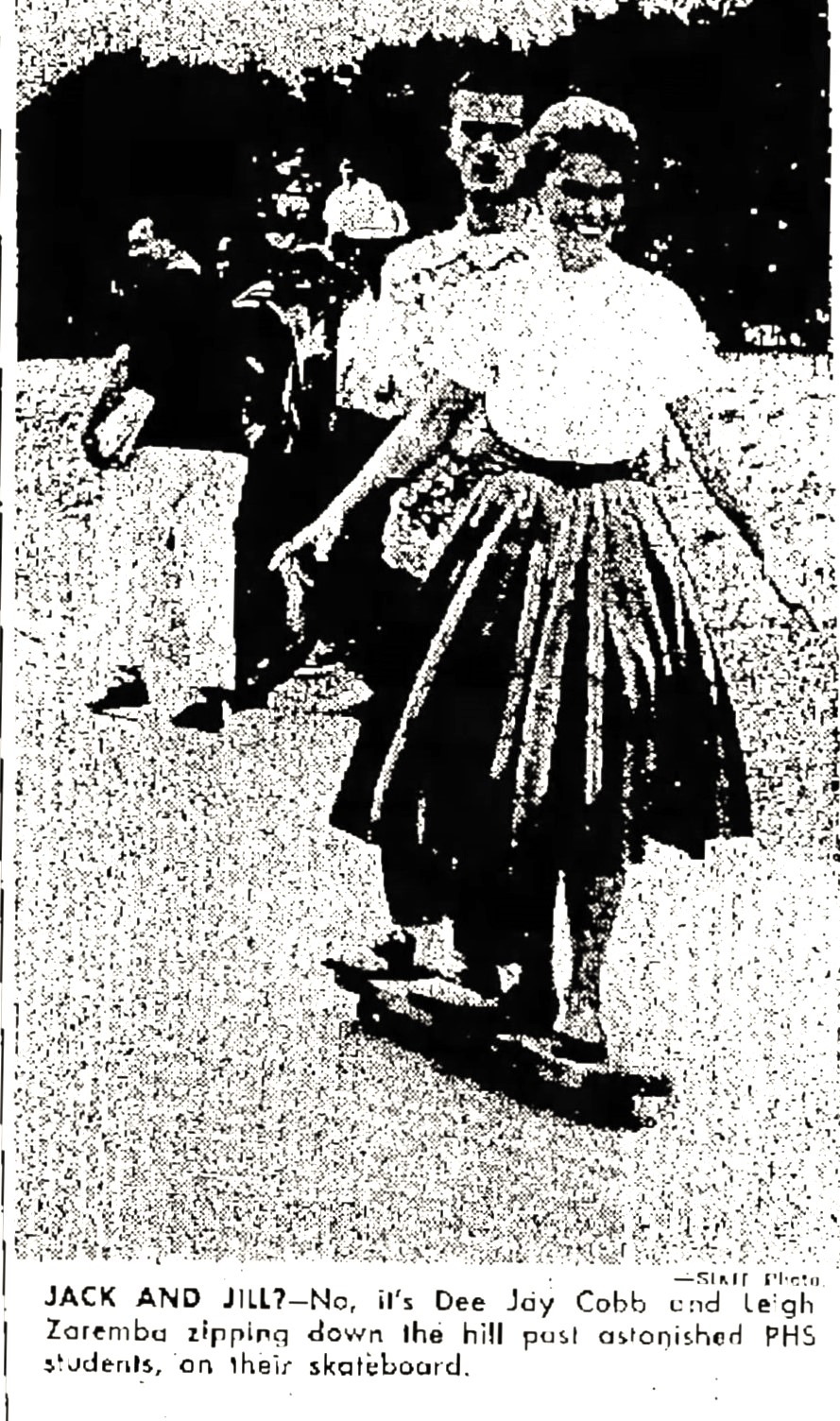
I was enamoured with the child prodigy competitors but also frustrated by the lack of context in the media; the literal blood, sweat and tears of female skateboarders goes all the way back to 1959, which is the earliest year I’ve found photographic proof of a woman on a skateboard named Leigh Zaremba.
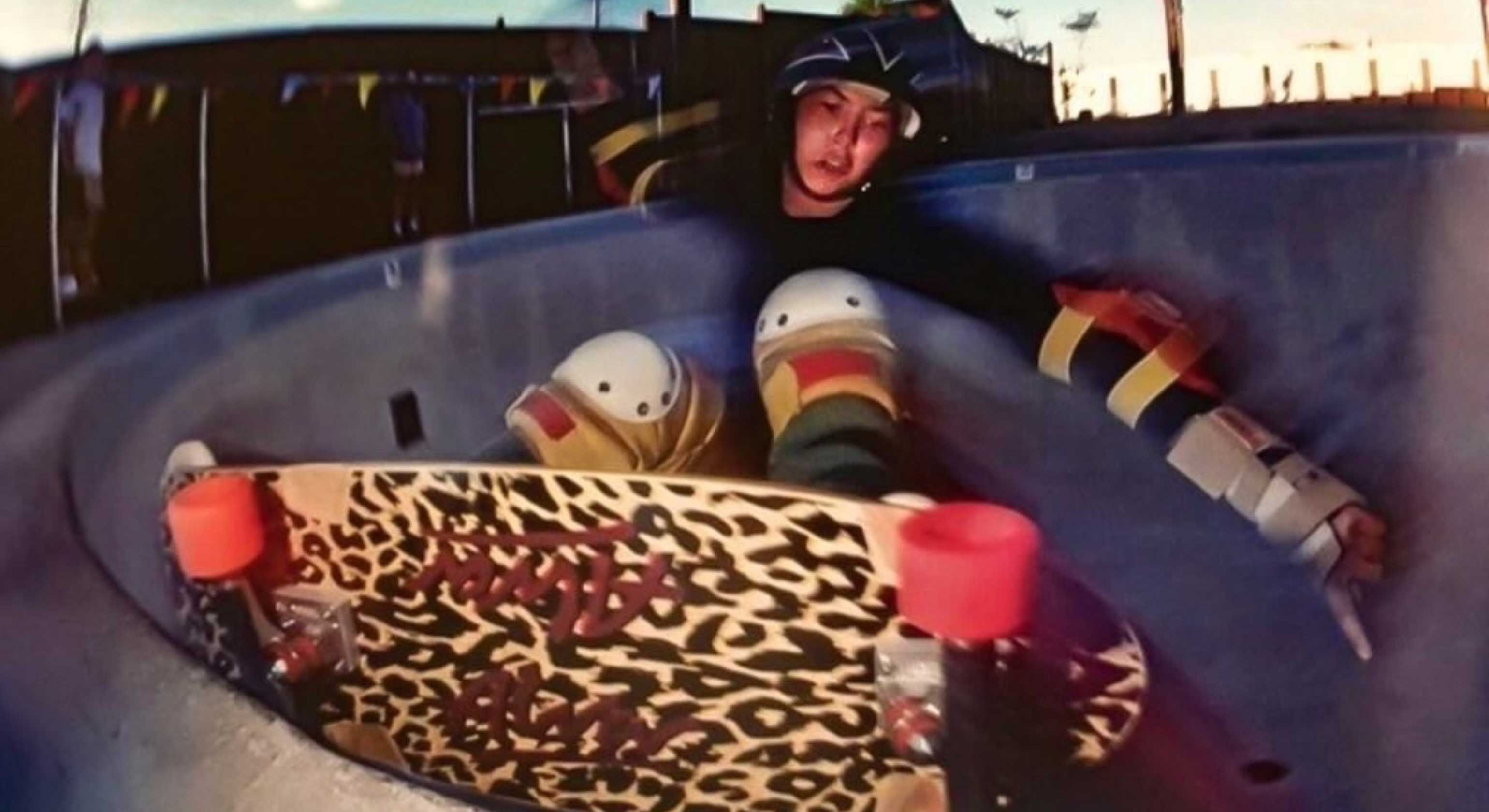
Women have skateboarded consistently throughout the decades, but they were forced underground in the 1980s when the skateboarding industry rebranded itself as a pursuit exclusively for boys, despite an equitable origin story in the 1960s and ‘70s.
In retaliation, a group called the Women’s Skateboard Club was founded in 1986. It expanded into the Women’s Skateboard Network in 1988.
With 250 members from around the world, the network communicated through a DIY zine called Equal Time edited by Lynn Kramer and JoAnn Gillespie. Zines have been especially important for female skaters because they eliminated gatekeepers like skateboard magazine editors who insisted that their target audience was exclusively male and avoided diverse representation.
The Women’s Skateboard Network demanded the return of contest divisions for girls, which had been eliminated in 1981, as well as media coverage and sponsorship for women skaters.
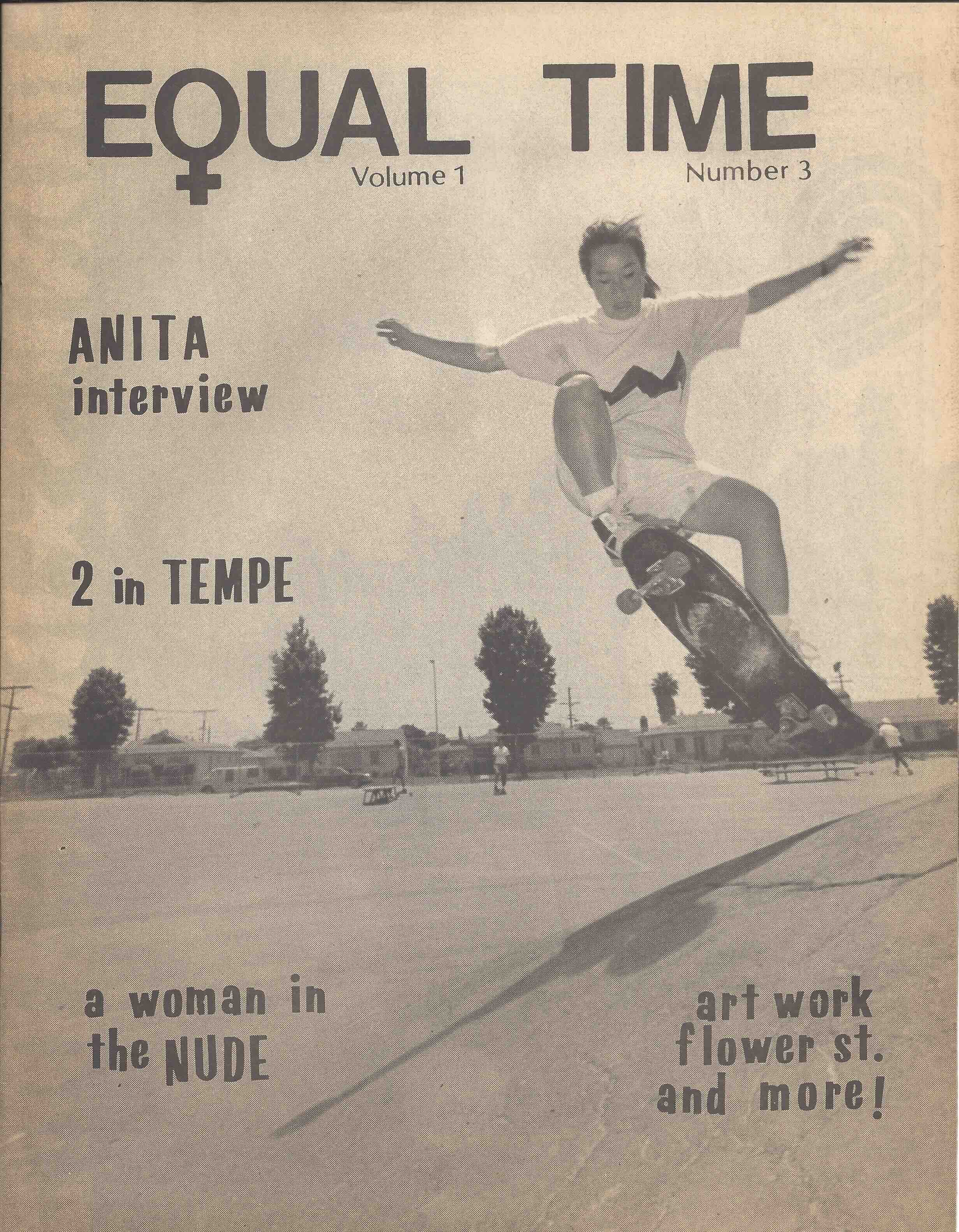
Being a diligent librarian, I have systematically gone through each decade, listing every skater- and female-run company I had accumulated in the archive. I have created over 350 individual bios full of photos, interviews, digitized zines and video footage, linking them together like a tapestry.
And because most of these women were never interviewed nor celebrated in a popular skateboarding magazine, I sought them out through social media including an Instagram account that I created for that purpose.
The response has been overwhelmingly positive, and I can now call many of these women my friends and mentors. Did I mention that librarians are relentless in their pursuit of accessible information?
Skateboarding is a gruelling pursuit. When I returned to it after more than a decade just prior to the pandemic, the process of relearning old tricks and getting back in shape was excruciating. I live in a small town on the Sunshine Coast and am without the motivation of being part of a “girl gang” like my early years skating in Vancouver and Montreal. And yet, skateboarding has a grip on me. When I picked it up again, it was like I had never stopped.
One thing is different now for me: there’s no cool factor involved anymore. I’m geared up from shin guards to elbow pads, but every time I have a session at the skatepark, the sense of fulfilment makes the occasional bail worth it.
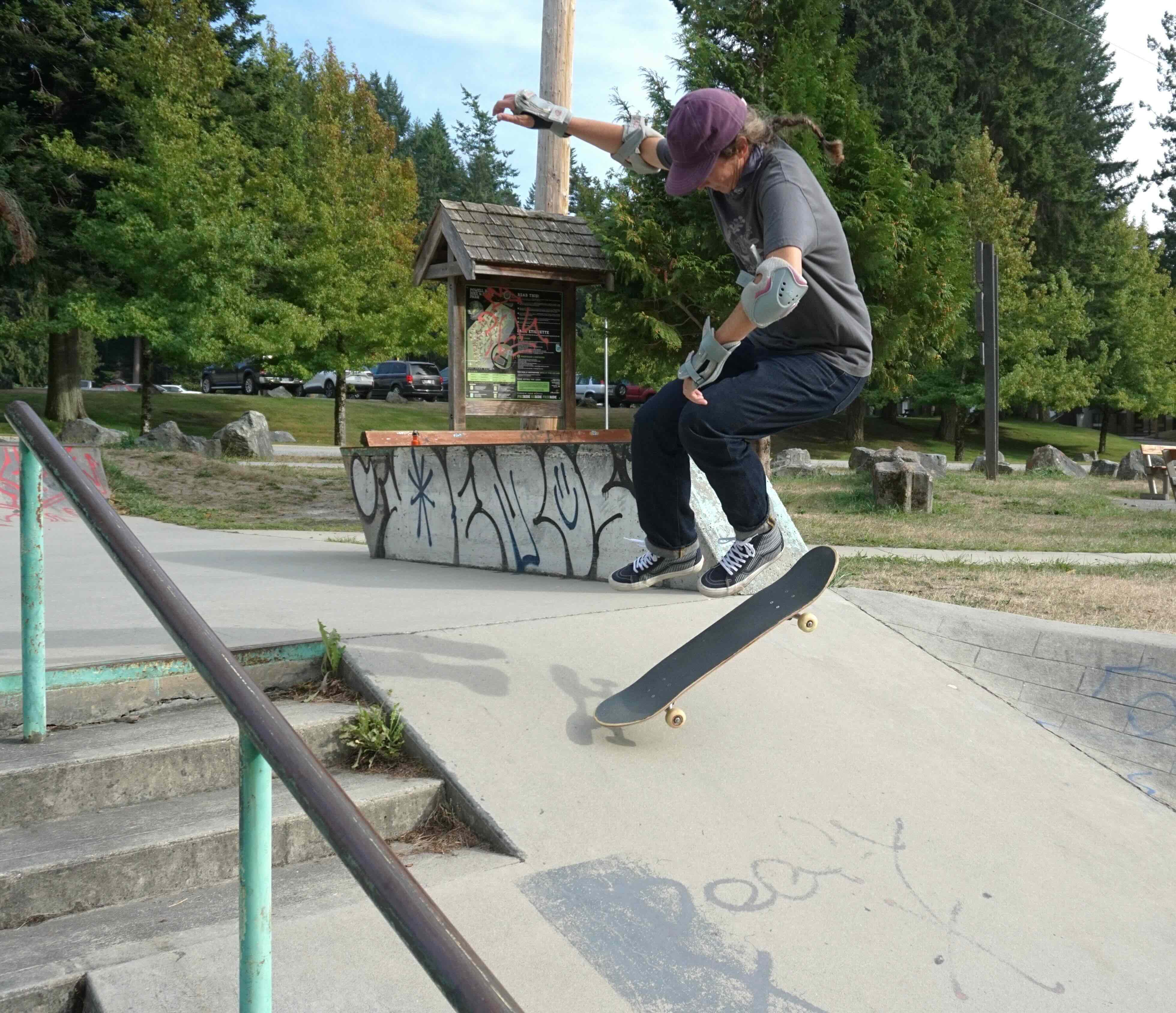
I may no longer be able to perform the same tricks as when I was 20, but I now have a role to play as a memory-keeper. In today’s political climate, especially to the south, community archive activists have become essential to fight archival silence and the strategic erasure of history that doesn’t glorify white men.
We can’t forget that executive orders in the U.S. targeting DEI programs outlaw inclusive language and demand that information professionals remove and alter historical records.
We can no longer depend on federally funded institutions to accumulate and present accurate findings when their existence is tied to a corrupt government. This means that rogue librarians and archivists, alongside underground community networks, must do the legwork to retain a history that is diverse and truthful.
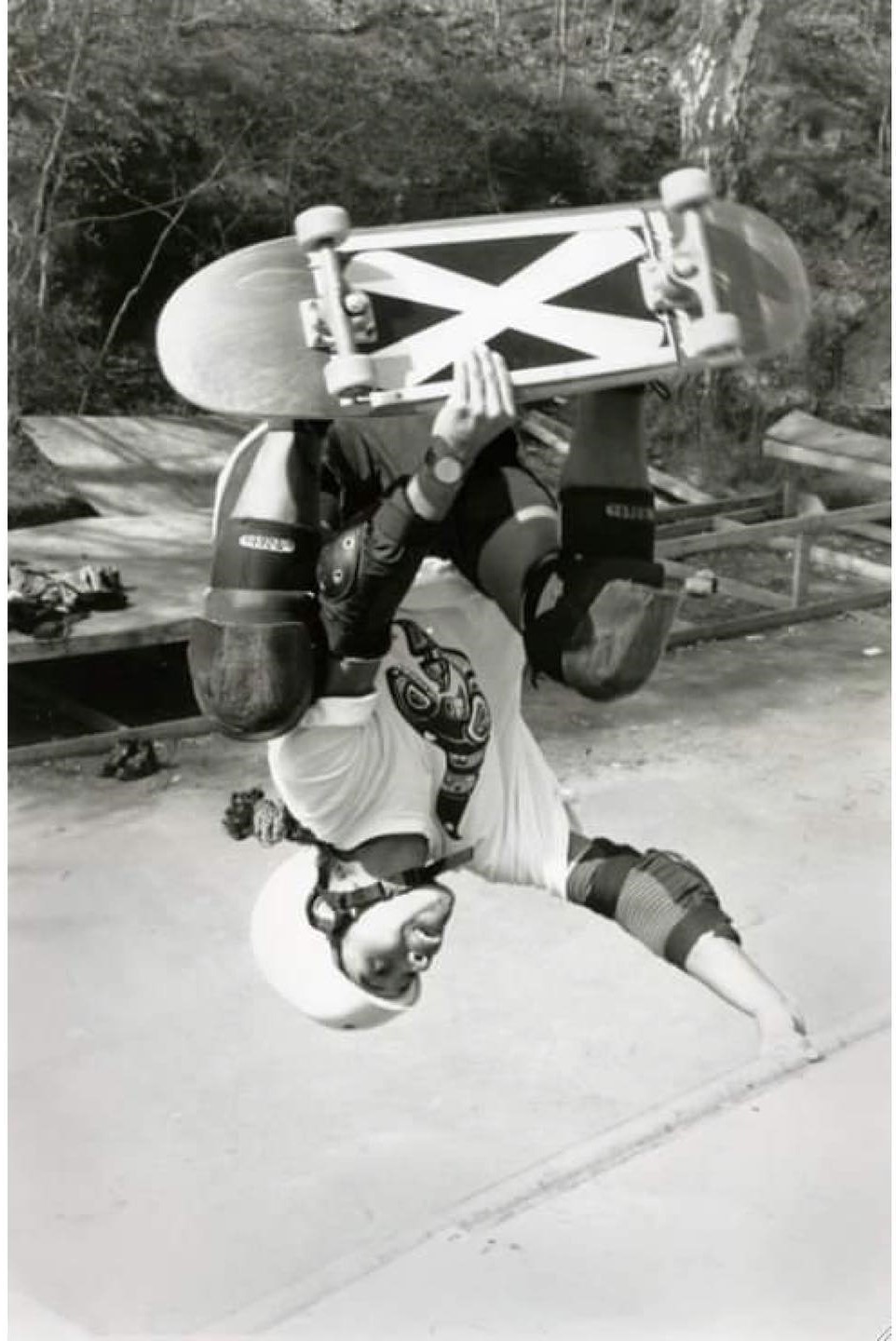
While the history of skateboarding might sound frivolous, this is a topic I have expertise in and the project has been deeply rewarding for the individual skaters featured, and for myself. There have also been some incredible surprises including the publication of my book Girl Gangs, Zines, and Powerslides: A History of Badass Women Skateboarders with ECW Press in September 2025, and my role as a subject matter expert with the Smithsonian Institution — a precarious position I’ll savour for as long as possible while a travelling skateboard history exhibit evolves.
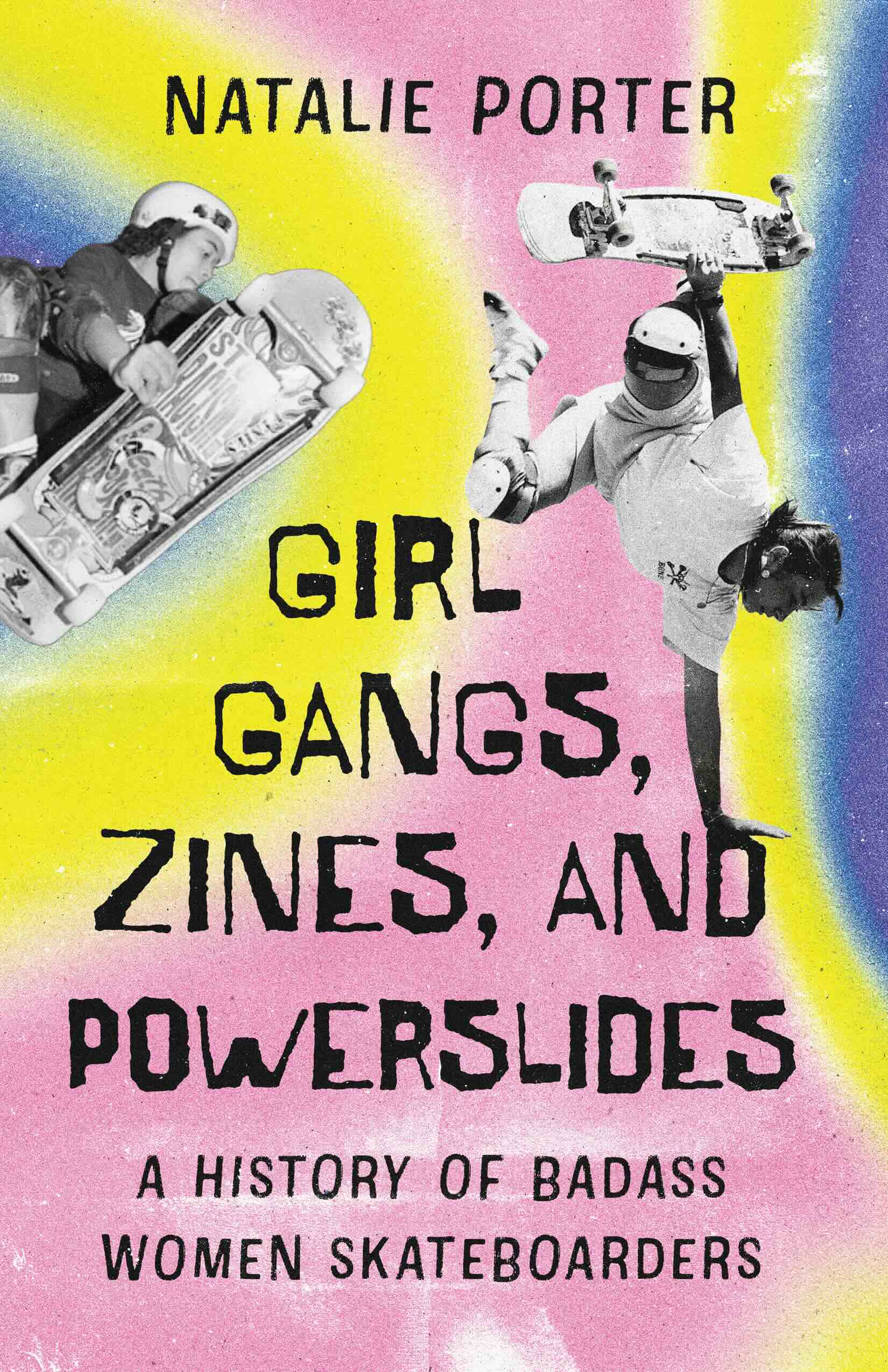
I’ve purchased thousands of books for library collections, and I cannot deny that it’s a librarian’s dream to now contribute a title of my own.
So, this Women’s History Month I’ll be celebrating my book, the fourth anniversary of my women’s skateboarding history archive and the thriving, diverse community that skateboarding has become internationally thanks to the perseverance of some determined individuals.
It’s no surprise that the women featured in Women’s History Month displays at the library are rule breakers who overcame adversity, misogyny and patriarchal structures. If the weather cooperates in March, I also plan to hit up my local skatepark, take up space and represent the possibility that older women can pursue joy in any shape or form.
If you are tired of misinformation, AI slop and convoluted search results, I urge you to make a connection with your local librarians. We will weed out ChatGPT’s hallucinations with vigour to ensure that your research paper or inquiry is bolstered by the quality references and resources that you deserve.
Plus, if you take some time to browse the seasonal book displays, you might just stumble upon a story by or about someone heroic, discover a new passion or feel compelled to create an archive of your own. ![[Tyee]](/design-article.thetyee.ca/ui/img/yellowblob.png)
Read more: Gender + Sexuality, Sports, Media








Tyee Commenting Guidelines
Please note that email notifications for replies are not currently working due to a software issue which may be resolved in a future update.
Comments that violate guidelines risk being deleted, and violations may result in a temporary or permanent user ban. Maintain the spirit of good conversation to stay in the discussion and be patient with moderators. Comments are reviewed regularly but not in real time.
Do:
Do not: