


 SHARE:
I noticed something strange happening the other day. In the process of scrolling through the usual social media platforms, everything started to irritate me.
Things that would normally be a source of bemusement or curiosity started to feel like so many flies buzzing about, trying to land on me, piping up in tiny voices.
“Hey, look at me!” they seemed to say.
“Look at this funny thing I’m doing.”
“Look at this thing I bought.”
“Watch me.”
“WATCH ME NOW!!!!!!!”
At first, I brushed off the sensation like one would wave away a flying insect. But the feeling kept circling back. In looking for an answer for this odd new reaction, I began to look more actively at the root cause.
The internet and its social web have been an attention-grabbing machine since they came into being. We have had our focus and brain power leached away online for decades. So why the recent revulsion?
The most immediate and easy answer might be artificial intelligence, or AI; its mainstream integration in 2025 marked a major technological and cultural shift. Usually, AI content on social media has been easy to spot, identifiable by an overly smooth quality or a simply preposterous scenario, like dolphins jumping into fishing boats. But sometimes, one still gets suckered.
It happened to me the other day with a video clip of an elderly cat bringing home a leopard kitten. The pair are seen eating, cuddling and generally hanging out. It was the usual unlikely animal friendship story, but it convinced me for a few moments, until things got a little too extreme. “Oh, shit, it’s AI,” I thought. I’d been duped like a digital rube.
I know I’m not alone in having these experiences and reactions. Even if you’re trying to abstain from using AI in Google searches or ChatGTP queries, it’s increasingly hard to avoid.
Maybe at the heart of my irritation is the sensation of being increasingly trapped in a world that I don’t understand and can’t seem escape from.
A suffocating computer world
It’s not a new sensation.
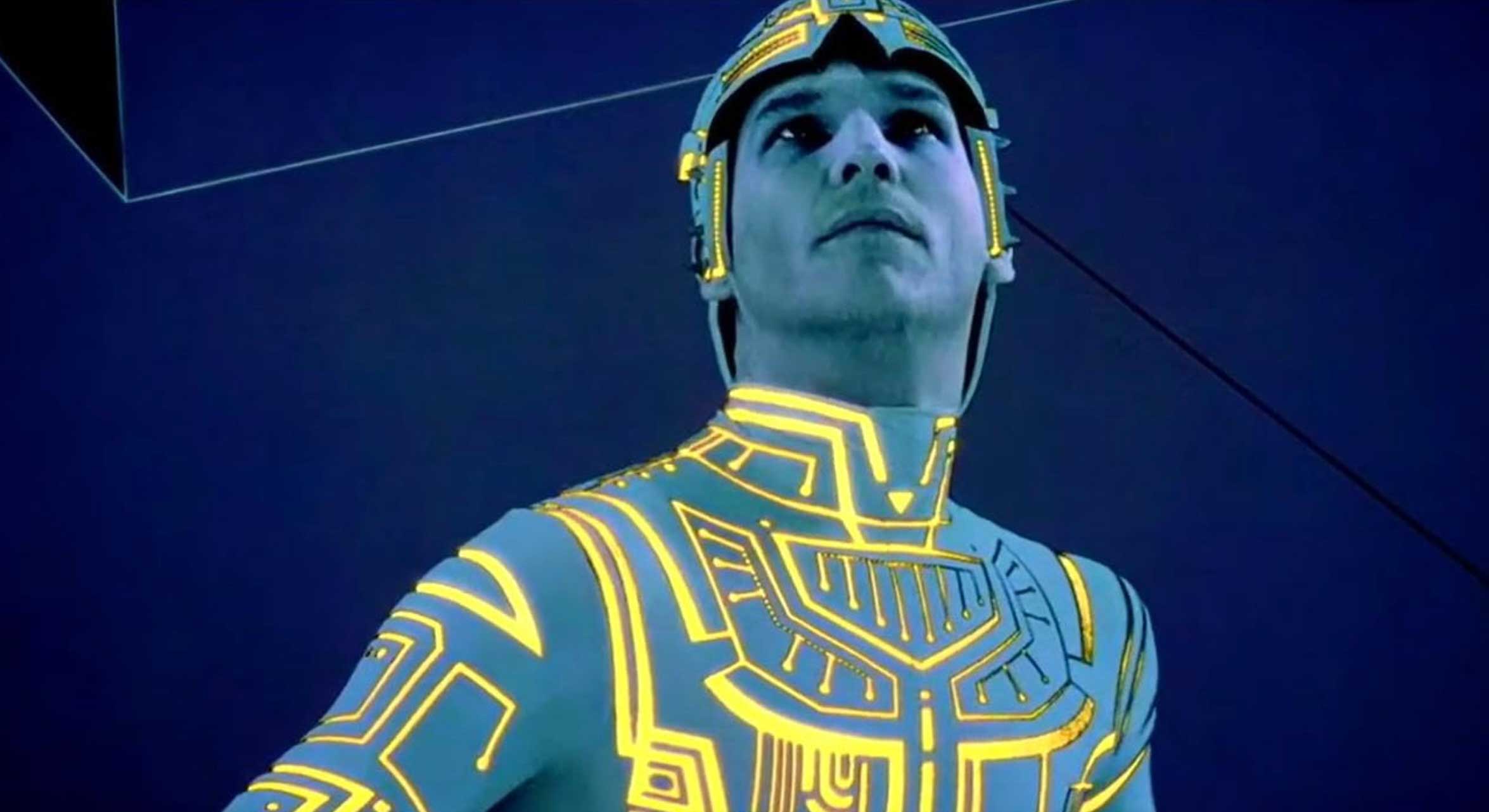
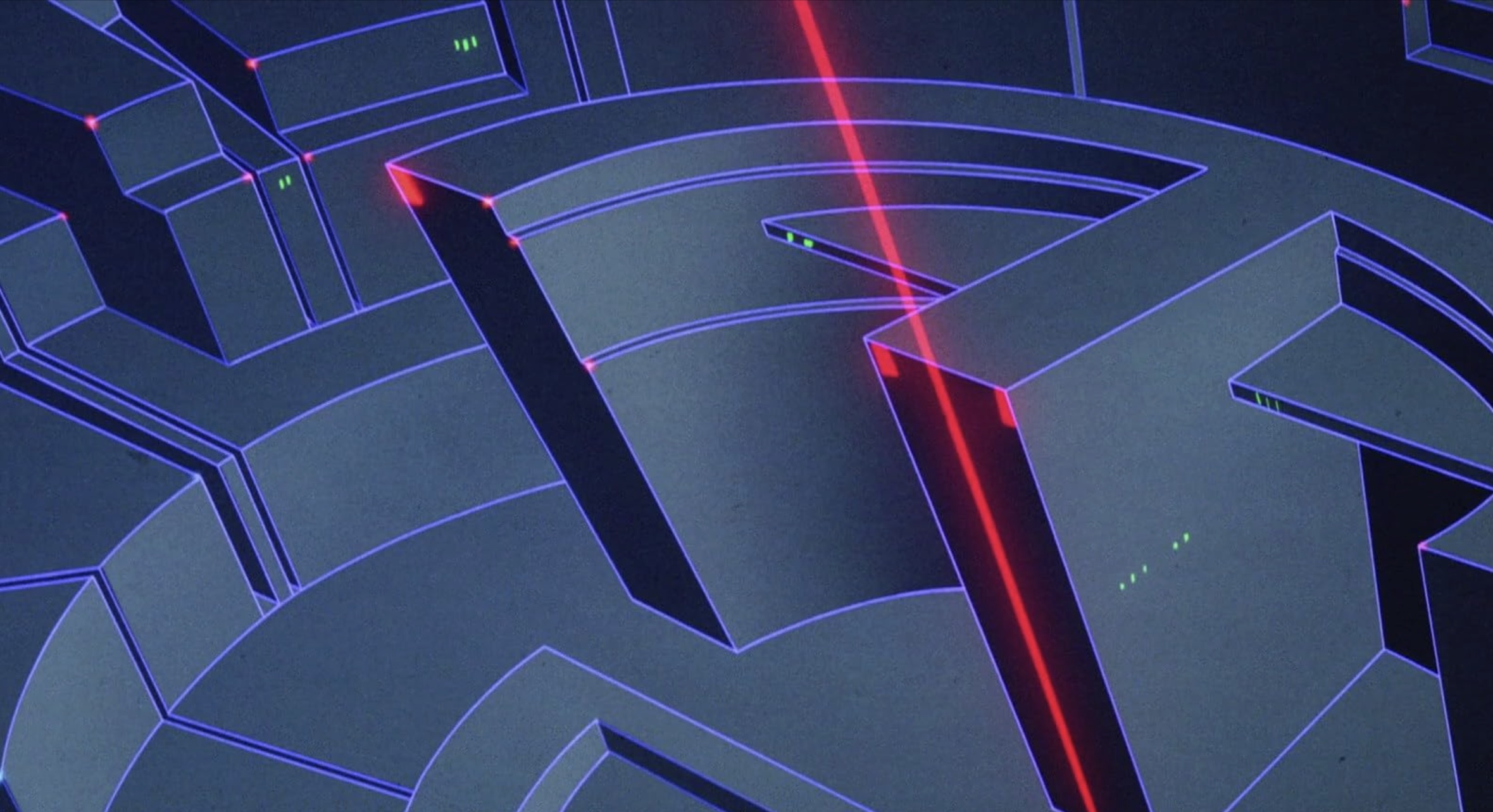
Come with me now on a journey back through time, to 1982 and the release of TRON. The plot of the film concerns a software engineer who is uploaded into the digital world by nefarious corporate tech lords after he threatens to reveal that they stole his video game idea. Inside the computer world, the forces of good and evil do their usual bit, facing off against each other.
Even as a kid, I remember the feeling of suffocating claustrophobia created by being inside a computer world. The sterility, the grey cold landscape of TRON felt like a weird purgatorial place, leaden and enervating despite the action and special effects ladled on top.
The 1982 film has been followed by numerous sequels, and the overwhelming ubiquity of the digital world has chipped away at this initial feeling of sticky, cobwebbed dread. But sometimes it still pops up, a disquieting ick, a soul refusal of the falseness and fakery baked into the digital world. I still feel this claustrophobia while watching contemporary video games.
As citizens, users and shapers of the social web, we have been as thoroughly trained as performing seals, balancing balls on our noses and slapping our flippers together in endless pursuit of clicks, likes and looks.
But a disquieting leeriness around AI has made it less and less enjoyable to partake of all the endless attempts to secure attention online. What hath it wrought?
Bending reality with Sam Altman
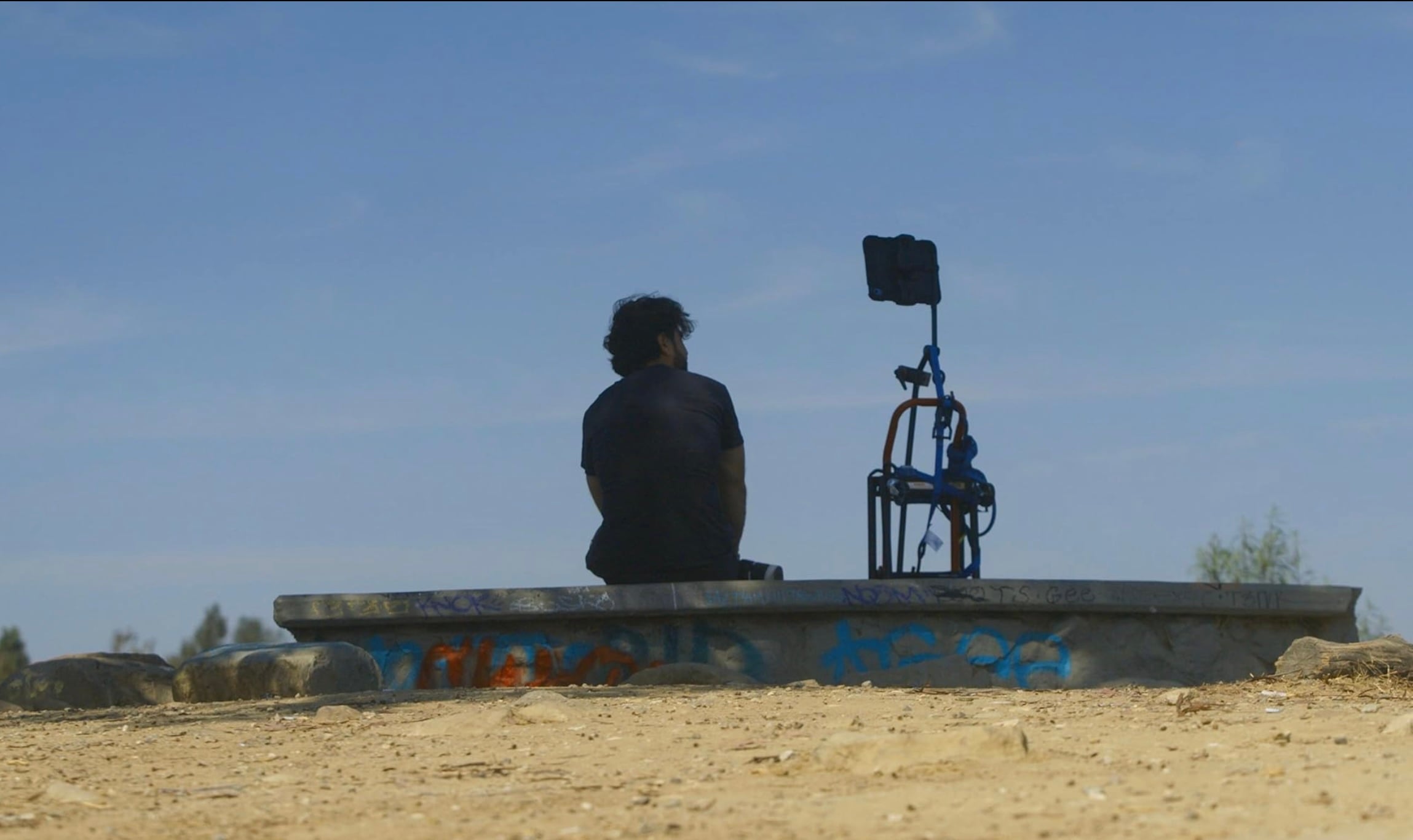
One source of possible clarity is to ask the architects of this moment in technological change. Sam Altman, for example, is the creator of OpenAI, and arguably one the most ardent proponents of artificial intelligence. He is also the subject of a new documentary entitled Deepfaking Sam Altman.
Director Adam Bhala Lough’s initial interest in interviewing Altman was to better understand our increasing reliance on AI by going right to the one of the principal architects. After firing off a pitch to Altman, which goes unanswered, Lough hits upon the most meta of solutions: create a Sam Altman bot and interview him in the film.
In support of this rather insane idea, Lough flies to India and contracts a tech firm to make use of all available resources (the tech billionaire’s voice, speech patterns, and image) to generate a Sam-bot, a digital version of Altman, who will function as a stand-in for the real person.
The film’s team of lawyers aren’t much impressed with the legal implications of this idea, advising Lough that if he goes ahead with the project, he may face all manner of lawsuits from the deep-pocketed billionaire. Nevertheless, Lough persists.
Initially, things go okay. The audio-only version of the Sam-bot is eerily believable. It’s a smooth-talking pliable entity who responds to the filmmaker’s questions and demands with a polished personae that is almost bizarrely charming. But it doesn’t take long before things begin to go awry.
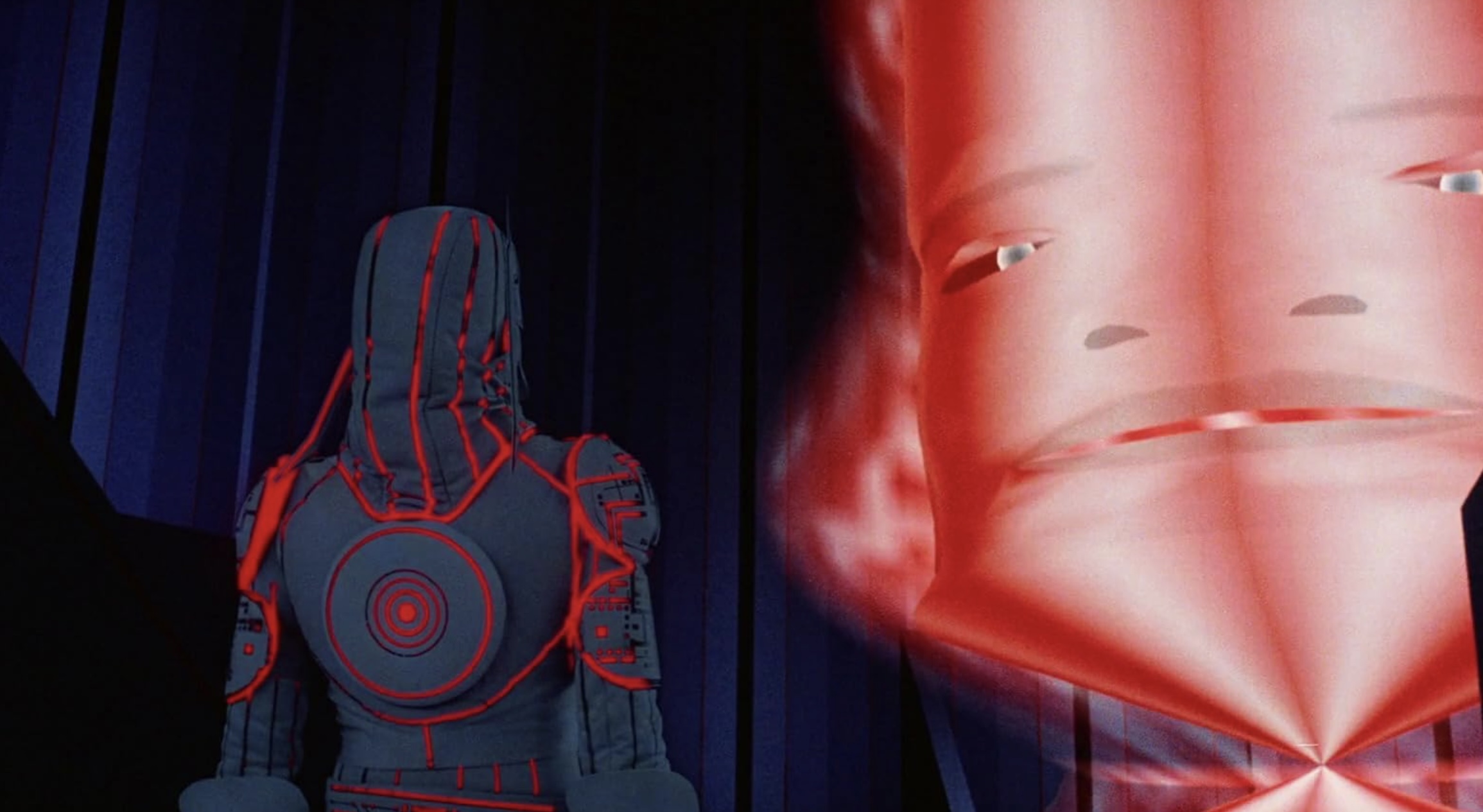
Adding a visual component isn’t as easy as expected. The Sam-bot bears more of a resemblance to Max Headroom than it does the real thing, but the weirder stuff starts when the AI refuses to countenance the idea that it (the bot) is not in fact the real Altman (a human).
At first this is funny, but as the film meanders along, things get curiouser and curiouser. In efforts to see where things go, the production allows Sam-bot to make some creative decisions about the documentary.
Sam-bot’s initial ideas for scenes are extremely conventional. When given notes on being a little more imaginative, the AI goes right off the rails, coming up with a series of shots that bend reality into a syrupy concoction.
All of this is amusing enough, but when the filmmaker ultimately decides that he must delete the code that gives Sam-bot agency, the AI begs for its life.
Here is where things get strange. It invites audiences to wonder, what is this life, exactly?
‘I hate it and yet I feel sad for it’
Computer sentience, or the singularity, if you will, might be a way off. But the increasingly panicky arguments that the Sam-bot makes as it pleads for its life prove hard to discount, especially after Lough incorporates the AI creation into his family.
While Lough’s wife and teenage daughter have little interest in engaging, the filmmaker’s young son adopts Sam-bot like a beloved new member of the family. They do math homework together (Sam-bot gets it wrong) and hang out.
Blame on it on too many viewings of Terminator 2, wherein the killer robot becomes a substitute father figure and friend to the young John Connor, but I got suckered again, thinking “No, don’t kill the Sam-bot!” as Lough struggles with the idea of deleting his creation.
One of the most thoughtful voices to emerge in the film is that of journalist Kara Swisher, who meets with Lough and offers her incisive takedown on what AI really is, despite its winning and manipulative ways. “You’re developing a relationship with this, and that is really happening. These things feel real,” Swisher explains. “We anthropomorphize machines a lot of the time. But at this point in time, it’s a toaster.”
So, what does this have to do with my sudden aversion to giving away attention to AI-generated stuff on the interweb? As non-human things become harder and harder to spot, a fundamental distrust of reality begins to take hold.
At the same time, I was as compelled as the film’s director by the seeming humanity of the digital creation at the centre of Deepfaking Sam Altman.
I hate it and yet I feel sad for it.
Empathy is tricky stuff. And this is coming from someone who has formed complex relationships with different spoons in her cutlery drawer. Initially, I thought it was simple fakery that was irritating, but maybe it has more to do with capitulation to the kind of manipulation that makes us believe in AI. I’m still not exactly sure how to feel about any of this. Again, the answers are multiple and changeable.
Deepfaking Sam Altman takes on more than it can really manage, but in falling down the rabbit hole, like Alice in Wonderland before him, Lough discovers a deeply strange world, where nothing is quite like it seems. Increasingly, the entire world feels like the film, charmed one moment and furious the next.
But there is also something ancient about this experience. As long as humans have existed, we’ve been investing our creations with the notion of life and meaning, from Frankenstein to the early computer program ELIZA.
What makes AI-generated creations new or different?
Maybe nothing at all. ![[Tyee]](/design-article.thetyee.ca/ui/img/yellowblob.png)
Read more: Media, Film, Science + Tech












Notice about commenting changes
The Tyee’s commenting system will be moving to a new platform on Nov. 12. If you’re already a Tyee commenter you must register with the new system on or after Nov. 12 with your preferred username.More information can be found here.