


 SHARE:
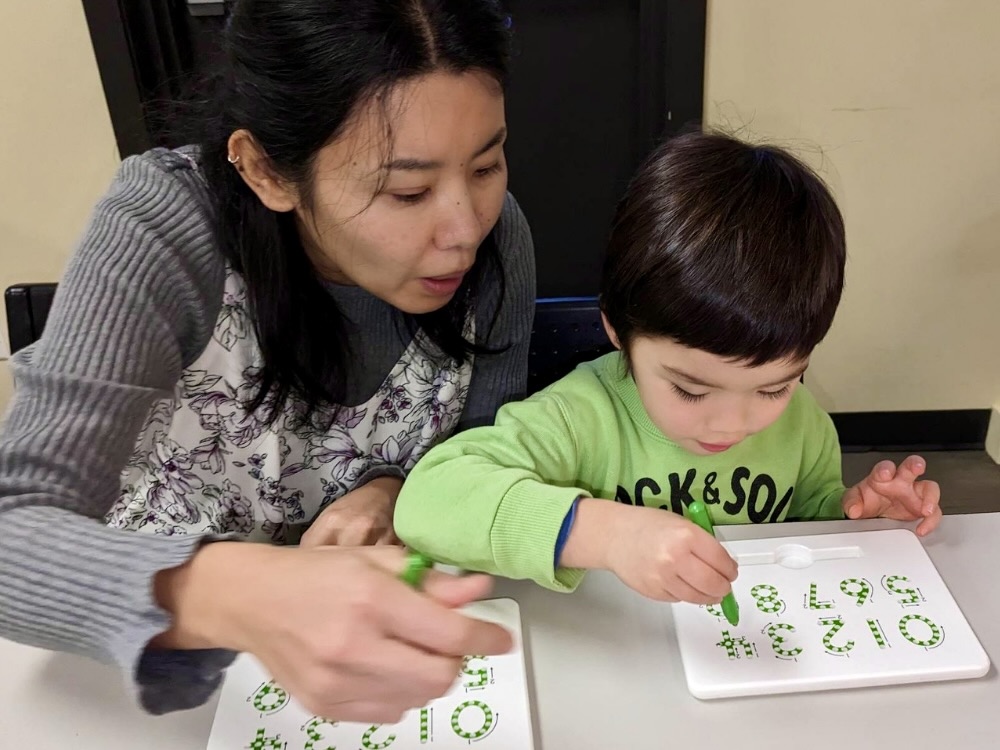
Almost half of British Columbians aged 16 to 65 do not have the literacy skills required to cope with everyday life. For more than a decade, Decoda Literacy Solutions has been working to change that.
Decoda Literacy Solutions is a non-profit organization that supports community-based literacy programs and initiatives across the province. Over 100 of Decoda’s literacy outreach coordinators work with 400 different communities in B.C.
While each program might be linked to Decoda Literacy Solutions, not all the programs look the same. Instead, their literacy outreach coordinators help to tailor the programs to what community members need most.
Maureen Kehler, Decoda’s acting executive director and program director, says that this person-centred approach is integral to helping individuals overcome obstacles that have stood in the way of employment, voting and other facets of daily life.
“We really want people to be part of our community and participate,” said Kehler. “If the reading part is the barrier, let’s figure that out together.”
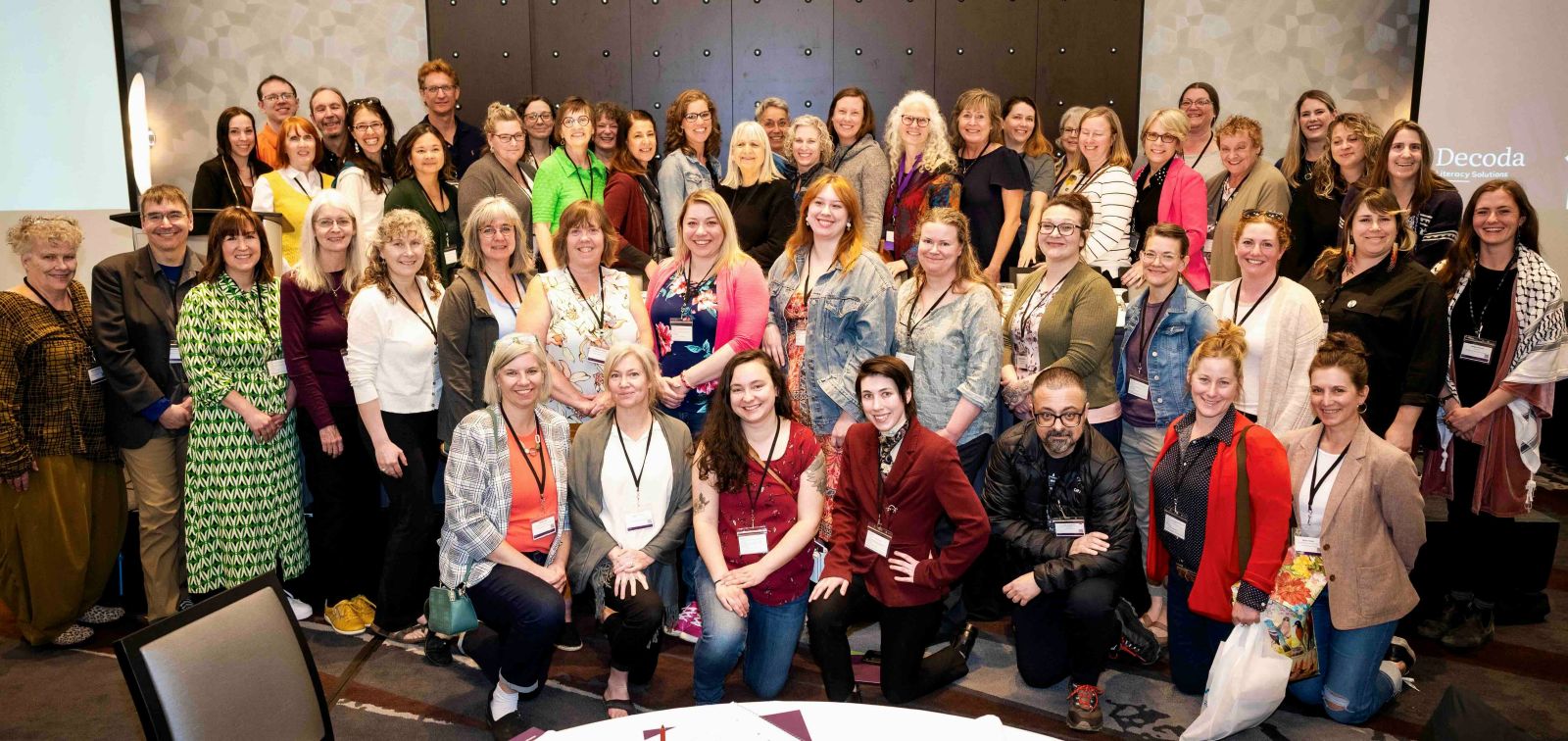
Nearly half of all British Columbians reading below the benchmark
Literacy is not limited to reading, writing and numeracy. UNESCO describes literacy as the ability to understand, interpret, create and communicate in an increasingly digital and fast-changing world.
This means the inclusion of digital literacy.
Digital literacy means people should be able to access, understand, communicate and create information safely and appropriately using technology. Kehler notes digital literacy can be as simple as being able to turn on a device, and as complicated as being able to spot misinformation and disinformation online.
Beyond digital literacy, Kehler also explained the importance of financial, health and civic literacy.
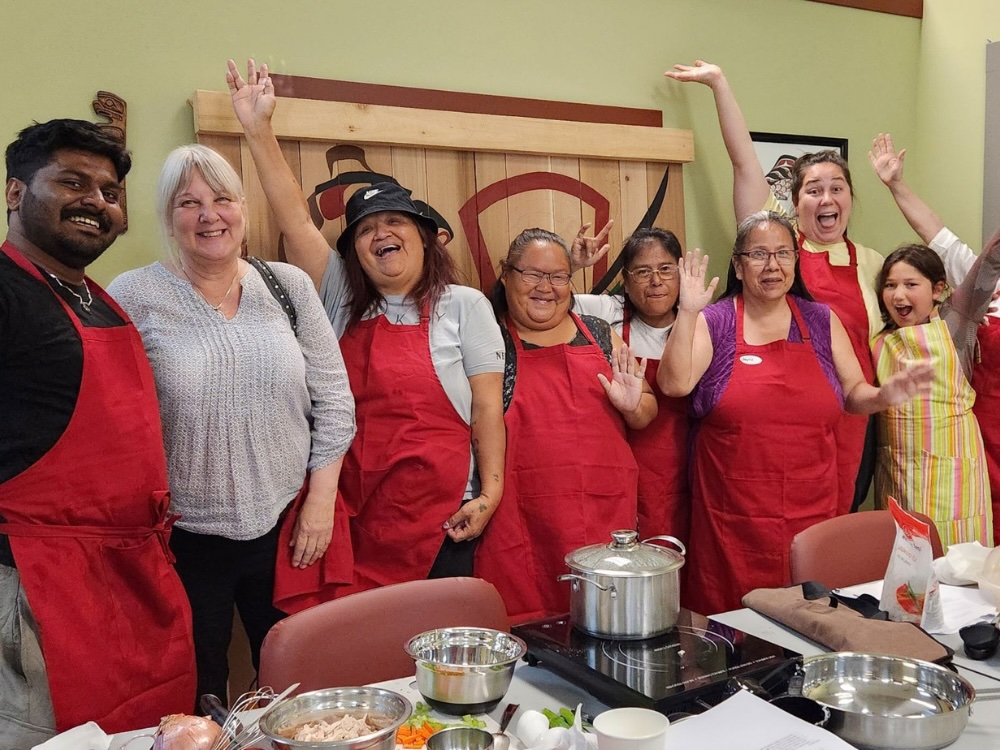
Taken together, all these forms of literacy empower people to engage meaningfully with the world around them.
Kehler describes literacy as a human right — without it, people are subject to a misunderstanding of their rights, as well as missed opportunities.
“You’re missing out on your rights and responsibilities because you can’t actually understand them,” she said.
In British Columbia, literacy is measured across six levels. People who are measured at Level 1 or below are considered to have very low literacy skills, while Level 4 and 5 are at the highest. Level 3 is the minimum required for coping with everyday life. The provincial government reported that 45.9 per cent of British Columbians are reading below that benchmark.
Reading below the benchmark doesn’t just impact individuals. A 2018 study by the Canada West Foundation found that by increasing the country’s workforce literacy skills by one per cent, there could be an increase over time of three per cent to the GDP, or $54 billion every year.
Kehler explained that low literacy skills don’t have one simple root cause. Some people might test lower because they were not offered the right amount of support while in school, she said, while others might be learning English after immigrating to Canada.
Whatever the reason, Decoda tailors its programming to suit all needs of people wanting to learn.
How Decoda builds literacy
To assist different community literacy needs, Decoda Literacy Solutions works with programs that offer a variety of activities and support.
Kehler explained that this can involve a range of supports in response to different needs, such as helping children not yet able to read at grade level through one-on-one tutoring, and helping seniors find their way around completing the government census.
The literacy programs also often partner with schools, libraries and other programs.
“We call this community literacy space the third system,” said Kehler. “It’s the one where it bridges people to, or helps support them in, where they want to go as far as their goal.”
Delivering literacy programs to people doesn’t mean setting up a class and expecting people to attend, she said, but adding what people need to a space that is already part of their life.
That is how one of the literacy programs on the Gulf Islands started. Coordinators in the area knew that the one thing that connected the kids was riding bicycles. Therefore, they decided that a club where they could learn how to maintain their bikes would be the most beneficial to the children and have the highest turnout.
As the club went on, it became more than just learning about bikes.
“What they realized is that kids were coming with their homework, and so they embedded literacy into that program,” explained Kehler. “It’s about meeting people where they’re at.”
Kehler also explained that not all the programs that work with Decoda Literacy Solutions are a formal group, and that people can come with their own needs in mind.
Kehler recalled a time when she was a literacy outreach coordinator, and a member of the community came to her because he needed help obtaining the skills to get a job as a bus driver.
“He came, and he said, ‘There’s a school bus driving job ready for me, but I cannot get through the professional driver’s manual because the words are technical. I know how to drive; it’s just this piece,’” she said. “So, we got him a tutor, and the curriculum was the driver’s manual.”
The man went on to obtain his driver’s license and landed the job.
The support that Decoda Literacy Solutions has offered has also positively impacted wider trends in communities. Since enhanced literacy programs were implemented in Powell River, for example, the high school graduation rate increased to 75 per cent.
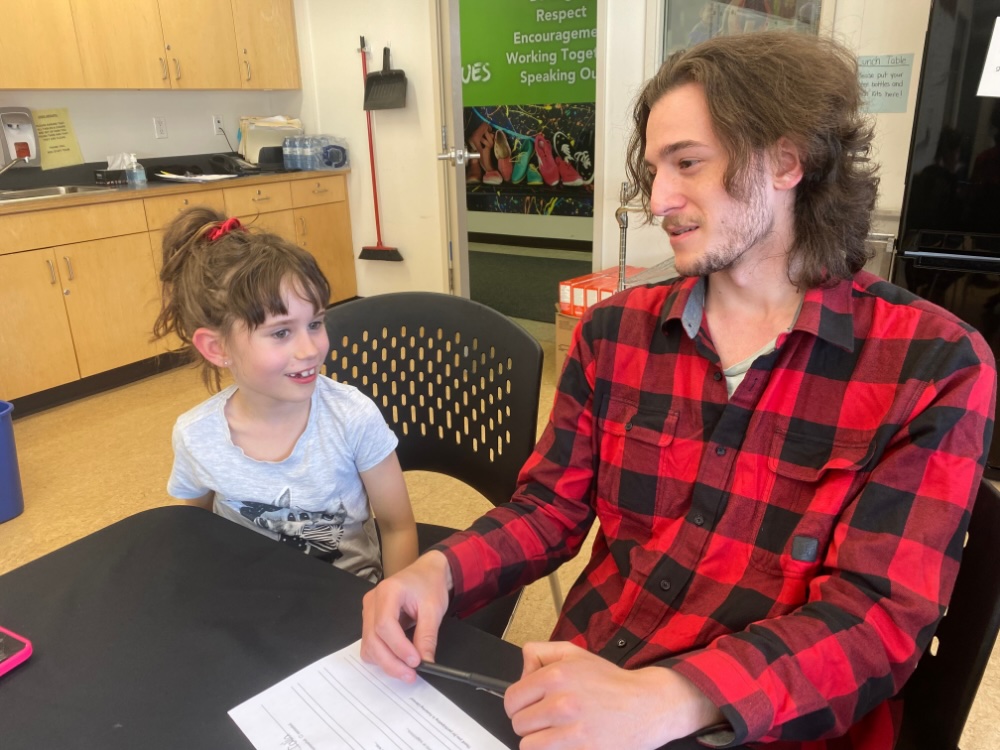
Kehler says that this is partially because of community literacy programs like family literacy, where parents and children read together.
“If we can get our kids reading by Grade 3, then they’re more likely to finish high school. They’re more likely to get a job. They’re more likely to continue their education,” Kehler said.
“That upstream is really important, and with family literacy, you’re helping the parents and caregivers help support their children.”
Building literacy takes community
While Decoda Literacy Solutions works to help people across the province participate more meaningfully with their communities, they also need more support.
Currently the organization relies on provincial funding and donations. But right now Decoda Literacy Solutions doesn’t have enough funding to confidently maintain their programming with their literacy outreach coordinators year to year, Kehler said.
This month is literacy month. Decoda is encouraging the public to help build literacy in British Columbia by donating to support its work.
Donations will help Decoda invest more into communities to offer more options for learning and stable programming.
“We want to be sustainable. We want people to recognize that they can be a part of this,” said Kehler. “And by being a part of this, it can be volunteering, but also giving money.”
There are many ways to support Decoda Literacy Solutions. Find ways to give online. ![[Tyee]](/design-article.thetyee.ca/ui/img/yellowblob.png)
This article is part of a Tyee Presents initiative. Tyee Presents is the special sponsored content section within The Tyee where we highlight contests, events and other initiatives that are put on either by us or by our select partners. The Tyee does not and cannot vouch for or endorse products advertised on The Tyee. We choose our partners carefully and consciously, to fit with The Tyee’s reputation as B.C.’s Home for News, Culture and Solutions. Learn more about Tyee Presents.










Tyee Commenting Guidelines
Please note that email notifications for replies are not currently working due to a software issue which may be resolved in a future update.
Comments that violate guidelines risk being deleted, and violations may result in a temporary or permanent user ban. Maintain the spirit of good conversation to stay in the discussion and be patient with moderators. Comments are reviewed regularly but not in real time.
Do:
Do not: