
 SHARE:

This province has a toxic drug problem. Since 2014, more than 20,000 people have died from drugs laced with the powerful opioid fentanyl, or other contaminants. To date, no government program has fully solved the crisis.
Enter the Drug User Liberation Front, better known as DULF. The organization provided a non-medicalized safer supply of drugs to users in Vancouver’s Downtown Eastside. DULF ran for more than a year before police shut it down and the founders, Jeremy Kalicum and Eris Nyx, found themselves in court.
What happened in their latest trial shocked Tyee health reporter Michelle Gamage.
“It felt like for the first time ever, someone with the authority to actually do something recognized the scope of this catastrophe, and reacted in a way that met the level of the crisis,” Gamage said.
Still, DULF’s fight isn’t over. This week on The Tyee Podcast, Gamage takes us inside the fight to save lives on the Downtown Eastside — and what happens when one local group took that fight into its own hands.
Note: Episode transcripts may contain errors. Always check the corresponding audio before quoting any part of the transcript.
Harrison Mooney:
I lost my first friend to the toxic drug crisis in 2016, the same year it was declared a public health emergency in British Columbia. He was just starting college, and he bought something to help him pull an all-night study session. But whatever he purchased turned out to be fentanyl, mostly.
I lost another friend in 2020. He bought cocaine. It turned out to be fentanyl, mostly. Everyone I know has a story like this. You probably do, too.
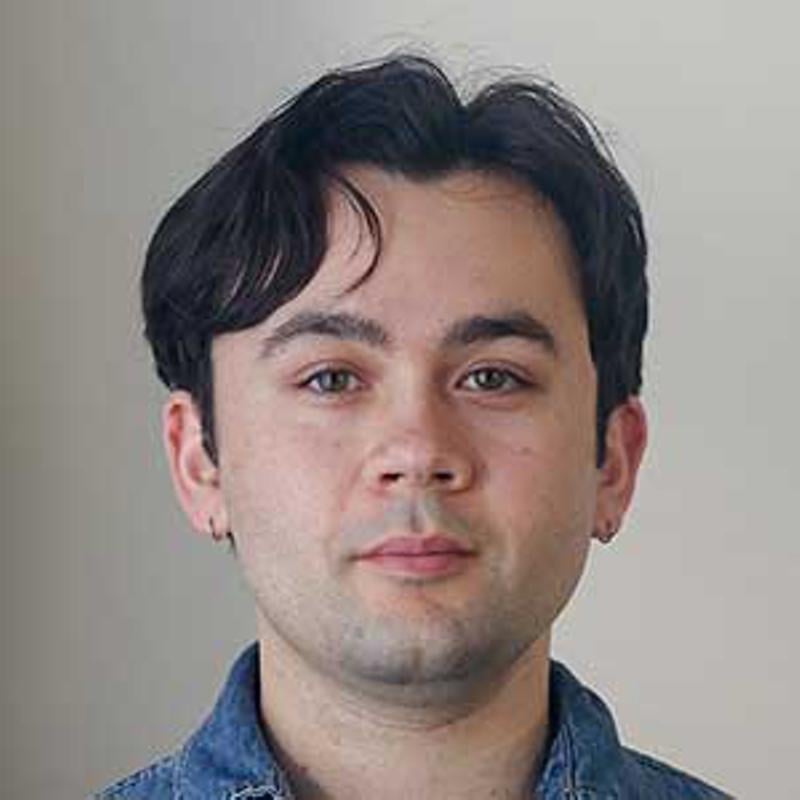
This is the Tyee podcast. Every week, we dive deeper into the stories shaping the West Coast. Because Canada needs more B.C.
I’m your host, Harrison Mooney. The toxic drug crisis is now in its 10th year — longer if you start counting when fentanyl entered the drug supply. So long as folks keep using drugs, this problem just won’t go away.
Unless, of course, somebody opened a store that sold drugs that weren’t poison? Has anyone tried that? Well, actually, yes. But they wound up in court.
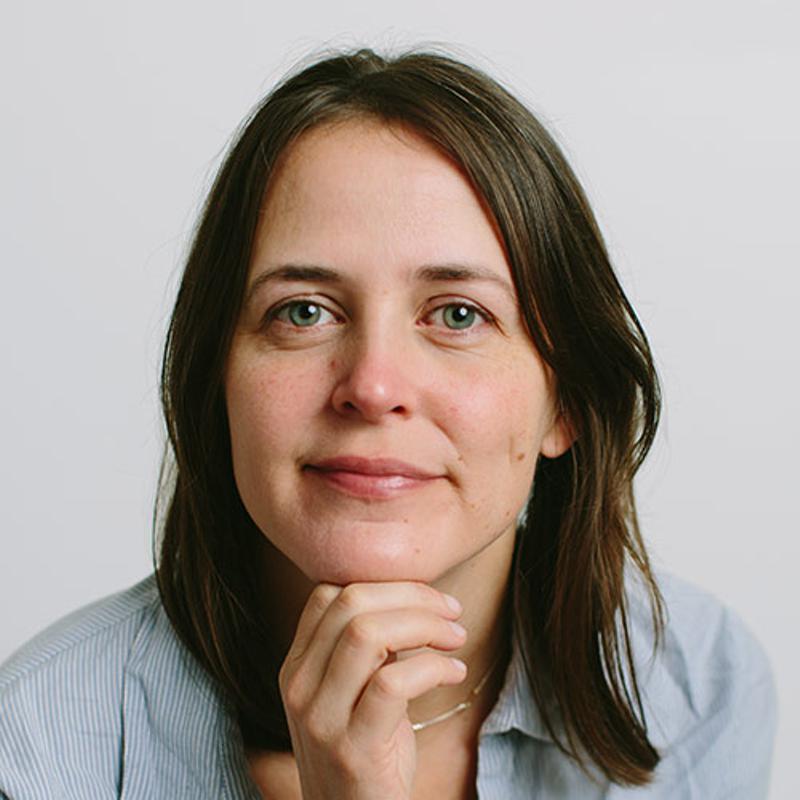
I’m talking, of course, about DULF. Michelle Gamage is the health reporter here at The Tyee. She’s been covering these issues for years.
This week, she’s here to tell us more about the toxic drug crisis, the government’s response, and what happened when the community tried to come up with a solution on their own.
Let's take take everybody back to there, back to, you know, when this all started, so to speak. Could you maybe? Explain how we found ourselves in a toxic drug crisis.
Michelle Gamage:
Yeah, so it's a crisis that I think we can say has really been going since 2014, and people were using unregulated drugs, which also get called street drugs, long before then. But they could use the drugs and not die right away. And then in 2014, the synthetic opioid fentanyl started being added to the supply. And fentanyl can be used medically for very short-term pain relief. So if you've ever had a colonoscopy, you've probably been medically given fentanyl. You you you're out for a bit, and then you pop it right back up about half hour later. But people who are adding it to the unregulated supply are not professionals, and fentanyl is incredibly more powerful or potent than things like morphine, so the problem when it started being added to the unregulated supply in 2014 is that people started overdosing, more or less, I think you could say accidentally. They would take the drugs that they normally would take, they would take the dose that they're familiar with, and then they would overdose. And when you overdose on opioids, you basically stop breathing, and then you can die from that. And so this this starts happening more and more. And I don't really know why fentanyl was added to the unregulated supply. Honestly, I think it would be amazing if someone who produces these unregulated drugs would ever want to talk to me. I would be very open to that. I just have so many questions for why, but we don't really know why fentanyl started being added to the supply, and people start overdosing and dying.
The BC coroner, who at the time was Lisa Lapointe she noticed that there had been three overdose fatalities from fentanyl, and she was like, "Oh, that's really interesting. I wonder why that is." And then the deaths just started climbing from there. And so, about two years later, in April 2016, the the province declared a public health emergency because more and more people were dying. And unfortunately, from there, over the past decade, deaths have just continued to climb, and the the supply has become more and more unpredictable. So there's not just fentanyl being added to it now. There's there's there's benzodiazepines. There's xylazine. There's like tranquilizers. There's all sorts of other drugs in it, so that people can't even buy things like heroin on the street anymore. They can buy what is known as down, which is a combination of probably opioids, maybe other things.
Harrison Mooney:
Kind of just a grab bag.
Michelle Gamage:
Kind of just a grab bag.yeah. I like to measure from the start of 2014 because that's when we started having people die, So going from the start of 2014, we've had 20,145 British Columbians die.
Harrison Mooney:
20,000.
Michelle Gamage:
And that's as up to August 2026. So we don't have data for September or October yet.
Harrison Mooney:
Okay, so it's more than that.
Michelle Gamage: 09:11] It's more than that, which is just an absolutely mind-numbing, mind-boggling, horrifying number. And then you can also measure from April 2016, which is unfortunately still catastrophic. It's 19,027 British Columbians killed, and I guess we're gonna talk a lot about numbers and fatalities and deaths in this podcast. And I always do kind of like to try and acknowledge, these are not numbers. These are people. These are neighbours. These are. I don't know. It it it feels so strange to try and be like these were people, but you know they had a favorite cereal. They had their favorite grocery store. They had TV series that they were planning on watching and never got around to. These are. Normal everyday people who are no longer here because of this unregulated supply.
Harrison Mooney:
Right, names, not numbers, but still, I mean, as numbers, that's a lot of numbers. Why? How hasn't this been fixed yet? What has the government tried to to fix this?
Michelle Gamage:
Yeah. So there's been a lot that I will say the government has done, a lot of different programs, but ultimately, people are still dying. People are still dying in catastrophic numbers. Deaths peaked in 2023, and they're they are down a bit now, which is good. We like less people dying, but thousands of people are still dying every year. So when we talk about what the government's done, I do like to still say they haven't done enough because if they had done enough, people wouldn't be dying.
Harrison Mooney:
Right. It's not that they haven't done anything, but it’s still happening.
Michelle Gamage:
Yeah. So a bunch of different things that the government has done. So people often hear about OAT or opioid agonist therapy. This is kind of the gold standard for opioid use disorder, and this it's it's basically a medication that you get from a doctor, which doesn't make you go into withdrawal. It doesn't give you euphoria. People describe it as kind of like feeling beige.
Harrison Mooney: 11:25] Feeling beige?
Michelle Gamage: 11:29] Yeah, just feeling beige. It's just like eh, yeah, like porridge or something. So OAT works amazing for some people, but people have very complicated reasons for using drugs. I think it's hard to categorize why everyone uses drugs, but something that I hear all the time is trauma, both both emotional and physical. And so, if you are trying to self medicate with drugs to treat your trauma, then feeling beige isn't always like a solution for thatThere's also a lot of reasons that people don't want to use OAT. For example, you have to go to a doctor and say, "I think I have a substance use disorder," and for example, like a parent, if they did that and try and reach help, access help in this way. They could lose their kids. It's so it's it works for some people. It's gold standard in treatment. It doesn't work for everyone. So the province has also worked on building more treatment and recovery. That's also great. However, opioid use disorder is a chronic relapsing disease, which means that it is categorized by people relapsing and using drugs again, so going through treatment, even if you want treatment, even if you want recovery, even if you're like I'm going to turn my life around, unfortunately, it's still likely that you will have to go through treatment multiple times, and treatment can be hugely expensive. So private treatment centers can cost $15,000 per month, and we don't actually know how well they work because the government doesn't require these treatment centers to give reports on how well they do. The government doesn't collect numbers on how well treatment works in the province. There's take-home naloxone, so I think people will be familiar with this. It's like this little black case, kind of looks like a pencil case. It's got a white cross on it
Harrison Mooney:
Yea, we had one of those in the glove box of my car. I had not idea what it was for a long time, but my wife is a nurse, so she carries it.
Michelle Gamage:
Yeah, so nurses can carry it, but also anyone can carry it. So naloxone is a medication which temporarily reverses an opioid overdose. So if you find someone and they are unconscious, it's recommended that you just inject them with naloxone. And recently, BC also started providing nasal spray naloxone too. So even if you're like, I don't know how to use needles, you can use that.And it's when someone is overdosing on opioids, it's kind of this like miracle drug. Just like immediately, you're out of the of the you're breathing again, you're alert, you're awake, so that can be great.
Harrison Mooney:
That’s provided you find the person, before they die from stop breathing
Michelle Gamage:
From not breathing, yeah, or sustained a brain injury from not breathing for an extended period of time, and yeah, the other great thing about naloxone is that if you and I just did naloxone right now, nothing would change, because-
Harrison Mooney:
Can we?
Michelle Gamage:
We could, but I don't think we should.
Harrison Mooney:
We probably, shouldn’t, Isaac’s right there.
Michelle Gamage:
But there's no risk in taking naloxone. It doesn't really interact with any other drugs other than blocking opioids. BC also ran a decriminalization pilot project for three years, so that one was from January 31, 2023 to January 31, 2026 this year, and for that one, people 18 and older were allowed to carry a combined total of two five grams of opioids, crack, powder, cocaine, meth, and ecstasy.
Harrison Mooney:
Is that a lot? I don’t do math.
Michelle Gamage:
If you don't do these drugs regularly, that is a lot. But if you do these drugs regularly, that's not necessarily a lot. So that was a lot of criticism from organizations that support people who use drugs when this came in, and the idea there was they wanted people to be able to access overdose prevention sites. They wanted people to be able to carry what was considered a personal amount and not really have to be criminalized. It was a pilot project. There was a lot of public pushback. There was a lot of confusion about how it worked, and so we got we got rid of it. So it's now illegal to carry unregulated drugs in BC.
Harrison Mooney:
Right. Okay. What about have they tried like just grabbing people and being like don't carry drugs, and then maybe if they and then throwing them in jail, have they tried that?
Michelle Gamage:
I think that's been more or less the go-to strategy for the entire war on drugs, which has been happening for all of our lifetimes.
Harrison Mooney:
Right, and it’s never been working. Never mind on that strategy.
Michelle Gamage:
It's never worked. It's never worked. And yeah, then there was overdose prevention sites, supervised consumption sites, which are the same thing. You can bring your own unregulated drugs there, and then have someone basically supervise you while you use drugs in front of them, so that if you overdose, someone can immediately respond, provide oxygen, provide naloxone if needed, call 911, and that yeah.
Harrison Mooney:
Right. Just in case the drugs you brought are poisonous, somebody's just standing there, like with their naloxone, ready to jab you. Right, and that doesn't seem super efficient. Like, what if there was a way, Michelle, to give people drugs that you knew for a fact were not poison?
Michelle Gamage:
Ah, well, what a what a what a what a lead-in. What a segue.
Harrison Mooney:
What a segue to act two of this podcast.
Michelle Gamage:
So yes, that that brings us to one of the final things that the government did, which was bring in safer supply program. This is also called prescribed alternatives, and what the government did was bring in what is known as a medical version of safer supply or a medical model of safer supply, where very similar to OAT, you go to a doctor. You're like, hey, I use drugs. I use street drugs, and I would like a pharmaceutical alternative. I would like a prescription to replace the street drugs that I am using. And so the province introduced that, and this program has only reached a tiny, tiny, tiny, tiny, tiny, tiny fraction of the people who use drugs in BC, mainly because it's very controlled. You have to go to a pharmacist. You have to take the drugs in front of a pharmacist. You have to find a doctor. You have to declare that you use drugs to a doctor.
Harrison Mooney:
Your doctor has to be cool.
Michelle Gamage:
And also doing drugs at a pharmacy multiple times a day. So if you, for example, work a job that is outside of pharmacy hours, or if you work across town away from the pharmacy that gives you these drugs, if you don't live in a town close to a pharmacy, if you, for whatever reason, are banned from a pharmacy, all of this becomes completely unobtainable.
Harrison Mooney:
Okay, so you you can get safer supply from a doctor if you have a cool doctor and a cool relationship with your cool doctor. Can you also just get it on the street? Are people selling safer supply?
Michelle Gamage:
Yeah, so I'm actually really glad that you brought this up because there is a lot of misinformation around safer supply. So the fear with safer supply was if you give people who use drugs these pharmaceutical alternatives, the and this is largely we're talking about hydromorphone, which is sold as dilaudid. It's a it's a very powerful opioid, and then the fear is if you give people who use drugs hydromorphone, then they're just going to turn around and sell the drugs on the street, and then they're going to use that money to buy street drugs.
Harrison Mooney:
Why would they do that? Doesn't make any sense. But continue. I'm sorry, I didn't mean to interrupt you. That just seems so stupid. Continue.
Michelle Gamage:
Well, it is. It there there is some sense behind it because people who use drugs were complaining that what they could be prescribed through the Safer Supply program didn't meet their needs. So either they were still going into withdrawal or they weren't able to medicate the way that they needed to. So people weren't people who were being prescribed these drugs weren't really happy with them or very impressed with them. However, it was very hard for someone in the safer supply program to turn around and sell these drugs. Mainly, they were very closely monitored. To be part of this program, you had to do a urine test, which checked that the drugs were in fact in your system. A little for a little bit before, but definitely now, you had to be supervised by a pharmacist when you got these drugs, so it's not like you could just turn up and say, "Oh, I definitely took them." They had ways to know, or they had seen you take them, and yeah, the urine test I think is pretty pretty bomb-proof. And then, but the fear was, you know, people whose drugs are bad, they're. Taking advantage of the system, they're selling these drugs. These drugs are called safer, and therefore, kids, was the big concern, are going to start using these drugs because they're like these drugs are safe. It's fun to use. It's all okay, Which you know we don't want children getting addicted to drugs.
Harrison Mooney:
Kids, don't do drugs.
Michelle Gamage:
Exactly. Let's let's let's acknowledge. I think for a second that there is concern there, but is the concern actually based on reality at all? At all? No. So numbers that have come out since all the kind of hubbub around safer supply in 2023, the Vancouver Police Department said Dilaudid, which is this hydromorphone, made up 0.3 percent of all of the drugs it had seized that year, which is a tiny, tiny fraction. And that 0.3 percent, they never actually checked if these were pharmaceutical dilaudid pills or if they were knockoffs. The other thing is that going to December 2024, 3 per cent of all of the Dilaudid that was prescribed in BC was for safer supply. The other 97 was just for pain, because Dilaudid is an incredible painkiller. So cancer pain, post-surgical pain, broken leg pain. All these people are described are prescribed dilaudid for that, and none of those guys had to take P tests. None of them had to take the medication in front of a pharmacist. So if we are worried about 0.3% of all the drugs seized by the VPD being Dilaudid. That dilaudid likely came from people who were prescribed for pain, not safer supply.
Michelle Gamage:
So these are all of the problems with the medical model of safer supply, which brings us to a non-medical model of safer supply. Or DULF.
Harrison Mooney:
Can you tell me, Michelle, about some of the people on the downtown east side trying to make a change in their own way?
Michelle Gamage:
Yeah. So let's introduce Eris Nyx and Jeremy Kalicum-
Harrison Mooney:
Yes, lets.
Michelle Gamage:
-who are the co-founders of DULF. They met in 2020, and they very much bonded on this shared idea that people shouldn't die because they use drugs, and they very much organized around that and ended up forming the Drug User Liberation Front.
Harrison Mooney:
It’s an acronym! That makes sense, I thought it was just a cool word to say.
Michelle Gamage:
Well, it is a cool word. It is a cool. Yeah, yeah. It's an acronym, and yeah, DULF had a couple different iterations, but ultimately it ended up as a non-medical safer supply model, which we also call a compassion club. But going back to Jeremy and Eris for a second, Jeremy is a how do I describe both of them? Jeremy is a very a nice boy.
Harrison Mooney:
[Laughs] Okay, all right, I'm with you so far.
Michelle Gamage:
He he's the person that you expect to find volunteering in a library. He's very he's very friendly. He's very outgoing. Wears like tidy button up shirts. Just applied for med school. He’s like what I think most people would define as like straight and narrow, and it's such a funny partnership because Eris is this punk like through and through. She's a community organizer. She's a musician. She organizes musicians in the downtown east side. She pushes for change. She's just this big community activist who is fierce and dresses with this really crazy, funky style that she's
They came together and formed the Drug User Liberation Front, and when they started, they were trying to figure out ways that they could provide essentially regulated drugs in this unregulated market.. They started buying unregulated drugs, testing them, and then handing them out for free at different protests.
Harrison Mooney
Oh, for free though. I mean, that's because you're not drug dealing; you're drug giving.
Michelle Gamage:
Yeah, drug giving, and just trying to raise awareness that it was very much the unregulated supply, the toxic supply, that was behind poisoning everyone and killing everyone in their communities.
Harrison Mooney:
Okay, I feel like that. I mean, that sounds like something that I personally would be for, but also the sort of thing that you would get arrested for. Can you tell me what happened?
Michelle Gamage:
Sure. So they decided to form DULF and they wanted to form, and they wanted to form a Compassion club, and they tried to do it. I think as by the book as was possible to do when saying, "Hey, we want to buy illegal drugs and then sell illegal drugs."
Harrison Mooney:
But we're not drug dealers. This is a Compassion Club.
Michelle Gamage:
This is a Compassion Club. So they went out and spoke to all three levels of government, saying, "Hey, this is what we want to do." They spoke with the Vancouver City Hall and got kind of tacit support. They went to the Vancouver Police, and the police were like, "Okay, we see what you're doing. You're small fry. Please go away. We have other things to deal with."
Harrison Mooney:
They told the police what they were doing.
Michelle Gamage:
They went to the police and told them exactly what they were doing.
Harrison Mooney:
That's gutsy.
Michelle Gamage:
They went to the province, and so the province, through Vancouver Coastal Health, said, "We see what you're doing. We see the benefit of it." And so they actually provided them funding so that they could test the drugs, that they could package the drugs, store the drugs. They gave them a storefront in the downtown east side that they could kind of operate out of, and they gave them funding to have an overdose prevention site there as well. But ultimately, drug law is federal, so they went to Health Canada as well and said, "Can we have permission? To do do this, and for that they requested what's known as a Section 56 exemption from the Controlled Drugs and Substances Act, which is a thing that should allow the health minister to say, in extraordinary cases, I can give permission for people to break drug laws. And so they applied for that in the summer of 2021, and in July 2022, Health Canada came back and said, "No, you can't." So they had kind of tacit support from municipal level, financial support from the provincial level, and then no support from the federal level. And so with that, they said, "All right, we're gonna go ahead and do this anyway because once again, 1000s of people are dying, and these provincial programs that exist mean that 1000s of people are still dying. It's not enough.
Harrison Mooney:
It's very punk. I like that. Just to get that big no at the end and be like, fuck it, we ball. Like, let's go. We're doing it anyway.
Michelle Gamage:
It is punk. It's also, it's just a kind of a reaction of desperation. So, Eris lived in the or lives in the downtown east side, and this is a neighborhood in Vancouver that just got hit catastrophically hard by this crisis. And so, when she was in court, she spoke about how she has responded to about 100 overdoses. And responding to an overdose can mean giving naloxone, giving emergency breathing, giving CPR, and just waiting for help to show up, knowing that the person might already be dead, knowing that maybe you can't do enough, and this can be a friend, this can be a loved one, this can be a neighbor, this can be someone you don't know but who is passed out on your doorstep. the the the the trauma that this neighborhood and that Eris and Jeremy were going through at this time. I think really cannot be understated. This was something that I think would break any of us, and they were living it every day. And so yes, it was fuck it, we ball, but it was also we're going to we're going to break unjust laws. Yeah, because drug laws exist allegedly for keeping people safe from drugs, and those same drug laws were allowing 1000s of people to die.
Harrison Mooney:
Yeah, I mean, I think that makes sense. Like, if you if you live on the front lines of the toxic drug crisis, and you're trying to do something to help your community and to help your friends, and then you just run into like bureaucratic red tape. Like, no, I'm not. I'm not dealing with that. Like, you know, you guys are over there. This is happening here. We're gonna do something about it.
Michelle Gamage:
In summer of 2022, they started their Compassion Club, which ran a non-medical, safer supply model. So they had about 47 Compassion Club members, who had previous drug use experience, who were adults, and who could come to DULF, so like they lived in the area or the the city, and the DULF was buying methamphetamine, cocaine, and heroin, testing them to make sure that it was purely that drug and also how strong it was, and then packaging it and selling it at cost to Compassion Club members. So DULF isn't making any money on these sales.
Michelle Gamage:
And while they're running their compassion club, they are also kind of checking in with the compassion club members and with themselves. Is this working? Are we actually helping people? So they ran a couple studies while DULF was operating, just trying to see how if people if people overdosed less, if people had fewer interactions with police, if people were able to access hospital more, and really just kind of seeing if what they were doing was helping these 47 Compassion Club members that their lives were actually improving.
Harrison Mooney:
Right. So they're also keeping data on the efficacy of their plan here.
Michelle Gamage
And working with pretty high-level researchers in BC to do this, and their studies found, yeah, they were helping people, which is really cool.
Harrison Mooney:
DULF’s compassion club was working, and providing valuable insight into one way to address what was happening on the Downtown Eastside. But in the background, winds were changing.
And drastic changes were coming for Jeremy and Eris. That’s after the break.
Michelle Gamage:
Unfortunately, DULF ended in October 2023
Harrison Mooney:
Amicably?
Michelle Gamage:
No. It ended because the political winds in BC very much shifted against people who use drugs. The NDP pulled their support, and then the police moved in and arrested and raided DULF and arrested Jeremy and Eris.
Harrison Mooney:
What happened there? How did they shift, and why?
Michelle Gamage:
So a couple different things. So remember the misinformation we talked about about safer supply. Yes. So that was really circling. So people were like, safer supply. Maybe it's not good. Maybe it's bad. Maybe it's hurting kids. We don't like that.
Harrison Mooney:
They're giving it to the children.
Michelle Gamage:
Exactly. We were also running the decriminalization pilot project at that time, so that decrim had been going for about a year, and I think people were kind of expecting the crisis to be solved by it. Maybe. Yeah, it was. So 2023 was the most deadly year for overdose deaths. 2591 British Columbians were killed in a single year.
Harrison Mooney:
Just fixed overnight, but you said that was in 2023, right? And wasn't that also the year that that overdose deaths kind of spiked?
Michelle Gamage:
Yeah, it was. So 2023 was the most deadly year for overdose deaths. 2,591 British Columbians were killed in a single year.
Harrison Mooney:
Right. So just on its face, I'm sure you could look at that number and then the decrim project, and say, well, it's not working.
Michelle Gamage:
Exactly, it's not working. We're a lot closer to the pandemic at that time. I think people are just compassion fatigued. They're exhausted. We're all traumatized, and people want things to be fixed. They're not willing to have this slow-moving healthcare. We got to be there for when people need us. Strategy anymore, and the then we have politicians kind of like clock this, and they're like, oh, there's power to be earned by digging into this.
Harrison Mooney:
Well, yeah, and if everybody's worried about public safety, and you stoke a little bit of fear over that, then you get to ride in as the the "I'll keep you safe" candidate. Yeah.
Michelle Gamage:
Yeah. And I should clarify here. So federal or provincial money never went to buying drugs. DULF fundraised and got money to buy the drugs. The provincial money was going towards drug checking, having the storefront, running the overdose prevention site. But you know, provincial money went to DULF. Politicians got angry about it, and the the public was kind of exhausted by the crisis, and were like, "What's happening?" And so, when that happened, the NDP folded. They just they they they pulled out. They pulled back. They abandoned DULF.
Michelle Gamage:
The police move in. They they raid DULF They find all of these drugs. They arrest Jeremy and Eris, and they're each charged with three counts of trafficking for methamphetamine, heroin, and cocaine. And this is unfortunately a pretty open and close case, because they were.
Harrison Mooney:
Yeah, they told everyone what they were doing.
Michelle Gamage:
They told everyone what they were doing. They told journalists what they were doing. There's so many different features on DULF and yes, in that they're like, yes, we are breaking the law. We are buying and selling drugs, but we have a good reason for it.
Michelle Gamage:
So now, now we're in the court stage. So there's two different main court cases that DULF is kind of going through right now. The the first one that they launched is what is known as a judicial review, and so this one is when they they go I guess to the government and they say hey “That time when Health Canada rejected our request to buy and sell drugs we think they made an unfair decision based on all the evidence that was kind of before them at the time.”
Harrison Mooney:
Right, we acknowledge that we weren't allowed, but we should have been allowed.
Michelle Gamage:
We should have been allowed based on how many people were dying, based on how you know compassion clubs can can help people. Like you should have said yes, or you should have given us a more fair shot at it. So that court case has wrapped up, but the the decision hasn't come down yet, so we're still waiting on that
Harrison Mooney:
What about the other one?
Michelle Gamage:
The other one. So that’s the criminal trial, and that one was. So the criminal trial three counts of trafficking.
Michelle Gamage:
The judge found them guilty of that.
Michelle Gamage:
The really interesting, I think, part of the case was when they were found guilty. So they were found guilty in October 2025, and when they were found guilty, they launched what's known as a constitutional challenge. So in Canada, if you are found guilty of a law, you can turn around and challenge the constitutionality of that law. So Charter of Rights and Freedoms, right to life, right to liberty, right to be treated equally under the law. Those are all the Charter of Rights and Freedoms.
Harrison Mooney:
Right. Okay. So what was their challenge?
Michelle Gamage:
So their challenge was that trafficking laws, which is what they were charged under, were preventing this non-medical safer supply model from happening, and by doing that, was violating the right to life and security of the person for their compassion club members, and violating their right to liberty, and then also violating section 15 of the charter, which is the right to be treated equally under the law, because these were people with disabilities, these were people who were using drugs, and they were not being treated equally.
Harrison Mooney:
Right. So again, the argument is we should have been allowed.
Michelle Gamage:
Basically, Yeah,
Harrison Mooney:
Because yeah, I mean, what they're doing is helping people, and no one else is helping these people. Okay.
Michelle Gamage:
No one. Unfortunately, no one. And yeah, the the other big thing that they argued is that the Section 56 exemption under Health Canada, which would have allowed them to be able to buy and sell drugs, they argued that that exemption isn't practically available. So basically, yeah, it exists in writing, but literally no one ever can actually be given that exemption. Therefore, it doesn't exist. And there's this thing where drug laws in Canada are allowed to be super strict because there's this exemption. It's kind of called like a release valve, and if that release valve isn't practically available, then these drug laws are too strict and they violate people's rights.
Harrison Mooney:
Okay. Well, how did all of this go then?
Michelle Gamage:
So that's that's the very exciting thing. That's why we are talking here today, because for the first time ever
Harrison Mooney:
Ever?
Michelle Gamage:
Ever, a judge looked at all of the evidence-
Harrison Mooney:
And?
Michelle Gamage:
was like, "You're absolutely right."
Harrison Mooney:
[screams] No way.
Michelle Gamage:
So yeah, the Catherine or Justice Catherine Murray is the judge that made this ruling. She'd been hearing the criminal trial and the constitutional challenge, and when she gave her ruling, about 50 people packed into the courtroom, and she was in and out in like 10 minutes. It was a super quick delivery, and every single person cried.
Michelle Gamage:
It was it was just this huge emotional moment because it felt like for the first time someone with this crazy amount of power was like, yeah, I see what you're doing. I see why you were doing it. Just because these drug laws exist isn't a reason to not do what you were doing.
Michelle Gamage:
It felt like for the first time ever, someone with the authority to actually do something recognized the scope of this crisis, of this catastrophe, and reacted in a way that met the level of the crisis.
Harrison Mooney:
Yeah, and I mean the laws clearly aren't working, so maybe this approach has some merit.
Michelle Gamage:
Yeah, yeah, yeah. Like the basically what she came out of the court case and said was non-medicalized safer supply is urgently needed to save lives, and therefore we need a way to be able to have non-medicalized safer supply. And so there's lots of nuance that she came up with with you know Section 56 exemption has to be practically available. The the. There needs to be more done, just so non-medicalized safer supply can can work. But she saw it, she got it, and she got it. And she actually spoke directly to Eris and Jeremy. And I think this is also what made a lot of people cry. But just to read a quote from her, "You selflessly put yourselves to the side for this cause, and that is something most people wouldn't do. For that, I applaud you. You should be very proud of yourselves.”
Harrison Mooney:
Wow. Now, do you want to cry?
Michelle Gamage:
No, but I hope someone's crying because that's that's incredible.
And so she she she took it about as far as a judge can take it. So she says that trafficking laws gotta go. They're not working. They are prohibiting safer supply, not medicalized safer supply, and that's a problem. So she's given the federal government six months to basically rewrite drug laws so that they are in line with the Charter of Rights and Freedoms, so that essentially non-medicalized safer supply can happen. She also said that the government needs to rework how people can access Section 56 exemptions, and yeah, a six-month timeline is quite short. Often there's at least 12 months, so really recognizing the urgency of this crisis, and what this all means. Oh yeah, and of course she stayed the charges against Jeremy and Eris, so they got to walk. Now the other update,
Harrison Mooney:
Yes?
Michelle Gamage:
Is that the crown has appealed.
Harrison Mooney:
Oh.
Michelle Gamage:
So we're going to the appeal court. This is not over.
Harrison Mooney:
That's deeply uncool, honestly. The crown. Yeah, I mean, especially after the case they made it, it seems like you know, if if after you know this many years of the toxic drug crisis, we're still just arresting people for providing drugs that aren't poisonous. Like, what are we doing? But now we're going to go back and appeal that and say, no, actually, they are criminals. Like, we're we're still just going to go after these guys.
Michelle Gamage:
Yeah, yeah, it's it's a bit mind-boggling, and I I think like my toxic trait these days is that I'm constantly just calculating how many British Columbians have been killed since the government did something. So, since Health Canada denied DULF's request to be able to run a compassion club in the summer of in July 2022 is when they said no. So from August 2022 to August 2026, we've had 8,826 British Columbians killed.
Harrison Mooney:
Man. Well, um.
Michelle Gamage:
But we're appealing.
Harrison Mooney:
But we're appealing. Yeah.
Michelle Gamage:
We're going back to the courts because that's what makes the most sense in this moment because, I guess, I don’t know
Harrison Mooney:
Right. So yeah, I mean, you know, it's funny. I guess my my next question was going to be like, well, like, should we pack this all up and head down to DULF right now? Say hi to everybody because they're still running the store. Like, but it's it's not there, is it? What does any of this mean for the downtown east side for the toxic drug crisis? You know, is there, you know, I mean, there's a big win here for for Jeremy and Eris, but the the crisis just continues. Did we get anything out of this as as a community?
Michelle Gamage:
Well, I think it's hugely precedent-setting. There is a judge who made a radical decision that recognizes the level of this crisis and that drug laws are not helping.
Harrison Mooney:
Right. Somebody saw the sense in this argument.
Michelle Gamage:
Yeah. And even though it's going to the appeal court, that judge has made that ruling. What happens to the appeal court? Who knows? I'll be there to kind of watch it and see how it all unfolds. But I honestly can't predict from here. I have no idea. But this this is a huge win, and depending on how this case goes, it's very possible that it's going to be easier In the future, for compassion clubs to operate, for small projects wanting to do something similar to DULF to get permission under the Controlled Drugs and Substances Act to do that, it's
Harrison Mooney:
For drug users to access drugs that aren't poison. I mean that seems like a pretty big deal.
Michelle Gamage:
It's a huge deal. It's a huge deal. It sucks that the government has appealed and that this is just going to continue dragging on the courts while thousands more people die unnecessarily. But we have a court ruling.
Harrison Mooney:
We have a court ruling. We have some movement.
Harrison Mooney:
When is the next court case? When are you? When are you back in court? When when will we get another update on this this ongoing saga?
Michelle Gamage:
No dates have been set yet. I'm sorry, but I'll be posting about it on BlueSky when when there are updates. I'll be there reporting.
Harison Mooney:
Michelle Gamage is a reporter here at the Tyee, and you can find more of her reporting at thetyee.ca. That’s T-H-E-T-Y-E-E Dot C-A. Did you enjoy today’s episode? Let us know by sending an email or voice note to [email protected]
The Tyee is a nonprofit reader- and listener-funded journalism organization, made possible thanks to the support of our Tyee Builders. That could be you, listener. Head over to support.thetyee.ca to sign up, so we can keep publishing journalism in the public interest. That's support.thetyee.ca. If you want to advertise on this podcast, we have a team that wants to hear from you. You can email them at adsales at the tyee dot ca.
Today's episode was hosted by me, Harrison Mooney, and produced by Isaac Phan Nay. It was engineered by Bespoke Podcasts. Our music is by Brian Binnema. Join us again in two weeks.





Tyee Commenting Guidelines
Please note that email notifications for replies are not currently working due to a software issue which may be resolved in a future update.
Comments that violate guidelines risk being deleted, and violations may result in a temporary or permanent user ban. Maintain the spirit of good conversation to stay in the discussion and be patient with moderators. Comments are reviewed regularly but not in real time.
Do:
Do not: