


 SHARE:
When governments propose bold solutions to challenges such as housing affordability, climate change, health care, public transportation or economic inequality, one question almost always follows: How will we pay for it?
But what if that question begins with the wrong assumptions?
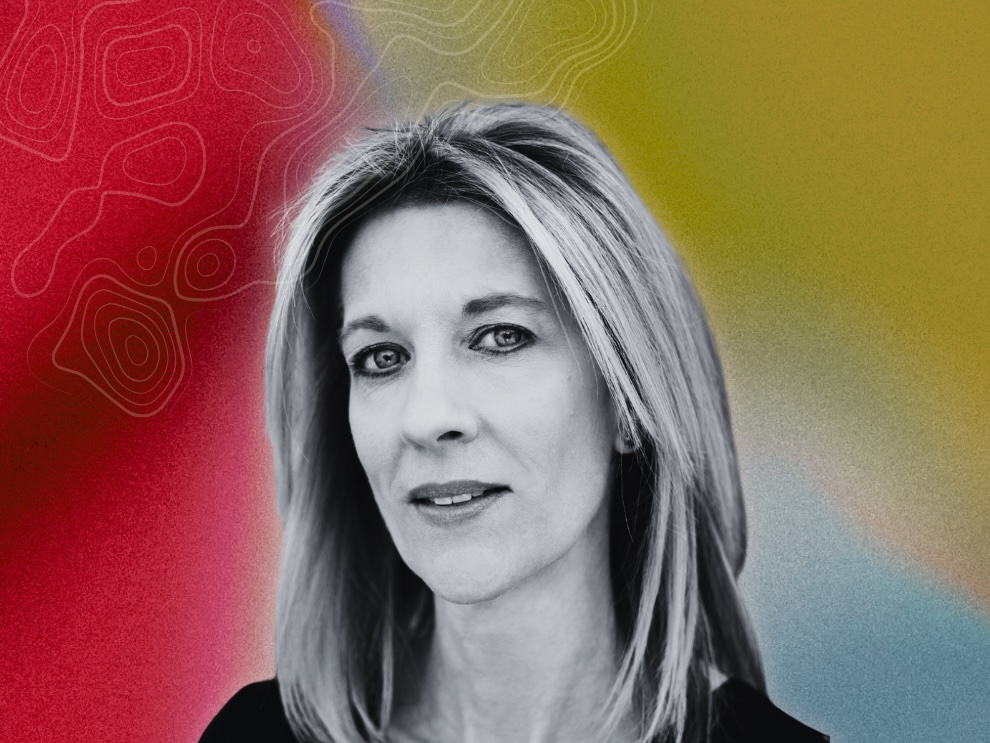
On Sept. 24, internationally renowned economist and bestselling author Stephanie Kelton will join us at the Vancouver Playhouse for “The Economics of What’s Possible.”
Kelton is one of the world’s leading voices on modern monetary theory, an approach to economics that challenges conventional thinking about government spending, public debt and deficits. Her bestselling book, The Deficit Myth: Modern Monetary Theory and the Birth of the People’s Economy, examines how familiar stories about money can limit public policy and narrow our collective imagination.
In an intimate, fireside-style conversation, Kelton will unpack the stories we tell about money, scarcity and government budgets. She will explore how these narratives influence the decisions governments make, the priorities societies pursue and the futures people believe are financially possible.
The conversation will extend beyond economics alone. What happens when assumptions embedded in our economic systems are determining our social priorities? How might our choices change if we understood public resources differently? And what new possibilities could emerge if we reconsidered the way we think about what governments can and cannot afford?
The evening will include a moderated audience Q&A, so come ready to question your own assumptions about what's possible and put them to Kelton directly.
This Bruce and Lis Welch Community Dialogue takes place Sept. 24 from 7 to 8:30 p.m. at the Vancouver Playhouse and is the third offering in “When the Map Is Useless: Conversations for a World in Transition,” a multi-year series convening Simon Fraser University and the wider community to strengthen public sense-making and civic discourse during a period of profound social, political and ecological change.
Light refreshments and a cash bar will be available when doors open at 6 p.m.
Tickets are $19.99 for general admission and $9.99 for students and seniors and if you buy two or more tickets you’ll enjoy 50 per cent off. The discount will automatically be applied at checkout. Reserve your seat now for “The Economics of What’s Possible”! ![[Tyee]](/design-article.thetyee.ca/ui/img/yellowblob.png)
Read more: Education
This article is part of a Tyee Presents initiative. Tyee Presents is the special sponsored content section within The Tyee where we highlight contests, events and other initiatives that are put on either by us or by our select partners. The Tyee does not and cannot vouch for or endorse products advertised on The Tyee. We choose our partners carefully and consciously, to fit with The Tyee’s reputation as B.C.’s Home for News, Culture and Solutions. Learn more about Tyee Presents.
Tyee Commenting Guidelines
Please note that email notifications for replies are not currently working due to a software issue which may be resolved in a future update.
Comments that violate guidelines risk being deleted, and violations may result in a temporary or permanent user ban. Maintain the spirit of good conversation to stay in the discussion and be patient with moderators. Comments are reviewed regularly but not in real time.
Do:
Do not: