
 SHARE:

The BC NDP and Conservative Party of BC platforms are light on promised solutions to address the ongoing unregulated toxic drug crisis, aiming policy instead at street disorder.
Fentanyl started being added to the unregulated drug supply in 2014, causing overdose fatalities to spike. The province declared a public health emergency in 2016. That public health emergency continues to be in force. Unregulated drug deaths have surpassed 20,000 in B.C. since early 2014, according to the BC Coroners Service.
The BC Greens are calling for the province to expand access to harm reduction strategies, such as safer supply, decriminalization and overdose prevention sites, while introducing regulations for the treatment industry.
At the same time the party says it will invest in housing, mental health services, voluntary care and community-based outpatient substance use and treatment services.
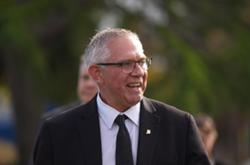
Ultimately the province needs to come to grips with the reasons people use unregulated drugs, which can be intergenerational violence, trauma, chronic injury and disease, and struggles due to inequality, Geoff Meggs, former Vancouver city councillor and chief of staff to former NDP premier John Horgan, told The Tyee.
“Until we recognize that and recognize how hard it is to stop them once they start, we’re not going to make any headway,” Meggs said. Illicit drugs are causing a staggering amount of suffering and death, while enormously benefiting organized crime, he added.
The NDP and Conservative platforms fall way short of adequately addressing the crisis, Meggs said.
The Tyee sent media requests to the NDP and Conservatives, but no one was made available.
The NDP’s platform addresses drug use and street disorder in three different press releases: promising a $90-million investment to bring involuntary care to a correctional facility in Oliver; doubling its Repeat Violent Offending Intervention initiative to address street disorder; and investing in indoor places for unhoused people to hang out during the day in Vancouver’s Downtown Eastside.
Both the NDP and Conservatives say they will hire 50 new Crown prosecutors.
The Conservatives are similarly light on policy, addressing the crisis in two press releases: promising to rework B.C. laws to detain drug users or unhoused people and force them into treatment or “care,” and hiring 750 more police and RCMP officers to address street disorder and extortion.
Both parties are pitching a bit of an “out of sight, out of mind” strategy, which isn’t cheap and is rarely successful, Meggs said.
It’s already difficult to access voluntary care in B.C. and even can be difficult to get someone committed involuntarily because of capacity issues, he added.
Involuntary care under the NDP
The NDP plans to address street disorder by providing involuntary services for people who are struggling with the three concurrent disorders of addiction, mental illness and brain injury.
Dr. Daniel Vigo, the province’s chief scientific adviser for psychiatry, toxic drugs and concurrent disorders, previously told The Tyee there are a “few hundred” British Columbians who have these three concurrent disorders.
Vigo said these patients can be detained under the province’s Mental Health Act.
People can be detained under the Mental Health Act if they are in a state of impairment that makes them unable to interact with the environment or seek care, thereby putting themselves or others at risk. They can also be detained if they are at risk of deteriorating if they leave care.
The act does not apply to people just because they use drugs, even if they use dangerous street drugs, Vigo told The Tyee.
Being held involuntarily under the Mental Health Act sometimes gets referred to as involuntary care or involuntary detention, but it is distinct from treatment.
If someone is detained under the Mental Health Act, they still have the right to accept or decline treatment.
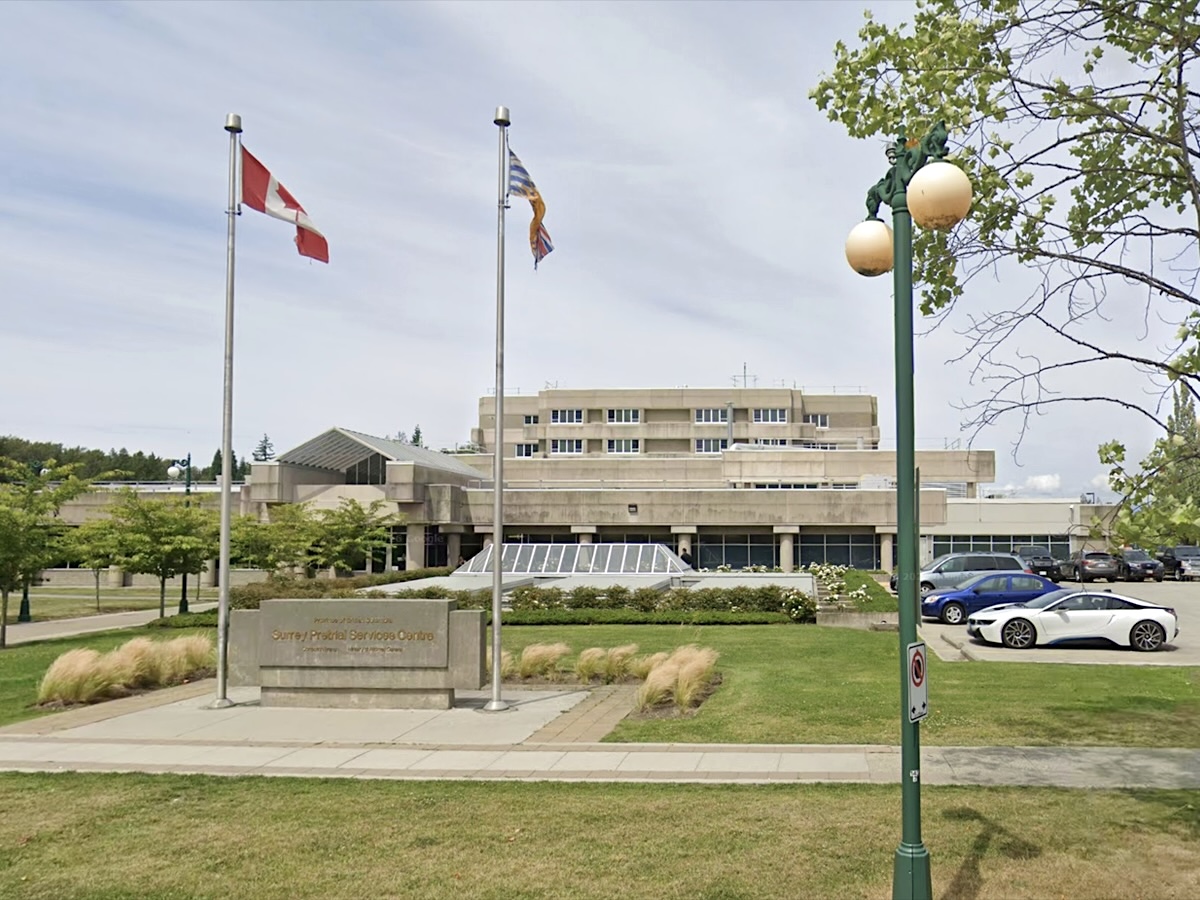
Over the last two years, the NDP opened two involuntary care facilities — 10 beds at the Surrey Pretrial Services Centre and 18 beds at Spiritwood Homes in Maple Ridge — and pledged to open 132 more beds at two new facilities by 2028.
If re-elected, the party says, it will invest $90 million to build an involuntary care facility at the Okanagan Correctional Centre in Oliver.
Mandatory treatment under the Conservatives
The Conservatives say they will amend the Mental Health Act so police can put people in “mandatory treatment” and introduce “compassionate intervention” so people with “severe addiction, mental illness or brain injury” are “taken off the street and into care.”
Words like “compassionate” are resonating with the public because they see people sleeping on the street and want to help, Meggs said.
But to help someone so they can live a healthy and full life, the underlying reason for substance use needs to be addressed, “and it’s hard to do that on a compulsory basis,” he added.
People with substance use disorder regularly relapse, even after successfully completing treatment, and the reasons people use drugs are tied to socio-economic issues such as employment, housing and job skills, he said.
“Mandatory treatment may be part of the picture for some people, but it’s not a panacea,” Meggs said. “It’s not clear why someone on the street would be subjected to mandatory treatment and what the basis would be for them to be arrested and detained.”
It’s also not clear how the Conservatives’ promised 750 additional police officers would help address the overdose crisis.
“Most responsible policing leaders have said you can’t arrest your way out of this crisis,” Meggs said, adding that he is optimistic police leaders still agree a harm reduction approach is needed to respond to the crisis.
At the same time, Meggs said, more needs to be done to go after the gangs and higher-level drug dealers who are enormously profiting from the unregulated drug trade.
As an example he pointed to the 2024 Falkland drug bust, which was one of the biggest-ever drug busts in the country. Two years later, only one man has been charged with drug trafficking and firearms-related charges.
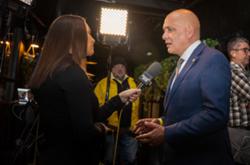
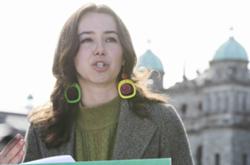
Lisa Lapointe, Green Party candidate for Saanich South, told The Tyee the government should undercut the unregulated market by allowing access to regulated pharmaceutical alternatives through a safer supply model. Lapointe previously worked as B.C.’s chief coroner for 13 years before retiring in 2024.
“Let’s stop funding the multitrillion-dollar illicit drug industry and move people to pharmaceutical alternatives,” she said, adding this can stabilize people’s lives and help them connect with health and mental health supports and housing, and even reconnect with family.
Meggs told The Tyee creating a regulated market doesn’t always fully shut down the unregulated market. He pointed to cannabis as an example. According to the Canadian Cannabis Survey 2024, 72 per cent of people who use cannabis said they got it from a legal source, 15 per cent said they got it from a friend, and three per cent said they still buy it illegally.
Harm reduction under the Greens
The Greens are pitching a comprehensive harm reduction strategy.
They also say the treatment industry needs to be regulated.
The evidence shows harm reduction saves lives and helps get people connected to health-care services, Lapointe said.
But there is limited evidence about how effective treatment programs are, because the province doesn’t have treatment standards or collect data on outcomes, Lapointe said. She wants to change that.
Private for-profit treatment centres can charge families $15,000 a month, and “we have no idea what the success rate is for that type of treatment, or even how success is defined,” she said.
Families are taking out loans and mortgaging their homes to try to pay for treatment for their loved ones, she added.
Meggs said regulations for the treatment industry are “long overdue” but added there is currently “very little public support” for harm reduction services in the province.
Ultimately the government needs to tackle the underlying reasons people use drugs, Lapointe said.
The Green Party is proposing that the provincial Medical Services Plan cover six visits to a mental health practitioner annually, that mental health be integrated as a fourth option when calling 911, and that funding be expanded for the Crisis Response, Community Led program as an alternative to having police respond to mental health crisis situations.
“The way we treat people who are living with chronic physical or mental health challenges, and, frankly, in poverty, breaks my heart,” she said. 
Read more: Health, BC Election 2026, BC Politics






Tyee Commenting Guidelines
Please note that email notifications for replies are not currently working due to a software issue which may be resolved in a future update.
Comments that violate guidelines risk being deleted, and violations may result in a temporary or permanent user ban. Maintain the spirit of good conversation to stay in the discussion and be patient with moderators. Comments are reviewed regularly but not in real time.
Do:
Do not: