


 SHARE:
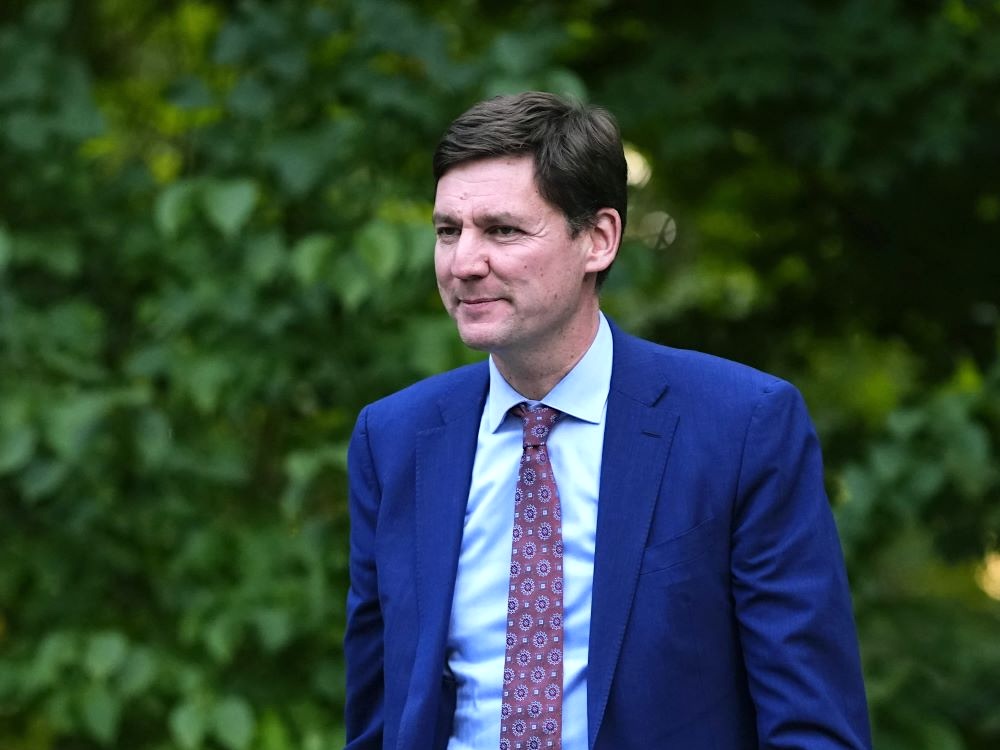
Premier David Eby’s illogical pivot away from the campaign promises that mattered most to British Columbians — who only narrowly renewed his mandate — may explain his plummeting popularity.
Four months after the 2024 provincial election, the BC NDP began to memory-hole its own election platform. Key platform planks gathered dust, as Eby insisted that this was a necessary response to a new post-election reality in which U.S. President Donald Trump had threatened both Canadian economic prosperity and sovereignty.
“What we had was an election campaign that was focused on a completely different set of issues than navigating the Trump presidency,” Eby explained on This Is VANCOLOUR in June. “Priorities changed really quickly.”
For British Columbians, however, priorities did not change.
On the eve of the provincial election, the Angus Reid Institute identified the top three issues for B.C. voters: health care, cost of living and housing affordability. Nearly a year later, those issues remain the top three priorities, with Trump and U.S. trade tariffs ranking far behind at No. 10.
Yet the most glaringly untouched promises from the BC NDP’s election platform are precisely the ones that align with British Columbians’ most urgent priorities.
The cost-of-living promise
The BC NDP’s marquee campaign promise was the “grocery rebate”: an immediate $1,000 cheque for most families (or $500 for most individuals) to help address cost-of-living challenges, specifically the cost of groceries. After the first year, the rebate would have become an income tax cut.
It was a promise that disappeared faster than a free doughnut at the B.C. legislature cafeteria.
In a bizarre turn, Premier Eby reneged on his promise to help British Columbians with the cost of groceries in February, then, by September, blamed immigrants for filling up food banks.
(The BC NDP did deliver on eliminating the consumer carbon tax.)
More broadly, since forming government in 2017, the NDP’s boldest pledge to reduce costs for families was its child-care plan. First promised under Premier John Horgan, the NDP remains committed to delivering universal $10-a-day child care by 2028.
Under Horgan, the province was hailed as a “national leader in child care.” But under Eby, British Columbia now has the most expensive child care in the country. The reversal stems from flatlined public funding, rising costs and surging demand that the province failed to meet. In fact, this year’s budget neither increased funding for the program nor mentioned any funding for more child care in schools, as promised.
Adding costs to parents in need is the Ministry of Education’s decision to scrap the Student and Family Affordability Fund, which provided funds to help vulnerable students pay for school expenses, like supplies and class trips.
(On the education file, the NDP has also, so far, shrugged off its promises to put an education assistant in every classroom and a mental health counsellor in every public school.)
The health-care promise
Some of the largest sidelined BC NDP promises from the 2024 election campaign, however, focus on health care: hospital towers in Nanaimo and Langley; a catheterization lab for cardiac care in Nanaimo; and funding for an addictions treatment centre for construction workers, who comprise a fifth of illicit drug deaths.
Also absent from the province’s ledger is the $75-million election promise of loan forgiveness for health-care workers in order to incentivize nurses and doctors to work in underserved rural areas of the province. Meanwhile, Interior Health and Northern Health continue to buckle under some of the province’s worst staffing shortages, leading to nearly 200 rural emergency room closures in the two health regions between January and mid-April this year.
The housing promise
Even on the housing file, where the BC NDP has, at least in part, implemented many of its policy promises, construction of non-market, supportive and Indigenous housing has lagged behind the government’s promised targets.
One transformative BC NDP election promise was an annual $1.29-billion financing plan for up to 25,000 first-time homebuyers for five years. This pledged a provincewide expansion of the Attainable Housing Initiative, unveiled for strata leasehold homes at the Heather Lands in Vancouver, where the province financed 40 per cent of a home’s purchase price for middle-income, first-time homebuyers.
There has been no indication of when this innovative home-ownership model — promising 125,000 homes for middle-class families over five years — will begin to materialize.
Can Eby meet the moment?
In justifying his government’s new priorities, Eby brandishes the province’s finances and bleak economic outlook in the context of the Trump presidency. But that argument implies that a fiscal crisis blindsided British Columbia shortly after the election. In reality, his government was well aware of pre-existing budgetary pressures and a sluggish economy.
While the looming spectre of Trump tariffs threatened to unsettle the global economic order, the province’s fiscal footing was already weakening as the NDP unfurled its election platform in October 2024.
Prior to the election, British Columbia had its credit rating downgraded three times in three years. Additionally, the province’s own Economic Forecast Council anticipated low economic growth.
The province had also confirmed a $5-billion budget deficit for the 2023-24 fiscal year while (at the time) projecting a $7.9-billion budget deficit for the following year.
Yet nothing in this pre-Trump economic reality prevented the premier from making the big-ticket election promises to address the cost-of-living, health-care and housing affordability crises.
This is why Eby’s excuse for ditching his still-warm promises to address B.C.’s top issues — on the claim that the province’s priorities have changed — rests on a false premise and flimsy logic. British Columbians’ policy priorities did not shift, and Eby made his campaign promises fully aware of the province’s bleak economic conditions and worsening fiscal imbalances.
As 76 per cent of British Columbians express fatigue with hearing about Trump while Canada’s own challenges, like housing and health care, need addressing, Eby’s stalled election promises increasingly land more like a betrayal.
It should be no surprise then that Eby’s approval rating dropped to its lowest level since he assumed the big office in November 2022. In just the last six months alone, his approval rating plummeted from 53 per cent to 41 per cent. If an election were held today, the Conservative Party of BC — itself in disarray — would form a majority government.
The NDP weathered a rough summer of controversy: BC Ferries contracts with Chinese shipbuilders, the delayed reinstatement of drug funding for Charleigh Pollock, debates over Indigenous title.
Yet, just like Trump, none of those issues altered the top priorities of British Columbians.
Heading into the fall legislative session, the NDP government led by Eby must refocus on their promises if they are to turn the tide on their sinking popularity. They have an entire election platform to address British Columbia’s top priorities with just three years — at most — to deliver it.
Otherwise, Eby will be remembered not for standing up to Trump, but for abandoning the promises that mattered most to British Columbians. ![[Tyee]](/design-article.thetyee.ca/ui/img/yellowblob.png)
Read more: BC Politics









Tyee Commenting Guidelines
Please note that email notifications for replies are not currently working due to a software issue which may be resolved in a future update.
Comments that violate guidelines risk being deleted, and violations may result in a temporary or permanent user ban. Maintain the spirit of good conversation to stay in the discussion and be patient with moderators. Comments are reviewed regularly but not in real time.
Do:
Do not: