


 SHARE:
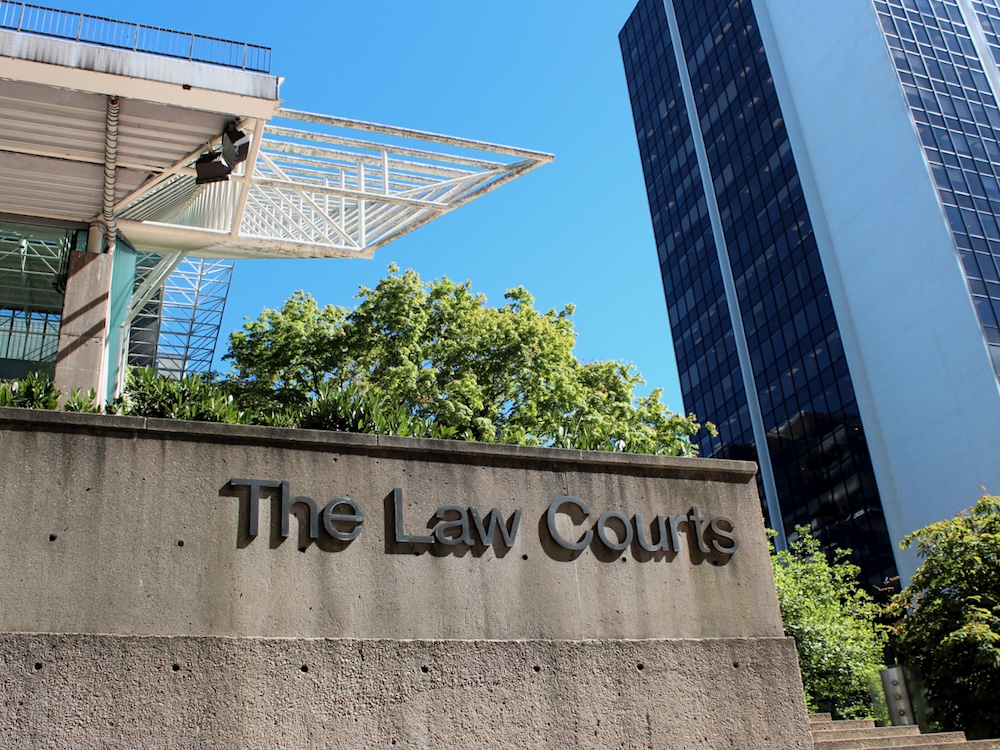
The provincial Mental Health Act was unconstitutional when it gave near-total power to a mental health facility to provide treatment for involuntary patients, a B.C. Supreme Court judge ruled Thursday.
The judge gave the province six months to amend the legislation so it is in line with the Charter of Rights and Freedoms. If the government does not act during that time, the old laws will essentially expire and no longer be in effect.
This ruling came down after a 10-year-long court case. The Council of Canadians with Disabilities, which filed the lawsuit, argued B.C.’s deemed consent was unconstitutional.
“Deemed consent” refers to how anyone with involuntary status under the Mental Health Act was considered to have consented to all forms of psychiatric treatment. In December 2025 the province amended its mental health legislation, which deleted the bit about deemed consent.
At the time, the province said it didn’t need the deemed-consent laws to provide involuntary mental health treatment, Kevin Love, a lawyer with the Community Legal Assistance Society and one of the lawyers for the Council of Canadians with Disabilities, told The Tyee.
In her ruling, Justice Lauren Blake said B.C. actually deleted its authority for health-care facilities to provide treatment for involuntary patients. She said forcing treatment on involuntary patients was unconstitutional, violating Section 7 and Section 15 of the Charter of Rights and Freedoms.
Section 7 of the Charter prohibits the state from depriving people of their rights to life, liberty and security of the person, and Section 15 says all people must be treated equally and have equal protection and benefit from the law.
“This is a monumental victory for everyone who has experienced treatment under this health-care regime and it validates that people don’t lose their rights the moment they enter the health-care system,” Love said.
This court case and ruling do not affect how people can be admitted to involuntary care under the Mental Health Act or challenge the need for this care.
Instead, it focused on forced psychiatric treatment regardless of a patient’s consent, Love said.
In all other areas of health care, when a patient is incapable of making decisions about their treatment, a trusted friend, family member or legal representative will get to step in and decide for them, he said.
The Mental Health Act instead gave that authority to the director of a mental health facility.
“Our approach in B.C. took a sledgehammer and eviscerated everyone’s rights,” Love said.
In her ruling, Blake said eliminating involuntary patients’ rights made the province an outlier in Canada.
No other province or territory has no statutory requirements or framework to assess an involuntary patient’s capacity to make decisions about their treatment, gives the head of a facility the ability to consent to treatment against a patient’s will, and has no independent oversight that checks the doctor’s diagnosis that a patient is incapable of making decisions about their own care, she said.
Just because someone qualifies for involuntary status under the Mental Health Act does not mean they are incapable of making decisions about their care, Blake said.
To be admitted to involuntary detention under the Mental Health Act, a patient must have a mental disorder; must require treatment at a designated facility; must require care to prevent them from getting worse, endangering themselves or others; and cannot be admitted voluntarily.
Between 2005 and 2006, 8,892 patients were admitted to involuntary care under the Mental Health Act. By 2023-24, that number had risen to 16,569 patients admitted to involuntary care, she said.
For those patients to be able to consent to treatment, they have to understand information relevant to their health condition and recommended treatment, understand the risks and benefits of their choices, understand their health condition and the consequences of related choices, and have the ability to express a choice, she said.
Voluntary treatment is best
The 14 experts who testified in the case agreed that having someone voluntarily participate in their treatment provides better results than forcing it on them, Love said.
And all experts except one agreed that some people detained involuntarily have the capacity to make treatment decisions based on what treatment worked for them in the past and what side-effects they experienced, he said.
The experts also agreed that the “vast majority” of people involuntarily detained do not refuse treatment and actually want to participate in their treatment decisions.
Even for patients who initially refuse treatment, the experts concurred that patients eventually agree to treatment once a doctor has taken the time to engage with them, explain what is going on and build a trusting doctor-patient relationship, Love said.
In her decision, Blake noted how Dr. Daniel Vigo, B.C.’s chief scientific adviser for psychiatry, toxic drugs and concurrent disorders, disagreed with the other experts who testified. He said it is not possible for a patient to qualify for involuntary treatment but still be capable of giving or refusing consent to treatment.
Vigo also said his knowledge of the spectrum of patients’ capacity to give consent was limited because he was not an emergency room physician and focused on only the most severely mentally impaired patients.
Jonny Morris, CEO of the Canadian Mental Health Association’s B.C. division, applauded Thursday’s ruling.
“The decision is saying people shouldn’t lose their dignity, autonomy or right to be heard simply because they’re involuntarily detained,” he said.
This decision clearly says people deserve a meaningful role in making decisions that affect them and that mental health care works much better when people are as involved as possible, he told The Tyee.
The Canadian Mental Health Association, and all of the people it represents, urges the government to take the opportunity that comes with the judge’s ruling to engage in a thoughtful, rigorous law reform process that recognizes that rights and care go hand in hand, he said.
Morris added that it’s important for the government to look at why so many people are reaching a crisis point where they can be put under involuntary care in the first place.
This could have huge impacts on how people access care and how long they will live with symptoms before they reach a crisis point, he added.
It’s not clear what implications this could have for provincial policy that is turning to involuntary treatment for people living with mental illness, brain injury and addiction, he said, although the court ruling makes it clear that voluntary care is best.
In an emailed statement to The Tyee, the Ministry of Attorney General said people experiencing mental illness deserve timely, high-quality care that respects their rights, dignity and autonomy while supporting their health and safety.
Mental health care will continue uninterrupted under B.C.’s current legislation for the next six months, the ministry said, adding, “We are reviewing the decision and will determine next steps once that review is complete.” ![[Tyee]](/design-article.thetyee.ca/ui/img/yellowblob.png)
Read more: Health, Rights + Justice












Tyee Commenting Guidelines
Please note that email notifications for replies are not currently working due to a software issue which may be resolved in a future update.
Comments that violate guidelines risk being deleted, and violations may result in a temporary or permanent user ban. Maintain the spirit of good conversation to stay in the discussion and be patient with moderators. Comments are reviewed regularly but not in real time.
Do:
Do not: