

 SHARE:
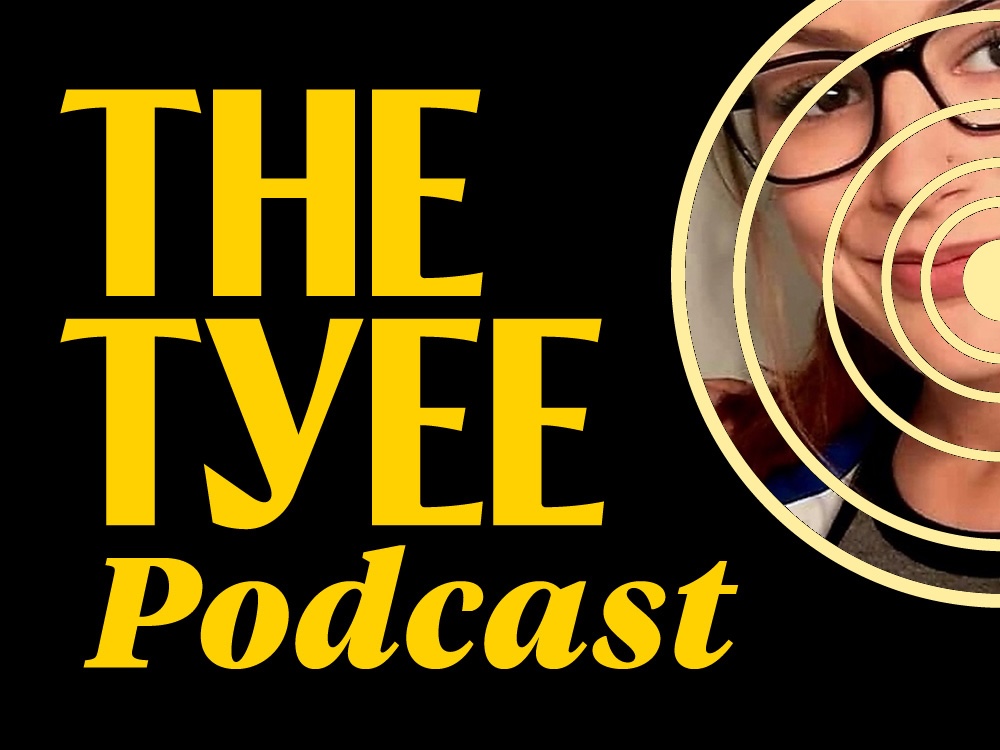
Natasha Harrison had been searching for her daughter, 20-year-old Tatyanna Harrison, for months before police found her body on a Richmond yacht in 2022.
In the years since, Natasha has been pushing authorities to reveal more information about what happened to her daughter.
A coroner’s inquest this year was supposed to offer answers.
But what she learned would only raise more questions about how police and the BC Coroners Service handled Tatyanna’s death.
“There have been a number of pretty shocking oversights, and some pretty glaring gaps between how we do things in this province and how other provinces do things,” said Jen St. Denis, a senior editor and reporter at The Tyee.
St. Denis has been covering the case for three years. She was at the coroner’s inquest this summer, where baffling and disturbing details came to light about how that office managed the case.
This week on The Tyee Podcast, St. Denis takes us inside her investigation.
Listen to this episode by clicking the embedded podcast player below or by following ‘The Tyee Podcast’ on Apple Podcasts, Spotify, iHeartRadio, Amazon Music, Pocket Casts or YouTube.
Transcript
Note: Episode transcripts may contain errors. Always check the corresponding audio before quoting any part of the transcript.
Isaac Phan Nay
This is The Tyee Podcast. Before we get into the episode this week, we thought you might like to know that today’s show contains graphic details about descriptions of sexual assault and information related to missing and dead Indigenous women and youth. If that troubles you, you may want to skip this week.
Jen St. Denis
We’re at a marina in Richmond, B.C., but we’re not in the water part of the marina. We’re on this large paved area where there’s a bunch of boats that are up on stilts waiting to be repaired, or just on dry dock for whatever reason. There’s a bunch of different kinds of boats. The one that we’re focused on is a fairly large boat. It’s sometimes referred to as a yacht. We’re able to get on to the boat with the use of a ladder, so we climb on board. We have to like pull off a tarp. The entire boat is kind of covered with tarps. When we pull the tarp off of the back deck, we see red tulips, which is a little bit strange. Some of them have kind of been scattered around, even on the ground underneath the boat. Some of them have been sort of placed at areas on the deck.
Isaac Phan Nay
That’s Jen St. Denis. For the past three years, she’s been covering the case of a woman who was found dead on this boat in Richmond.
Jen St. Denis
We’re able to open up the living space of the boat, and it’s then we like look and see there’s stairs, and it’s then that we sort of see this this woman’s body. Her head is pointing towards the stairs. She’s just lying at the bottom, and her feet are pointed towards what we’ll know is the bedroom if we start to explore the boat a little bit. It’s really close quarters inside the boat. It’s also really dark because there’s tarps all around, so it’s hard to see. And you know, it would be as I’m telling this, it would be hard to like navigate around the body. But if we just consider like, if the body isn’t there and we continue on into the boat, there’s a small living room to the left. There’s a galley kitchen to the right, and then if we go in a little bit farther, there’s a bathroom and then a small bedroom that’s very cluttered, has a lot of clothes bunched in the corner, has a mattress, and has two pipes for drugs that are kind of burned craters into the mattress, and that’s the scene.
Isaac Phan Nay
Within hours, police officers and coroners would determine that this death was not suspicious. No evidence would be collected. A press release claimed it was an overdose, and the woman was not identified for two months. Her name was Tatyanna Harrison.
This is The Tyee Podcast. Every week, we dive deeper into the stories shaping the West Coast, because Canada needs more B.C. I’m Isaac Phan Nay, filling in for Harrison Mooney. This week, Jen puts a spotlight on how Tatyanna Harrison’s case was handled, why that was controversial, and what it tells us about how deaths are investigated in B.C. in Canada.
How did police end up getting called to the boat that day?
Jen St. Denis
Police had gotten a report from Insite, which is a safe drug use site in the Downtown Eastside. It’s been open for years and years, probably up to 30 years at this point. One of the oldest harm reduction drug overdose prevention sites in the province, and it had been reported to a nurse at Insite by a client by a man named Travis Dempsey, and he told police later he had found this woman’s body when he went to the boat to do some repairs on the boat, he had found the body around 10 p.m. the previous night, and then he left the boat, went back to Vancouver, and apparently told this Insite nurse like sometime in the early hours of the morning. Police got this tip. It wasn’t really clear where exactly this boat was, but they were able to track it down and kind of came to the boat around 9 a.m. in the morning.
Isaac Phan Nay
So, I’m a coroner, and it’s my job to investigate suspicious deaths in B.C. I get called to this dry docked yacht in the Richmond marina that morning. What do I find when I arrive?
Jen St. Denis
So, at this point, the body is still down in the living quarters of the boat. There’s about four police officers on the scene. They’ve taken a look at the body. They may have taken some photographs. Lighting is a challenge. They’ve been trying to like use flashlights and stuff to look inside. And yeah, what people have noticed on scene is that this woman appears to be. It’s sort of hard to gage like her height and weight because of the way she’s lying, but there’s been estimations made about that. She’s quite emaciated. She looks older. She looks like she’s in her 30s or 40s to them, and they also notice a couple of injuries on her hips. And the police would later say that they didn’t think the injuries were recent, and so sort of discounted them based on the medical expertise provided by the coroner, that would be a bit of a problem later on because we would hear that injuries can look older but cannot be older, and the police said they relied on the medical expertise of the coroner. We weren’t actually able to find if the coroner had any actual medical expertise.
Isaac Phan Nay
So let me just get this straight: the coroners come and they. They find this person on this yacht with the flowers nearby, wearing just a sweater. With these injuries, she’s emaciated. And what do they decide about the scene?
Jen St. Denis
So they decide that the scene is not suspicious, and they make that determination based on the fact that you know the injuries to her hips. To them, the police officer testifies later, just looked old with like maybe some bruising. They didn’t see any other injuries, and they didn’t see signs of a struggle. And on that basis, with the coroner, they kind of this is kind of a determination made with input from the coroner, input from police. The constables on scene did call the RCMP’s serious crimes unit to kind of have a consult. Together, they decide that this is not a suspicious death, and that really changes how they treat the scene. The scene is not locked down; evidence is not collected. You know, there are photographs taken of the scene, but it’s a less rigorous process for sure.
Isaac Phan Nay
And so, what do police do now that it’s deemed not suspicious? Do they still investigate?
Jen St. Denis
They want to identify her, so the police will still be involved in identifying this person, this woman, but it mostly goes over to the coroner for them to kind of try to determine, you know, how this woman died and to identify her. And so the police now are moving towards more of an identification process.
Isaac Phan Nay
So they take pictures of the scene. What happens to this woman?
Jen St. Denis
Well, she’s brought to the morgue. She actually is given an autopsy, which is not always done in B.C. We actually have one of the lowest autopsy rates in the country. But for this case, there was enough concern, even though they had determined it was not suspicious. There was enough concern that they decided to do an autopsy and do toxicology testing.
Isaac Phan Nay
So, reading your reporting, you write about how it takes a long time to identify this woman. Who is she? Why, why did it take so long?
Jen St. Denis
So they just don’t really have a good starting place. They do have some missing persons reports that have come in for women, and they’re sort of comparing some of those people, but they’re not really getting a match. They’re not really seeing a visual match. So one of the people that they’re looking at is Tatyanna Harrison, this 20-year-old woman who was reported missing by her mother Natasha just a day after this body was found. So they do have this photo of this young woman smiling, looking healthy, like full cheeks. It just doesn’t look like this woman. This woman looks a lot older in her 30s and 40s. She has like a kind of a you know the inquest jurors would later describe it as a really strange haircut, like very kind of hacked off. And they just multiple people look at this, including a forensic identification specialist who works with the BC Coroners Service, multiple police officers, and it just looks so different that they don’t think it can be her. But they have taken DNA samples from Natasha earlier, so they do have those, and it takes a few months for those to get processed. And then once those DNA samples are processed, which takes about you know a month and a half, they do actually realize that this this person is Tatyanna Harrison.
Isaac Phan Nay
And who is Tatyanna Harrison? Tell me more about this this woman.
Jen St. Denis
So Tatyanna Harrison was a really bright, vivacious young woman, but she was also very troubled and had really struggled in her life. She was Natasha Harrison’s only daughter. Natasha had her when she was 19 herself. The two were really, really close. Mother and daughter were super close. But when Tatyanna was around 12, Natasha and Tatyanna kind of had to flee a bad situation and ended up in a transition house for women, so there was that kind of struggle in their life. And then, when a few just a little while later, when Tatyanna was still around 12 years old, she was sexually assaulted while visiting a friend’s house. And it was after that incident that she just she really really struggled as a teen. She went missing multiple times. She would kind of like wander off, like go off with friends. Natasha was constantly reporting her missing. She was, you know, doing a lot of drug use. It started with alcohol and marijuana, but it would grow to like everything between crystal meth, cocaine, and opioids. And at one point, Natasha, Natasha would always try to track her down. Would always go and look for her. At one point, Natasha found her when she was 15 years old at the home of this man, and Natasha believes that he was grooming her for sexual exploitation. Natasha did a lot to try to help her daughter, including entering into a voluntary care agreement with the Ministry of Children and Families, which is a way that Natasha did it to like try to get more help, more resources for Natasha, which included Tatyanna staying at a residential program that would like include mental health services, you know, she was supported by social workers. She was supported by her mom, but she was really struggling as a teen.
Isaac Phan Nay
And so this time that Tatyanna went missing, was Natasha searching for her once again?
Jen St. Denis
Yeah, I mean you have to consider that at this point Tatyanna was a lot older. She was 20 years old. She’d actually been doing really well in 2019. She’d been sober. She’d been living on her own, working towards finishing her schooling. But when COVID hit, it really destabilized her, and she slid back into addiction, which is so tragic. You know, everyone who knew Tatyanna just talked about how bright she was, how caring she was. She even like spoke a little bit of Punjabi. Like a prospective landlord, and was able to like secure housing that way. You know, she’s just a very like outgoing, charismatic girl. But after COVID, she had kind of started struggling again. And in early 2022, Natasha realized that she had not heard from Tatyanna for a long time. Was sort of asking around before officially reporting her missing, so was doing a lot of sort of sleuthing around on her own, like reaching out to contacts and that kind of thing, and after doing a bunch of that work, finally reported her missing on May 1, 2022, to police.
Isaac Phan Nay
Wow, what did Natasha have to say about what that experience was like of searching for Tatyanna?
Jen St. Denis
She did a lot of the searching herself. She learned that Tatyanna had actually moved from Richmond, where she’d been staying, to the downtown east side, and that really concerned Natasha. Natasha herself wasn’t super familiar with the downtown east side. She was super alarmed that Tatyanna had ended up there, but she went down and she found, you know, she found like Tatyanna’s street sister, this close female friend of hers, and got a lot of information. She put up tons of posters. She contacted the media. There were stories in like the Vancouver Sun. She was really, really diligently searching for Tatyanna, and she also knew that you know reporting her missing to the police was like a good step because she’d done it in the past. But because Natasha had information that Tatyanna had moved to the downtown east side, we shouldn’t have any firm evidence of that, and because of that, Vancouver police considered that her last known address had actually been in Surrey, and so they put the file over to Surrey RCMP to investigate the missing person’s case. So there was this very frustrating, like, sort of the case being bounced back and forth between Vancouver and Surrey for a while. That I know Natasha found really frustrating, but then finally it was up to Natasha to find evidence-firm evidence-that she had lived in a homeless shelter in Vancouver for a little bit-and so that was finally established that that was her last point of residence. And police finally took it back on May 24.
Isaac Phan Nay
Wow, I understand that she wasn’t the only person contributing to this search effort.
Jen St. Denis
Yeah, as this case went on and more things were being revealed. Natasha really found a connection with the families of Chelsea Poorman and Noel O’Soup, a young Indigenous woman. Chelsea Poorman was a young Indigenous woman, and Noel O’Soup was an Indigenous youth who had been in care. Both of those people had previously gone missing, and their bodies had all been found in sort of the same six months period in 2022 as Tatyanna, so there were these three cases. There were a lot of questions in each of the cases. You know, they weren’t outwardly connected, but there was the same kind of questions about how their deaths were investigated or not investigated. And the three families started advocating together, along with another advocate, Lorelei Williams, who has really been active in advocating for families of murdered and missing Indigenous women and youth.
Isaac Phan Nay
Frustrated by a lack of answers, Tatyanna’s mother kept up her search, unaware that her daughter’s body had already been found. But when she finally learned what authorities had uncovered, it only led to more questions. Eventually, Natasha does reach out to the coroner. What did she ask the coroner?
Jen St. Denis
Yeah, so the coroner had been in touch with Natasha. You know, having conversations with her, trying to explain what they were finding. But from the beginning, the coroner was suggesting to Natasha that Tatyanna had died of a fentanyl overdose. Toxicology results had found fentanyl, although we would later learn that it was actually quite a low amount of fentanyl. Normally, they’re called a therapeutic use, which is kind of like you know fentanyl is given out all the time for managing pain. So that’s kind of what that means. It means that it’s a level that would not normally cause death. But the coroner was really insistent at first that, and really, I’ve listened to recordings that Natasha took of the phone call where the coroner just states like she’s almost 99% sure that it was fentanyl, a fentanyl overdose, and it was to the point where like the Vancouver Police Department actually put that in a press release that she had died of fentanyl overdose based on the toxicology reporting. Yeah, and Natasha also had the disturbing experience of having to ask the coroner a lot of questions before getting the information that her daughter had actually been found naked from the waist down, and that was extremely disturbing for Natasha, she had to kind of say, you know, what was she wearing? Oh, she was wearing a sweater, and then Natasha had to keep on going and saying, well, like itemizing, was she wearing this? Was she wearing that? And the answer being no, and no, and no, and that was just like incredibly shocking to her to get that information. And then her next question, of course, which I think any mother would ask, “Was my daughter sexually assaulted? And the answer she got to that question was just very, very unsettling for Natasha. She was specifically asking, you know, was a forensic sexual assault test done, which is sometimes known as a rape kit test. And the answer she was getting was no.
Isaac Phan Nay
Why not?
Jen St. Denis
So at that point, the explanation is that they didn’t have any evidence that a crime had taken place, and so it was not there. It was not the police’s policy to take it. It was not the coroner’s policy to take it. The autopsy had checked for signs of sexual assault, but that did not include doing these swabs, which are then kept and can include, you know, different bodily fluids that are kept for evidence gathering purposes. So they checked, you know, the autopsy did check for sexual assault. Apparently, didn’t find anything, but these swabs were never taken.
Isaac Phan Nay
So Natasha finds out from the coroner that the sexual assault test wasn’t done at that point. Was it ever done?
Jen St. Denis
It was done months later because Natasha had really advocated strongly for it to be done. She had gone up the chain and had conversations with eventually with the chief coroner, and so about five months later, those swabs were taken. Now we learned at the inquest that we’re going to be talking about in a minute, we learned that the RCMP has just collected those swabs, but they’ve never been processed, and that’s because they still say they have no evidence that a crime was ever committed. So they’re just basically sitting in their evidence.
Isaac Phan Nay
Five months later for the test, and the swabs have never been processed. Are these kinds of delays normal for these kinds of investigations?
Jen St. Denis
you know, the impression I got from covering this was that the sexual assault forensic test was really only done because Natasha had been arguing so strongly for it, and so that would be my guess is that this is kind of unusual, just because Natasha, as the mother, had been very loudly advocating for it, including you know in the media.
Isaac Phan Nay
So you know these tests aren’t done. The police aren’t investigating this as a crime, and it’s because the coroner has deemed this death not suspicious.
Jen St. Denis
That’s right. Yeah, the way it works, I’ve sort of heard it said when I’ve interviewed former RCMP officers. They kind of describe it as a bit of a collaboration between the police who are investigating and the coroner who comes on scene. Now the problem in British Columbia is that coroners aren’t required to have medical training. They’re not required to be doctors. You know they do get on-the-job training, but sometimes their background will be like a former police officer or mental health counselor. You know I’ve heard of people coming into the field from you know maybe a real estate background, often lawyers, so they’re making these determinations, but they themselves don’t have medical expertise.
Isaac Phan Nay
They don’t have medical-
Jen St. Denis
they’re not. They’re not determining the cause of death, but whether or not it’s suspicious. They’re still determining that, and as we can see with this case, it’s often being done kind of based on how the scene looks. So in B.C., it’s really common if they come onto the scene and they see evidence of drug paraphernalia, they’ll really say, you know, from the beginning, they’ll be like, this is likely a drug overdose. Then they’ll do toxicology testing, and if they find the presence of illicit drugs or drugs in the body, they’ll confirm it as an overdose. There are forensic pathologists, including the one that we’ll be talking about shortly, who did do an independent review of this particular case. There are forensic pathologists who have really raised concerns about that methodology in B.C. They say it’s not standard; it’s more standard to do an autopsy with every suspected overdose death. That was done in this case, but there’s a lot of cases in B.C. where that doesn’t happen.
Isaac Phan Nay
I’m pretty caught up on the fact that you don’t need training to be a coroner. How I have a lot of questions. One of them, like the first off, is if you don’t have any training, how do you objectively know whether or not something was suspicious?
Jen St. Denis
So Isaac, you’re not the only person. Everyone that I talk to about cases like this are routinely shocked, and that includes people whose loved ones have died suddenly, and they expect that an autopsy is going to be done, so they’ll get more answers. And then when it’s not done, they’re really, really shocked. I think that we see this dynamic really playing out in this particular case. So I’m just going to talk about some things that we heard during the coroner’s inquest. One of the RCMP constables who came on the scene and was looking at the body talked about how he did see injuries on the woman’s hips, on Tatyanna’s hips, and pubic bone. He was asked whether that raised any concerns of sexual assault. He said no because the injuries appeared old and scabbed over to him, so that he didn’t think they were relevant because they looked old. But then later, the pathologist who testified said that the injuries had dried after death, which is part of the postmortem process and can look to the untrained eye like older injuries. Now the constable said that he relied on the scene coroner’s medical expertise. But when I asked the coroner to identify who that scene coroner was, and he never testified at the inquest, they wouldn’t tell me his name, and they wouldn’t respond to my questions about whether he actually has medical training or expertise. So just knowing how the coroners service works in B.C., and that coroners often do not have medical training. Now, I do want to emphasize: yes, they get on-the-job training that may include some sort of training about how bodies look and the processes that happen after death. But forensic halls just really, really underlined that they have you know special expertise in. Examining bodies, and that it can’t be replicated by someone with a little bit of training.
Isaac Phan Nay
Is it normal in Canada for coroners to have this level of training, or is this something specific to this province?
Jen St. Denis
In Canada, we have two systems that we use. It depends on the province. There’s the medical examiner system, which is more comes from like the French system and medical examiners are doctors. Then there is the lay coroner system, which is more of an English model. And in that model, it’s called a lay coroner system. And the coroner is, you know, the coroners are supposed to have specialized training, but not necessarily medical expertise. And then are really supposed to be working alongside trained pathologists. And I’ve heard from forensic pathologists that that model can work as long as they’re really like working to get closely together. And then in Ontario, that’s more of a combined model where all of their coroners are also doctors. So there’s a mix, but definitely the system that we have is like it’s not terribly unusual, but it’s not in place everywhere.
Isaac Phan Nay
Lay corner, like lay person.
Jen St. Denis
Lay corner, yeah. Saskatchewan has a lay coroner system. It sort of depends from province to province.
Isaac Phan Nay
We know now that many people have many problems with how this investigation went. Who is accountable? Who’s responsible for this?
Jen St. Denis
It’s both the police and the coroner. So both the Richmond RCMP, who it was their jurisdiction, so they really handled the death investigation. Not that there was much of one; it was mostly handled by the coroner. So, and also in conjunction with the coroner, you know, together they make the determination of whether a death is or is not suspicious. However, in some other cases I’ve reported on, you know, the coroner’s determination is really key. If the coroner does not think a death is suspicious, I reported on a different case with a different woman who was found dead in a man’s SRO room, and police initially thought it was suspicious. But when the coroner arrived on scene, sounds like very quickly made the determination it wasn’t suspicious, and that meant that police could not continue with their criminal investigation, so the coroner’s determination is very important and carries a lot of weight, and it can actually kind of affect how police then conduct their investigation. So, for instance, in this case, in Tatyanna Harrison’s case, when it was when the death was determined not suspicious, that means that the police could not attend the autopsy even if they wanted to, it was just not. If it, if there’s evidence a crime has been committed, the police generally do attend the autopsy, but in this case, it was determined not suspicious, so they did not.
Isaac Phan Nay
An unprocessed sexual assault kit, a death determined not suspicious. For Natasha Harrison, that was unacceptable. She wanted to know what happened to her daughter, and this summer, some shocking information came out of the coroner service. That’s when we come back.
For three years, Tatyanna Harrison’s family called for answers about her death and for a coroner’s inquest. That’s kind of like a court case where the circumstances of a death are on trial. An inquest does not find whether anyone is at fault. Instead, a jury hears evidence from witnesses and reviews the facts. Eventually, the jury writes up a verdict that includes their findings and often a series of recommendations to improve the system. This year, the family got one. The BC Coroners Service held an inquest into Tatyanna Harrison’s death in July, and at its heart were two questions: Was this death something more than an overdose, and why wasn’t that noticed at the time? There’s a coroner’s inquest. Eventually, you were there.
Jen St. Denis
That’s right. Yeah, I was there. I really felt strongly about this case. There had been a lot of revelations leading up to this coroner’s inquest. The families of Tatyanna Harrison, Noel O’soup, and Chelsea Poorman had all advocated together for coroner’s inquests in all three of the cases. And finally, after a lot of public pressure, the coroner’s inquest into Tatyanna Harrison’s case was called in 2025. The other two were still waiting, but my understanding that they are like considering coroner’s inquest for both. So one of the most the strangest things that happened with this was that we were talking about how there was really a push from or a real inclination from the coroner to say that this was a fentanyl overdose. That cause of death actually got changed a few months later when the pathologist did more work, examined some samples under microscope, and actually determined that Tatyanna Harrison had died of sepsis, which is a blood infection. But then, you know, Natasha Harrison and some advocates got another forensic pathologist called Matthew Orde to review. That and Matthew Orr did not agree with that pathologist’s finding. He did not agree that it was sepsis, and he just said there wasn’t enough evidence that that had actually caused her death. So, there had just been a lot of questions about the coroner’s work, the coroner’s conclusions, and just a lot of yeah, a lot of questions about how Tatyanna Harrison had died.
Isaac Phan Nay
These pathologists that start looking at the case, they are medically trained professionals.
Jen St. Denis
Yeah, forensic pathologists are doctors who are trained as you know to do autopsies to look for certain things in bodies to like find the cause of death. So the forensic pathologist who did the initial autopsy, who works for the BC Coroners Service, his name is Dr. Eric Bol, the independent forensic pathologist that Natasha Harrison hired to review the case, his name is Dr. Matthew Orde, and I’ve interviewed Dr. Orde a number of times because he is quite a strong critic of how the BC Coroners Service operates in B.C. He formerly worked in B.C. as a forensic pathologist for the BC Coroners Service, but now he works in Saskatchewan and Alberta, so he is an expert in his field, and he was called in this case to take another look.
Isaac Phan Nay
Once the pathologists start looking at the case, all these questions come up. The inquest into the coroner’s work was called last year. You went to the inquest this year. What kinds of things did you hear at the inquest? It
Jen St. Denis
was very interesting. We did learn a lot of things, but I wouldn’t say, I wouldn’t say that questions were answered exactly. We learned a lot of information about how Tatyanna Harrison’s body was found. The injuries on her hips and pubic area were definitely new. That was definitely new information, and that lent a lot of, but again, like more questions about just how this death had been investigated. One of the most stunning things we learned was that the Richmond RCMP police constable testified that he had been told twice not to share the fact that the fentanyl results from the toxicology were really low. It was like therapeutic amounts. He was told twice by people in the BC Coroners staff not to tell Natasha Harrison about that, and he said that one of the people who told him not to tell Natasha Harrison was Dr. Jatinder Baidwan, who was the chief medical officer of the BC Coroners Service at the time, and you know this was back in 2022, but in 2024, Dr. Baidwan actually became the chief coroner, and then he didn’t testify at the inquest. So that was a really big hole. You know, why was this police constable told twice not to share this information with the family? That just remains a giant, giant question.
Isaac Phan Nay
And do we know why he was told not to share this?
Jen St. Denis
Well, we have no idea. We don’t know. We just don’t know because, you know, that was another curious thing. There were two coroners who worked on this case. There was the scene coroner who showed up on the boat when police first found the body. That person did not testify. Then there was the investigating coroner who kind of handled most of the death investigation. Her name is Cynthia Hogan. She did testify, but it took prodding from I think from Natasha Harrison’s lawyer to get her to actually testify. She was added late in the inquest proceedings. She was initially not on the witness list, and then we also never heard from Dr. Baidwan, who at the time of this all was all happening. He was the chief medical officer. Later, became chief coroner. He also did not testify. I think that what we heard raised enough questions about how the BC Coroners Service operates to justify his testimony.
Isaac Phan Nay
And so, not only did they not testify, but the way I understand it, a lot of this information was kept from Natasha.
Jen St. Denis 28:40
She was hearing a lot of this information for the very first time. Yeah, that’s and that was you know including, and this is remarkable, including the fact that her daughter had been buried without her consent or knowledge in 2023. That also came up during testimony, and that was just absolutely shocking. It came up during inquest testimony from Cynthia Hogan, the investigating coroner, Natasha had been refusing to accept the body back for burial, and she had been refusing for a reason that I think makes sense when you know the full context of what she had been going through. She wanted her daughter’s body to be maintained as possible evidence for future investigations. You know, to the coroner’s service, I understand that’s a difficult thing to deal with, and I guess at some point they just got impatient with that and sent it on to the Ministry of Social Development, who kind of handles those kind of burials. And yeah, it was just done without her knowledge. So she was hearing that for the first time during testimony. It was extremely upsetting. The inquest had to be paused. It was even a challenge to get the coroner to divulge information about where Tatyanna’s body had been buried.
Isaac Phan Nay
Has Natasha since found out where her daughter is buried?
Jen St. Denis
She did. She did find out during the inquest. So after that really upsetting revelation. There was a recess, and then everybody went back into the courtroom, coroner’s courtroom, and Sue Brown, Natasha’s lawyer, had to ask a series of questions, very probing questions, until finally Cynthia Hogan, the investigating coroner, did look it up and did divulge where Tatyanna was buried. She was buried in Surrey Center Cemetery, and right away, one of Tatyanna’s childhood friends was in the courtroom that day, and that young woman like right away left the courtroom and went to the cemetery and was like texting Natasha. So it was like she’s like, “I’ve found her, which was obviously just like incredibly. If you just think of that, she didn’t know where her daughter. She thought her daughter was in the visa corners custody, and then and then finding like finding the actual burial site was like incredibly emotional for everyone.
Isaac Phan Nay
What else did we learn about the inquest?
Jen St. Denis
So this didn’t come out right during the inquest, but it came out shortly afterwards. We heard from Natasha Harrison’s lawyer, Sue Brown, who represented Natasha during the inquest, that the boat has been destroyed, and so that was very disturbing to you know the family and advocates who said you know we’re sort of listing off okay the body which was they believe was evidence has been destroyed the boat has been destroyed yeah that was very unsettling for them.
Isaac Phan Nay
So with all of this, do we know whether Tatyanna’s death was suspicious?
Jen St. Denis
No, we don’t know whether it was suspicious. It may well have been natural. She had had several seizures in the years leading up to this. A doctor, her family doctor, who testified, said he believed that the seizures were probably caused by drug withdrawal. Remember, she had used drugs in the past and was probably a drug user when she died. So that had been going on with her having seizures when the body was found, there was a presence of feces at the scene. Like I don’t want to gross anyone out, but that is something that’s found often found at death scenes, and it did lead the coroner to think that this was a natural process. I think that one of the things we can say, you know, the deaths of Tatyanna Harrison, Chelsea Poorman, and Noel O’Soup, they’re not outwardly connected. This isn’t a case of me saying like, “Oh, there’s a serial killer out there. That’s not what I’m saying. But we do have a pattern of young, vulnerable women and youth, Indigenous women, women and youth, going to isolated places, possibly to use drugs or with drug use present, perhaps being given drugs. In the case of Noel O’Soup, that’s likely what was happening. You know, Noel O’Soup was found in the room of a man known to prey on women and intentionally drug them and assault them. Chelsea Poorman was found in a vacant home in Shaughnessy, like miles away from where she lived in the downtown east side. So there is a pattern of these women going missing and then finding up in isolated slash vacant areas. So, for instance, with the Noel O’Soup case, we know that they were found in the room of a man who had been known to invite young women to his room to use drugs, and then he had allegedly intentionally drugged them and then assaulted them. And so, we know that there was a pattern of predation going on in the Downtown Eastside of young women, so just laying out those patterns, you know, I do think the deaths are connected in that way.
Isaac Phan Nay 33:08
So ultimately, what was the outcome of this coroner’s inquest?
Jen St. Denis 33:14
I think the outcome of the coroner’s inquest was to raise a whole bunch more questions about how this investigation was conducted. It didn’t really put to rest any of the concerns. It just raised more concerns. You know, we heard from Dr. Matthew Orde, the independent forensic pathologist who kind of reviewed Dr. Bol’s work. We heard that he was like, “Well, if I had been conducting this autopsy and I had seen those injuries on the body, I would have conducted the forensic sexual assault test, and then he sort of had to correct himself because he would have had to get permission from the coroner to do that. So to me, that indicates I just feel like you know a trained forensic pathologist needing to get permission from a non-medically trained coroner that struck me. So obviously, there’s sort of like limitations being put on the forensic pathologists about the actions they can take, so that struck me. You know, on the other hand, like I do understand you don’t want to unnecessarily like criminalize something without enough evidence, maybe. So I can see it from that way. But you know, he said he said quite firmly, and he was like, you know, I do have the benefit of hindsight. But he’s like, if I had seen those injuries. I would have been concerned there had been a sexual assault. We heard Dr. Bol, the forensic pathologist who did the autopsy, kind of dismiss those injuries and him saying, “Now keep in mind they were on her hips, and on the front of her pubic bone. So just imagine that on your own body. Dr. Bol said those could have just been caused by falling down. Dr. Orde. said, “You know that’s really hard to imagine. Your body kind of is protective of that area. That’s not really protruding thing like an elbow or something. And he said very easily those could have been caused by sexual activity. So he said, “Yes, I would have been concerned. I would have pushed to conduct the forensic sexual assault.” Test, so that was just a very clear indication that you know under someone else’s eyes, like what we’re all seeing as sort of lay people just looking at this case. Natasha Harrison, certainly a lay person, just motivated by wanting to see justice for her daughter. Sure, like maybe we’re all we all don’t know what we’re talking about, but to hear an expert say like, yeah, that would have worried me. You know, that was that was kind of like validating at least to hear someone with expertise say that that would have concerned them because I think most of the people in that room you know most of whom were women including the jury by the way they were all middle aged women you could kind of feel the tension when those things were being discussed
Isaac Phan Nay
So with all of these issues with the coroner system, or all these issues that this doctor has with the with the medical system, what can be done to take some steps to improve it?
Jen St. Denis
I think at this point, I’d like to see like a really close look at the BC Coroners Service. You know, there have been some pretty other shocking cases. There was a case from the Kootenays of someone who died, and it turned out they had been shot in the head, and the coroner somehow missed that. There have been, you know, there have been a number of things that have been pretty shocking oversights, and along with these, you know, pretty glaring gaps between how we do things in this province and how other provinces do things, there was another case: a woman called Arlene Westervelt who died. Who there’s been, you know, some suspicion that she was murdered. She drowned, and that that case was also really botched. An autopsy was done after she had already been embalmed, so it was a flawed process. Obviously, so just there have been like a number of cases where I just think enough instances have piled up that we need to have some sort of really comprehensive review, possibly considering moving to a medical examiner’s system at this point. So yeah, I would really urge you know the Minister of Public Safety to really consider whether that needs to be done at this point because from the cases I’ve covered and that other media have covered, I think there are some pretty stunning examples of where we need to maybe take a really close look at what’s going on, and the public is consistently shocked to learn that coroners do not have medical expertise. They do not expect that; like they do not have a good understanding that that is the system we have. And so, I think at the very least, we need to reassure the public that even if we’re going to keep that system, that there are enough safeguards that is working fine.
Isaac Phan Nay
I was shocked to hear that, and there were quite a few details about this. That sitting here, I’m really shocked to find out what’s happened since the inquest. Has anything changed?
Jen St. Denis
No, nothing has changed. The advocates, Natasha, and the people who are advocating for murder and missing Indigenous women, and Natasha’s lawyer Sue Brown. They’ve all held a press conference, extremely powerful press conference, listing out everything that went wrong, all of the gaps in the investigation. You know, they’ve done a call for like a renewed investigation into how Tatyanna died. I have asked the minister for public safety to comment a couple of times. They are saying she’s saying I’m not going to comment. Her name is Nina Krieger, so she’s not commenting until she gets. And I’ve never heard of this. I did not was not aware that this was a thing. The final verdict, the final coroner’s inquest verdict from the BC Coroners Service, and this is something I don’t understand, because after every inquest is done, the final part of the court process is that the jury comes back with their with their verdict, and it’s not like a it’s not like a criminal court trial or anything. There’s no like findings of wrongdoing. They determine the cause of death, so in this case, they did change it from sepsis to undetermined, showing that they kind of accepted Dr. Matthew Ward’s rationale, and then they had a bunch of recommendations that all really focused on how police conduct missing persons investigations. There was there were no recommendations on how the coroner handled the death investigation, and that was identified by Sue Brown and Natasha Harrison as kind of a gap. So, but now they’re saying that there’s some other more complete verdict that the coroner’s service is preparing, and so I’m just waiting for that. They won’t tell me when it’s going to be done, and the public safety minister won’t comment until she has this document in hand.
Isaac Phan Nay
But you’re on the case.
Jen St. Denis
I’m on the case. I mean, I’m kind of looking around for like what else I can report on because I just feel like there’s something, there’s more here. So yeah, it’s kind of stuck in my craw.
Isaac Phan Nay
Well, I’m glad that you’re looking into it. Thanks for taking the time to join us today.
Jen St. Denis
Thanks, Isaac.
Isaac Phan Nay
Jen St. Denis is a senior editor with The Tyee. You can find her reporting on our website at thetyee.ca. That’s t h e t y e e.ca. Did you enjoy today’s episode? Let us know by sending an email or voice note to [email protected]. The Tyee is a non-profit reader and listener-funded journalism organization made possible thanks to the support of our Tyee builders. That could be you, listener. Head over to support.thetyee.ca to sign up so we can keep publishing journalism in the public interest. That’s support.thetyee.ca. If you want to advertise on this podcast, we have a team that wants to hear from you. You can email them at [email protected]. Today’s episode was hosted and produced by me, Isaac Phan Nay. It was engineered by Bespoke Podcasts. Our music is by Brian Binnema. Join us again in two weeks.
Read more: Podcast, Indigenous, Rights + Justice, Media



Tyee Commenting Guidelines
Please note that email notifications for replies are not currently working due to a software issue which may be resolved in a future update.
Comments that violate guidelines risk being deleted, and violations may result in a temporary or permanent user ban. Maintain the spirit of good conversation to stay in the discussion and be patient with moderators. Comments are reviewed regularly but not in real time.
Do:
Do not: