

 SHARE:
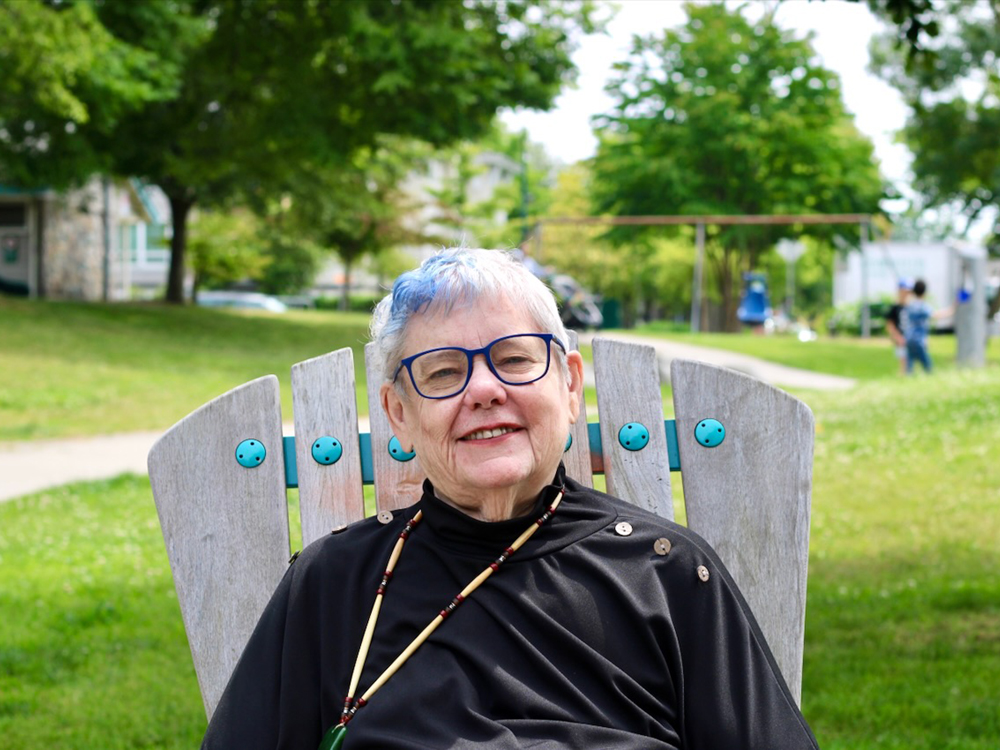
From three anti-trans bills in Alberta to limits on name changes from the B.C. government, laws disproportionately affecting the LGBTQ2S+ community are on the rise in Western Canada.
But Canada isn’t the only country trying to walk back rights for vulnerable communities. A wave of laws targeting the health and safety of transgender and non-binary folks have made their way through courts in the United States and the United Kingdom, too.
For some elders in the LGBTQ2S+ community, this backlash is all too familiar. We checked in with LGBTQ2S+ elders living in Western Canada who helped make positive change in their communities to see how they’re feeling right now and what advice they’d have for youth facing similar battles today.
‘We’re going to have to do it all again’
When barbara findlay became a lawyer in 1977, there were no legal protections for the LGBTQ2S+ community.
“We had [no rights] to be stripped,” findlay tells The Tyee. “That meant that we were, as a community, entirely in the closet.”
Today, findlay is King’s counsel. All of her identities, she says — she is fat, old, white, cisgender and queer and lives with disabilities — have informed her work as an activist lawyer.
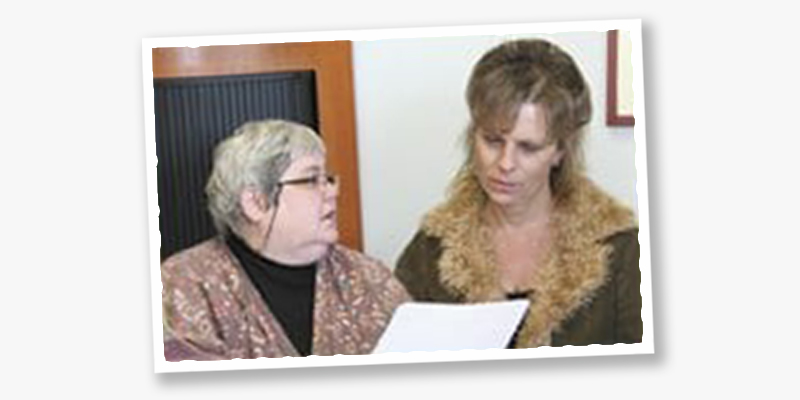
Over the decades findlay has been a key player in making change — fighting in court for same-sex and transgender rights in Canada in numerous, history-defining cases on marriage, representation on birth certificates, discrimination and more.
“The rhetoric then and now is shockingly the same,” says findlay. The same hateful tropes that were applied to the queer community then are being applied to the transgender community now.
“We’re going to have to do it all again,” she says, referring to fighting for trans rights. “We should have learned a few lessons along the way.”
In short: everyone is entitled to dignity, to safety and to determine what happens to their body, and there is no liberation unless everyone is liberated.
While her generation made big gains in terms of human rights, findlay also stressed they’d made some errors — a primary one was being “complicit in the destruction of communities” by focusing on individualism.
Youth looking to fight back shouldn’t “agonize,” findlay says. They should “organize.”
In a corporate capitalist landscape that depends on individualism, she says, “what’s going to save us in the end is community.”
findlay is more realistic than optimistic about the fight ahead. But she’s also not ready to put down the gloves.
findlay recently helped to set up the organization Lawyers Against Transphobia, which focuses on advocacy and education for the LGBTQ2S+ community in schools. And she continues to focus on community building.
“We're going to need to depend on each other,” she says. To organize and establish community, she says. But also to practise joy.
‘Bright, wonderful potential for the future’
Two-Spirit Cree-Métis mohkum Richard Jenkins isn’t a fighter. Instead, he’s somebody who seeks to come from a place of kindness and compassion. “Mohkum,” Jenkins says, blends the Cree words for grandmother and grandfather, “kokom” and “mosom.”
“I want to hear people that are talking about bright, wonderful potential for the future.”
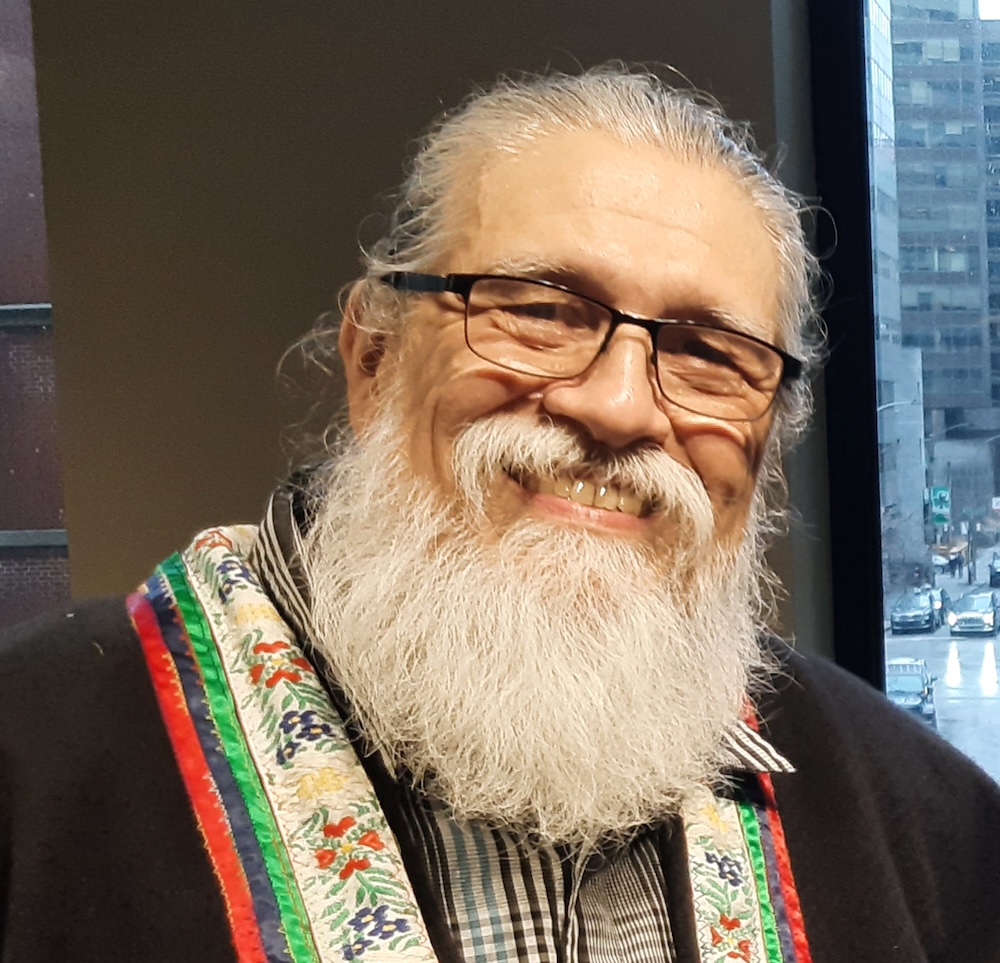
Jenkins’ advocacy for the Two-Spirit community began in 2001, when he was working on a proposal on HIV-related work for Two-Spirit gay men for the Aboriginal Two-Spirit Working Group in Edmonton.
“‘Nobody else is really going to bat for me as a gay guy,’” he recalls thinking. “‘So I'm going to go to bat for myself.’”
Jenkins has dedicated his professional life to policy and initiatives in urban Indigenous development, health care and HIV-AIDS policy, community healing, sexual orientation and gender identity.
Now that he’s reached the other side of 60, Jenkins is using his experience and knowledge to continue making “bigger and brighter spaces for our young people to shine.”
His focus now is on those spaces and the families that come along with them — be they biological, from Friendship Centres or with his chosen Two-Spirit family.
LGBTQ2S+ youth need places and communities where they can safely test boundaries and be themselves, especially where those spaces may not exist, Jenkins says.
Youth also need to have open conversations about consent and sexuality, he says, particularly as schools can’t be relied on to teach sexual education.
“Verbal discourse,” Jenkins says, should take place “before any kind of intercourse.” That means talking through fears, anxieties, excitements and even the “mythology” of different acts.
“Once you do a physical act of sexual being, you can't undo it,” he says.
When Jenkins sees young people at Pride events celebrating in public, safe spaces, he’s reminded of how far the LGBTQ2S+ community has come — and is grateful to those youth in turn.
There’s more work to do, and some young people still experience horrific home lives, says Jenkins, but he urges young people to remember that those dark spaces are not permanent.
“There will be a time when you'll have space again,” he says.
‘The ship will be righted again’
For 15 years, Kimberly Nixon — represented by barbara findlay — fought for transgender inclusion in the historic Nixon v. Rape Relief case, winning in the BC Human Rights Tribunal and the judicial review in the Supreme Court of British Columbia.
Nixon, a transgender woman, initiated the case when she was rejected as a volunteer at the Vancouver Rape Relief Society because of her gender identity.
While ultimately the supreme courts of B.C. and Canada ruled that privately funded non-profits were not beholden to the human rights code, the case had a monumental impact on trans inclusivity in women’s centres.
Because of advocacy and court cases like Nixon’s, many women’s shelters are now trans inclusive.
Nixon, now 67, remembers being aware of discrimination from as early as age four. At the same time, the pioneering trans activist and women’s advocate was also acutely aware of her gender identity.
Nixon wasn’t able to begin transitioning until 1985, at about 27 years old. Growing up, she coped by immersing herself in her interests, playing multiple sports at an elite level and pursuing her dream of becoming a pilot.
“I found a way to be me all along,” says Nixon, now in her 60s. “I push boundaries, and I don't accept less.”
“No matter how hurtful or horrible or bad things are, nothing hurts me more than not being able to be myself,” she says. “So they actually can't hurt me.”

Nixon began flying professionally at 21. Her career was also impacted by discrimination, she says. Still, she kept her skills current, resumed flying professionally in 2013 and even owns two planes today. “I thought, ‘OK, screw society,’” she says. “‘I'll just carry on.’”
The anti-trans legislation that’s being passed today not only criminalizes gender-affirming care but bolsters a climate of hate towards transgender people, Nixon says.
“[They’re] trying to prevent trans and non-binary people from existing.”
At its core, the rhetoric is the same as harmful stereotypes in the 1970s and ’80s, particularly within radical feminist organizations, she says. “This hate has always been present.”
Yet the way transgender people are treated by the public has vastly improved, Nixon says. Her court battle, which stretched from 1995 to 2010, felt like it was treated “like a sideshow,” she says.
Over time, she says, people did become more sensitive to issues around transgender rights. “Now it’s much more respectful.”
While court challenges are ultimately what’s needed to confront ignorance and bigotry from elected officials, it’s also necessary to surround yourself with other activists and lift each other up, no matter the issue, she says.
“Stand up, make noise, fight back and be visible,” she says. “Be vocal and bring others along with you who face the same kind of marginalization.”
And remember that things won’t always be this way. Court challenges take time, but “the ship will be righted again.”
“Just live your life and believe in yourself.”
‘We have to keep fighting’
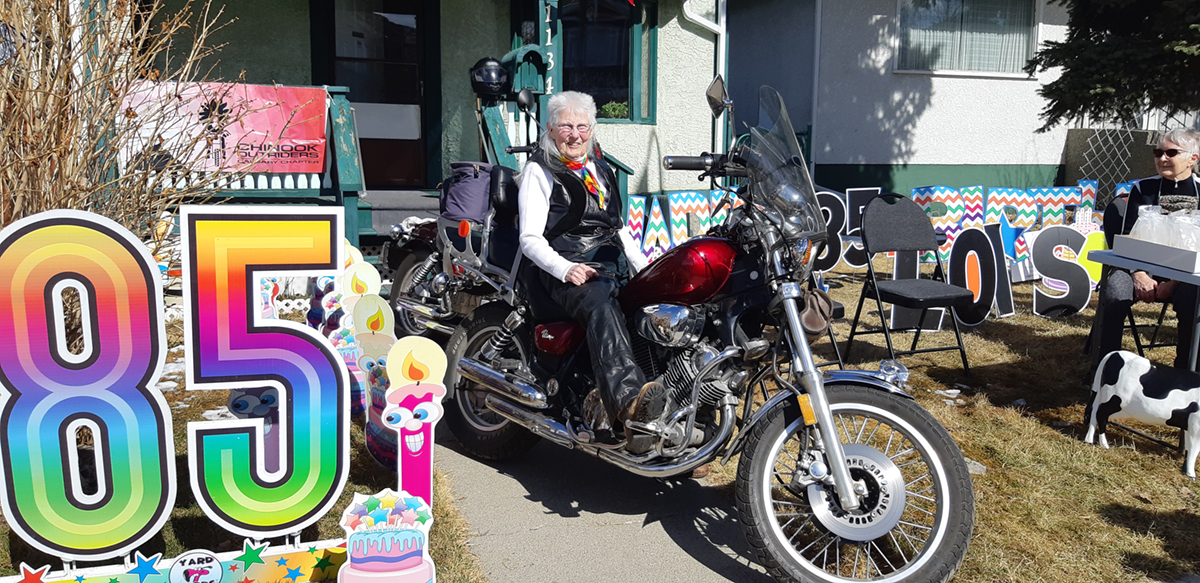
When Lois Szabo, co-founder of Club Carousel, Calgary’s first gay club, came out in the 1960s, finding other gay people was difficult. Fear of violence and discrimination along with the risk of losing your job, home and family kept people in the closet.
“I was quite lucky,” says Szabo, whose husband was very supportive when she came out. “But I was well aware that I was one of the very few.”
Being able to be out was one of the reasons Szabo felt the need to do something for her community.
“I could skirt away from the problems other people were having, just do my own thing and hopefully help others,” says Szabo, who co-founded Club Carousel in March 1970.
At a time when deadly violence and harassment were rampant, the club was a refuge for people to spend time together without fear.
During the day, youth experiencing homophobic harassment would come to the club and talk about their problems, such as getting kicked out of their homes.
A safe place “was absolutely essential for any gay person in Calgary at that time,” says Szabo.
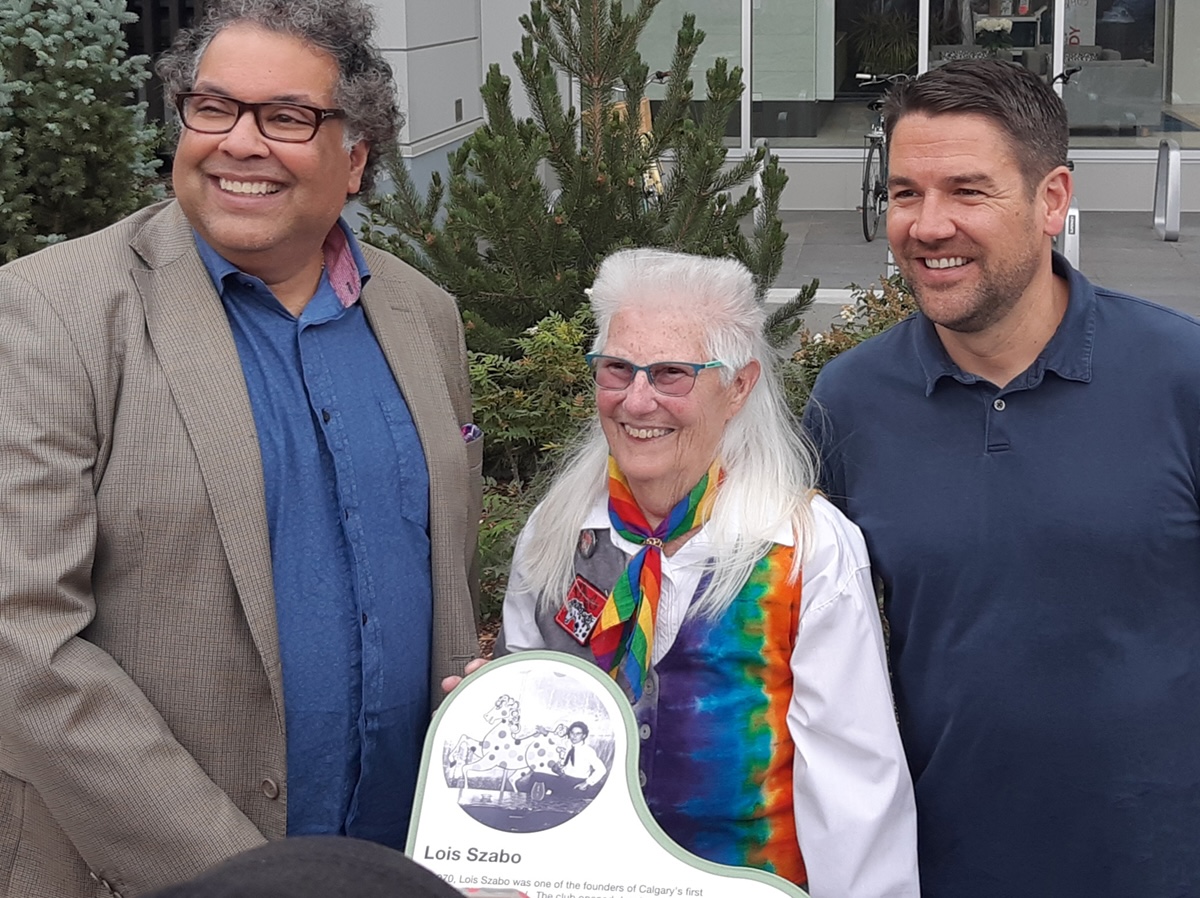
By the time the club shuttered 10 years later, it had grown from 20 members to nearly 700. It also inspired similar spaces in other cities in Western Canada. The members-only model helped protect people’s privacy, and new members had to be sponsored by current members.
While huge strides have been made for LGBTQ2S+ rights in the decades since Club Carousel, animosity towards the community is returning, and politicians in the province are the source, says Szabo.
“It's all coming back to haunt us,” she says. “Hatred is a disease, and it’s sprouting up all over Alberta.”
It’s important to not become complacent, says Szabo. “We have to keep fighting.”
Club Carousel’s motto — “United we stand, divided we fall” — remains true today, she says. “Solidarity is the key.”
There’s strength in numbers, and as the community has grown it’s important for all the stripes and letters of the LGBTQ2S+ community to show up for one another, particularly as the transgender community takes the brunt of the hatred, Szabo says.
It’s also important to starve the haters of attention, Szabo says. “Let the protesters go out and flap their wings as much as they want.”
Instead, she encourages young people to focus on supporting themselves — through things like dances, picnics and camping trips with their community.
While Szabo, who turns 90 next March, may not be organizing anymore, she isn’t one to sit at home minding her own business.
“The gay community is my business,” says Szabo, who volunteers with Rainbow Elders Calgary, a non-profit dedicated to improving the lives of LGBTQ2S+ seniors, and participates in community events and groups. ![[Tyee]](/design-article.thetyee.ca/ui/img/yellowblob.png)
Read more: Rights + Justice, Alberta, Gender + Sexuality







Tyee Commenting Guidelines
Please note that email notifications for replies are not currently working due to a software issue which may be resolved in a future update.
Comments that violate guidelines risk being deleted, and violations may result in a temporary or permanent user ban. Maintain the spirit of good conversation to stay in the discussion and be patient with moderators. Comments are reviewed regularly but not in real time.
Do:
Do not: