


 SHARE:

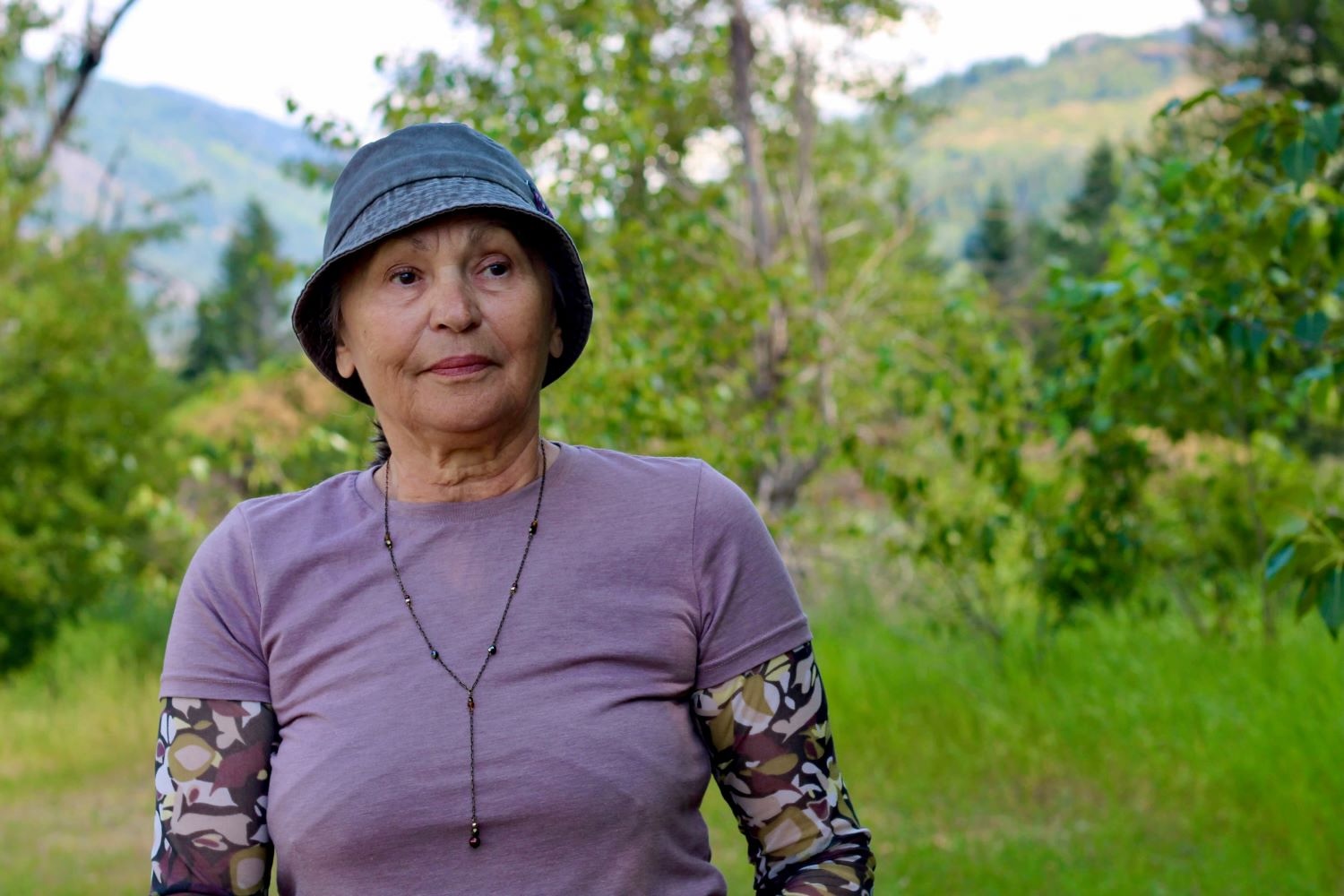
The last time Debby Todorovic saw her daughter Katica, she asked her to stay longer at her home in Trail in B.C.’s West Kootenay region.
Katica stayed an extra week. Before she left to go back to Vancouver, she asked her mom to keep watering the flowers in the front yard.
Throughout that summer, the flowers Katica (pronounced Ka-teet-sa) had diligently cared for during her visit flourished. “The neighbour said, ‘Wow, look at those lilies’ — they really grew,” Debby remembers.
But today, Debby can’t bear to tend the garden. The flowers remind her of Katica, and the memories overwhelm her with sadness.
Four years ago — six years after she tended her mother’s flowers on that last visit home — Katica Dusanic was found dead in a single-room occupancy or SRO hotel room in Vancouver’s Downtown Eastside at age 41.
Like so many others in the neighbourhood that year — 2021, as the COVID-19 pandemic and the deadly toxic drug crisis raged — her death was quickly ruled an accidental overdose.
But Debby believes her daughter was murdered, and she’s calling for police to reopen their investigation.
Advocates say the case shows troubling gaps in the quality of both police and coroner investigations into sudden deaths in British Columbia, where autopsy rates are low compared with other provinces. Those gaps are leading to heartbreaking questions for family members, who are left wondering what actually happened to their loved ones.
The Tyee has previously reported that in B.C., just 15 per cent of suspected overdoses result in autopsies. In most other Canadian jurisdictions, autopsies are done for 60 to 100 per cent of suspected overdose deaths. B.C. relies instead on toxicology tests to determine cause of death in the majority of suspected overdoses, a practice that makes it an outlier in North America.
That’s led to lingering questions for families who say they assumed autopsies would be done. Because they weren’t, what happened to their loved ones will never be known.
Katica’s case also highlights another concern. A pathologist who previously worked in the B.C. system says bodies are often examined only by coroners at the scene of a death, and coroners in B.C. do not need to have medical training.
“The body should be examined under good light by a person who is trained in the art of forensic pathology so they can pick up and identify any relevant disease and injuries that may be present,” said Dr. Matthew Orde, a forensic pathologist who has worked in B.C., Saskatchewan and Alberta.
“There is a debate, an ongoing debate about whether... an internal examination should be performed in each and every instance or whether perhaps just an external examination would suffice.... But I think B.C. is very much an outlier inasmuch as their policy is not to bring the body into the morgue at all.”
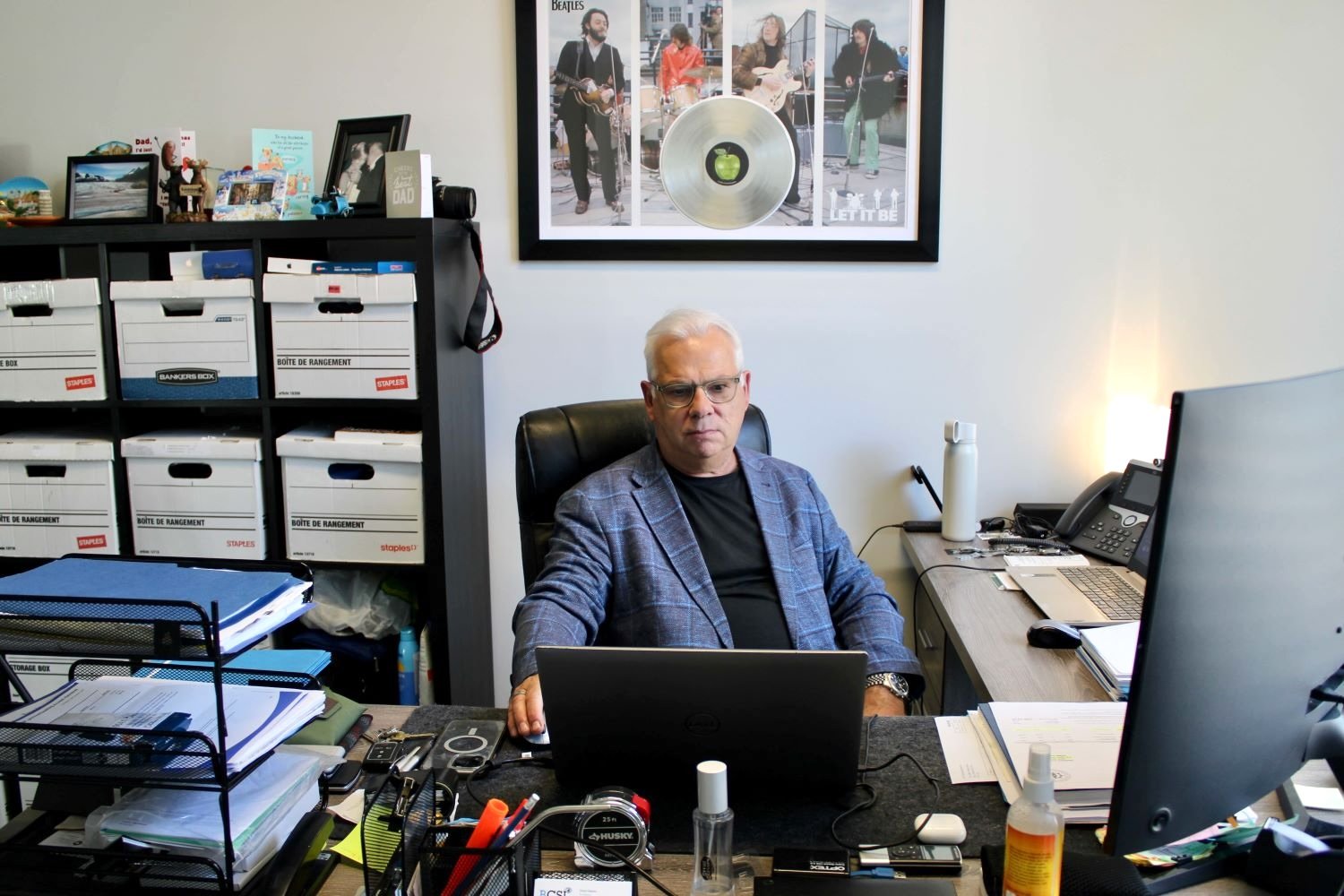
Denis Gagnon is a former RCMP officer who now works as a private investigator. Debby Todorovic hired him to help find answers about what happened to her daughter.
Gagnon says there were serious problems with the police investigation and is pushing for them to reopen the case. He’s also calling for the coroner to hold an inquest.
“There was an assumption right from the beginning that she OD’d on her own,” said Gagnon.
“It’s the assumption that bothers me: that she just died of an overdose.”
What happened to Katica?
The last time Debby spoke to Katica on the phone was in late August 2021, when Katica was about to go into treatment for alcohol addiction in Maple Ridge.
In the 1970s Debby had immigrated first to the United States and then to Canada, from the country formerly known as Yugoslavia.
She raised Katica in Castlegar, a town of 8,300 in B.C.’s West Kootenay region. Katica loved the outdoors and animals — Debby remembers her feeding racoons and fearlessly petting their neighbour’s fierce Doberman pinscher. Playing music was another passion, and Debby said Katica often gave guitar lessons to friends and neighbours in Vancouver’s Downtown Eastside neighbourhood.
But Katica also struggled with alcohol addiction, and Debby said her daughter had been victimized by men multiple times. Even through her rough patches, Katica talked to Debby almost daily on the phone. Often Debby would hear the sound of birds in the background and Katica would tell her she was on the beach in Vancouver, feeding the seagulls.
Debby knew Katica wouldn’t be able to talk to her while she was in treatment and was eagerly waiting for Katica to get back in touch.
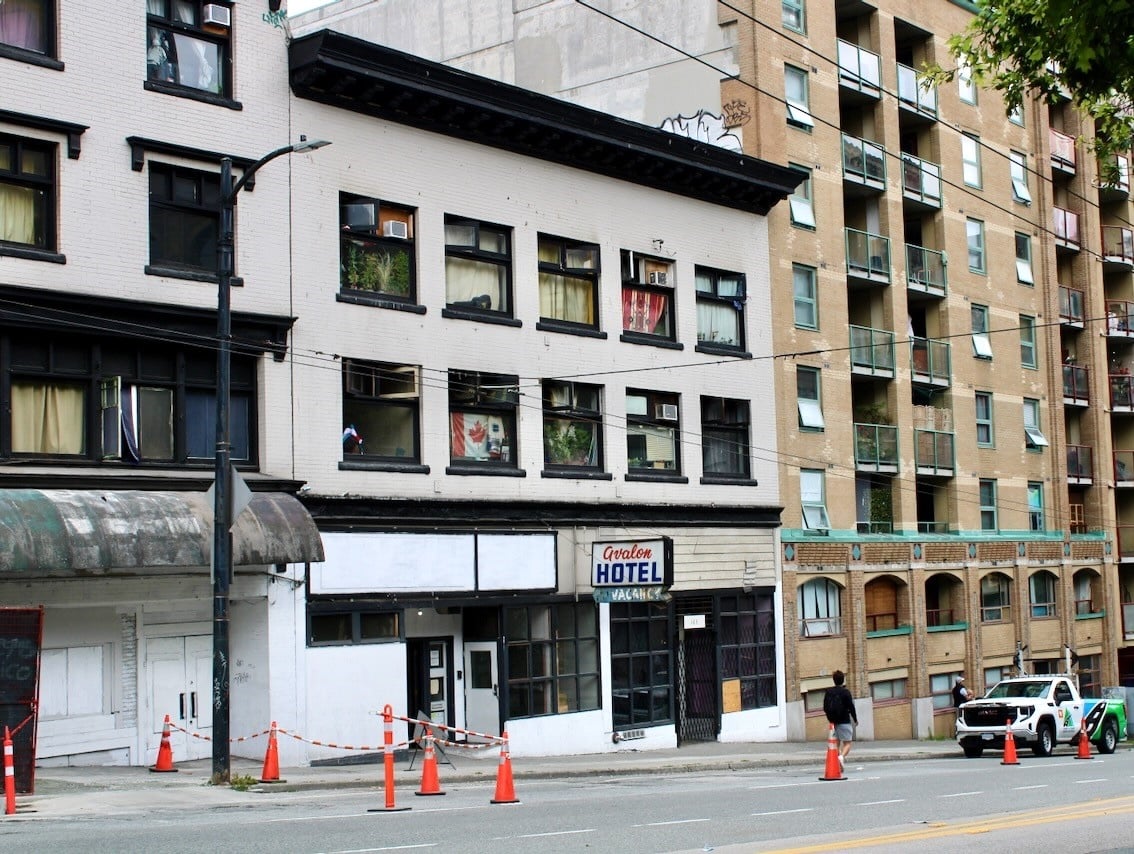
But on Sept. 10, 2021, an RCMP officer came to her door to tell Debby that her daughter had been found dead in the Avalon Hotel.
‘Things weren’t adding up’
Police said they spoke to the man who lived in the SRO room where Katica died. He said he’d met her in Victory Square park around 9:45 p.m. on Sept. 1 and invited her up to his room at 165 E. Pender St. for a “movie and a cuddle.” He told police that he and Katica had smoked methamphetamine and then he’d left to buy some alcohol just after 10 p.m.
When he came back at 10:25, he told police, Katica was unresponsive. The man said he spent about 10 minutes trying to wake her up. According to the man, Katica had died just an hour after he first met her.
But right away, paramedics, Avalon staff and police were suspicious of the man’s story.
And The Tyee’s review of information from an Office of the Police Complaint Commissioner report, the Vancouver Police Department’s final investigation report and the coroner’s report raises questions about what happened to Katica.
The police report records paramedics arriving at 10:18 p.m. They noticed that rigor mortis had set in along Katica’s jaw and neck and lividity — blood pooling beneath the skin — had started in her back, leading them to believe Katica had been “deceased for longer than what [the man] had originally stated,” according to the Office of the Police Complaint Commissioner or OPCC report. The paramedics pulled police aside to warn them that “things weren’t adding up.”
Rigor mortis is the stiffening of muscles after death and first appears in the hands and face three to four hours after death. Lividity is the blue or purple discolouration of the skin that happens as soon as one to two hours after death, as blood pools in the lowest part of the body.
Workers at the SRO told police that the male resident had approached staff at 9:15 p.m. that evening to tell them he had a girl in his room from the night before who was passed out. However, other staff members remembered the man bringing in another woman who did not look like Katica on Aug. 31.
The SRO staffers told police the man had then asked for a wheelchair at 9:55 p.m. to move Katica out of his room because she was completely unresponsive. At that point, a staff member called for an ambulance, but when paramedics arrived it was clear nothing could be done to revive her.
The two police constables who were the first to arrive on the scene, Brad Wilson and Jordan Thauli, believed the death might be suspicious and called their supervising sergeant, who notified a homicide detective.
Police began investigative work: canvassing the building to talk to other neighbours, interviewing the SRO staff and paramedics, arranging to securely hold the SRO room until the coroner could arrive, and interviewing the man in whose room Katica had been found.
Coroner Dean Cabrera was delayed several hours, but when he showed up just after 2 a.m., the police investigation ground to a halt.
That’s because Cabrera quickly determined Katica had died from an accidental overdose. At 7:22 a.m., her body was removed to Glenhaven Memorial Chapel, a funeral home, and police switched their focus to identifying Katica in order to notify her family.
The coroner’s decision ended the police investigation.
The coroner’s report
While an autopsy was never performed, toxicology testing showed that Katica had a potentially fatal mix of drugs in her body. Fentanyl and hydromorphone were found at potentially fatal levels, while several benzodiazepines and cocaine were also found at “recreational levels.” A high level of alcohol was also found. The coroner’s report states that there were no signs of traumatic injuries or foul play.
The coroner’s report notes that Katica was not a known drug user and was only known to use alcohol.
There is no information in the coroner’s report, the police complaint commissioner’s report or the police report that details how Katica ingested the drugs, and there is conflicting information about whether drug paraphernalia was found in the SRO room.
Several police officers told the OPCC investigator they saw only some tinfoil, and some noted in their reports that no drug paraphernalia had been found. But the coroner’s report describes finding white powder, naloxone and tinfoil in the room.
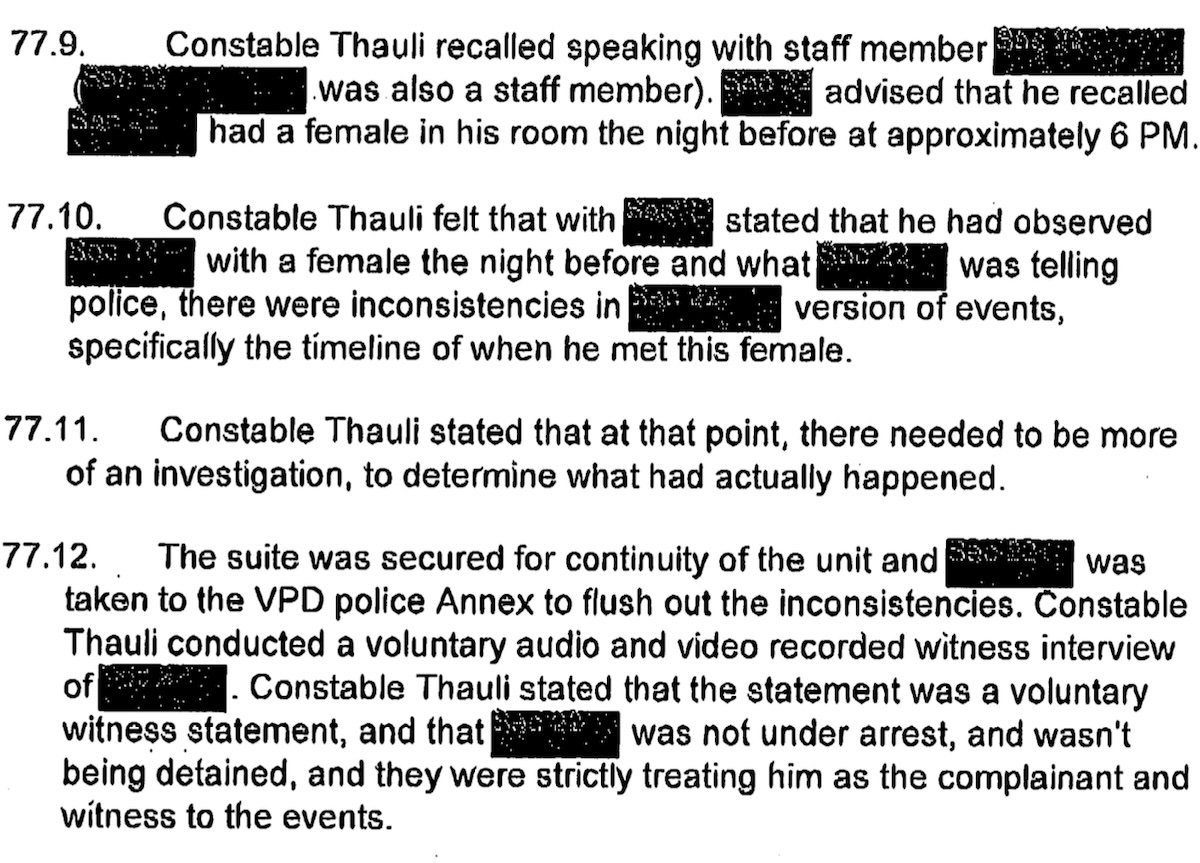
When the OPCC investigated whether police had done their jobs properly after Todorovic launched a formal complaint, investigator Doug Dodd, a current Vancouver Police Department sergeant, noted that officers could have gone back to the hotel to obtain CCTV video footage — a step that would have helped them determine when Katica had entered the building.
But because the coroner had determined that the death was an accidental overdose and not suspicious, “that took away their legal authority to seize any possible video footage,” Dodd wrote, and the officers could have been found to be in violation of the Police Act if they had gone back to obtain the video.
Dodd ultimately found that the police officers who had worked on the case had not engaged in any misconduct.
Coroners in BC do not need medical background
Gagnon, the former RCMP officer working with Todorovic, said the response highlights systemic problems.
“The problem with the coroner is this: the coroner asks the police what happened,” Gagnon said, “and the police asks the coroner, ‘What do you think?’ So it goes back and forth, and nobody makes the decision. It’s kind of a joint venture.
“But it’s not — because the coroner is not a medically trained individual.”
In British Columbia’s death investigation system, coroners do not have to have medical training, and the chief coroner has often been a former police officer or lawyer rather than a medical doctor.
(Following reports in The Tyee and CBC that explored concerns about the BC Coroners Service, a medical doctor, Jatinder Baidwan, was promoted to be chief coroner in August 2024. Baidwan had previously worked at the coroners service as chief medical officer, but critics have pointed out that Baidwan is not a pathologist.)
In B.C., coroners get specialized training to do their job and can draw on the expertise of forensic pathologists.
B.C.’s system is different from the medical examiner system used in Alberta, Manitoba, Nova Scotia and Newfoundland and Labrador. In those provinces, medical examiners must be physicians and are required to have training in pathology.
Ontario has a coroner system, but all coroners must be doctors, including the chief coroner.
Saskatchewan, Quebec, New Brunswick, Prince Edward Island, the Northwest Territories, Yukon and Nunavut use a coroner model that is similar to B.C.’s.
A group of professionals — including pathologists, lawyers, former police officers and politicians — has been lobbying for changes to B.C.’s coroner system.
Orde, the veteran pathologist, is concerned about the low number of autopsies performed in B.C.
But he’s also troubled by the practice of coroners with no medical background examining bodies and making determinations of cause of death.
Orde said coroners in B.C. commonly look at the scene and do a limited examination of the body but don’t fully undress or move the body, in order to preserve evidence. He said the body should then be examined in a morgue by a pathologist — but that second step is often not happening in B.C.
“It obviously depends on who the coroner is, what the extent of training and understanding of medical issues at play is,” Orde said.
“But in general, I have concerns about whether or not these coroners are appropriately qualified to undertake an examination at the scene — bearing in mind that that may be the only examination of the deceased person that is undertaken.”
Orde said it’s a problem that the body is often examined only at the scene of death.
“That's not the ideal setting in which to conduct a proper examination,” he said, noting there may be low lighting or the distraction of grieving relatives at the scene.
The Vancouver Police Department report states that Cabrera, the coroner, examined the body at the scene but provides no other details. The Tyee asked the BC Coroners Service whether and how Katica’s body was examined after it was removed from the SRO room. The service responded by email, saying that it “does not discuss details of its investigative techniques in a particular case, apart from what is set out in the Coroner’s Report.”
A coroner’s investigation “considers all aspects of the circumstances of a death in determining the investigations necessary,” according to the statement.
“This includes the medical and social history of the decedent, findings at the scene of death, examination of the decedent, discussion with the family, and consultation with law enforcement and other first responders in attendance.”
Orde said that if a pathologist had examined Katica’s body at some point, there would be “a report in the pathologist's name setting out their findings and conclusions.
“I don't see that document in the materials that you sent to me,” he said, referring to the police complaint commissioner’s report, Vancouver Police Department report and coroner’s report.
Questions about the police investigation
But Gagnon also has problems with the way the police conducted the investigation. He said the VPD’s investigation falls short of the procedure he’s familiar with as a former RCMP officer.
“Sudden death scenes, when I was working, it had to be perfect. We had to immediately secure the scene, call GIS, call the senior investigator,” Gagnon said, referring to General Investigative Services, a section of the RCMP’s Serious Crime Branch.
“Everything had to be monitored, who went in, who went out, the time, so the scene doesn’t get disturbed and compromised. It was so strict — and that’s not what I see with this file.”
Gagnon said if he had been the officer in charge of the sudden death investigation, he would have spent more time interviewing the man in whose room Katica was found.
And, Gagnon said, he would have ordered photos of the body. The VPD told The Tyee that taking photos of the body would have been the coroner’s responsibility.
Gagnon also questioned why the homicide investigator was called but never showed up in person to take a look at the scene.
“If you had no doubts, would you call homicide?” Gagnon asked. “There’s nothing you can do remotely.”
Elenore Sturko, a Conservative Party of BC MLA who is also a former RCMP officer, has been pushing the BC Coroners Service to increase the province’s autopsy rate.
After reading the OPCC report detailing the investigation steps taken in Katica Dusanic’s death, Sturko said she could see there were many questions about inconsistencies in the “primary witness’s” statement.
“When did they go to the store, when did they call for help, asking someone to help them to move the decedent from the room that they were in,” Sturko listed, using the coroner’s term for a deceased person.
“There were a lot of questions — I would have liked to see a little bit more thorough investigation of that.”
But Sturko said it’s easy to judge an investigation in hindsight, and she also raised the reality of “compassion fatigue” — the emotional burnout that would likely have weighed on first responders in 2021 after seeing so many deaths caused by unregulated drugs.
Based on her experience as an RCMP officer, Sturko said the coroner’s determination of the cause of death is a major factor in the direction of police investigations. In most cases, Sturko said, when the coroner rules a death accidental, the police officers also adopt that conclusion.
Many people who use drugs keep it a secret from their families. Orde said Katica may have taken the drugs willingly. The timeline discrepancies could be explained by the main witness — the hotel resident — being upset (the explanation the police settled on, according to the OPCC report) or intoxicated.
But Orde said that if Katica’s death was accidental, a complete post-mortem examination would have helped to rule out the initial suspicions.
“These negative findings are important because it helps allay concerns, anxieties and fears that something untoward may have happened to a deceased individual,” Orde said.
‘My girl matters’
Gagnon is calling for a coroner’s inquest, arguing it would help to establish what the police and coroner did or did not do to investigate the sudden death.
Gagnon pointed out that the BC Coroners Service held an inquest for Sidney McIntyre-Starko, an 18-year-old University of Victoria student who died of a drug overdose in 2024. The inquest confirmed that McIntyre-Starko had died of an accidental overdose but made several recommendations to improve emergency response procedures at the university.
The decision to hold an inquest followed months of McIntyre-Starko’s middle-class family advocating in the media for changes. Gagnon said that even though Dusanic was a low-income woman living with an addiction in the Downtown Eastside, her death and the questions around it deserve the same care and attention.
B.C.’s minister of public safety, Garry Begg, recently announced an inquest would be held for Tatyanna Harrison. The 20-year-old Indigenous woman was found on a deserted boat in a Richmond marina in 2022 after she went missing from the Downtown Eastside. Her mother, Natasha Harrison, has spent years fighting for answers.
Like Todorovic, Harrison has deep concerns about the quality of the police and coroner investigations. A coroner initially found that her daughter had died of sepsis (a blood infection), but when Orde reviewed the findings, he concluded there was not enough evidence to support that cause of death.
In B.C., inquests are mandatory if the deceased was “in the care or control” of a peace officer, which can include police, corrections officers, sheriffs and customs officers.
For other cases, the chief coroner can decide to hold an inquest if they determine “it would be beneficial for addressing community concern about a death, assisting in finding information about the deceased or circumstances around a death, and/or drawing attention to a cause of death if such awareness can prevent future deaths.”
Gagnon said he believes Katica Dusanic’s case fits those criteria.
“If they were right that Debby’s daughter OD’d, that’s fine, I can take that,” Gagnon said. “But we’ll never know.”
Todorovic said she’s committed to finding answers to what happened to her daughter.
“This file will be reopened,” Todorovic said. “My girl matters.” ![[Tyee]](/design-article.thetyee.ca/ui/img/yellowblob.png)
Read more: Health, Rights + Justice





Tyee Commenting Guidelines
Please note that email notifications for replies are not currently working due to a software issue which may be resolved in a future update.
Comments that violate guidelines risk being deleted, and violations may result in a temporary or permanent user ban. Maintain the spirit of good conversation to stay in the discussion and be patient with moderators. Comments are reviewed regularly but not in real time.
Do:
Do not: