 SHARE:

On Nov. 8, as Irene Alec walked along the main throughfare in downtown Burns Lake, she stooped to pick up a green cloth shopping bag that was lying in the road and placed it on the sidewalk.
Moments later, she found herself handcuffed in the back of an RCMP vehicle.
“I guess we can’t keep Canada clean, eh?” the 69-year-old member of the Lake Babine Nation chuckled in a recent interview with The Tyee.
While Alec joked about the incident that saw her briefly detained and fined $115, she said it’s also left her fearful of police officers. She’s lived in Burns Lake much of her life and never had a run in with the law, she said.
“I always pick up garbage,” said Alec, who frequently takes walks for exercise. “The cop, he just parked right in front of me, and he said, ‘Did you just litter?’ I said, ‘No, I did not litter. I just picked that bag up and put it in a safe spot.’
“I was walking away. That's when he grabbed my arm, and I have a great big bruise where he grabbed me.”
Alec estimated that she was held in the officer’s vehicle for about 15 minutes before being fined and released. She went directly to the local courthouse where an employee helped to calm her down, she said.
“My whole body was just shaking,” she said. “I was so embarrassed. I felt that small. I never got handled like that by the RCMP in my life.”
Alec has filed a complaint with the local detachment and will fight the ticket, she said. An RCMP spokesperson said the force is reviewing the incident.
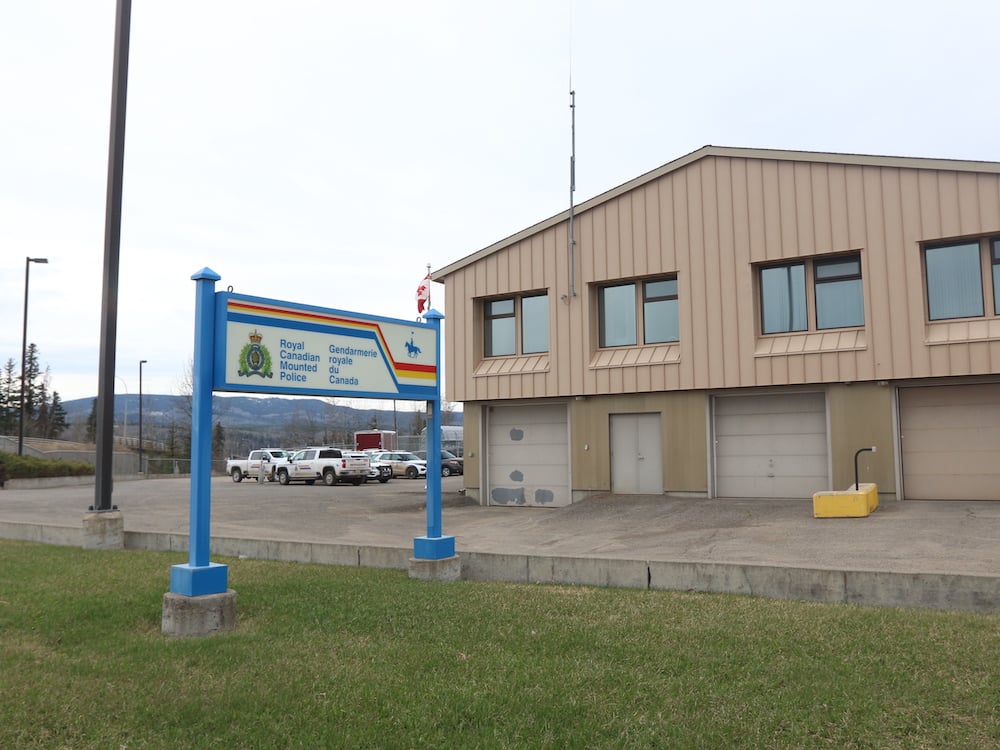
Burns Lake, a community of fewer than 2,000 residents located about 200 kilometres west of Prince George, has recently been the focus of a Canadian Human Rights Tribunal inquiry into the RCMP’s handling of historical sexual assault allegations made by another Lake Babine Nation member against a “prominent, well-known Canadian” more than a decade ago.
The RCMP’s 18-month investigation expanded to include broader allegations of abuse in the late 1960s at Immaculata Elementary School, a day school where some First Nations children were forced to attend. The investigation ended in 2013 without charges.
Department of Justice lawyers representing the RCMP at the inquiry argued that there was insufficient evidence to recommend charges. But complainants from the Lake Babine Nation countered that investigators didn’t take into account long-standing mistrust of police in First Nations communities, a result of historic mistreatment, including the RCMP’s role in forcibly removing children who were sent to residential schools.
In its final submission to the tribunal in June, RCMP lawyers argued that the force had already taken steps toward reconciliation, including cultural awareness and trauma-informed investigative practices.
“As such, no further remedial action is required,” the Department of Justice lawyers wrote, before asking the tribunal to dismiss the complaint.
A decision from the tribunal, which heard 44 days of testimony, including two weeks in Burns Lake, is expected by early next year.
Elder also an Immaculata survivor
Alec, who is a survivor of Immaculata school and is preparing to take a Hereditary Chief name, says she hadn’t previously felt fearful of police.
“Every time I see a cop, I start shaking,” she said. “I hope it never happens to another Elder, because it sure shook me up.”
She said she has not heard directly from the officer but would like a face-to-face meeting to share with him how the interaction affected her.
Lake Babine Chief Wilf Adam told The Tyee that the nation is waiting on the outcome of the RCMP’s internal investigation before determining next steps.
In an email, RCMP Staff Sgt. Kris Clark said the force is investigating the recent complaint and encouraged anyone alleging misconduct to report it directly to the RCMP or its independent oversight agency, the Civilian Review and Complaints Commission.
“I can confirm that detachment leadership has been engaged and offered an apology for how this interaction affected her,” Clark wrote.
“A full review is underway and until that review is completed it would be premature to conclude exactly what occurred during the interaction and whether remedial action is required.” ![[Tyee]](/design-article.thetyee.ca/ui/img/yellowblob.png)
Read more: Indigenous, Rights + Justice