


 SHARE:
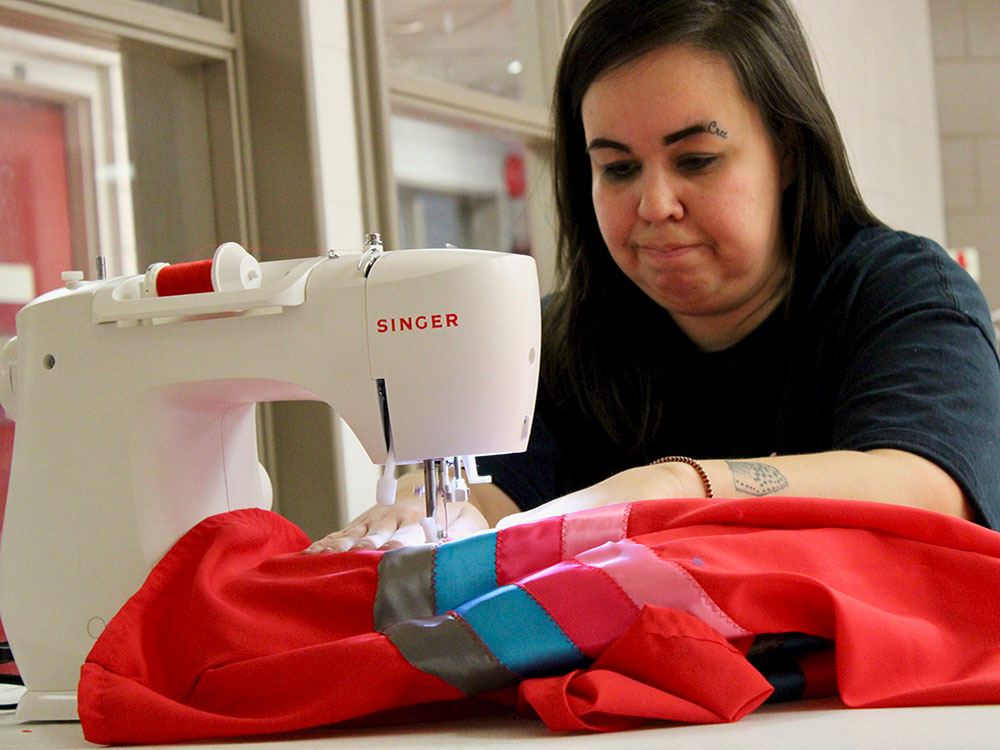
In early January, Jamie Smallboy made the first of several trips to Dressew. In the basement aisles of the downtown Vancouver sewing store, Smallboy and her niece, Misty Small-Alexander, eyed bolts of red fabric and spools of ribbon. They ended up buying the store’s entire supply of ribbon — twice — and pretty much cleaned out the stock of red fabric.
The Downtown Eastside Women’s Memorial March has taken over the streets on Feb. 14 since 1992. It’s a chance to remember sisters, daughters, cousins, nieces, aunts and friends lost to violence, to call for change and to assert the power of Indigenous women.
Veronica Butler remembers that in the early days of the march, participants just wore their ordinary clothes — jeans and sweatshirts. But in recent years, more people have been wearing regalia and ribbon skirts when they join the march.
“It [brings] a real sense of representing our families, our culture, our nations. There’s so many different nations coming in with their regalia — you can see when they’re wearing a cedar hat, a cedar shawl, a cedar skirt,” said Butler, a Downtown Eastside resident and Elder.
“It shows the different communities that are part of the Downtown Eastside community.”
For the past four years, Smallboy has been organizing volunteers to sew ribbon skirts in the months leading up to the march. In the hours before the march starts, the families of missing and murdered Indigenous women speak about their loved ones. It’s emotionally taxing, and after they speak they’re gifted with a blanket and a rose, as well as a ribbon skirt.
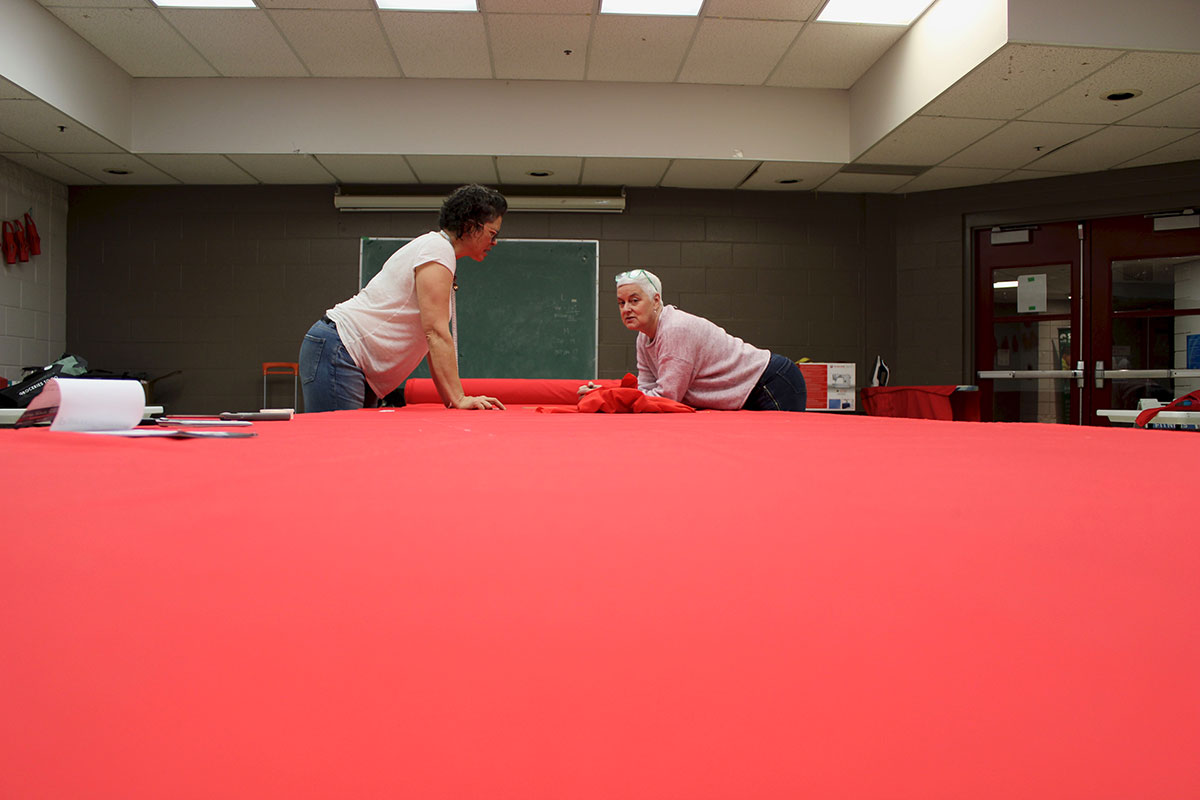
Long skirts with colourful ribbon appliquéd above the hem, or sometimes reaching higher up the skirt in row after row, have been made by First Nations and Métis women for two centuries. Many Indigenous women now wear them to special occasions, like graduations or family gatherings.
Ramona Shirt had come to Strathcona Community Centre to help sew on a rainy Saturday in mid-January. She had learned to sew from her mother, a seamstress who has made many ribbon skirts. Shirt said volunteering to sew in preparation for the march has been a way to connect with her culture and other Indigenous women in the city, far from her home community of the Cold Lake First Nations in Alberta.
“A lot of my cousins wear them day-to-day, and I try once a week,” said Shirt.
“It makes me feel kind of powerful… because growing up Indigenous in the early ’90s, we kind of learned to be ashamed of ourselves. So it's kind of stepping out of that and just being really loud and proud.”
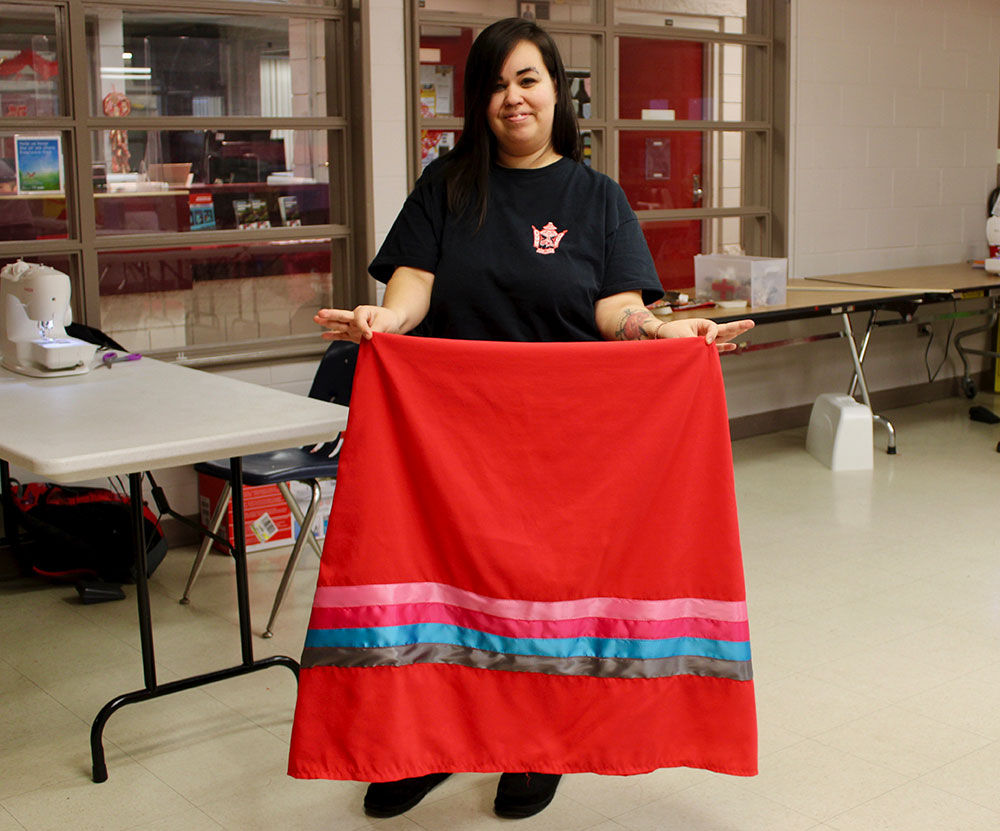
Smallboy said she was given a ribbon skirt several years ago when she was reconnecting with her culture and home community of Maskwacis, Alberta.
“I was gifted a ribbon skirt because I was healing, and to identify myself in the spiritual realm as a life-giver,” she said. Wearing a ribbon skirt makes her feel connected to who she is as an Indigenous woman, and to her ancestors.
“They went through different levels of hell,” Smallboy said, “but they managed to keep their traditions and culture alive.”
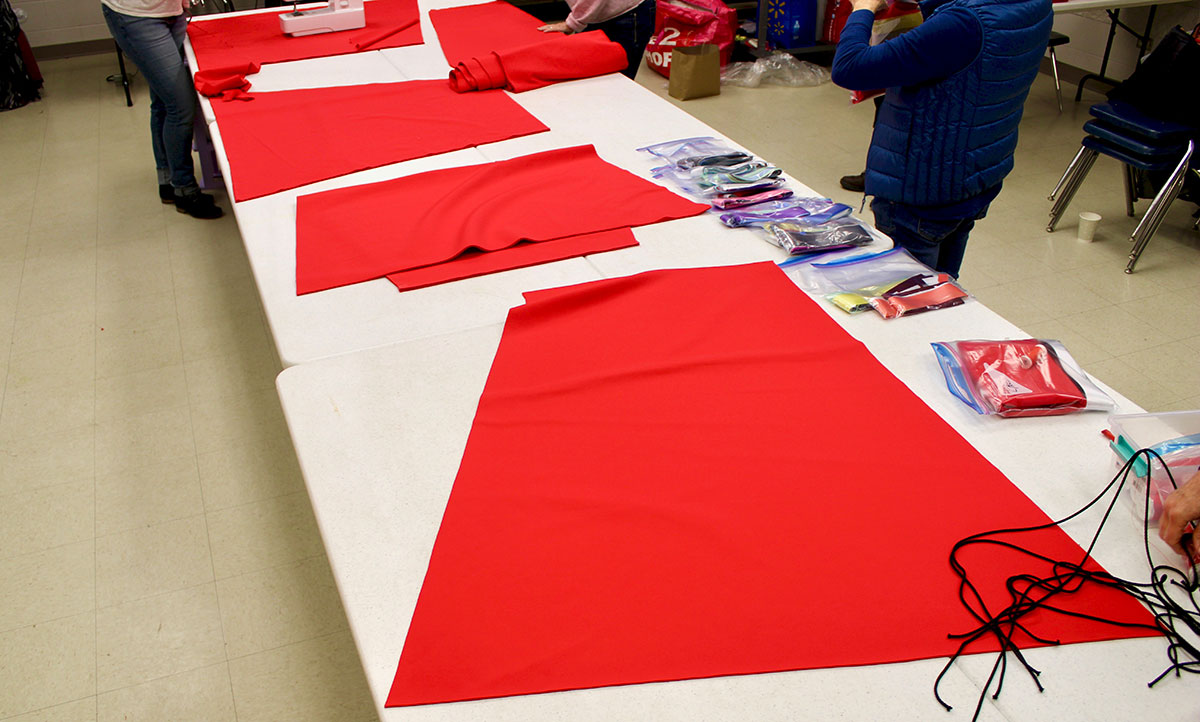
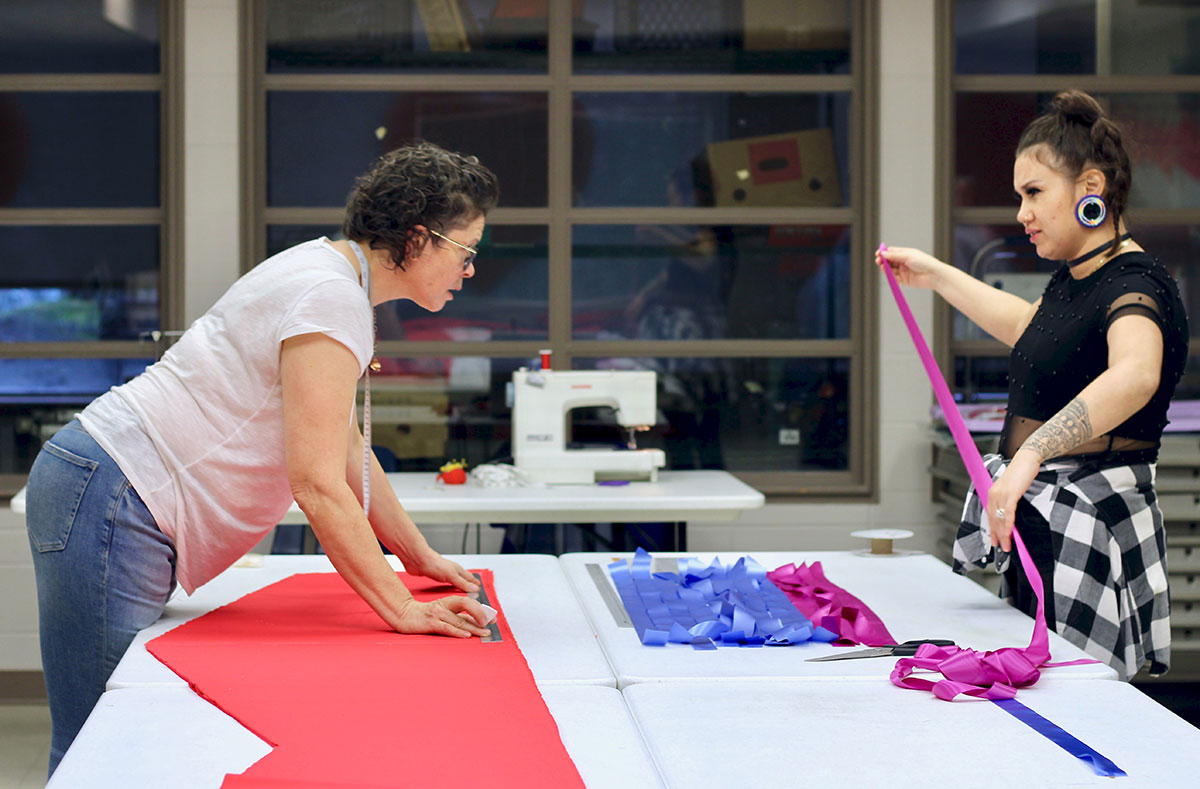
In 2019, Smallboy and her family members made the first batch of around 100 skirts to gift at the Women’s Memorial March. Smallboy recently created an official organization called Sweetgrass Sisters Healing Society to help with fundraising for the roughly $5,500 of materials, snacks for volunteers and honorariums for Elders who are present at the sewing sessions to offer support.
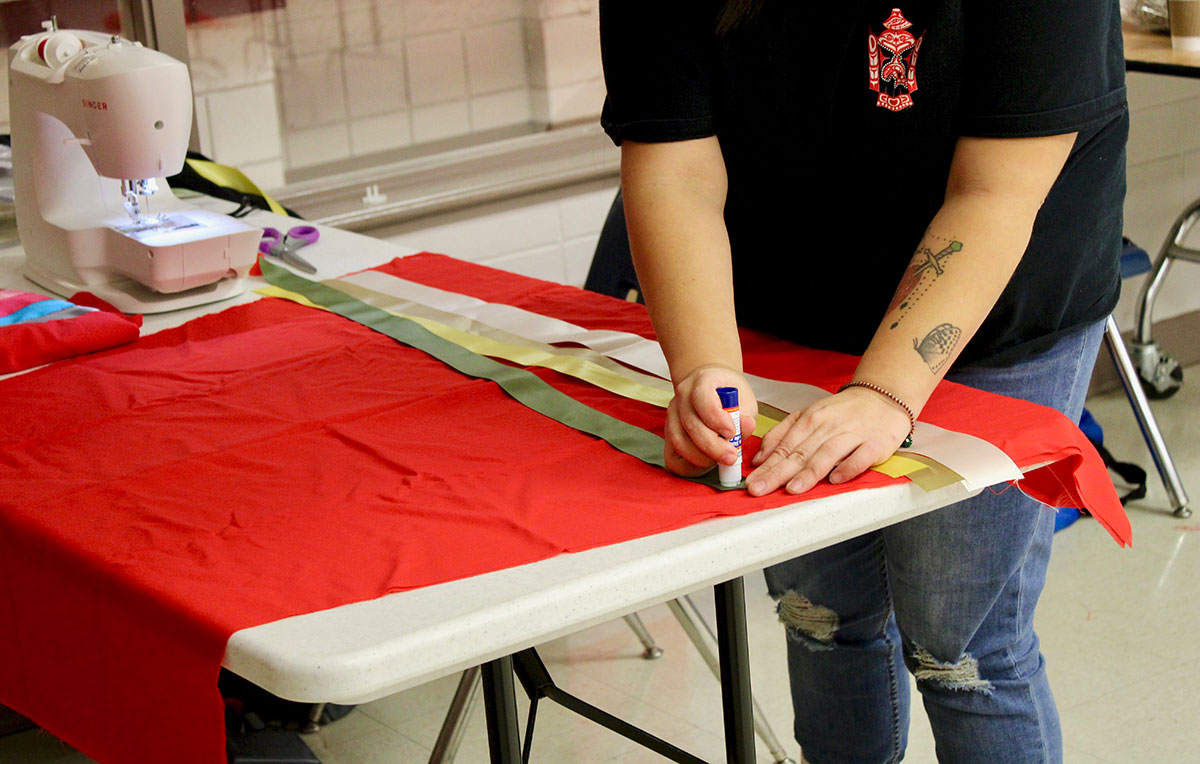
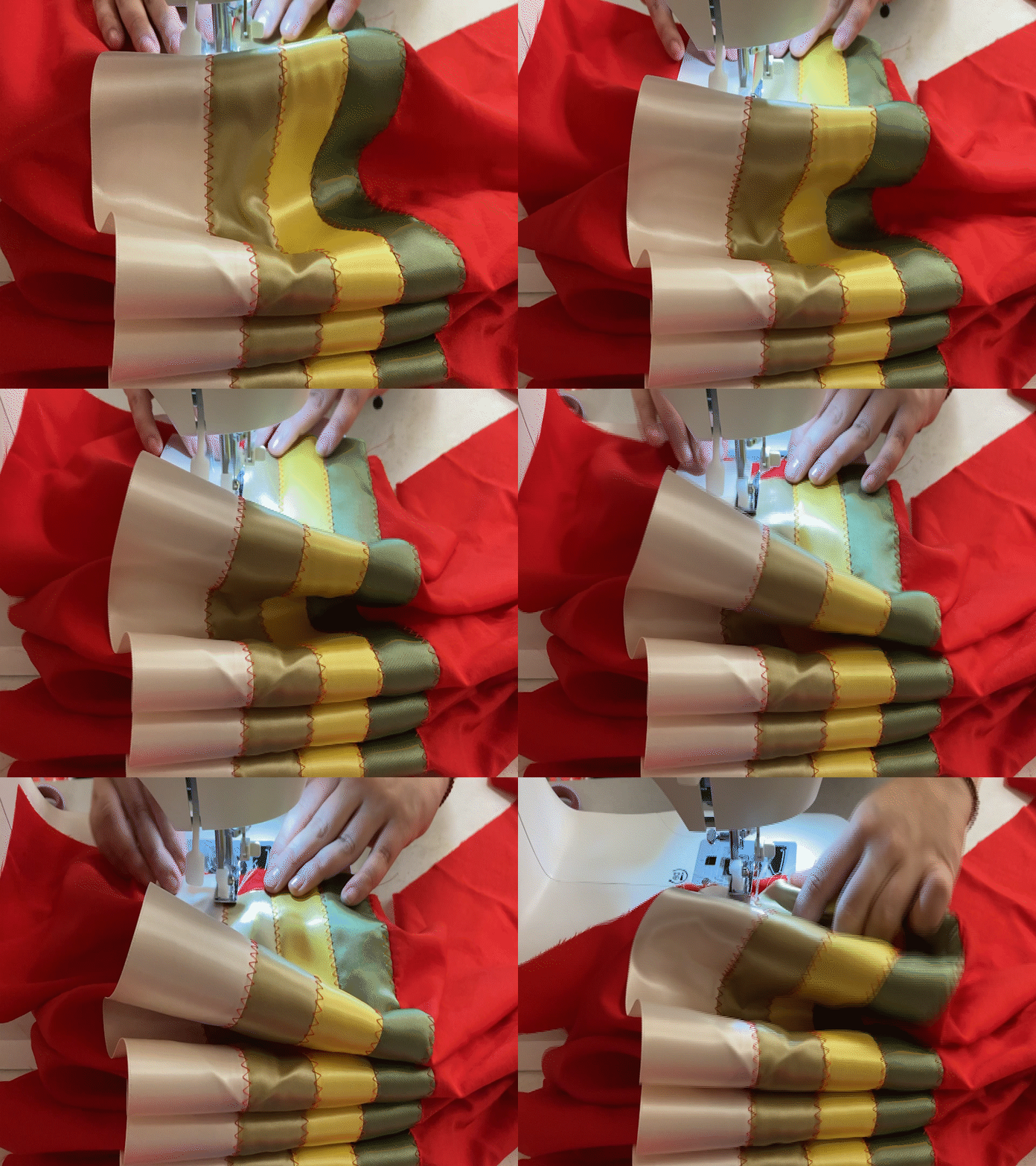
Smallboy’s family struggled this year with the tragic loss of her nephew Darius. The 23-year-old went missing in October and his family spent weeks searching for him. Then they received the devastating news that he had died, but not been identified for two weeks.
In November and December, when Smallboy would usually start gathering materials and sewing, “I didn’t have the heart,” she said.
“I didn’t feel like doing it — but it has a life of its own now.”
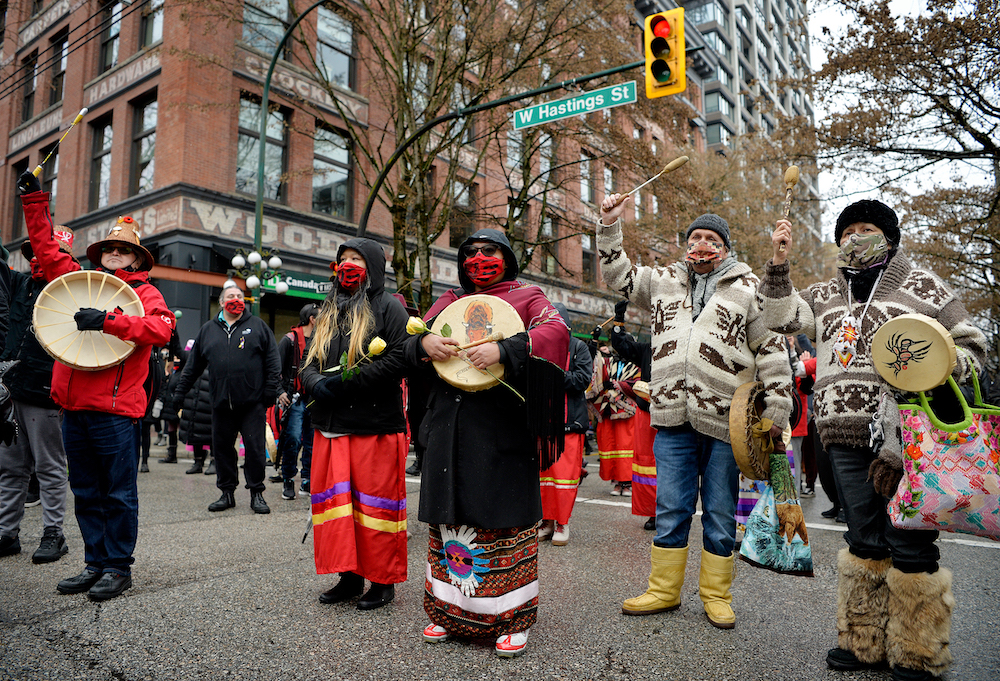
Throughout January and February, volunteers gathered every weekend at Strathcona Community Centre to sew and organize material, ribbons and thread into kits that can be picked up and taken home to sew.
All the skirts sewn for the march are made out of red fabric. Smallboy explained that wearing the flowing red dresses is an invitation for lost loved ones to “come march with us.” Red is a significant colour to Cree people because it is the only colour a spirit can see.
Smallboy says Dressew, the local, family-owned sewing store at 337 W. Hastings St., was the earliest supporter of the ribbon skirt project, offering the first donation to help purchase supplies.
Many of the volunteers who come to help sew and bring equipment are non-Indigenous women who don’t carry the same trauma that Indigenous women do, but want to help.
“Sitting at those tables, I’ve asked many of them what brought you to the project — have you known anyone, or has anyone in your family gone missing or been murdered? And I’ve only come across one,” Smallboy said.
“But that’s the touching part — they haven’t, but they want to help. They want to support the families that have." ![[Tyee]](/design-article.thetyee.ca/ui/img/yellowblob.png)
Read more: Indigenous, Rights + Justice, Gender + Sexuality







Tyee Commenting Guidelines
Comments that violate guidelines risk being deleted, and violations may result in a temporary or permanent user ban. Maintain the spirit of good conversation to stay in the discussion.
*Please note The Tyee is not a forum for spreading misinformation about COVID-19, denying its existence or minimizing its risk to public health.
Do:
Do not: