

 SHARE:
When it comes to racist activity, Canadians like to think that we’re not quite as horrific as our neighbours to the south. But True North, a new documentary from director Michèle Stephenson, makes clear that this simply isn’t the case.
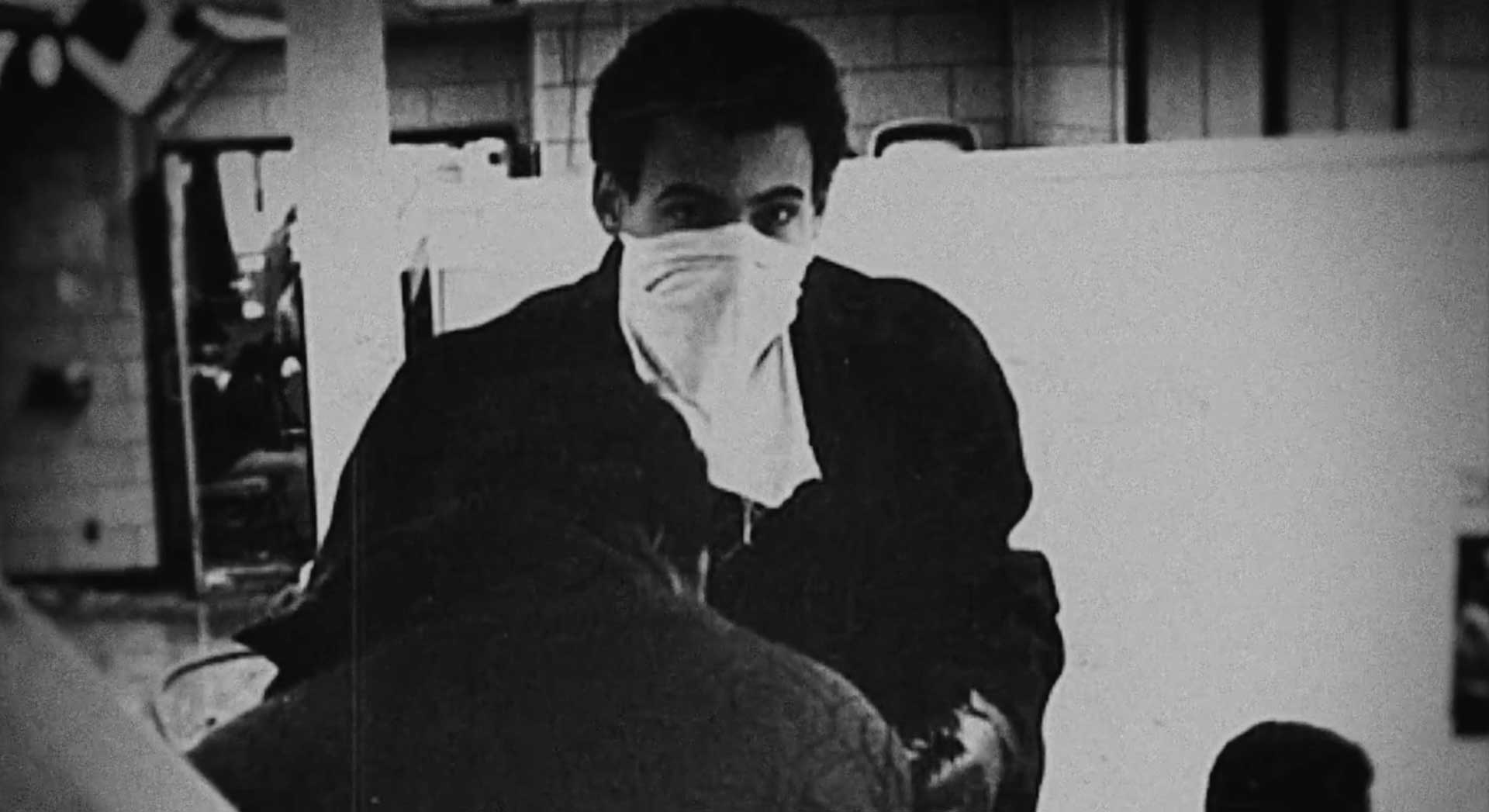
Stephenson uses the events surrounding the 1969 student protest at Sir George Williams University, now Concordia University, in Montreal to illustrate that under the thin veneer of Canadian niceness, antediluvian bigotry and intolerance lurk. The George Williams protest, which took place from January to February 1969 in the Henry F. Hall Building on campus, was the largest student protest against anti-Black racism in Canada.
While the student occupation of George Williams dominates the bulk of the narrative, the film takes the time to draw a bigger picture of racial relations in Canada. It moves from the experience of people growing up in Haiti and the Caribbean who viewed Canada as a place of hope through their immigrant experiences, to the final fiery clash between student activists and the Montreal police.
Intolerance is a learned behaviour passed from one generation to the next, as a series of archival interviews with young Quebecers makes clear. The interviewees are asked if their parents dislike Black people. A good portion answer yes.
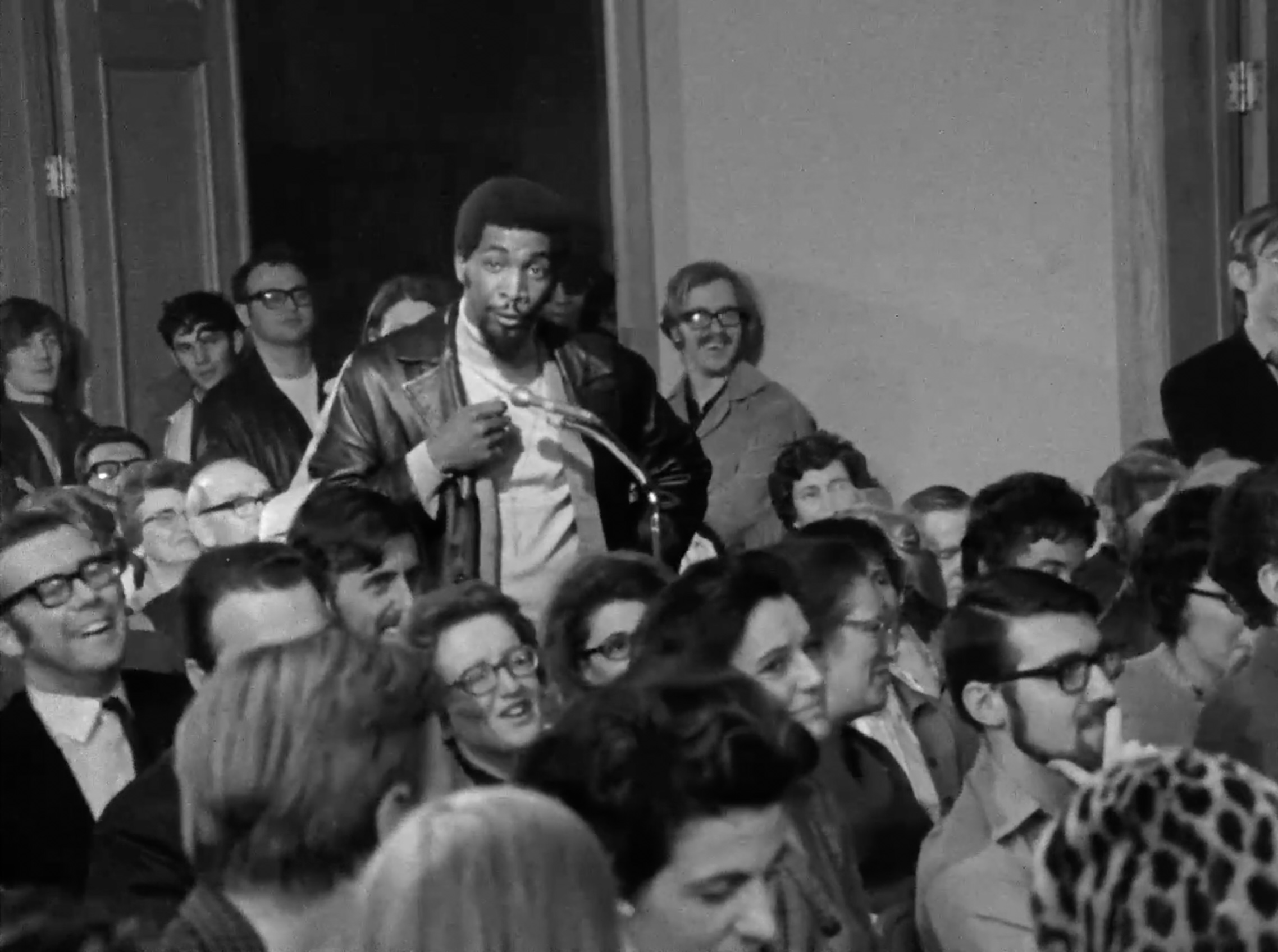
The deep roots of racism were laid down early in Canada. In a televised interview, Roosevelt Bernard “Rosie” Douglas cites the facts that slaves from Sierra Leone were brought to Canada, and the founder of McGill University was himself a slave owner.
Douglas, who would go on to become the prime minister of Dominica, is articulate, erudite and extremely pissed off. His statements set the tone for the action to come.
But the predominant feeling in the film isn’t so much anger as deep and profound sadness.
It’s present in the stories that many of the people interviewed. Dr. Norman Cook recounts the experience of his white childhood friend telling him not to come over, as the family had relatives from the United States visiting who didn’t like Black people. As he says, “He could never be my friend again after that. That was it.”
Brenda Dash talks about coming in first place academically in her Catholic school class, an honour which normally resulted in leading the Ascension Day parade. But when she was placed in the back, and was told she was too tall, her parents were angry enough to visit the school. Nothing changed.
For young Haitians like Philippe Fils-Aimé, fleeing the violence and oppression of dictator François Duvalier, Canada offered a way forward that was a little less draconian than what was expected in the United States.
Fils-Aimé fled to Canada after being drafted to fight in the Vietnam War, gaining entry after a border guard told him to pretend he was on skiing trip.
Like Johan Grimonprez’s earlier film, Soundtrack to a Coup d’Etat uses music to orchestrate, add counterpoint and underscore the action. It’s a loose, almost freewheeling approach, anchored by the gravitas and immense dignity of the people interviewed.
Most of the people who took part in the sit-in at Sir George Williams are now in their elder years, but their accounts of the sit-in and its surrounding events remain vivid and bright with pain.
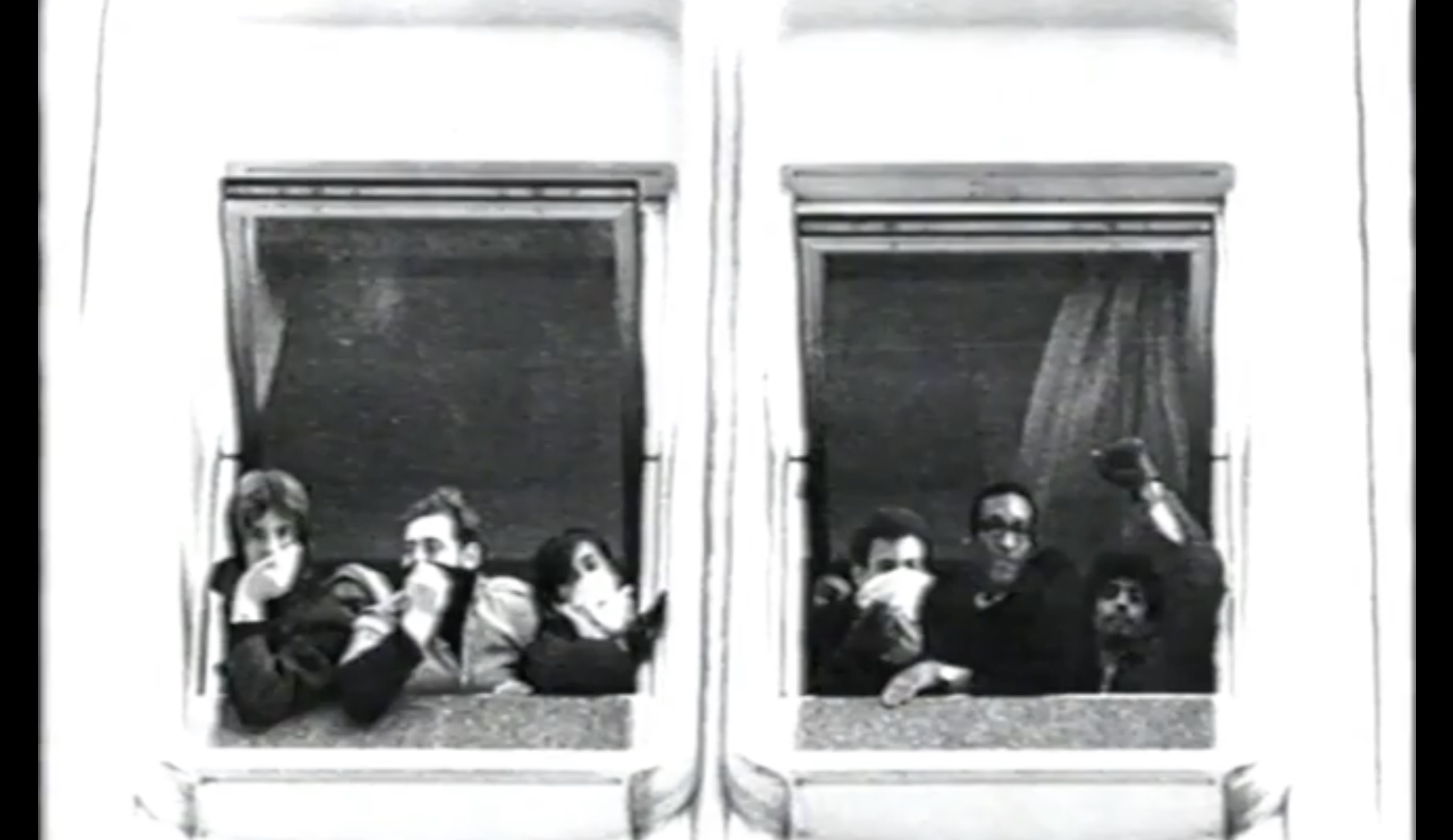
Fighting institutional racism
The largest student occupation in Canadian history started when a young man was denied the opportunity to write a makeup exam in professor Perry Anderson’s biology class at George Williams. Anderson had a reputation for racism, but he was also ostensibly the gatekeeper for medical school. Students who wanted to study to become doctors were forced to take his class.
Dr. Rodney John, a Black student who experienced discrimination in Perry’s class, remembers a story about a white classmate copying his Black lab partner’s paper, word for word, and getting a higher mark on the assignment.
As John explains in the film, it was a common pattern for Perry to favour white students. But despite documented evidence of his prejudice, the university did nothing.
When six students demanded that the university investigate Perry’s unfair grading practices, the ground was set for an epic confrontation. The university struck a committee to look into the allegations and write a report on their findings. The report was supposedly sent to administrators but never materialized.
After months of waiting, the students took matters into their own hands, organizing meetings and protests to force the university to take action.
In the winter of 1969, frustration finally boiled over. On Jan. 29, more than 400 students, both white and Black, set out for the university’s computer lab in the Henry F. Hall Building. The lab was deemed both vulnerable and valuable, according to notes taken at a meeting between the university administration and an advisor from California named Eugene Genovese, who had helped American authorities undermine the Black Panthers organization in the United States.
An article in the student paper stated that the university’s real fears, revealed in the security meeting minutes, were around the computer centre as a point of weakness. After negotiations broke down, one activist explains that the decision was made to occupy the computer centre.
“Computers were expensive, back then,” she said. “So, we’ll hit you where it hurts.”
The events of that day have been documented in other films and series, including the NFB’s feature documentary Ninth Floor.
But Stephenson brings a breadth of vision, giving each of the people interviewed time to tell their own experiences. This expansive approach extends to the time and culture of the moment, including the famous Congress of Black Writers, held at McGill University in October 1968 that featured Stokely Carmichael offering his famous credo “Black is Beautiful.”
As one of the organizers of the event explained, it wasn’t just a writers’ congress: “It was a festival of Black consciousness.”
In the late 1960s, revolution and seismic social change were in the air. Universities were often the focal point for student organization and protests.
Although the students at George Williams had initially expected the sit-in to be brief, the occupation stretched into weeks as negotiations between the activists and university administration dragged on.
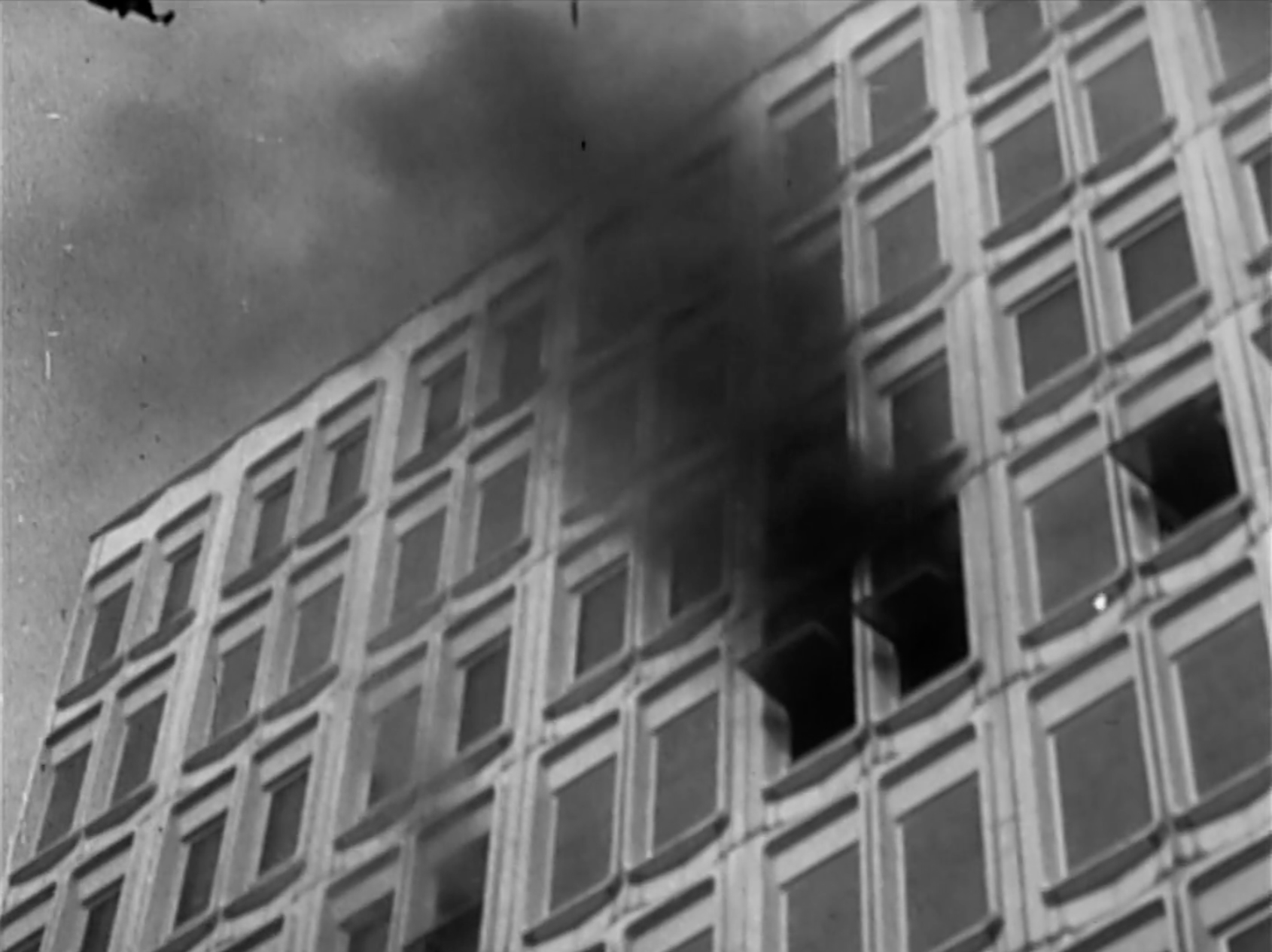
After the university promised to launch a new investigation into the systemic racism of the institution, the students were cleaning up the computer lab, aiming to leave the place spotless when the police launched a raid. As the riot squad stormed the building, the students fought back with whatever was at hand, throwing computer punch cards out the windows and using a firehose to blast the police.
When fire broke out in the building, the largely white crowd that had gathered outside chanted, “Let the n— burn.” [Editor’s note: this quote has been altered to meet The Tyee’s editorial standards].
For the students, lasting harms
Among the 97 students arrested were Rosie Douglas and Anne Cools. Douglas was sentenced to two years in prison and was later deported.
Brenda Dash was routinely harassed by the Montreal police for years after her involvement with the occupation. She was arrested multiple times and, in one instance, the police kicked down the door to her house at 5 a.m.
Dash, who died in 2024, explains that although she was never charged, she was on activist list.
Other participants in the occupation found it hard to find employment after.
A young woman named Coralee Hutchison who suffered head trauma in the altercation with the riot squad died later from her injuries.
Professor Anderson, meanwhile, was reinstated by the university. He was declared not guilty of racism by the newly appointed hearing committee on the case.
It wasn’t until 2022 that the university offered an apology.
In True North, Rodney John, a key member of the protest, looks to the camera wearily.
“It took me 35 years to reconcile the pieces of my life,” he said, “So that I can sit down today and talk to you about this without tearing up.”
‘True North’ screens at the VIFF Centre in Vancouver on Feb. 28 featuring a musical performance by composer Andy Milne. This VIFF Live event is co-presented with Infidels Jazz and is part of the Celebrating Black Futures series with the Vancouver Art Gallery. ![[Tyee]](/design-article.thetyee.ca/ui/img/yellowblob.png)
Read more: Rights + Justice, Music, Film



Tyee Commenting Guidelines
Please note that email notifications for replies are not currently working due to a software issue which may be resolved in a future update.
Comments that violate guidelines risk being deleted, and violations may result in a temporary or permanent user ban. Maintain the spirit of good conversation to stay in the discussion and be patient with moderators. Comments are reviewed regularly but not in real time.
Do:
Do not: