


 SHARE:
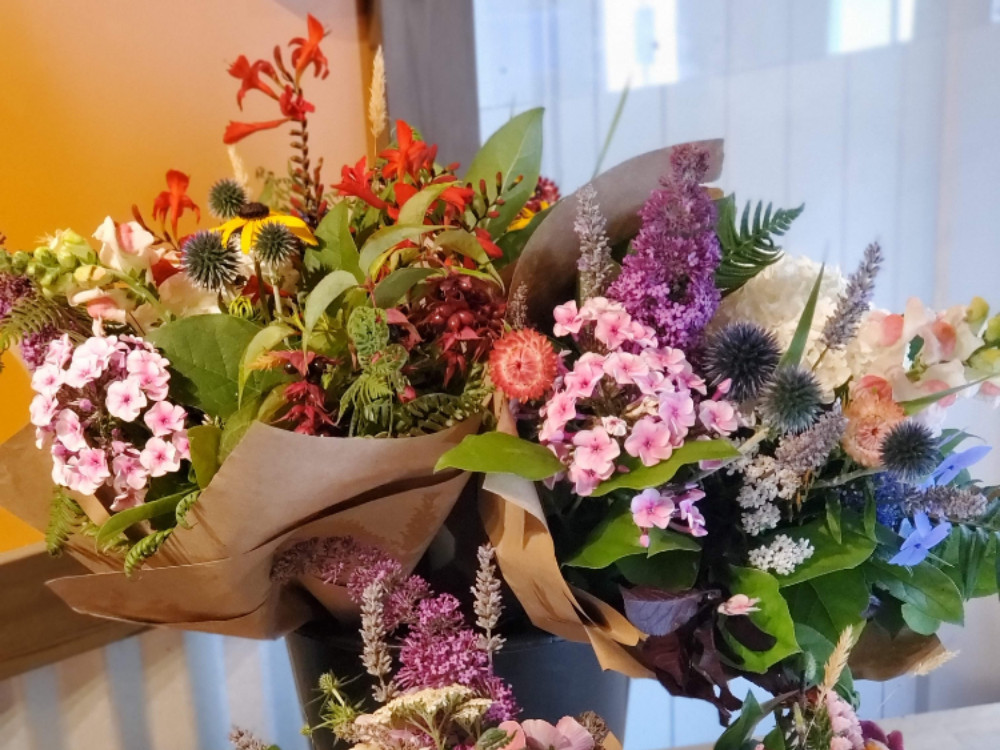
Embarrassingly, it wasn’t until I first moved to B.C. in 2009 that I realized why holly — an invasive here, but ever-present — was considered a Christmas plant. Growing up in Hamilton, Ontario, I’d obligingly drawn its spiky leaves and poisonous red berries on festive art as a child, thinking of it as something abstract and magical, rather than a seasonal burst of colour that actually appeared along roadways and in people’s gardens.
After I began gardening, even though I mostly focus on vegetables, I started thinking a lot more about the flowers and plants in my yard and my neighbourhood that support pollinators. They’re a key plank of what supports a healthy ecosystem for local food.
And they’re also worth celebrating in their own right — now that I’m a bit more attuned, I love to see the hellebore and heather blooming in late winter and early spring, followed by camellias, tulips, crocuses, magnolias and anemones. They help me mark the seasons and feel rooted in the rhythms of place.
The excellent Victoria-based publication Hakai Magazine also made a great case a few months ago for why it’s time for a “reckoning around the true environmental and social costs of flowers.” In short, the floral industry is rife with the use of single-use plastics such as floral foam, which contains phenol-formaldehyde resins and forms microplastics, which easily wash down the drain when people empty their vases.
Basically, it’s time for change. Ahead of Mother’s Day — a key time of the year to “say it with flowers,” as Hakai points out — we’d love to see your local, sustainable solutions for backyard blooms.
Just up the road from me, my friend Jen Burry runs an organic cut flower business, Juniper Gardens, from her yard.
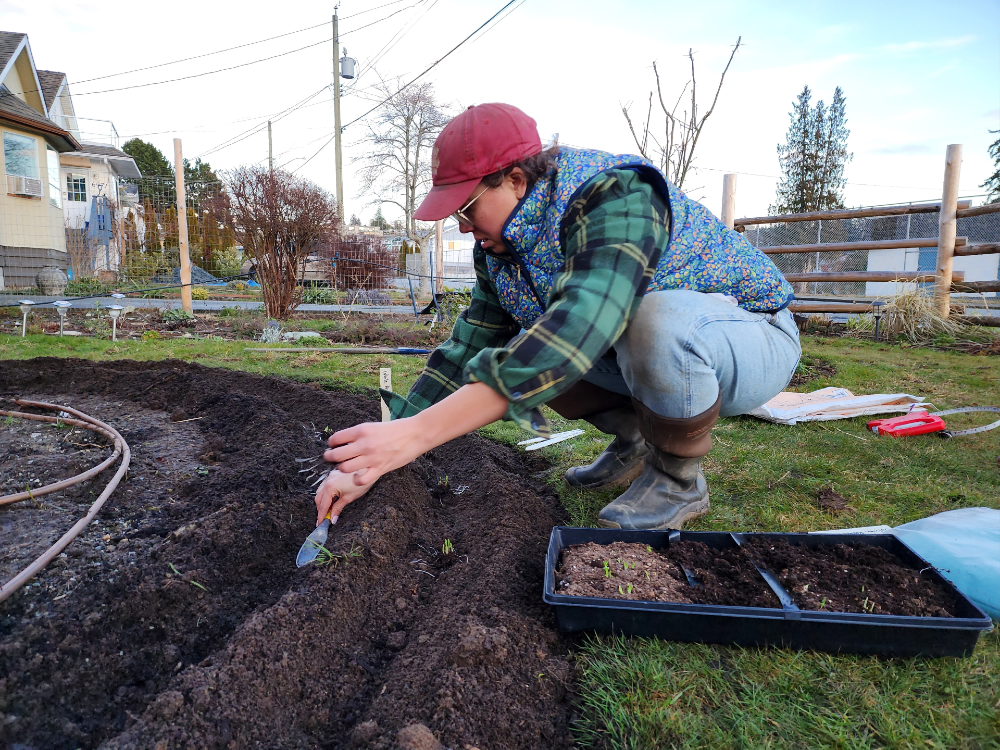
“I believe that when we grow, use, and purchase flowers that are in season, we appreciate each variety of bloom more,” Burry tells me. “We have to wait for each flower to come into season before we can have them, so when they do come there’s an excitement and appreciation for the bloom we’ve waited for.”
Growing flowers organically is slower and harder, Burry says — but it’s the right thing to do, because it “produces a healthier earth, plants, people and ultimately a healthier community to sustain all of the work.”
Before she ran her own cut flower business, Burry worked as a florist in a flower shop.
“I saw how flowers went to auction in plastic, were shipped to the store with plastic, only for us to unwrap everything and make bouquets that we then wrap in plastic, partly just because we didn’t like a little soggy paper,” she says. Now that she runs her own business, she can opt for the mild inconvenience of a little bit of soggy paper over plastic waste.
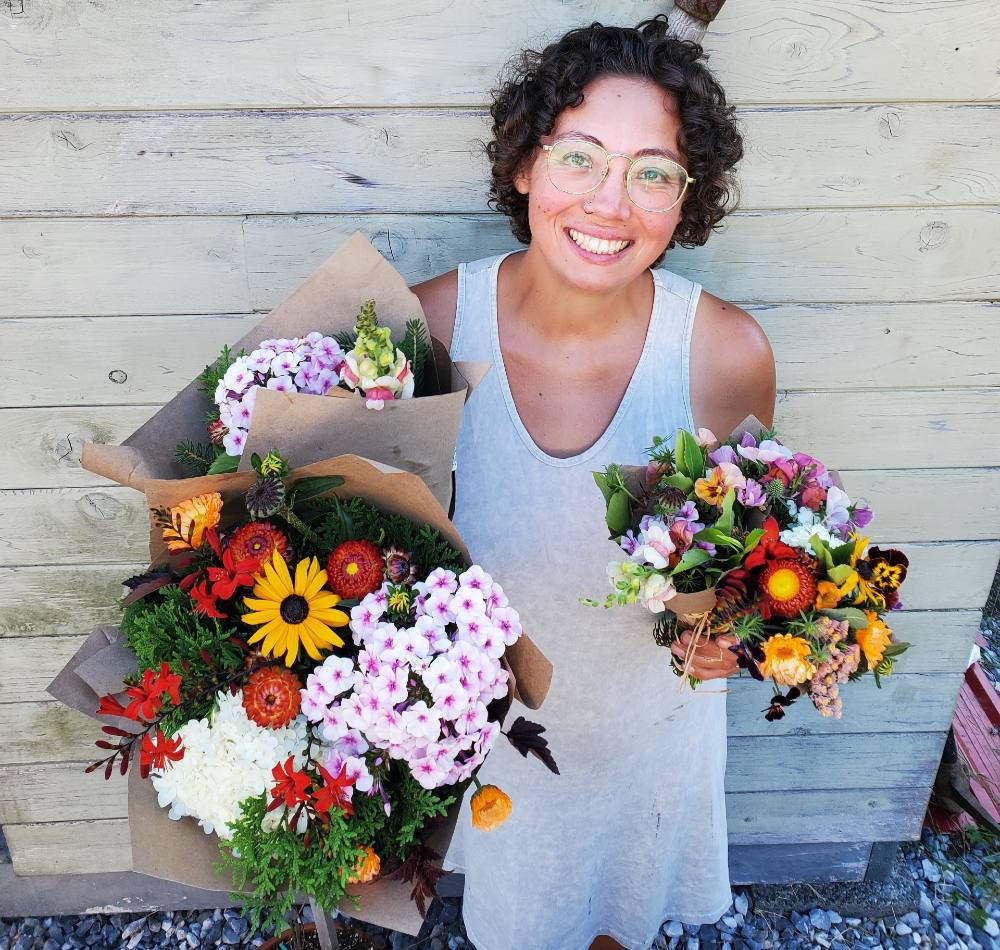
Working with flowers in season, Burry says, means “not perpetuating the unhealthy delusion that we can have it all, whenever we want it, with no consequences.”
Ahead of Mother’s Day, we’d love to see your local, sustainable solutions for the gift of blooms and blossoms — whether that’s buying bouquets from a local producer like Juniper Gardens, picking blooms from your backyard, or doing a bit of roadside foraging.
Send your favourite photos of the sustainable bouquets you picked and bought to celebrate Mother’s Day to abennett [at] thetyee [dot] ca with the subject line “Backyard Bouquets” by May 9, and we’ll run an arrangement of them in a Tyee photo essay publishing May 12, ahead of Mother’s Day.
A good size for the photo is around 1,000 pixels wide — it doesn’t need to be a huge file for internet publishing.
We’d also welcome a short description of the flowers you picked and why, and who you gave them to. And make sure to let us know if it’s OK to use your name and mention the area where you live — or if you’d like us to keep those details private.
The best Mother’s Day bouquets are local, sustainable and plastic-free — and we’re looking forward to seeing yours! ![[Tyee]](/design-article.thetyee.ca/ui/img/yellowblob.png)
Read more: Media, Environment










Tyee Commenting Guidelines
Comments that violate guidelines risk being deleted, and violations may result in a temporary or permanent user ban. Maintain the spirit of good conversation to stay in the discussion and be patient with moderators. Comments are reviewed regularly but not in real time.
Do:
Do not: