


 SHARE:

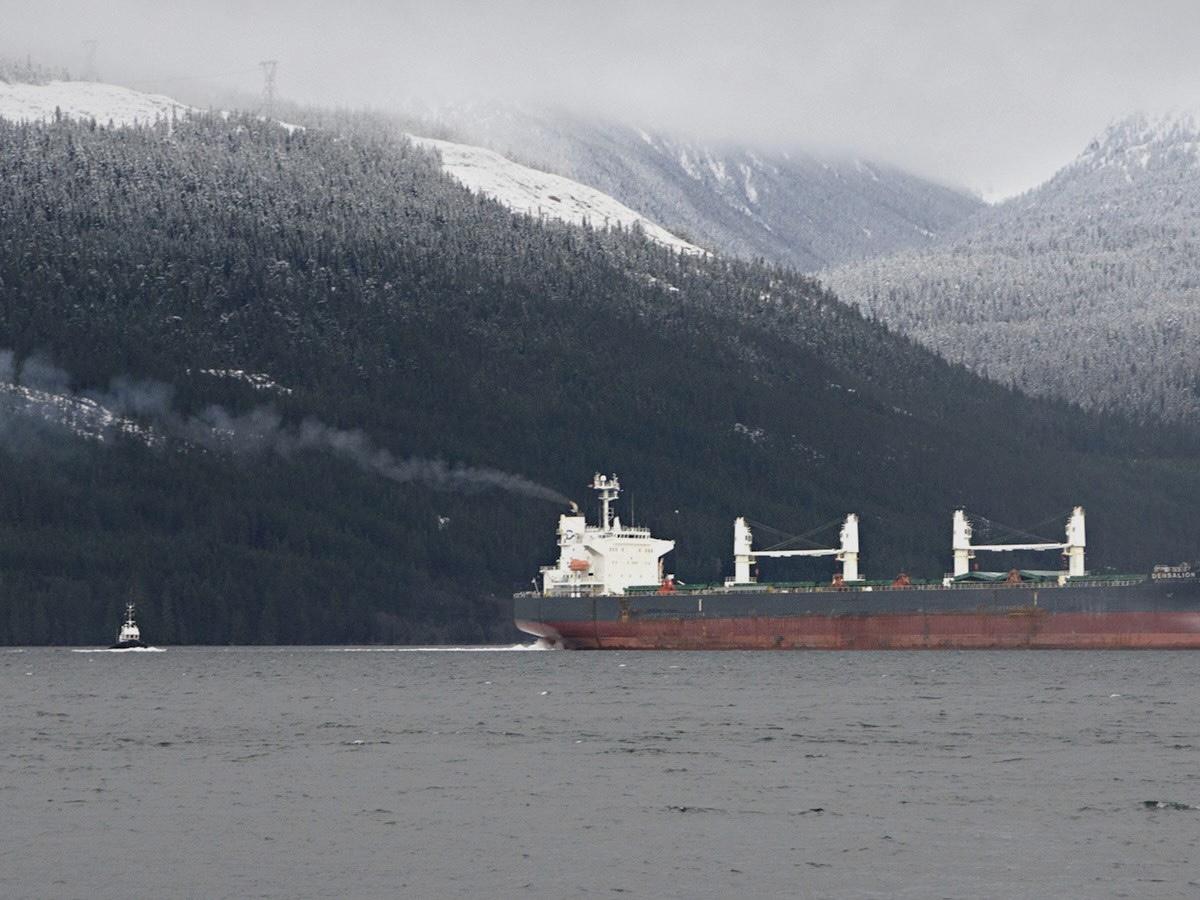
Lorne Doerkson hasn’t even been sworn as premier and the B.C. North Coast tanker ban is already under attack.
An oil company has credible plans for a Prince Rupert oil export terminal and is lobbying Prime Minister Mark Carney to lift the ban to make it possible.
Federal Conservative Leader Pierre Poilievre has written to Carney urging him to allow tanker traffic off the coast, citing the company’s plans. And today, MPs are debating a private member’s bill that would repeal the ban entirely.
The Conservative Party of BC, now in charge, previously called for the ban to be lifted.
All this less than four months after David Eby celebrated an agreement with Carney to keep the ban in place in return for not opposing a southern pipeline with a terminus in the Lower Mainland.
The theory was that the southern pipeline, while still controversial, would end any plans for a northern route and also any pressure to lift the tanker ban.
Then along came Strathcona Resources. The Calgary oil company is proposing a new crude export terminal in Prince Rupert that would be able to handle 250,000 barrels of oil a day. That would increase exports from the B.C. coast by 50 per cent.
Strathcona chairman Adam Waterous says the company would avoid the cost and political battles involved in building a northern pipeline by shipping the oil by rail. Which would mean about 350 tanker cars a day travelling about 1,700 kilometres from Hardisty, Alberta, across northern B.C. to Prince Rupert.
That poses its own risks and challenges. In 2013, a train with just 73 cars carrying crude oil derailed in Lac-Mégantic, Quebec. The explosions and fire killed 47 people and destroyed half the community’s downtown.
While shipping by rail is generally safe, Canada’s aging rail infrastructure requires significant upgrades. Sending as many as three trains a day, each with some 115 cars, to serve the proposed terminal would increase the likelihood of an accident.
And then there are the tankers required to carry the oil to Asian markets.
Waterous says the proposed oil export terminal would be able to receive the largest oil tankers, which carry more than a million barrels. That would mean seven or eight megatankers navigating the North Coast every month. Smaller tankers would mean 12 to 16 a week. (The current ban covers tankers carrying more than about 90,000 barrels.)
Strathcona Resources is a credible company, valued at $9.2 billion and producing about 120,000 barrels of oil a day. It’s capable of completing the project if Carney lifts the tanker ban.
And it’s offering a way to increase and diversify oil exports within two years, as opposed to the six-to-eight-year window for completion of the new pipeline on the southern route.
The ball is in Doerkson’s and Carney’s court now. Strathcona wants an end to the tanker ban and a designation of the terminal as a project of national interest, which ensures fast-track handling by the federal government.
The southern pipeline deal was supposed to protect B.C. from efforts to end the tanker ban, which has been in place in some form since 1972.
The deal recognizes that B.C. bears most of the risks and few of the long-term benefits from oil shipments from the province’s coast.
And, pragmatically, that building a pipeline through the north would involve conflict with First Nations protecting their territories.
The planned Prince Rupert terminal, which is simply a shipping hub, not a refinery, will generate only a dozen long-term jobs.
And First Nations will likely have similar concerns about trains full of crude rolling across their lands.
So will Carney bow to the company’s lobbying and abandon a commitment made just months ago?
And will Doerkson — from the province’s north — accept the end of the tanker ban?
Their decisions will say much about the futures of both governments — and B.C.’s coast. 
Read more: Energy, Politics, Environment






Tyee Commenting Guidelines
Please note that email notifications for replies are not currently working due to a software issue which may be resolved in a future update.
Comments that violate guidelines risk being deleted, and violations may result in a temporary or permanent user ban. Maintain the spirit of good conversation to stay in the discussion and be patient with moderators. Comments are reviewed regularly but not in real time.
Do:
Do not: