

 SHARE:
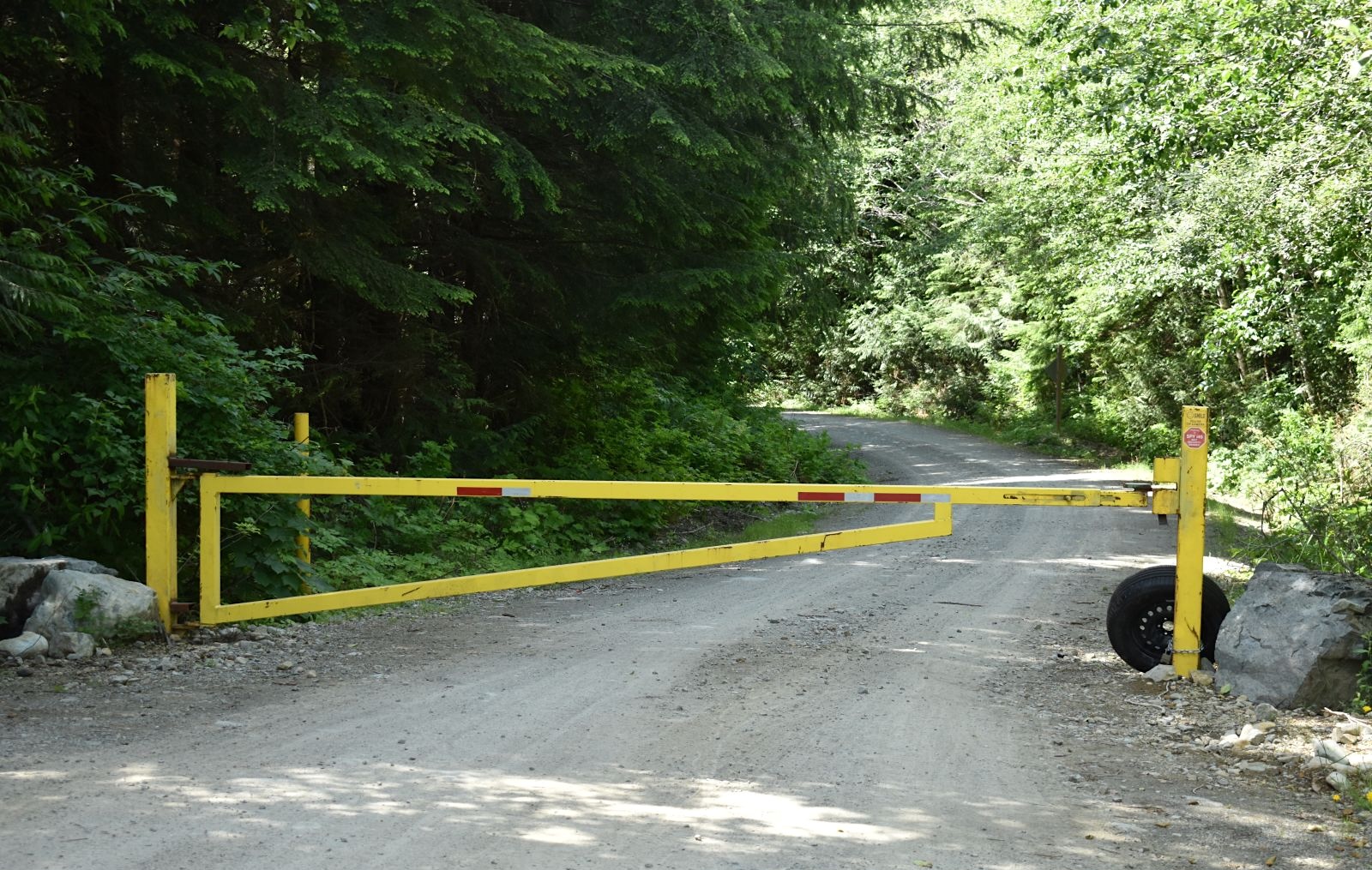
The British Columbia government’s decision to grant a logging company permits to install three gates blocking access to the Walbran Valley’s old-growth forests was almost certain to draw criticism from environmental organizations.
The Walbran lies on Crown or publicly owned land on southern Vancouver Island and is right next door to the Carmanah Valley, which nearly 40 years ago inspired B.C.’s growing environmental movement to ramp up efforts to protect more of the province’s steadily dwindling coastal rainforests.
All of the Carmanah along with half of the Walbran was eventually protected in 1995 as a park that the provincial government itself describes as a “forested sanctuary that is without a doubt one of the most remarkable wild places on Vancouver Island.”
In the 30 years since the park’s creation, conservationists and forest scientists alike have called on the government to protect all of the Walbran. The provincial government has also been told by a panel of experts it appointed that the old-growth forests in the unprotected portion of the valley are a high priority for conservation and should not be logged.
So, the government’s decision to allow gates to be erected that make it far more difficult for members of the public to reach those forests was bound to be condemned in some circles.
“Blocking access to these places damages the relationship people have to the landscape... which only benefits logging companies who don’t want people to know what is being lost,” said Torrance Coste, associate director of the Wilderness Committee.
It also throws roadblocks in front of the many “biologists and researchers who study and monitor the many endangered species that call these places home,” added Peter Cressey, a spokesperson for Friends of Carmanah Walbran.
But the gates are much more than just a physical barrier to would-be travellers. They also highlight a divide among environmental organizations and First Nations and the B.C. government over the future of old-growth forests. Ninety-four per cent of B.C. is public land, land that is underlain by numerous and often overlapping First Nations traditional territories.
For well over a century, the B.C. government viewed those lands as a bountiful source of timber to be logged for private and public gain. The government granted companies licences allowing them to cut down trees that were trucked to mills for processing, while the government collected fees on each tree logged along with personal and corporate taxes.
Until recently, governments gave little thought to consulting with First Nations as they issued those licences. Nor did they consider what the ensuing logging would mean for First Nations territories or how it would cause flora and fauna to be threatened and endangered. Forests from valley bottoms to mountaintops were logged, altering water flows and decimating salmon populations, a vital resource for all coastal and most Interior First Nations communities.
The province also did little to provide First Nations opportunities to get directly involved in the logging enterprise, should they choose to do so. That really started only about 25 years ago when the province began making a concerted effort to directly award logging rights to those nations that wanted them.
The government’s issuance of so many corporate logging licences became even more problematic because the areas it authorized companies to log often overlay not just one but numerous First Nations’ territories. The Walbran and its environs were no exception.
The Walbran lies within a sprawling logging licence known as Tree Farm Licence 44. Once held by MacMillan Bloedel, a company that no longer exists, TFL 44 is now held by Tsawak-qin Forestry Inc.
‘Unceded Pacheedaht First Nation territory’
Tsawak-qin is a Nuu-chah-nulth word that means “We are one.” The Huu-ay-aht First Nations own a 35 per cent stake in the company, with the remaining 65 per cent held by Western Forest Products, the largest forest company on B.C.’s coast.
And it is here that things become challenging for the Wilderness Committee, Friends of Carmanah Walbran and others campaigning to protect old-growth forests. Challenging, too, for the provincial government, which has committed to protect more such forests as well.
Tsawak-qin is invested in logging Vancouver Island’s increasingly rare old-growth forests, including forests adjacent to and potentially inside the unprotected portion of the Walbran, which has served to draw throngs of visitors to the site, including campers who may spend days there at a time.
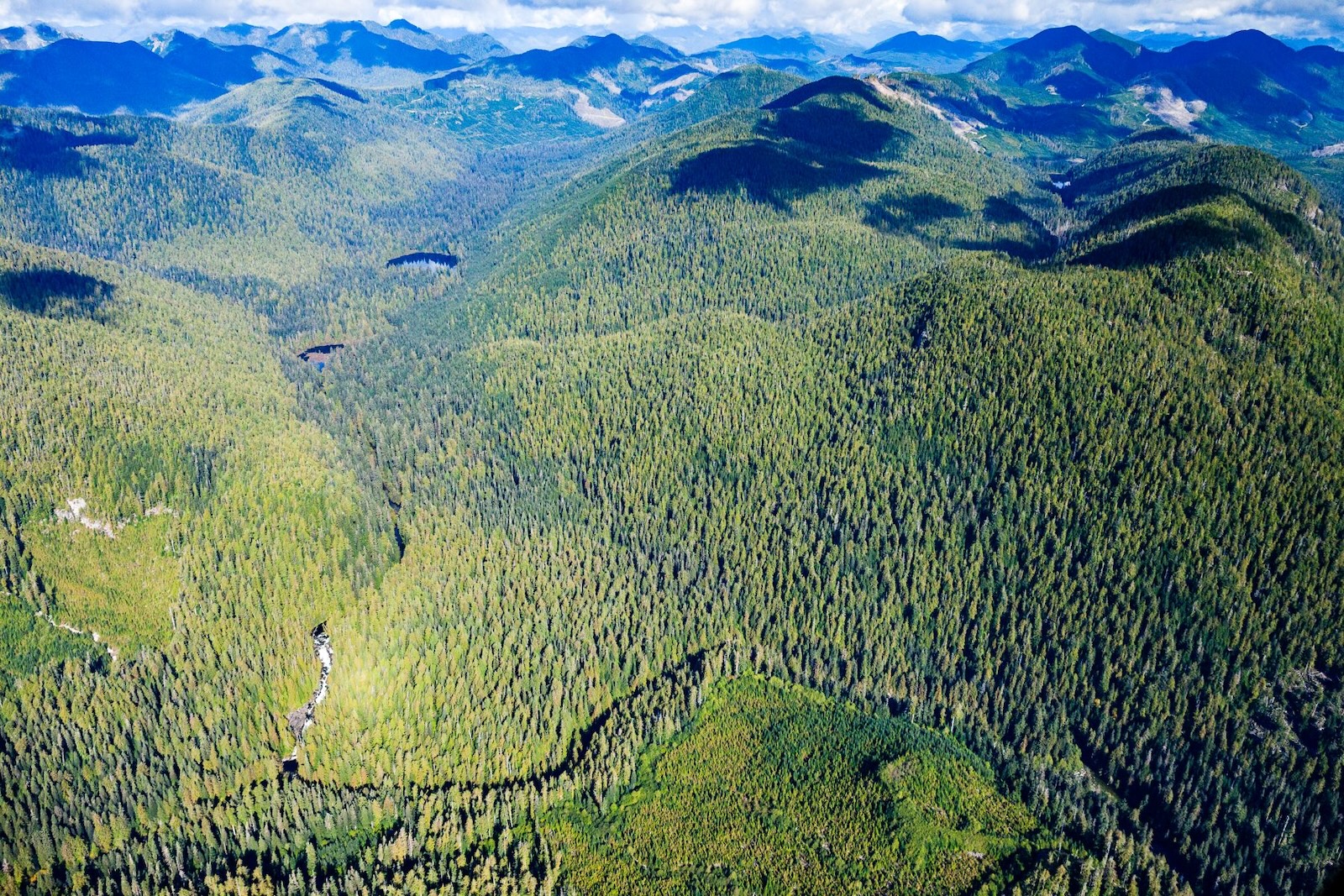
But TFL 44 doesn’t just confer logging rights in Huu-ay-aht First Nations territory. The licence area also encompasses numerous other Nuu-chah-nulth First Nations territories. Part of it lies within Pacheedaht territory, which includes the Walbran Valley as well as Fairy Creek, which a few short years ago was the site of the single largest act of sustained civil disobedience in Canadian history as more than 1,000 protesters were arrested for blockading logging roads leading into old-growth forests.
In its press release drawing attention to the government’s issuance of the gate permits, the Wilderness Committee notes that the Walbran is in “unceded Pacheedaht First Nation territory” and that the unprotected portion of the valley “is currently under a logging deferral while the Pacheedaht First Nation develops a land use plan for its territory.”
What the press release does not say is that the Pacheedaht, like the Huu-ay-aht, have been investing in the forest industry as well as the restoration of lands and waters damaged by historic logging industry activities for many years. And the nation shows every sign of continuing to do so.
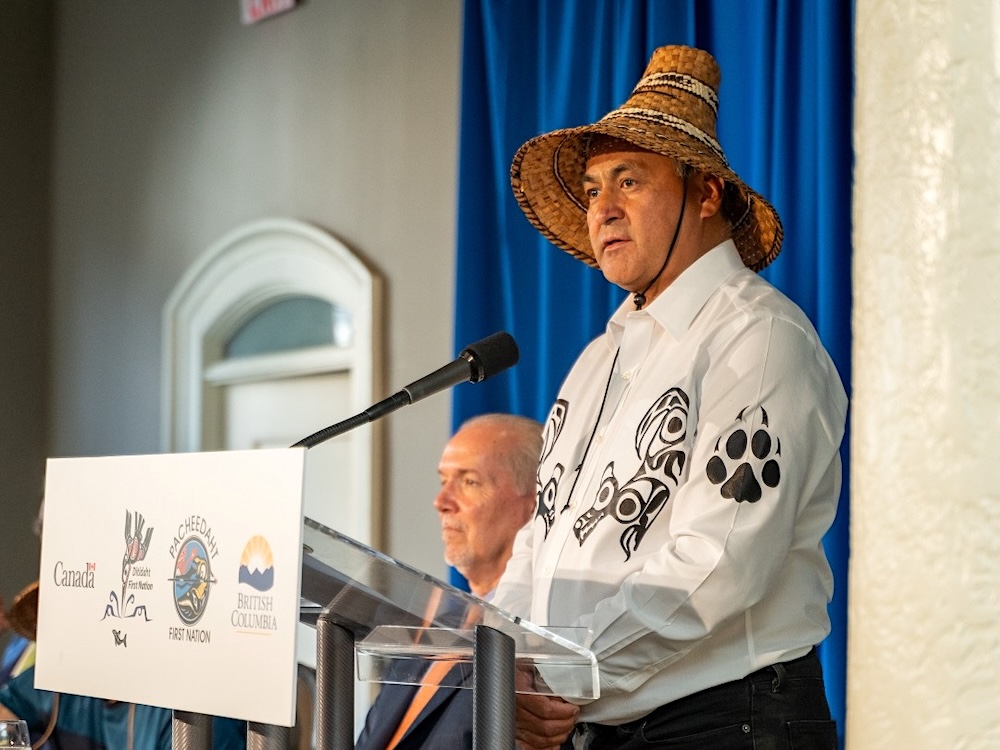
In an interview with The Tyee, Jeff Jones, Elected Chief of the Pacheedaht First Nation, said the provincial government informed him of Tsawak-qin’s application to erect the gates and that he supported the government’s decision to grant the request.
He went on to say that the Wilderness Committee does not speak for the Pacheedaht First Nation and that it is important to understand that while individual Pacheedaht members, such as Elder Bill Jones, have been outspoken about protecting old-growth forests in Pacheedaht territory, they do not speak for the Pacheedaht.
“The Pacheedaht people today are loggers,” Jones said. “We’re heavily into the logging industry and we have two community forest partnerships. We have a sawmill that we benefit from... that creates employment. And we also get the revenues from the partnerships.”
Jones went on to say that the resource stewardship plan being developed by the Pacheedaht is close to completion and requires the input and approval of Pacheedaht members, a process that he said may be wrapped up by year’s end.
Until then, areas including the central Walbran and Fairy Creek are deferred from logging, Jones said.
What if BC paid First Nations to not log?
The unprotected portion of the Walbran is just one of hundreds of patches of old-growth forest in B.C. that total a combined 2.6 million hectares and that the five members of the Old Growth Technical Advisory Panel appointed by the provincial government said should be deferred from logging.
The government then took the panel’s recommendations and referred them to First Nations to see whether or not they supported the deferrals. When all the responses came back, the government says, First Nations governments supported only half of the proposed deferrals.
In March, B.C. Forests Minister Ravi Parmar told the Canadian Press that the government’s priority was not so much protection of old growth as it was asking First Nations what they thought about proposed protections: “Parmar said the ‘core’ of the old-growth review was to respect First Nations’ rights and title and ‘make sure they have a seat at the table, and we’ve done that.’”
The Canadian Press article and a subsequent analysis in The Tyee noted that the panel’s five members — ecologists Rachel Holt and Karen Price, longtime forester and Tahltan Nation member Garry Merkel, landscape analyst Dave Daust and economist Lisa Matthaus — felt that the government was unfairly placing responsibility for what happened to old-growth forests on the backs of First Nations.
If nations rejected proposed deferrals on the grounds that they could make money logging, then the province needed to provide funds equal to the revenues that would be made by logging to conserve such forests instead, the panel’s members argued. They called such funding “conservation financing.”
Asked what he thought would happen if the government proposed to pay the Pacheedaht First Nation to protect old-growth forests in Pacheedaht territory, Chief Jones told The Tyee that he supported the concept but that it had to be driven by what Pacheedaht members themselves wanted.
“I don’t think it is up to the province to approach the nation. I think it should be the other way around. The nation needs to approach the province and say that we want areas protected. It needs to come from the people, the Pacheedaht people,” Jones said.
Until then, Jones is all for the gates remaining in place while the Pacheedaht people work out their plans. ![[Tyee]](/design-article.thetyee.ca/ui/img/yellowblob.png)
Read more: Indigenous, Environment






Tyee Commenting Guidelines
Please note that email notifications for replies are not currently working due to a software issue which may be resolved in a future update.
Comments that violate guidelines risk being deleted, and violations may result in a temporary or permanent user ban. Maintain the spirit of good conversation to stay in the discussion and be patient with moderators. Comments are reviewed regularly but not in real time.
Do:
Do not: