


 SHARE:
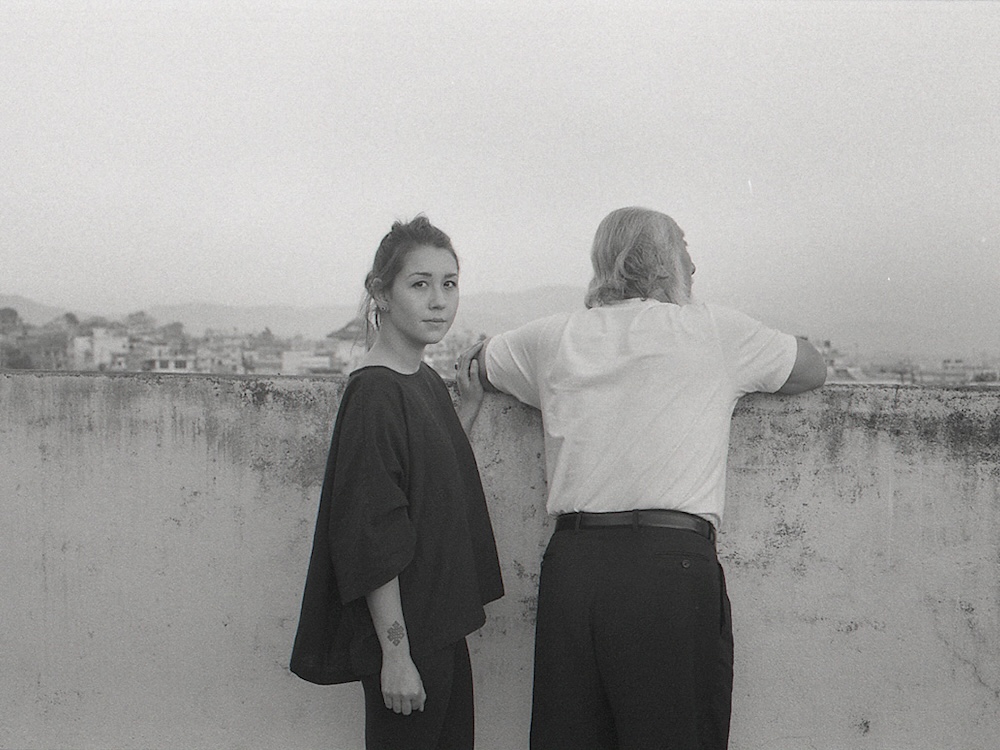
Entangled Territories: Tibet Through Images, the latest feature exhibition at the Museum of Anthropology at the University of British Columbia, seeks to challenge the enduring images of Tibet and Tibetans.
In “Tibet and the Occident: The Myth of Shangri-La,” Tsering Shakya writes: “The West has always reduced Tibet to its image of Tibet, and imposed its yearning for spirituality and solace from the material world onto Tibet. In the same process, the West has sought to define the Tibetan political struggle.... Tibet must be liberated from both the Western imagination and the myth of Shangri-la.”
This exhibition, which runs from Nov. 20, 2025, to March 29, 2026, reimagines Tibet by showing how Tibet has historically been represented by outsiders, and how Tibetans themselves now demonstrate and talk about Tibet. The exhibition presents the importance of Tibet’s rich cultural heritage as well as its current political context. Through a sustained collaboration with Tibetan Canadian community members and artists, this exhibition showcases Tibet and Tibetans through their lenses and voices.
The political situation has led to the displacement of Tibetans and their global relocation. Many of those who identify as Tibetan were not born within nor do they live in Tibet, but reside elsewhere, often in India and Nepal and increasingly in North America and Europe. Canada is home to one of the largest concentrations of Tibetans outside of Asia. The location and status of the Tibetan homeland remain a burning issue for Tibetans, especially for younger generations outside Tibet. Their lived experience in Canada is reshaping their identity and self-image, and many are not only questioning their diasporic condition, but also reimagining what homeland means.
Exhibitions about Tibet held outside of Tibet have predominantly been and continue to be about Tibetan Buddhism or Tibetan religious art. While Buddhism is clearly an important aspect of Tibetan culture, this exhibition offers a different perspective. Entangled Territories presents a varied range of historical and contemporary works from and about Tibet, all of which touch upon the overarching political context in some way. That the exhibition is produced bilingually in English and Tibetan is in itself an important ethical and decolonizing statement.
While MOA is renowned for its Pacific Northwest First Nations collection, the Asian collection is actually the largest held at the museum and accounts for about 40 per cent of the MOA’s holdings. A group of students attending the Lodoe Kunphel Tibetan Language School, B.C., which is held at the Tsengdok Monastery in Vancouver and supported by the Tibetan Cultural Society of British Columbia, engaged with MOA’s Tibetan collection and shared their reflections on selected Tibetan objects and belongings.
Entangled Territories not only complements MOA’s ongoing engagements with preserving global cultural heritage, but also enables the museum to reflect on contemporary issues and advocate for social justice. One of the works in Entangled Territories — entitled 169 — is by Lodoe Laura. This work addresses self-immolation and speaks about Tibetans’ protests for freedom under repression.
Since my visit to Dharamshala in India in 1995, and then Tibet and Nepal in the 2010s, the Himalayan region has remained one of my areas of research focus. I am thrilled to have this opportunity to curate and collaborate with Tibetan Canadian community members and artists to produce an exhibition about Tibet at MOA. It is my hope that Entangled Territories will be an important occasion for the Tibetan Canadian community to disseminate knowledge about Tibet, especially their sustained efforts to maintain their culture, their history and their language in the face of challenges associated with migration and the loss of their homeland.
Note: This article is an edited excerpt from the introduction of the publication accompanying the exhibition, written by Fuyubi Nakamura. ![[Tyee]](/design-article.thetyee.ca/ui/img/yellowblob.png)
Read more: Rights + Justice
This article is part of a Tyee Presents initiative. Tyee Presents is the special sponsored content section within The Tyee where we highlight contests, events and other initiatives that are put on either by us or by our select partners. The Tyee does not and cannot vouch for or endorse products advertised on The Tyee. We choose our partners carefully and consciously, to fit with The Tyee’s reputation as B.C.’s Home for News, Culture and Solutions. Learn more about Tyee Presents.






Notice about commenting changes
The Tyee’s commenting system will be moving to a new platform on Nov. 12. If you’re already a Tyee commenter you must register with the new system on or after Nov. 12 with your preferred username.More information can be found here.