

 SHARE:

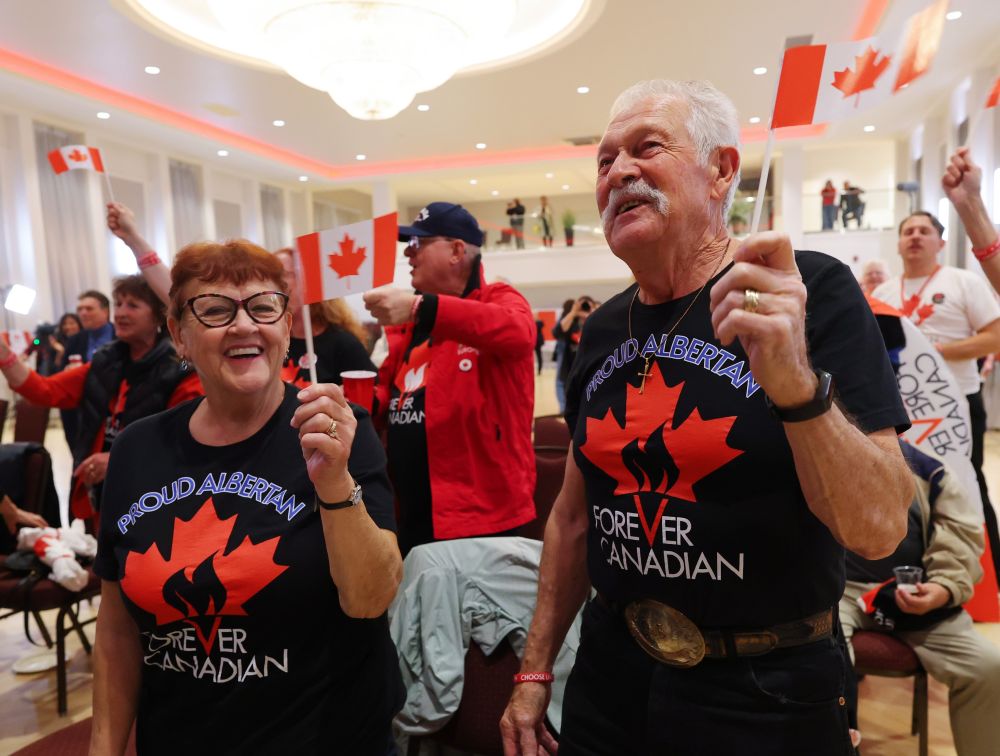
After years of widespread frustration with Ottawa, Albertans headed to the polls to vote on 10 controversial questions. The last of the queries riveted the nation: Do Albertans support remaining in Canada or beginning the process to hold a second, binding referendum to separate from Canada?
Tina Papin’s blunt response apparently is shared by more than three out of four Alberta voters.
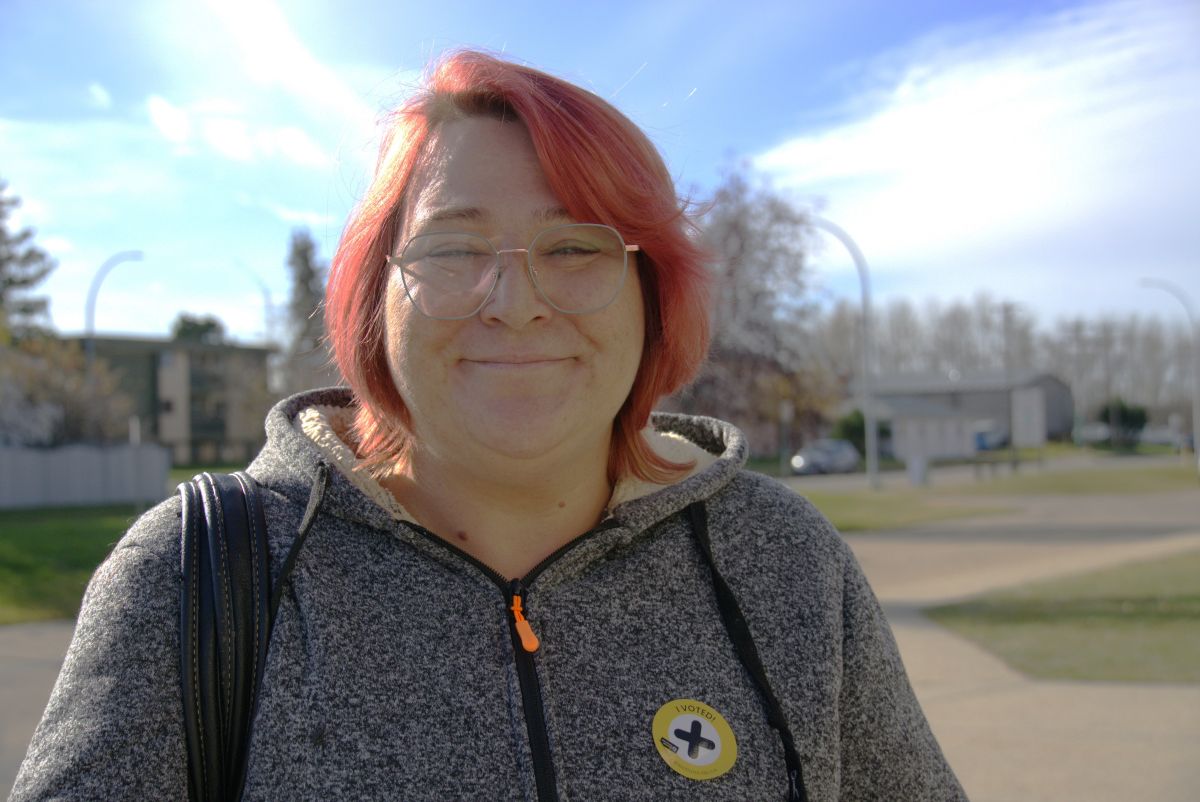
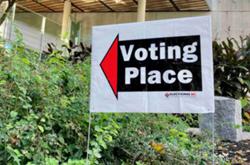
“The separatism stuff is crap. Canada is Canada. Alberta is a part of it and it’s always going to be that way,” Papin told The Tyee as the Enoch Community Centre in Enoch Cree Nation west of Edmonton, where voting was going smoothly Monday afternoon.
Papin doesn’t usually follow politics but showed up to be counted.
Shortly before midnight Pacific time, with 2,309 of 5,587 polls reporting, here’s how it stood: 76.4 per cent for remaining in Canada and 23.6 per cent wanting a separation referendum.
Papin wasn’t any fonder of the first five questions, rooted in the premise that newcomers were a drain on the province. “I don’t think they should start charging the immigrants,” she said. “Everybody needs a home and if they can’t live in their own home, then why can’t we welcome them?”
But here Papin appeared to be in the minority. Reporting polls had about 56 per cent of voters saying yes to the province “taking more control” to decrease immigration, with similar support for making it harder for some newcomers to gain access to provincially funded programs, making non-permanent immigrants wait a year to do so, charging non-permanent immigrants to use health care and public education, and making individuals show proof of citizenship to vote.
To see the latest count by Elections Alberta, go here.
Estimates put the cost of holding the UCP-driven referendum at $130 million. Each question has its own ballot with Elections Alberta printing about 45 million ballots in total. The agency aimed to hire 60,000 election workers to facilitate the voting process and count the ballots by hand. CBC reported the Elections Alberta hired about 47,000 election officers.
All ballots must be counted within 48 hours of the polls closing.
Some lines and delays
Early morning voters in Edmonton found themselves waiting in line for several polling stations to open. Dozens of polling stations across Alberta opened late, including 28 in Edmonton. As a result, many would be closing later than planned, with Elections Alberta promising that anyone still in line would be allowed to vote.
The delays set back the release of the referendum results. Still, throughout most of the day, voters encountered few issues with lines or casting their ballots.
And turnout appeared strong. CBC reported that polling stations in Maskwacis were running out of ballots, with Elections Alberta couriering more to the locations.
At the Garden Valley Community Centre, about 30 kilometres west of Edmonton, lunch hour voting was smooth and quick for the steady stream of arrivals.
“There’s lots of stupid questions and things that shouldn’t even be in consideration,” said Sarah Launer, a 21-year-old nursing student.
Launer said she’s worried about the constitutional questions that seek to give the provincial government more power. “It is pretty scary considering that we’re under a conservative government,” she said. “I worry that we would get certain rights taken away because of that.”
Launer also dislikes the idea of separating from Canada. But she is glad the final tally for the tenth question will not be legally binding.
If a second vote did proceed and Alberta became part of the United States, “I would probably move,” Launer said. “I’m a health-care worker so I really care about our country having public health care.”
Sonya Prison and her daughter Zoe voted on Monday in Devon, a town of about 6,500 people. Originally from Quebec, Sonya is no stranger to separation debates. While neither Sonya nor her daughter want to see Alberta separate, she is glad people have a chance to have their voices heard.
“I don’t honestly believe it’s possible to achieve sovereignty,” Sonya said. “But I still think we need to put our two cents in. That’s what voting is for.”
“Even a lot of people who claim to be full separatists, I’ve talked to a few and they’ve said for the most part they just want to vote for it as a way to get a message to Ottawa, not to actually separate,” added Zoe.
She said that she understands their motivation. “I remember even counting votes in the [federal] election, it was called 90 per cent of the time before we were finished counting.”
“And it’s frustrating. A lot of the money is coming from us and we’re just giving it away, so we should have a bit more of a voice,” Sonya said. She also wants to see better controlled immigration.
“There’s too many Canadians suffering, and they need to come first,” she said. “I’m not blind to what’s going on in the world. There’s wars, there’s hate crimes and atrocities all over the place. We need to take those people in, but there has to be some way to figure out who’s abusing the system and who actually needs it.”
Ultimately, Sonya wants to see issues like housing, health care and education addressed to better support Canadians.
A long and contentious road
None of the questions posed by the referendum were crafted by ordinary citizens. All were chosen and drafted by Danielle Smith and her UCP government.
The one asking Albertans whether there should be a second referendum to decide whether to secede from Canada was Smith’s gambit after two opposing citizen initiative petitions gathered signatures on both sides of the question.
Elections Alberta verified 222,597 signatures, enough to meet the required threshold, gathered by the Stay Free Alberta petition in favour of separation. However, a binding referendum on separation was halted by the Court of King’s Bench due to a failure to consult Indigenous nations. The government of Alberta and Stay Free Alberta are appealing the decision.
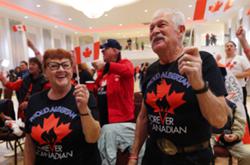
On the other side of the debate, the Forever Canada petition gathered 404,293 verified signatures late last year. Thomas Lukaszuk, the leader of Forever Canada, has wavered on whether the point of the petition was to hold a referendum affirming Alberta’s place in Canada.
Regardless of the court decision and Lukaszuk’s opposition, Smith added the non-binding question on separation to the ballot.
Smiths has argued that separatists should have a chance to test their cause at the ballot box, and she is aware that many of them inhabit her United Conservative Party. After she began openly encouraging a vote against an independent Alberta, she faced a backlash from ardent separatists.
“Alberta will never be independent as long as Danielle Smith is the leader of the United Conservative Party,” said Alberta Prosperity co-founder Jeffrey Rath at a separatist event in Edmonton. “We’ve created a political movement and we’re not going to stop until Alberta becomes a free and independent country and becomes the wealthiest country in the world.”
A flurry of rallies in final week
As decision day drew near, energy coursed through duelling demonstrations.
Prime Minister Mark Carney attended two Forever Canada rallies, one held in Calgary on Wednesday and the other in Edmonton on Thursday.
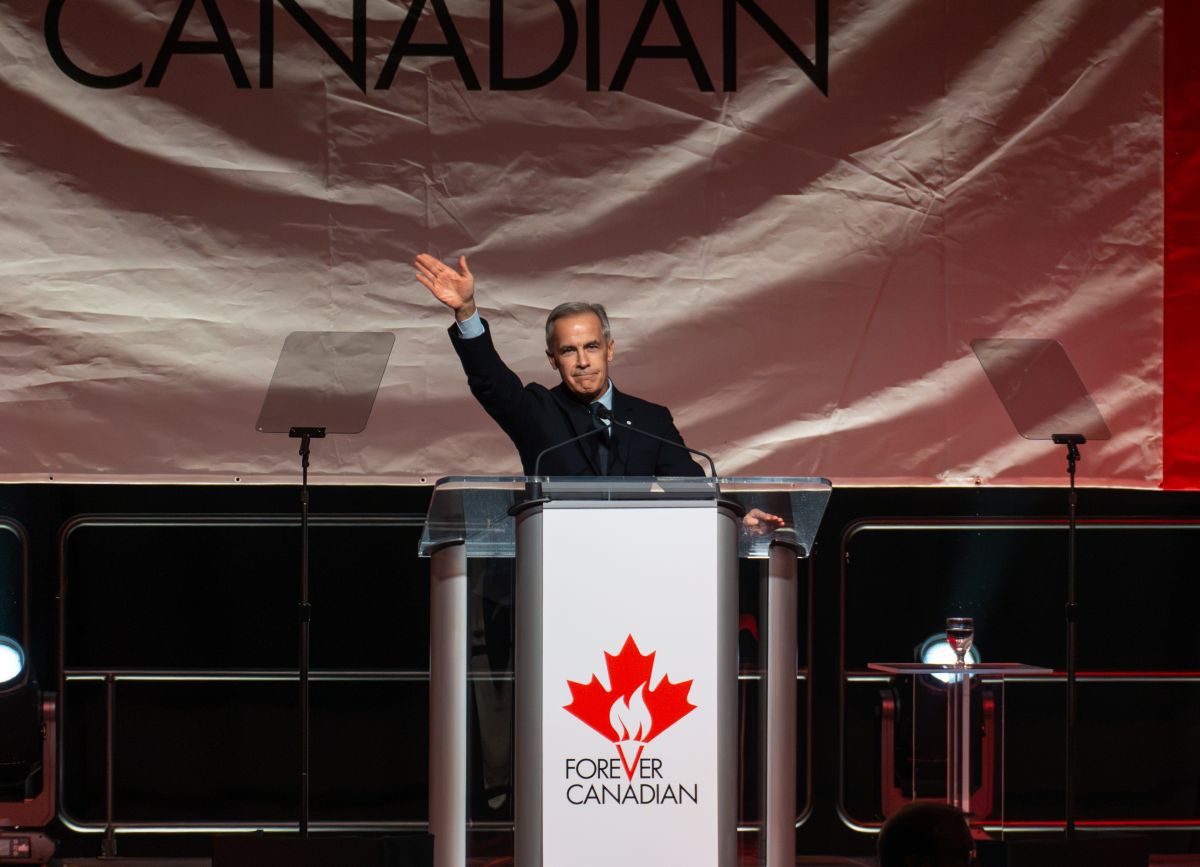
“Albertans have a choice, can build a stronger Alberta and a greater Canada to leave for our children. That’s option one,” he said to thunderous applause in Edmonton. “Or we can burden them with years of deep division and great uncertainty: option two.”
Carney urged voters to vote like Canada depends on it.
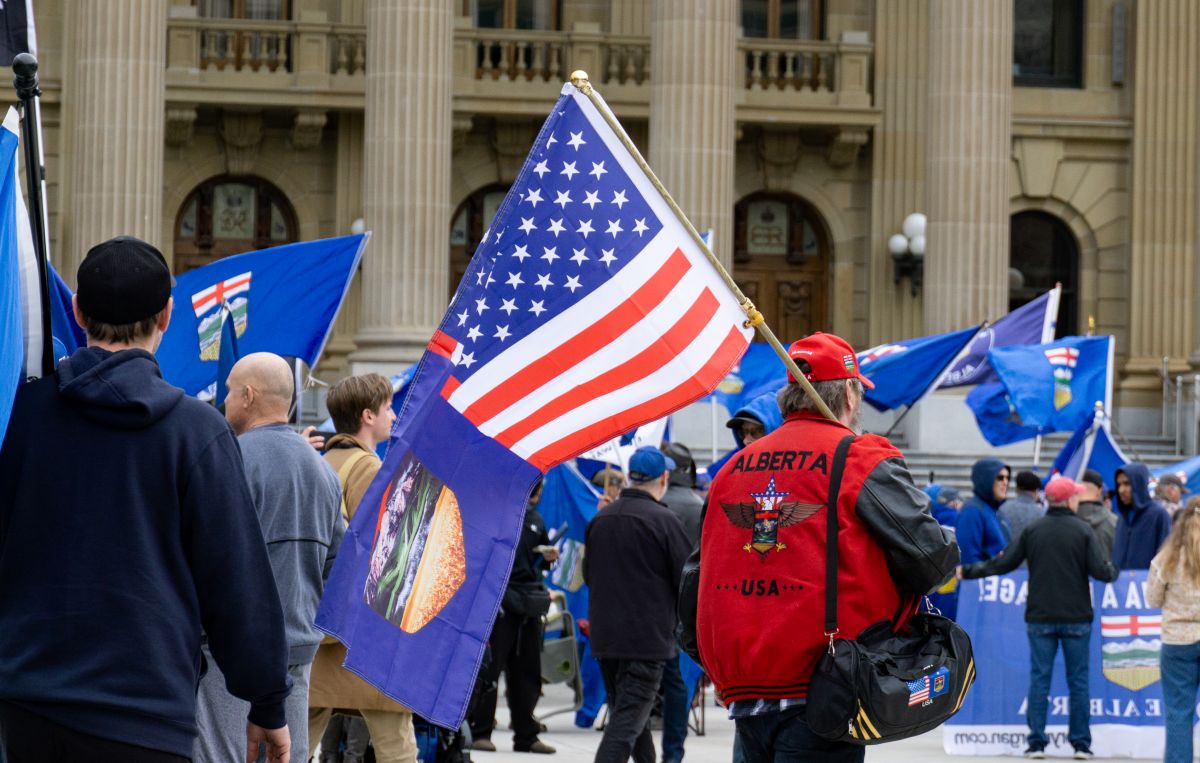
Despite windy weather on Saturday, supporters of Alberta going it alone crowded the plaza of the legislature in Edmonton and listened to exhortations from movement figures including constitutional lawyer Keith Wilson, who has been campaigning under Let Alberta Decide.
The next day, another gathering at the legislature urged staying and stopping the scapegoating of immigrants. Gil McGowan, president of the Alberta Federation of Labour, and Thomas Lukaszuk expressed their support for the victims of the CFB Wainwright tragedy.
In a joint Calgary Herald op-ed, Rachel Notley, Alison Redford and Ed Stelmach also urged voters to say no to the five immigration questions.
“Questions one through five on this fall’s referendum, if passed, are a clear and present threat to Alberta’s continued prosperity," they wrote. They argued that immigration has been integral to Alberta’s economy.
They also encouraged Albertans to vote to remain in Canada.
Questions six through nine focus on voter support for Alberta working with other provinces to advance constitutional amendments, including abolishing Canada’s unelected Senate.
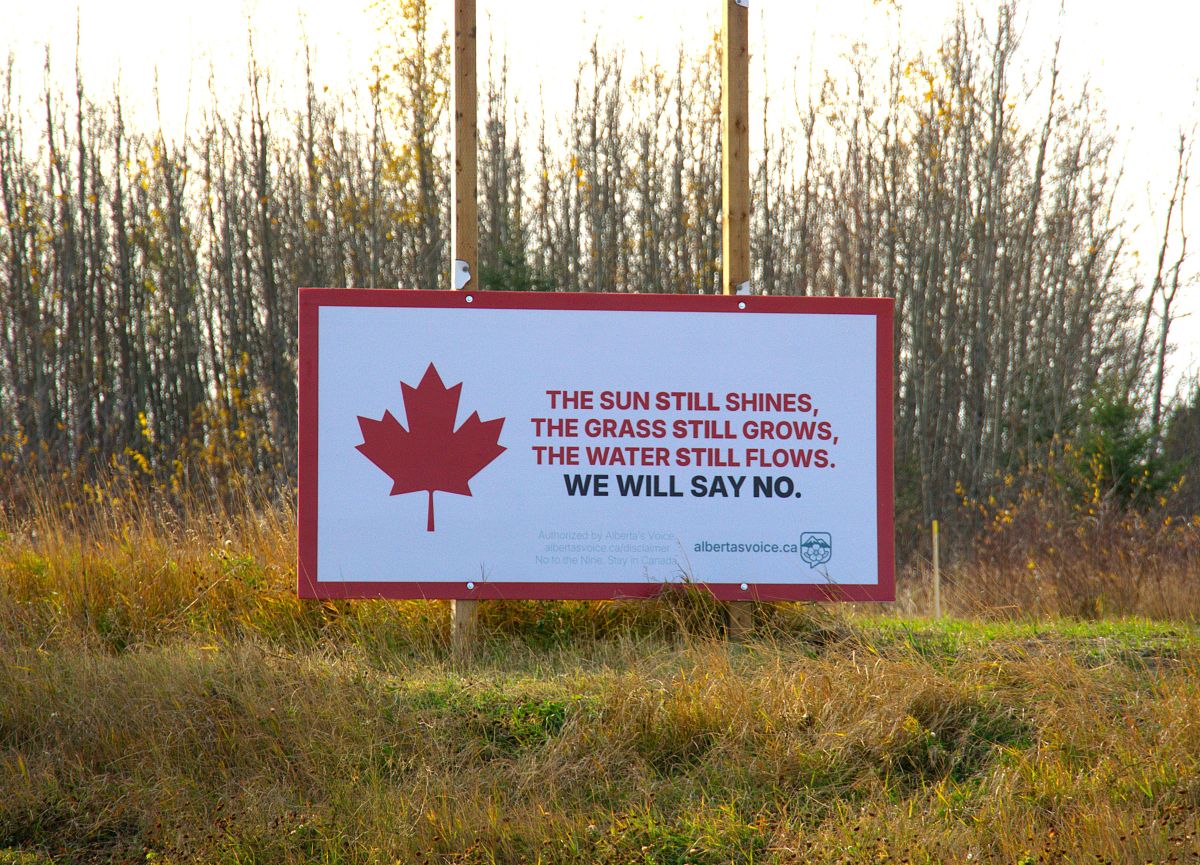
In the lead-up to the vote, 28 groups have registered as third-party advertisers, with many focusing on the tenth question. Several former Alberta premiers have joined forces to advocate for Alberta remaining in Canada.
‘Everyone shares their opinion’
Ahead of Monday, the Alberta government spent $4 million on pamphlets and ads that encouraged support for the first nine questions. In an emotional address on Sept. 19, Smith said she would be voting to remain in Canada.
“I will vote for option one, and the reason is simple. The fight to make Canada work for Alberta is working,” she said. Smith referred to the federal government repealing clean energy regulations and supporting a new West Coast pipeline.
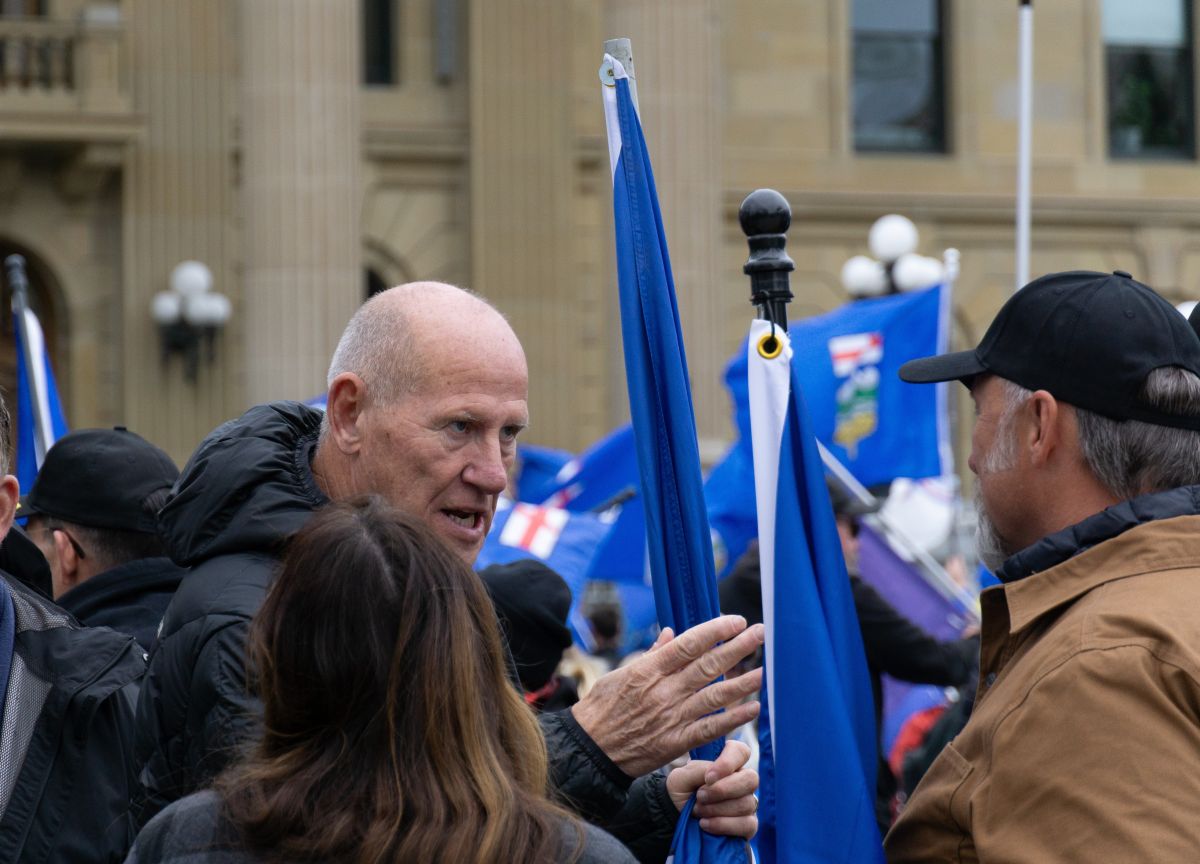
Some people campaigning for option two — pursuing separation — disagree on the end goal. Let Alberta Decide lawyer Wilson argued voting for option two would give Alberta more leverage.
“The only pathway, the only question, and the only vote that leads to a circumstance where Alberta can have an adult discussion with the rest of the country … is option two on question 10,” he said at an Oct. 2 panel in Edmonton.
Alberta Prosperity co-leaders Mitch Silvestre, Rath and fellow separatist movement leaders want to follow through on a binding vote to split from Canada. Rath has stated that an independent Alberta is necessary to lower taxes and increase business opportunities.
Rath and others have sought support from the United States for their vision of an independent Alberta.
In recent weeks, about 658,000 residents requested a special mail-in ballot. Some voters reported issues with missing questions or improper identification in the ballots they received. Elections Alberta reported that 519,082 special ballots were received.
Another 837,791 Albertans voted in advanced polls.
On Monday, aside from the early delays, polling stations continued to run smoothly with few lines in central Edmonton as the night went on.
Voting after 6 p.m. only took Tetianna Freemen about 10 minutes. “I thought it was going to be busier and I’d have to spend more time, but it was really fast,” she said.
Freemen isn’t happy with the way things are right now, but is glad people have the chance to decide on the future of Alberta. “Everyone shares their opinion in the vote and then it’s decided.”
Critics have expressed concerns with the wording of the questions. Freemen said they were easy to understand. “I don’t believe the questions themselves influence the vote … because we have minds, we have critical thinking to answer the questions the way we answer them.”
But Jennifer, a psychologist who preferred not to share her last name, said the nine questions not about separation “were worded in kind of a vague way. I wanted more information about what the Alberta government is getting at with them,” she said. “I felt like they were a bit misleading.”
Question five, which asks about support for requiring proof of citizenship when voting, was particularly troubling for Jennifer. “You already have to be a citizen to vote,” she said. “Like what restrictions are we then putting in place? What are we doing?”
When it came to question 10, Jennifer expressed no doubts about what was at stake and where she stood. She said she hoped voters opt for remaining in Canada. 
Read more: Alberta






Tyee Commenting Guidelines
Please note that email notifications for replies are not currently working due to a software issue which may be resolved in a future update.
Comments that violate guidelines risk being deleted, and violations may result in a temporary or permanent user ban. Maintain the spirit of good conversation to stay in the discussion and be patient with moderators. Comments are reviewed regularly but not in real time.
Do:
Do not: