

 SHARE:
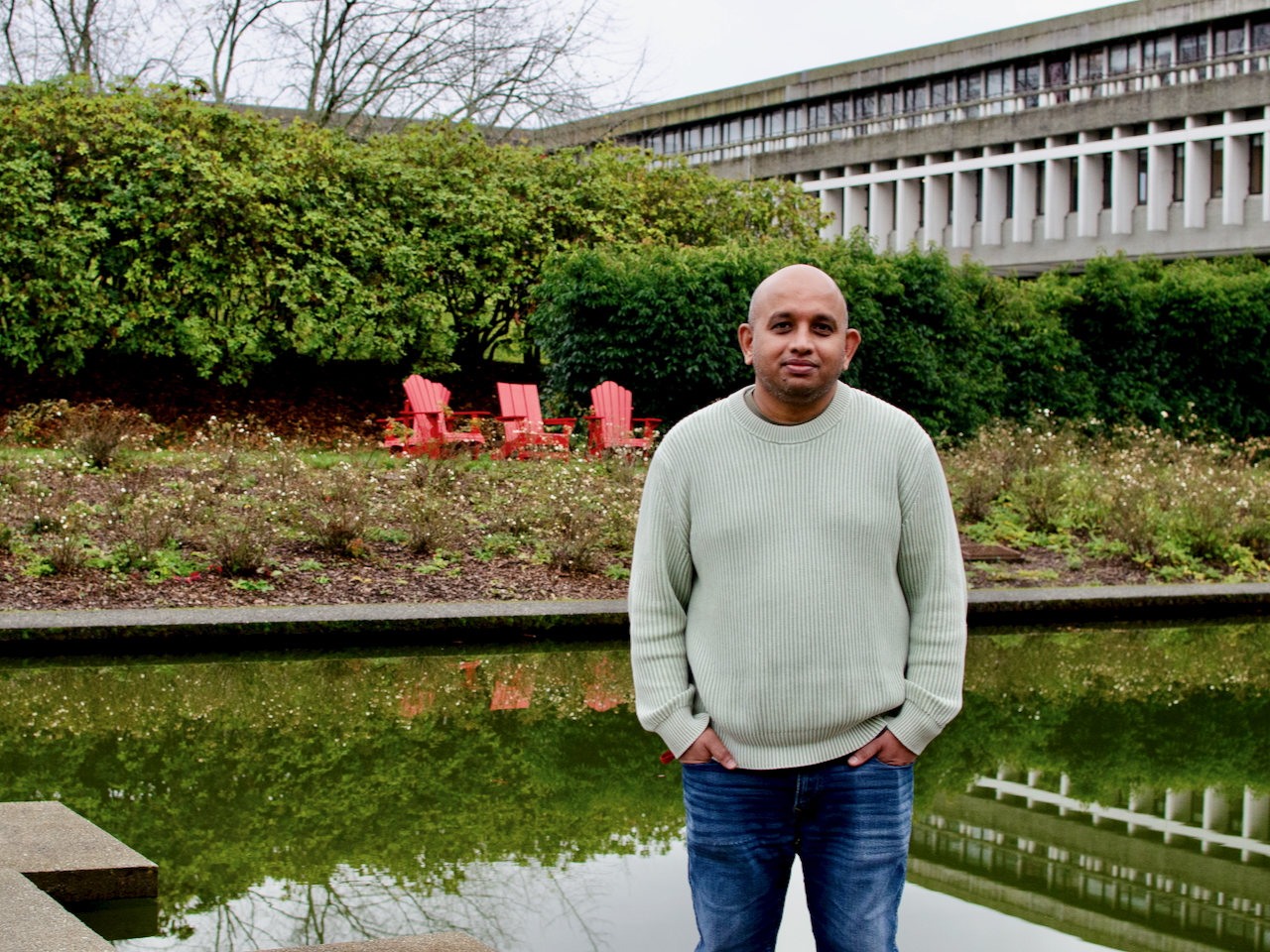
Bahareh Kashani came to British Columbia with a plan.
A PhD candidate in experimental medicine at the University of British Columbia, Kashani said she planned to finish her studies and apply for permanent residency through the provincial nominee program.
The program lets the B.C. government put forward a set number of people for permanent residency.
But the federal government’s new limits on immigration threw her plan into limbo. In January, the government halved the number of people the B.C. government could nominate through the provincial nominee program. The move was part of a dramatic cut in the number of immigrants allowed into the country, following political backlash.
In response, the B.C. government stopped accepting international students’ applications on Jan. 7 — abruptly shutting the door on Kashani after three-and-a-half years of study.
For nearly 10 months, Kashani said she hasn’t heard whether the program would re-open, leaving her unable to plan for the future.
“We need transparency if they are even planning to open the stream again,” Kashani said. “This is a very, very expensive province to live in. So if there's no future for us here, why not move to another province with more pathways?”
The Tyee spoke to five international post-graduate students who had either applied for permanent residency through the program, or who planned to in the coming months.
They said since the province announced delays to the program in January, they have put their lives on hold while time runs out on their work and study permits.
“For those of us already in the middle of our studies, it feels unfair to introduce such a significant change without any alternative pathway,” Kashani said.
Now, the students are petitioning the B.C. government to process a backlog of thousands of applications, re-open the program to applications and give the students extra time on their current work and study permits.
B.C. Minister of Post-Secondary Education and Future Skills Jessie Sunner says the province will be able to offer the students more clarity when the federal government tells B.C. how many immigrants it can nominate next year.
“When we get that number and we can start planning out what our allocation for 2026 looks like, we'll be looking to give that clarity to students,” Sunner said. “But it’s a guessing game right now.”
She added with a limited number of spots available, the province plans to prioritize bringing in health-care professionals and immigrants with a high economic impact.
Both the B.C. government and the international students are calling on the federal government to increase the number of immigrants the province can nominate for permanent residency through the program.
Sunner said the PNP is the only tool the B.C. government can use to control immigration into the province.
Last year, the B.C. government had plans to launch three new immigration streams to help international students get permanent residency — but those plans were put on pause when the federal government cut immigration levels.
Each year, the federal government determines how many people each province can nominate through the program.
In 2025, the federal government gave the B.C. government 4,000 nominees — half of the 8,000 nominees granted to the province last year.
On Monday, federal Immigration Minister Lena Diab announced plans to let provinces and territories nominate an additional 5,000 licensed doctors for express entry into the country.
“[The PNP] is really the only ability we have to guide our immigration,” Sunner said. “So it was really significant that the federal government’s unilateral cut led to a 50-per-cent reduction.”
At the time, the province already had a waitlist of 5,200 people who had applied to the PNP. In a Jan. 31 statement, the provincial government said applicants should expect delays as the province figured out how to manage the cuts.
Abhishek Nanjundappa, an alumni of the university’s mechatronic systems engineering program, says he applied to the provincial nominee program last December. He learned he had been waitlisted approximately four months later.
In an April 14 statement, the B.C. government said from post-graduate applications would be waitlisted until Ottawa gave the province more nominations.
In its April statement, the province said it planned to prioritize health-care workers.
“We have to get those health-care professionals in here that we need so desperately across our province,” Sunner told The Tyee this week.
The Hospital Employees' Union, which represents more than 60,000 B.C. health-care workers, has long advocated against cuts to the program.
Lynn Bueckert, the union’s secretary business manager, said this years’ cuts to the provincial nominee program have left hundreds of health-care workers without a way to stay in the province.
A spokesperson for the union estimated nearly 400 members working for Vancouver Coastal Health and Fraser Health will see their work permits expire this year — members that Bueckert says may have been able to stay through the provincial nominee program had it not been cut.
“[The cuts] were devastating for HEU members, who established roots in the province with the understanding that their health-care jobs would be a pathway to permanent residency,” Bueckert said in an email. “Our health-care system relied on these workers to deliver quality care.”
Ottawa’s cuts to the provincial nominee program are continuing to strain B.C.’s health-care system, Bueckert added.
“Our health-care system is still facing staffing shortages across the province,” she said. “With immigration pathways currently restricted, we’re losing these workers.”
In August, the federal government granted B.C. an additional 1,254 nominations. In October, the province got another 960.
The province said on its website the additional nominations would mean some of the post-graduate applicants would be processed.
But nearly a year after first applying for permanent residency, Nanjundappa said he still has not heard from the province about the status of his application.
As the executive director of the graduate student society at Simon Fraser University, he said he’s heard from more than 15 students who are also waiting for answers. He said a big concern is that work and study visas will expire.
“If the applications don't get processed before their work permit expires, they are going to be out of status and have to go back,” he said.
Mary Rose Sabater, a spokesperson for Immigration, Refugees and Citizenship Canada, said in an email it’s up to the province to assess the urgency of their labour market needs and issue work permits for program applicants.
Sabater added Ottawa planned to increase the number of nominees that will be admitted through the program this year. She did not disclose how many nominees the federal government would give the B.C. government.
“We will continue to work collaboratively with provinces and territories to achieve our shared economic immigration objectives, including by transitioning more temporary residents to permanent residence,” Sabater said.
The federal government’s immigration plan last year called for 55,000 provincial nominee program applicants to be accepted across Canada in total in 2025.
The 2026-2028 immigration plan anticipates 91,500 people will be accepted under the program next year, an increase of approximately 60 per cent.
But Sunner said it’s not clear if that will translate to more nominees for the B.C. government.
“We're in a bit of a limbo right now as well,” she said.
In the meantime, a spokesperson for Sunner said in an email the province has 991 allocations it plans to use before the end of this year.
Some of those spots, Sunner said, will go toward clearing the backlog of post-graduate students that were already on the waitlist.
Sunner added the province is waiting until the federal government gives B.C. its nominations this year before addressing other priorities.
But in the meantime, Kashani says students like her are being left in the dark.
“We understand that these cuts happened. The government had to kind of adjust, it makes sense,” Kashani said. “But now we need transparency. Are we able to plan our life in B.C., or should we leave?” ![[Tyee]](/design-article.thetyee.ca/ui/img/yellowblob.png)
Read more: Labour + Industry




Notice about commenting changes
The Tyee’s commenting system will be moving to a new platform on Nov. 12. If you’re already a Tyee commenter you must register with the new system on or after Nov. 12 with your preferred username.More information can be found here.