


 SHARE:
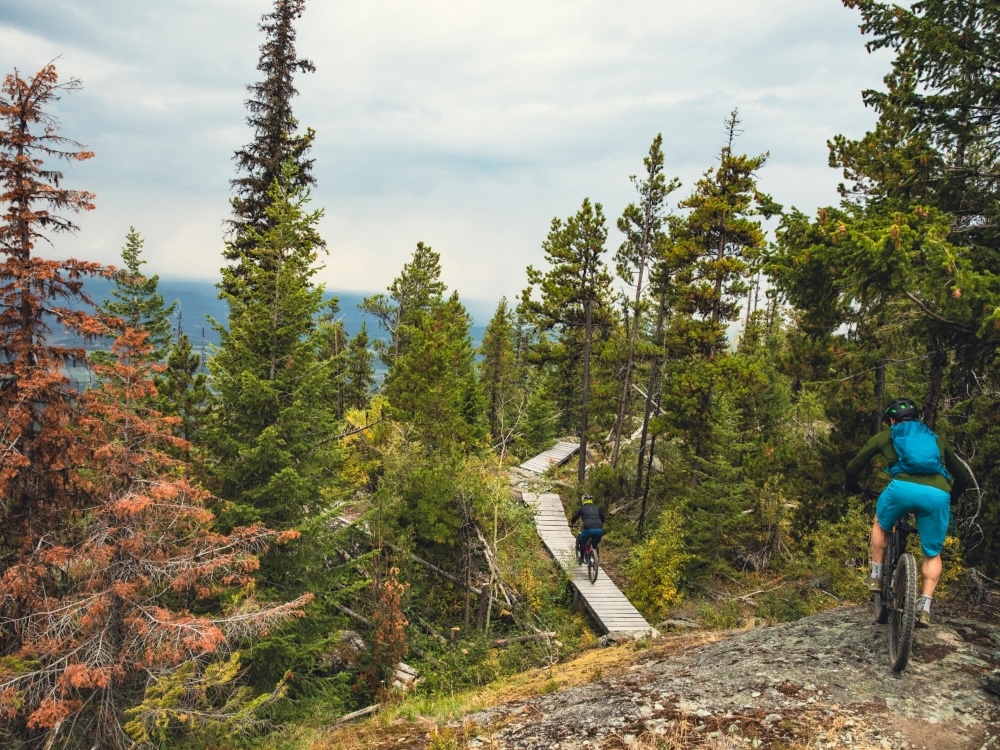
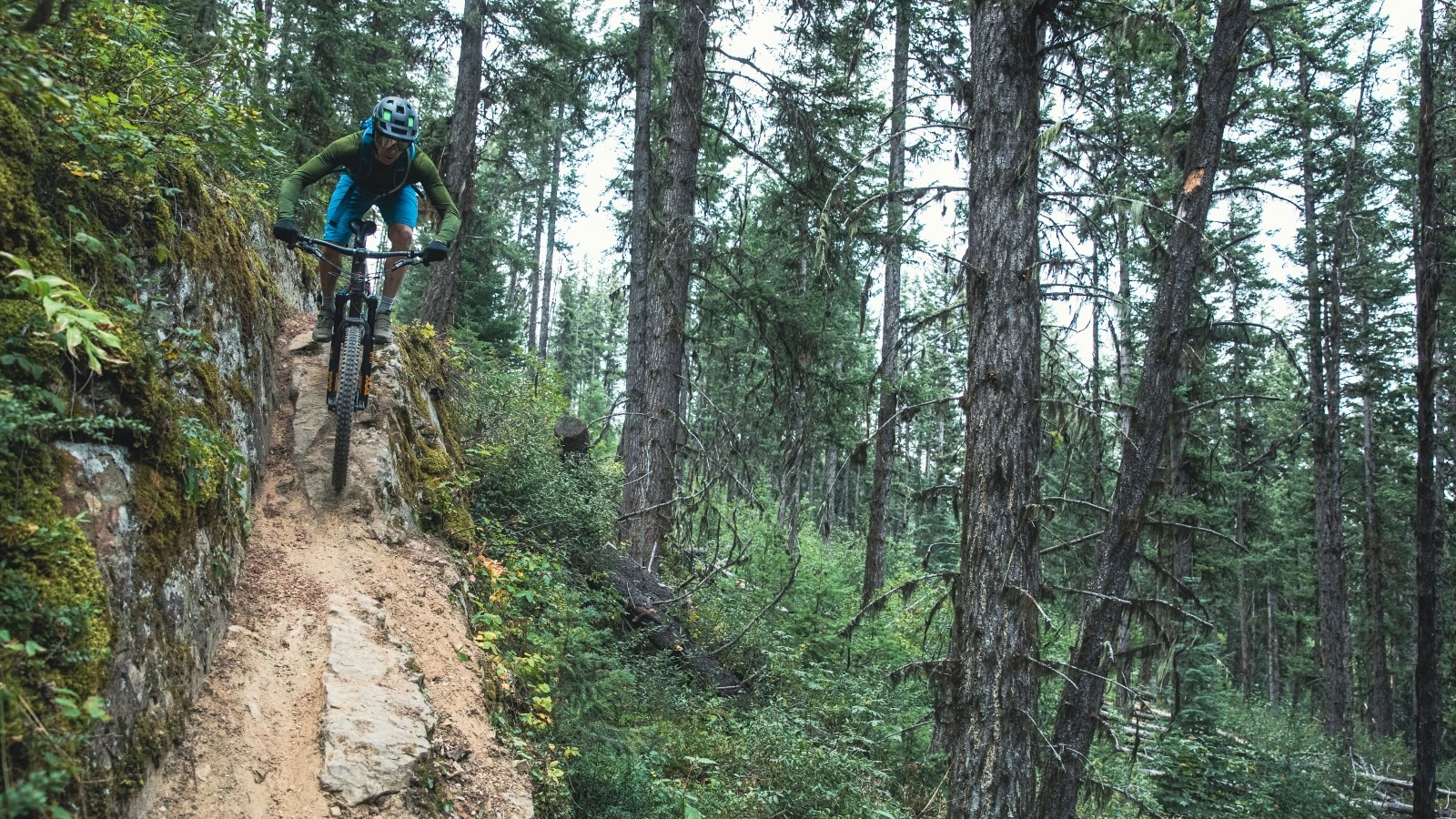
Dragon Mountain Provincial Park rises in a forested hump above the farmland just south of Quesnel, with a gravel road to its summit and 600 metres of descending mountain bike trails through rocks, chutes and mature forest.
The local builders of the trails did such a good job that Quesnel is now a mountain bike destination, with Dragon Mountain its star attraction.
But where mountain bikers see a playground, wildfire experts see the makings of a disaster waiting to happen: a tangle of dead and dying Douglas firs and lodgepole pines; a forest floor littered with deadfall; west-facing slopes that dry out quickly; steep, uneven terrain; and a nest of communication towers essential to emergency services.
“If there’s a forest fire on Dragon Mountain it would burn the whole thing,” said John Davies, a registered professional forester. “Viewpoints, mountain bike trails, ungulate habitat, the forest — everything would be gone.”
Davies is a mountain biker and appreciates the riding potential. But he has also spent 25 years fighting fires both on the ground and from behind a planner’s desk. Today he works for Forsite, a forestry consultancy that develops wildfire protection and risk reduction plans for cities and parks across the province, including for Dragon Mountain.
“Right now our forests are not fire-resistant,” he explained. “When a fire starts it tends to get really big and has a catastrophic impact. If we reduce the risk through fuel mitigation, we can avoid catastrophic fires. But that means having some impact on the social values of that forest.”
That’s where things get hot to touch. Davies’ wildfire risk reduction prescription for Dragon Mountain Provincial Park includes extensive thinning of the forest. That is expensive to do by hand, so cutting trees could mean bringing in heavy equipment.
To environmentalists, that sounds a lot like logging inside a provincial park. Some mountain bikers are worried the thinning will look more like clearcuts that will reduce the park’s recreational appeal. Others think fire protection will be used as an excuse to log old-growth forests and other protected areas.
But forest fire professionals have a very different set of worries. They think the provincial government isn’t doing nearly enough to reduce the fire danger to communities like Quesnel.
‘We’re not entirely ready’
The situation on Dragon Mountain is not unique, says James Whitehead, a former firefighter and the special projects manager for the Mitigating Wildfire initiative at Simon Fraser University’s Morris J. Wosk Centre for Dialogue. The think tank uses dialogue to tackle the contentious issues facing B.C., including the challenge of finding a balance between values like recreation, conservation, aesthetics and public safety in an increasingly flammable world.
“I think as a province we’re not entirely ready for [the conversation],” Whitehead said.
Whitehead blames a century of fire suppression and the banning of Indigenous cultural burning for getting us in this mess. Today’s forests are neither natural nor healthy, he said.
“The scale of wildfire challenge is so massive, the solutions touch all different parts of our life.”
In general, forests are much denser than they historically were. Prior to colonization, low-intensity fires would clear dead brush and thin forests on a regular basis. Some would have been started by lightning. Others would have been lit by local Indigenous people. But 100 years of fire suppression policies limited those “good fires” and has left forests choked with trees. Pests like mountain pine beetle and spruce budworm have left forests full of dead trees. And hotter and drier weather caused by climate change has further stressed forests.
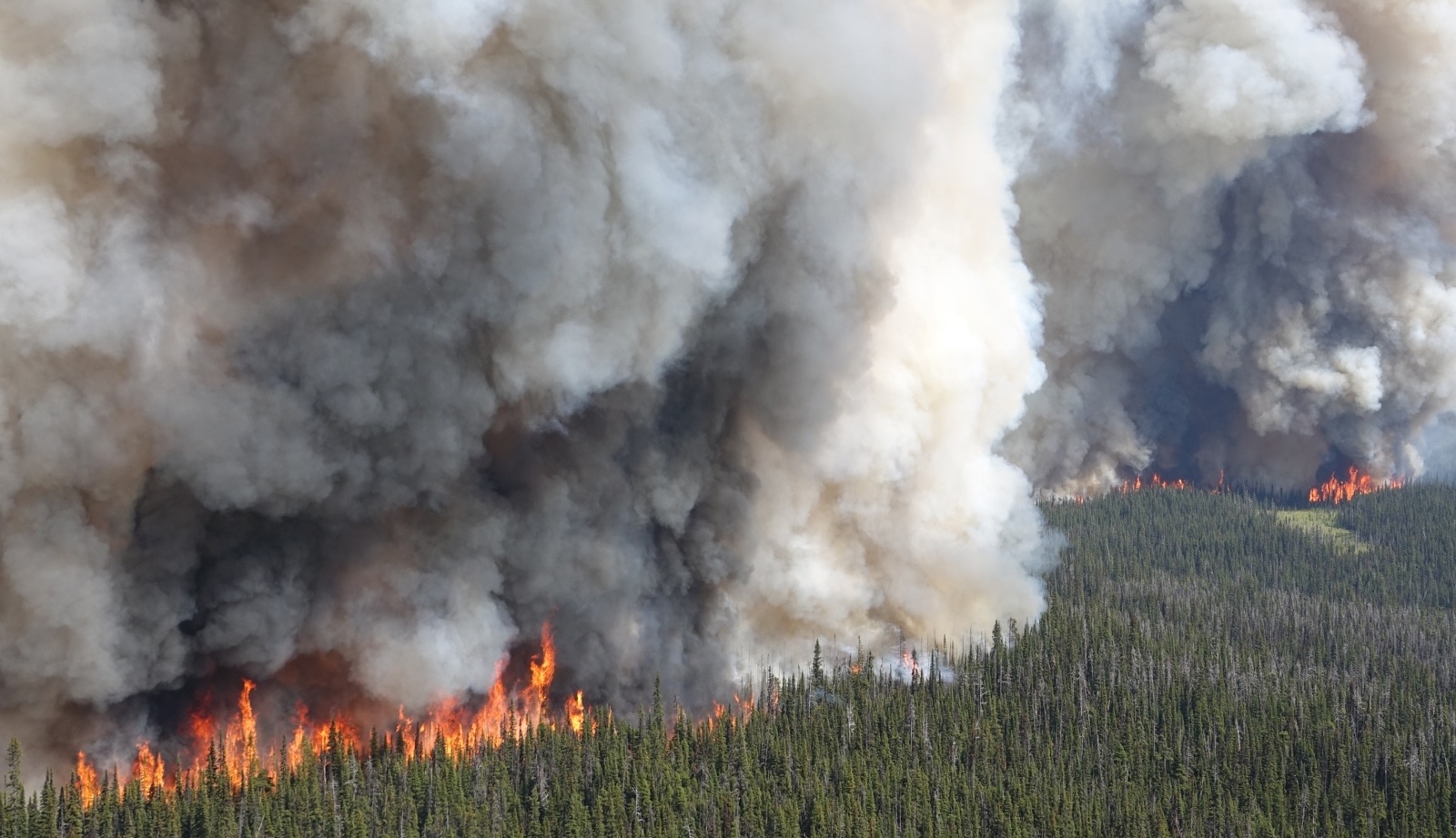
Now, when a fire starts, it can quickly gobble up the dead wood on the ground, climb dry branches to the canopy overhead and jump from tree crown to tree crown. Fires are now growing more aggressive and harder to control, say Whitehead and other researchers.
The provincial government has known about these challenges for decades. After a challenging fire season in 2003, the province commissioned the Firestorm 2003 review. The resulting Filmon report recognized the situation and called for more fuel mitigation efforts. In 2018, following one record-breaking wildfire season — and in the midst of another — an additional report made 108 recommendations, many focused on proactive fire mitigation efforts.
The provincial government now funds three different wildfire risk reduction programs and has spent about $300 million to treat 40,000 hectares of forest since 2003.
But those figures are dwarfed by the $6 billion spent on fighting wildfires since 2003 and the province’s 60 million hectares of forest.
Quesnel started to think about wildfire risk in 2007 and created a community wildfire protection plan, said Erin Robinson, a wildfire mitigation specialist with the city. But as was typical across the province, “hardly anything happened,” she said.
Efforts increased after a close call during the 2017 fire season. The city hired a forester with wildfire expertise to rewrite the plan. The goal, John Davies explained, is to reduce potential fire behaviour from intense and catastrophic conflagrations to slow-moving, ground-level surface blazes.
The process begins by feeding data on forest conditions and human infrastructure into a computer to create fire behaviour simulations. By varying the forest condition inputs, Davies uses the simulator to identify fuel treatments that might have the biggest impact.
Once he’s happy with the theoretical plan, he heads into the woods to better understand the condition of the forest and understand the other values in the area, including trails, wildlife habitat, cultural values and scenic views. Only after does he develop detailed treatment prescriptions to reduce the fire risk.
The treatment
Fire mitigation pros like Davies have three medicines to work with.
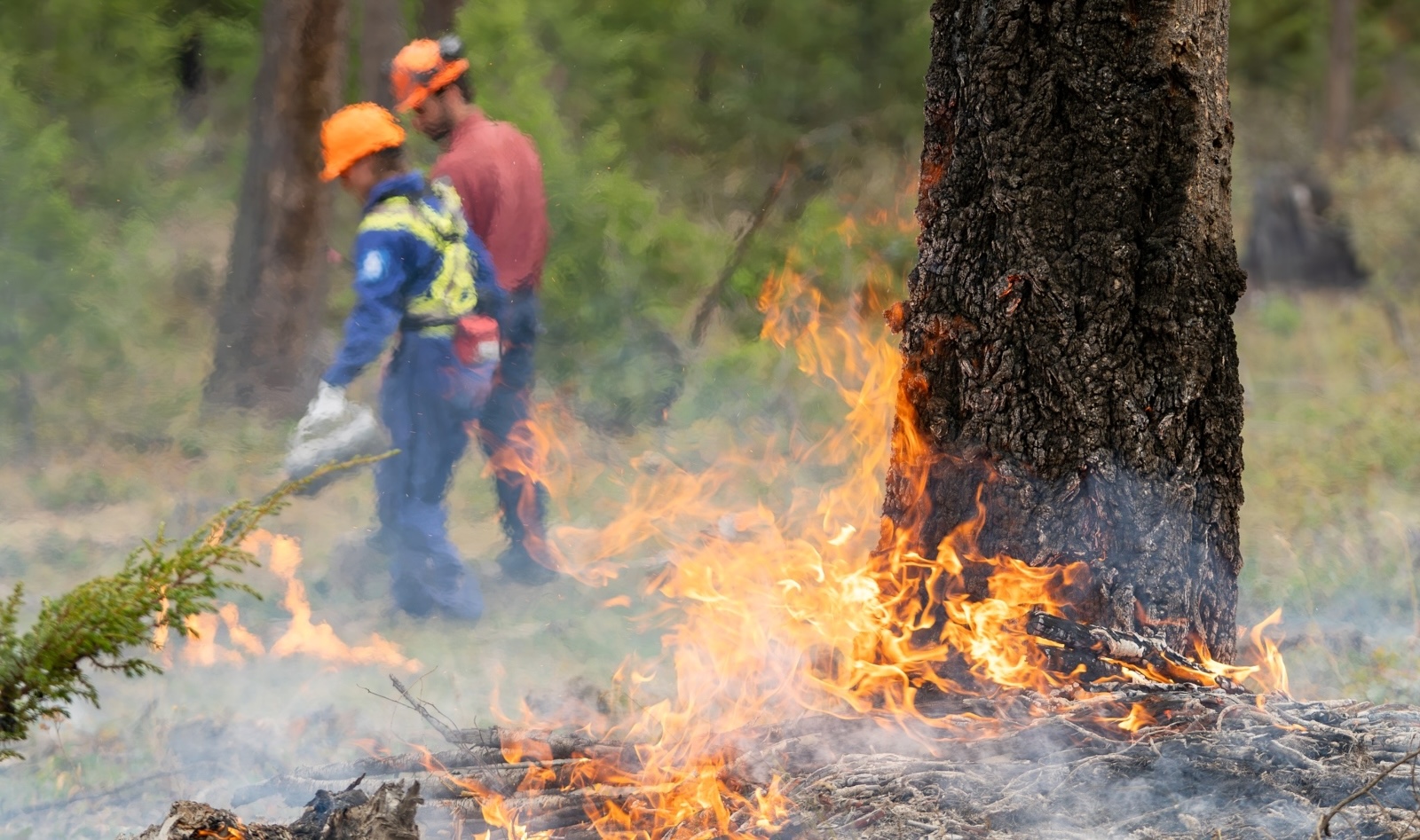
One of the most effective is fire. Historically forests would burn on a regular cycle — as often as every decade in more arid areas. Lightning would start some. Others were purposely lit by Indigenous people who often used fire to cultivate food sources. These fires tended to be small and low-intensity. Because they happened regularly, they would burn the deadfall and low-hanging branches while thick bark on mature trees would resist the flames, leaving a more open, fire-resilient forest.
Today’s human-initiated fires are known either as prescribed burns or cultural burning, when conducted by First Nations. The provincial government has made it easier to conduct these treatments, but they remain small-scale, Whitehead said. They are challenging to conduct, there’s a lack of fire practitioners, and public concerns linger over burning close to communities. Weather can also be an issue, with longer fire seasons reducing the spring and fall burning windows. But the pace is mostly hampered by the amount of work needed before prescribed fires can be lit.
“The forests are so dense, it’s hard to have a low-intensity fire,” Davies said. “Often prescribed burns have to follow mechanical treatments.”
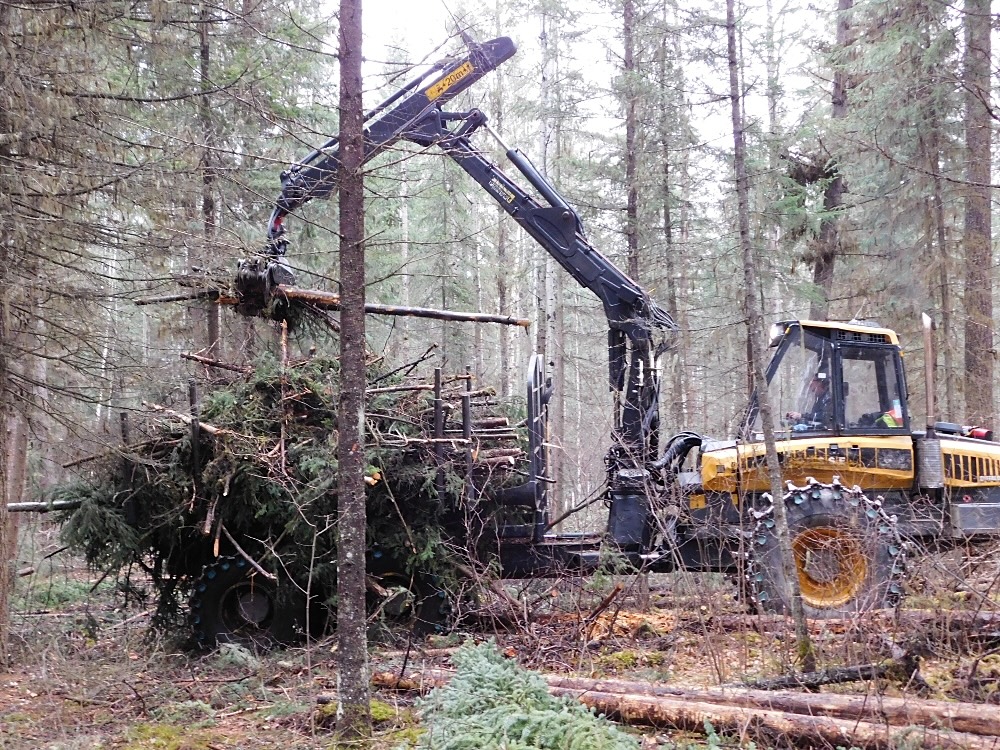
There are two methods of mechanical treatment: those done by heavy machinery and those undertaken by crews working by hand. Both seek to clean up dead wood, prune branches and thin the forest to reduce the volume of burnable materials.
Using heavy machinery can sound a lot like commercial logging: operators use the same equipment to cut trees and pile debris. But there are two distinctions. First, fuel treatments are usually selective and leave the biggest trees, as opposed to commercial operations that prefer clearcutting or selectively target the largest, most valuable trees. Second, the fire-focused projects sometimes operate at a loss. While they usually try to recoup costs by selling the wood, the smaller trees are not always large enough to use as lumber and can end up as low-value fibre. Sometimes, they are just burned or chipped in the forest.
Whitehead cited one fuel treatment near Cranbrook where it wasn’t worthwhile to collect the logs, even though a processing plant was only 20 kilometres away. Robinson said in Quesnel they often rely on the charity of West Fraser, the operator of a local lumber mill, to take the waste wood.
Heavy machinery has its limitations. When there are sensitive plant species, views to protect and concerns about soil erosion, or when the terrain is too steep, foresters prescribe hand treatments. Using chainsaws, fallers clear out the understorey and thin the trees. Rarely is there an opportunity to recoup any costs.
“Hand treatments can be ridiculously expensive,” Whitehead said. Clearing a single hectare costs anywhere from a few thousand dollars to as much as $35,000 a hectare in extreme cases, he said.
‘Something needs to be done’
Since 2017, Quesnel has conducted more than 230 hectares of fuel treatment within its city boundaries, using both mechanized and hand techniques. Dragon Mountain, though, is a provincial park and, despite lobbying from the city, BC Parks has thinned only two hectares of the 1,770-hectare park. Robinson thinks a fire on Dragon Mountain could cause the evacuation of Quesnel and would likely destroy the communication towers on the summit.
“We’ve been saying for a long time that something needs to be done in the park. It’s dangerous,” said Robinson.
BC Parks has now budgeted $300,000 to treat 113 hectares in Dragon Mountain in the next couple of years. The money is part of BC Parks’ $1-million budget for fuel management work across the province. The agency has also allocated another $400,000 for prescribed fires.
Forsite’s Davies wrote the treatment prescription for the next phase of work at Dragon Mountain. It has been shared with the mountain bike club but was not made available to The Tyee. Before seeing the plan, some Quesnel mountain bikers told me they were worried it would lead to clearcuts around power lines leading to the communication towers on the summit. They worried that would change the aesthetic of the mountain bike trails, which are close by.
No members of the bike club would comment on the plan for this story.
In creating the plan, Davies said he prioritized the economic and social value of the mountain bike trails and the conservation values of the park. He said BC Parks has higher standards around ecosystem values than a community would, particularly when it comes to soil erosion. That requires more hand treatment work.
But he also said that without significant fuel treatments, a fire on Dragon Mountain would probably make those values moot.
The greatest threat to the forest comes from a fire through woodland that hasn’t been thinned, he said. He noted that trees haven’t regrown in areas that burned in Okanagan Mountain Provincial Park in 2003 and that crews are still rebuilding Logan Lake’s trail system after the Tremont fire charred the local community forest.
“We have to make sure the value will exist after a fire,” Davies said. “That requires removing trees. There’s no other way to do it.”
The Endangered Ecosystems Alliance, an environmental group, doesn’t debate the need for fuel treatments in places like Dragon Mountain. But they worry about a slippery slope that could lead to commercial logging in protected areas, like provincial parks and old-growth management areas.
“Our main concern about commercial thinning versus non-commercial thinning is that the scale and type of logging activities taking place can change substantially once a profit can be made from the sale of the wood,” Ken Wu, executive director of the Endangered Ecosystems Alliance, told me.
“There would be a motivation to cut or high-grade the bigger trees that are actually the most resilient to fire. Unfortunately, we have seen increasing pressure from industry to allow commercial logging in parks and protected areas under the guise of fire management.”
When Wu contacted the Ministry of Environment and Parks about his concerns last spring, Tamara Davidson, the minister, responded in a letter that “commercial logging in B.C. provincial parks is not occurring and is not permitted under the Park Act.”
She didn’t offer the same promises for old-growth management areas created to protect old forests from logging pressure, or wildlife habitat areas set aside to protect rare species.
That’s for good reason, according to Bob Gray, a wildfire researcher and 40-year veteran of wildfire mitigation work. Gray said there’s no point in doing fuel treatments if there are too many carve-outs.
“When we build a dike to prevent flooding we don’t ask the engineer to build it to be 70 per cent effective. So why do we compromise with fire?” he asked. “The added difficulty with fire is that the modelling is not sophisticated enough to know what impact the compromises will have. We have to start erring on the side of caution.”
And move faster.
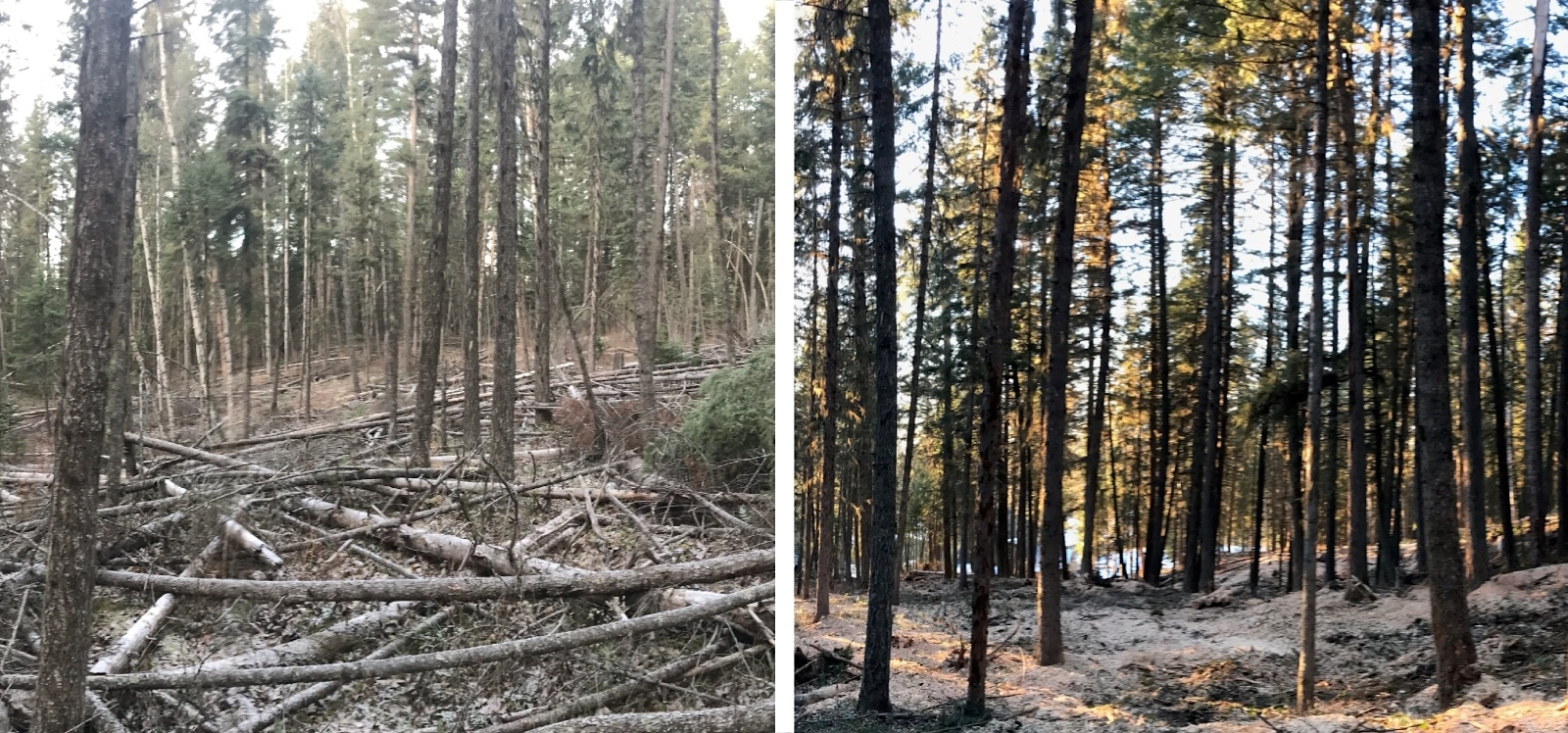
Gray was part of a U.S. Forest Service modelling exercise that concluded that the historic fire-resilient landscape of western North America is not a blanket of coniferous trees. Instead, it is a patchwork quilt where 40 per cent of the landscape is “vegetation that exhibits low flame lengths and low fire severity.” What that looks like will vary depending on the climate, but he said mostly coniferous forests will also generally include a mosaic of grasslands, hardwood forests, recently burned areas and mechanical treatments. The goal with fuel treatments has to be to reach the same ratio, Gray said. No one knows the present balance across the province, but he said no B.C. forest is anywhere near that goal.
“Right now we’re trying to manage every hectare with all these other values in mind,” Gray said. “We can’t do that anymore. We can’t act fast enough.”
Intense fire seasons will do some of the work. More than 10 per cent of the forest in the Prince George Fire Centre has burned since 2023. But Gray said the provincial government also needs to increase the pace of fuel treatments, while also maintaining the areas where treatments have already occurred so fuels don’t build up again.
It’s going to be expensive, but research shows it’s much cheaper than fighting increasingly intense and damaging fires. A federal government study published this year found indirect costs — property damage, business disruption, health impacts, environmental degradation and other economic losses — added up to 20 times the cost of firefighting. Various studies have found that every dollar invested in climate resilience and preparedness pays back avoided disaster-related costs many times over.
When I talked to Davies, he didn’t provide specifics about the Dragon Mountain prescription plan, but he was clear about the goal.
“It comes down to: How do we reduce the risk through fuel mitigation to protect the community, while still minimizing the impact on social values as much as possible?” he said. “We’re looking to find a solution to a complex balancing act.”
Mountain bikers and environmentalists might never be comfortable with the balance, Davies admitted, but he’s certain they will like it better than the alternative.
“Unless you pave it,” he said, “eventually it will burn.” ![[Tyee]](/design-article.thetyee.ca/ui/img/yellowblob.png)
Read more: Environment







Tyee Commenting Guidelines
Please note that email notifications for replies are not currently working due to a software issue which may be resolved in a future update.
Comments that violate guidelines risk being deleted, and violations may result in a temporary or permanent user ban. Maintain the spirit of good conversation to stay in the discussion and be patient with moderators. Comments are reviewed regularly but not in real time.
Do:
Do not: