


 SHARE:
Can you make a protest song when you really need one? Or does a true anthem come barrelling into the greater public consciousness of its own accord?
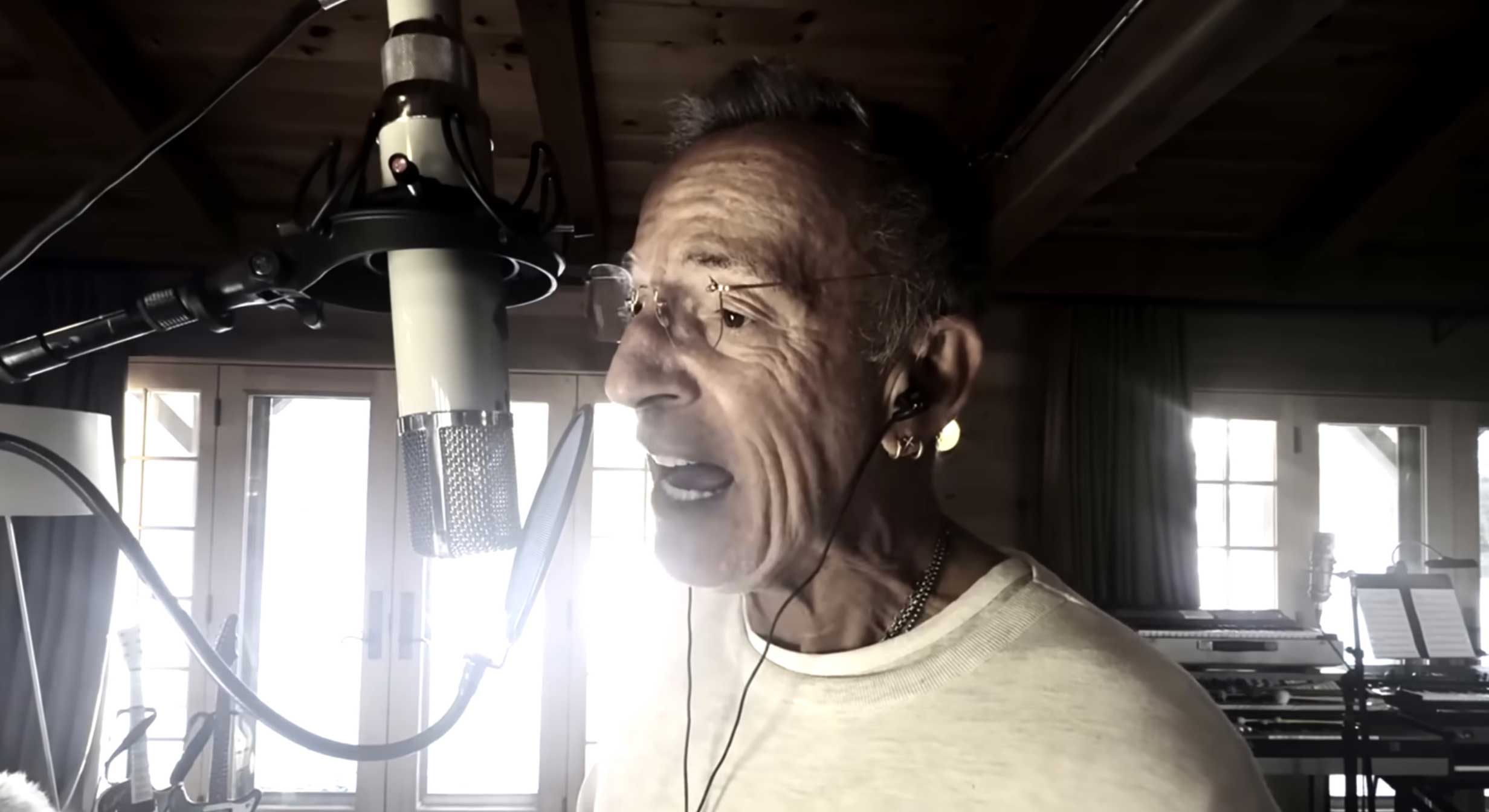
The Jan. 28 release of Bruce Springsteen’s new anti-ICE protest song “Streets of Minneapolis” provides an interesting example of music arriving when it is most needed. The song was written, recorded and released in the weeks following the murders of Alex Pretti and Renee Good, and was the highest-selling song in the U.S. last week.
Springsteen is not alone in raising his voice about the state of his nation. A coterie of musicians has joined in chorus.
The recent Grammy Awards made this abundantly clear with Bad Bunny, Billie Eilish and Olivia Dean joining host Trevor Noah to call out the growing spectre of fascism in America.
Elsewhere, Lady Gaga released a version of “Won’t You Be My Neighbor?,” the theme song from Mister Rogers’ Neighborhood, on the occasion of the 2026 Superbowl.
Last week Rage Against the Machine’s Tom Morello took to the streets to lead an ICE protest show in Minneapolis.
And on his weekly Cannonball podcast, New York Times’ critic at-large Wesley Morris offered an exploration of how certain music rises to the moment.
The song in Morris’s head was “Unsatisfied,” a track from The Replacements’ 1984 album Let It Be. In his usual fashion, Morris elegantly explained how certain pieces of music change over time, evolving into an encapsulation of current events.
Crosby, Stills, Nash & Young’s anthemic “Ohio” has been on repeat in my own head. The song is over 50 years old but still relevant as hell.
Like Springsteen’s recent hit, “Ohio” was recorded and released in reaction to state violence, namely the 1970 shootings at Kent State University in which National Guard soldiers shot and killed four college students protesting the expansion of the Vietnam War in Cambodia.
Five decades later, the rage and grief soaked into every lyric still shakes me.
Music for facing injustice
For every moment, there is a song.
Music and political protest have long linked arms and marched in the street. A quick rifle through stashes of old vinyl and you’ll find protest anthems from Nina Simone, Phil Ochs, Kris Kristofferson and Peter Gabriel.
Whether they are anti-war songs, like riot grrrl/techno band Le Tigre chanting their way through “New Kicks,” Tracy Chapman bringing a packed stadium to a virtual standstill with only her guitar and voice or Rage Against the Machine spitting truth, there have been plenty of examples of singers using their voices to bring attention to every inequity and issue.
When people take to the streets to protest injustice, they almost immediately burst into song. An extraordinary illustration of this idea was at the heart of Ryan Coogler’s film Sinners, wherein the musical chops of a young bluesman melted the hard and fast boundaries between past, present and future. It was an extraordinary sequence that rendered explicit the connections between different musical traditions and how music was the most immediate, fundamental tool to counter injustice and oppression.
Music calls it out by name, giving words and a tune to the things that tear at the human soul.
Sinners tells a very old story, a continuum of experience that stretches from time immemorial to current day, all borne along in the cradled hands of music.
Protest songs have been a central part of American culture. But until recently, the grand old tradition of three chords and lyrics to name and shame seemed to have largely fallen by the wayside. This strange absence surfaced in a major way when I watched A Complete Unknown, the 2024 biopic about Bob Dylan’s early years.
The movie included not only Dylan’s contemporaries like Joan Baez, but also the singers and songwriters who influenced him — folks like Pete Seeger and Woody Guthrie.
Suddenly, Dylan’s songs felt alive and relevant in a new way. But it also highlighted that music hadn’t been the driving force of cultural change for a while. And that might be shifting.
A great musical performance can change the world
Some of these songs have better stood the test of time than others. Even more interesting is what gets purposefully buried and covered over. Some of the most radical iterations of music and politics aren’t all that well known.
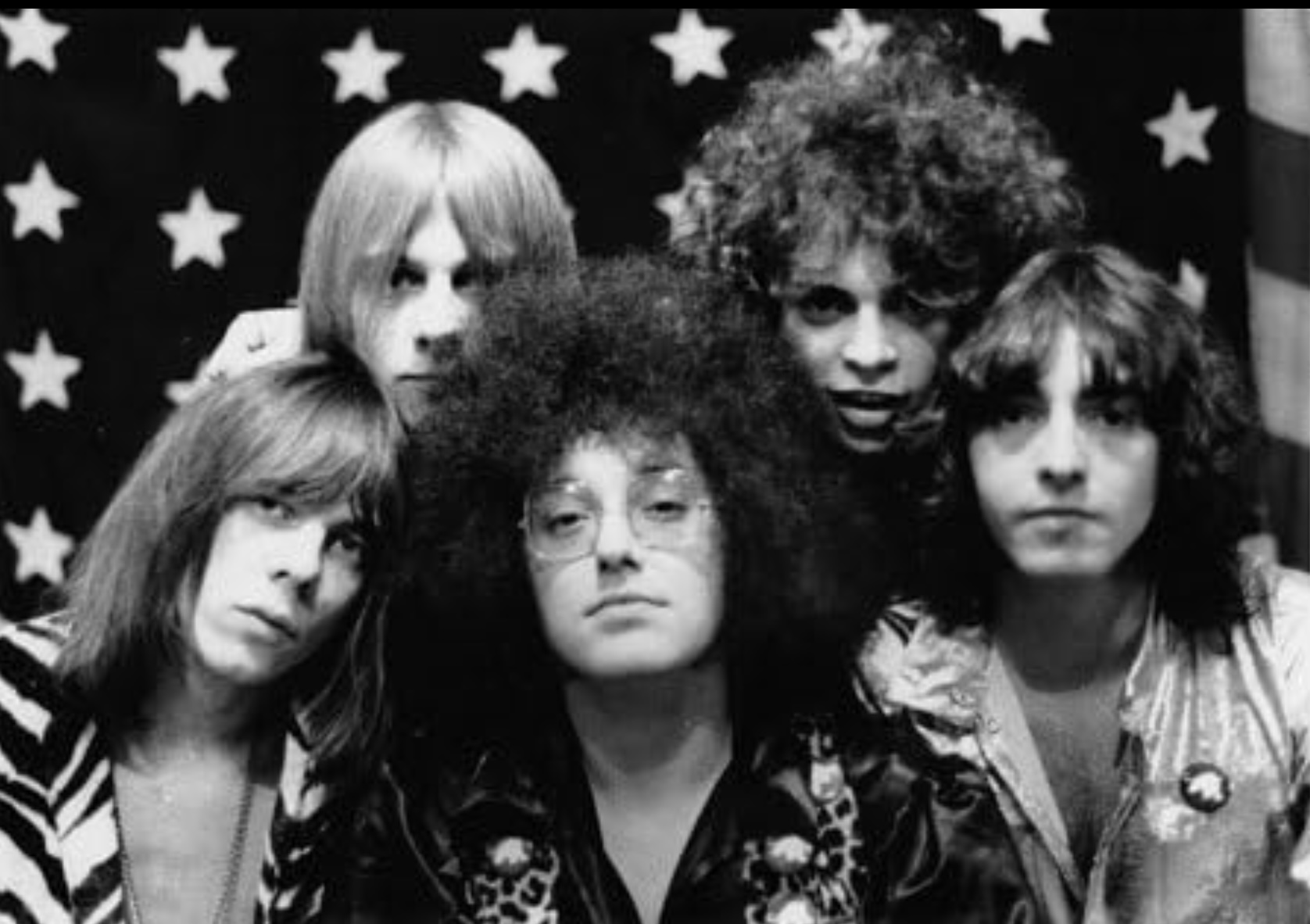
MC5 springs easily to mind in this regard. The Detroit-based rock band, formed in Michigan and named in honour of Motor City, was infamous for mingling activism with power chords, flamed out in spectacular fashion, but some of their more raging anthems still surface with metronomic regularity.
The 2002 documentary MC5: A True Testimonial traces the tangled relationship between band members and their then-manager John Sinclair. In contrast to Sinclair’s commitment to anti-racist organizing, band members were a bit more scattered, especially after Sinclair was sentenced to prison for his part in the 1968 bombing of a CIA office.
The intermingling of music and politics isn’t always pretty. Nothing made this more apparent than MC5’s legendary concert that preceded the riots at the 1968 Democratic National Convention. Haskell Wexler’s film Medium Cool, a mash-up of documentary and narrative, caught it all on film.
There are similarities between then and now, with the level of tension ratcheting up and the younger generation joining in with school walkouts across the U.S. on Jan. 30.
If ever there was a moment for a massive concert, right now would seem like a good moment. Luckily, the 50th anniversary of Rock Against Racism is taking place in London on April 4, 2026.
The original Rock Against Racism brought together bands like the Clash and Poly Styrene against white nationalism, but the concept could be expanded to accommodate all manner of injustice. After all, there is a bounty of horrors from which to pick. It’s unclear if there are any plans afoot in the U.S. for a similar kind of event, but one great rock show can change the world, to paraphrase Jack Black’s immortal line.
Culture, a battleground
Even as musicians and audiences are coming together, some of the biggest cultural institutions are contending with political fallout. The recent announcement about the closure of the Kennedy Center, due in part to the fact that numerous artists had cancelled their scheduled shows there to protest the Trump administration, reminded me of a much earlier action when musicians refused to play.
The South African resort Sun City became a focal point for anti-apartheid activism in the mid-‘80s, when violence in South Africa was endemic. Steven Van Zandt, a member of Springsteen’s E Street band, wrote a famous protest song to draw attention to artists playing at the resort despite the cultural boycott. It’s interesting to note who all participated in the 1985 music video, from Bob Dylan to Bruce Springsteen, Lou Reed to Run-D.M.C. There is so much infectious joy in seeing musicians as varied as Joey Ramone to Miles Davis all whooping it up.
The battleground of culture sometimes makes for curious, occasionally bizarro moments.
The recent announcement that Kid Rock would headline the right-wing musical performance protesting the halftime show at the Super Bowl was another reminder that the right can’t do culture. The rap-rocker and Republican party supporter is now facing renewed scrutiny for his lyrics to "Cool, Daddy Cool," a 2001 song that makes sexualized references to underage girls.
Making great art, music or film requires humanity, empathy and compassion — qualities that the current Trumpian ethos can’t embody or probably even understand.
The left, ever its own worst enemy, will drone on about how a given protest anthem didn’t encompass every possible iteration of issues that need righting. But at this juncture, writing judgy little statements on social media isn’t useful.
Do anything instead. Use the platform that you have. That is exactly what Springsteen did, so full props to the Boss for “Streets of Minneapolis.” A little more Rage Against the Machine-style fury would also be nice.
As the much-shared meme states, “Nobody expected the revolution to start in Minneapolis. Except Prince.”
Amen, dearly beloved. ![[Tyee]](/design-article.thetyee.ca/ui/img/yellowblob.png)








Notice about commenting changes
The Tyee’s commenting system will be moving to a new platform on Nov. 12. If you’re already a Tyee commenter you must register with the new system on or after Nov. 12 with your preferred username.More information can be found here.